10 Outstanding Marketing Management Case Studies from India

Marketing Management Case Studies – India’s marketing landscape is unlike any other in the world. It is shaped by vast cultural diversity, extreme price sensitivity, rapid digital adoption, and an audience that reacts strongly to emotion, trust, and value. Marketing management in India therefore goes far beyond advertising—it involves deep consumer insight, long-term brand building, pricing strategy, distribution innovation, and powerful storytelling.
Over the years, several Indian brands have executed marketing strategies so impactful that they are now taught in business schools and referenced globally. Marketing Management Case Studies – These brands didn’t just sell products; they changed consumer behavior, created new markets, or redefined how marketing should be done in a developing yet digitally advanced economy.
In this article, we explore 10 outstanding marketing management case studies from India, explaining the business challenge, marketing strategy, execution, and lessons learned from each.
1. Reliance Jio – How Disruptive Marketing Rewrote India’s Telecom Story

When Reliance Jio entered the Indian telecom market in 2016, it faced fierce competition from established players like Airtel, Vodafone, and Idea. Instead of competing on incremental improvements, Jio adopted a disruptive marketing management strategy.
The brand launched with free voice calls and free data for several months. From a marketing perspective, this was not merely a pricing tactic—it was a customer acquisition weapon. By removing the biggest barriers to adoption (cost and complexity), Jio attracted millions of users in record time.
Jio’s marketing communication focused on digital empowerment, positioning itself as a brand that would connect India to the future. Its campaigns emphasized speed, affordability, and access to digital services such as JioTV, JioCinema, and JioSaavn, making it more than just a telecom provider.
Within a few years, Jio forced competitors to slash prices or exit the market. From a marketing management viewpoint, this case shows how value-driven disruption, supported by aggressive promotion and ecosystem marketing, can completely transform an industry.
Marketing Lesson: When backed by scale and vision, disruptive pricing combined with strong brand positioning can redefine consumer expectations permanently.
2. CRED – Turning Credit Card Payments into a Lifestyle Brand

CRED entered a space that was considered boring and transactional: credit card bill payments. Instead of targeting the mass market, CRED deliberately chose a niche segmentation strategy, focusing only on users with high credit scores.
This exclusivity became the foundation of its marketing strategy. CRED marketed itself as a premium, members-only club that rewards financial discipline. Its advertisements were unconventional, humorous, and often featured celebrities in self-aware, ironic roles, creating instant brand recall.
The company didn’t push heavy functional benefits. Instead, it focused on emotional branding, aspirational rewards, and community belonging. CRED’s marketing management success lies in its ability to make a low-interest activity feel elite and desirable.
Despite skepticism initially, CRED achieved massive brand recognition and loyalty without traditional mass advertising.
Marketing Lesson: Strong segmentation and brand personality can turn even routine services into aspirational experiences.
3. Zomato – Data-Driven Marketing and Hyper-Personalization at Scale

Zomato’s growth story is a classic example of modern digital marketing management done right. Operating in a highly competitive food delivery market, Zomato realized early that personalization would be its biggest advantage.
The brand uses customer data extensively to personalize notifications, offers, restaurant recommendations, and even communication tone. Zomato’s marketing emails and push notifications are often witty, timely, and relevant—making them feel less like ads and more like conversations.
Beyond personalization, Zomato invested heavily in content marketing, SEO, and social media engagement. Its ability to quickly respond to trends, memes, and customer sentiments helped it build a relatable and human brand voice.
From a marketing management perspective, Zomato demonstrates how analytics-driven decision-making combined with creative execution can lead to sustained customer engagement.
Marketing Lesson: Data is powerful, but only when used creatively to enhance customer experience.
4. Amul – Consistency, Culture, and the Power of Topical Advertising

Amul is one of India’s most iconic brands, and its marketing success spans over five decades. At the heart of Amul’s marketing strategy is the legendary Amul Girl, featured in topical advertisements that comment humorously on current events.
What makes Amul’s marketing management exceptional is its consistency. While the medium and platforms have evolved—from billboards to social media—the brand’s tone, humor, and values have remained unchanged.
Amul’s ads do not directly push products. Instead, they build brand recall and emotional connection. This long-term approach has helped Amul maintain leadership in the dairy industry without aggressive promotional spending.
Marketing Lesson: Consistent brand voice and cultural relevance can outperform short-term promotional campaigns.
5. Tata Tea “Jaago Re” – Cause Marketing That Built Brand Purpose
Tata Tea’s Jaago Re campaign is a landmark case in Indian marketing management. Instead of focusing solely on taste or price, Tata Tea linked its brand to social awareness, encouraging citizens to vote and participate in democracy.
The campaign transformed Tata Tea from a household product into a brand with a purpose. This approach helped the company connect emotionally with young, urban consumers who valued socially responsible brands.
From a marketing management standpoint, Jaago Re proved that cause-led branding, when authentic and well-executed, can strengthen both brand equity and consumer trust.
Marketing Lesson: Purpose-driven marketing works when the cause aligns genuinely with the brand’s values.
6. Swiggy – Building a Youth Brand Through Digital Storytelling

Swiggy’s marketing strategy focuses heavily on relatable storytelling. Instead of talking about delivery speed or discounts all the time, Swiggy’s campaigns highlight everyday hunger moments, laziness, late-night cravings, and hostel life.
The brand uses humor, memes, and social media conversations to stay relevant among young consumers. Swiggy’s marketing management success lies in understanding its audience deeply and speaking their language across platforms.
By humanizing hunger and positioning itself as the solution, Swiggy has built strong emotional loyalty beyond price competition.
Marketing Lesson: Emotional resonance and relatability create stronger brand loyalty than discounts alone.
7. Meesho – Grassroots Marketing and Community-Driven Growth

Meesho’s marketing model is fundamentally different from traditional e-commerce platforms. Instead of focusing on end consumers alone, Meesho markets itself to resellers, many of whom are first-time entrepreneurs.
Its campaigns emphasize empowerment, financial independence, and ease of starting a business with zero investment. By leveraging WhatsApp and social commerce, Meesho turned users into marketers.
This decentralized, community-driven marketing approach allowed Meesho to scale rapidly without massive advertising budgets.
Marketing Lesson: Empowering users as partners can create organic, sustainable growth.
8. Fevicol – Storytelling That Made a Product a Household Name
Fevicol’s marketing success is rooted in storytelling. The brand rarely talks about technical specifications. Instead, it demonstrates product strength through exaggerated, humorous situations that are instantly understandable.
Fevicol ads are remembered, quoted, and shared across generations. This consistency in creative storytelling has made Fevicol synonymous with strong adhesive solutions in India.
From a marketing management angle, Fevicol shows how creative simplicity and cultural insight can build unmatched brand recall.
Marketing Lesson: Simple stories told creatively leave a lasting impression.
9. Lenskart – Omnichannel Marketing and Experience Innovation
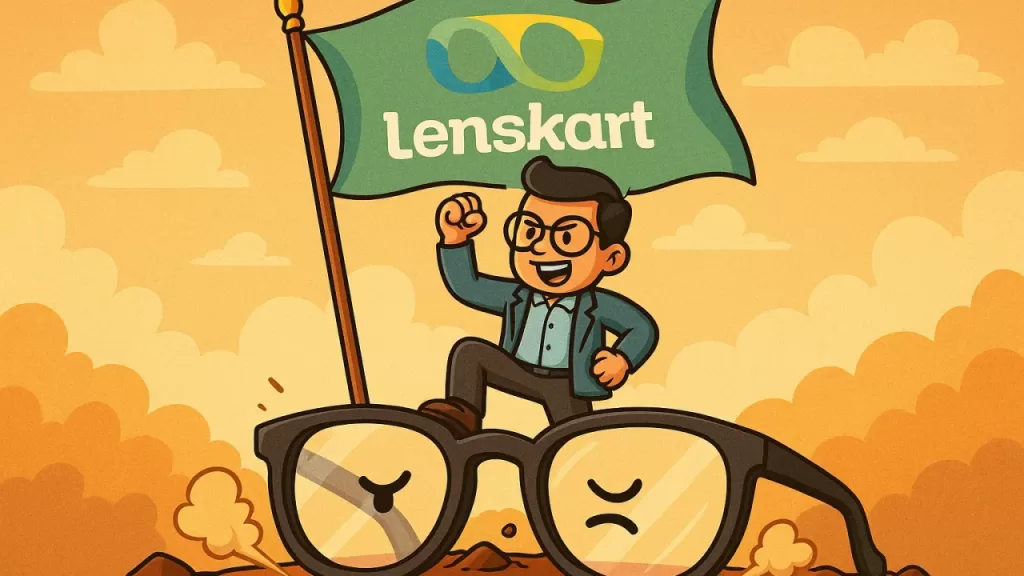
Lenskart revolutionized eyewear retail in India by combining online convenience with offline experience. Its marketing emphasized innovation—home eye tests, virtual try-ons, and home delivery.
The brand invested heavily in digital marketing while simultaneously expanding physical stores, ensuring consistency across touchpoints. Lenskart’s marketing management success lies in solving customer pain points through innovation rather than price wars.
Marketing Lesson: Seamless customer experience across channels is a powerful marketing differentiator.
10. Flipkart – Festival Marketing and the Big Billion Days Phenomenon

Flipkart’s Big Billion Days is a masterclass in event-based marketing. By aligning massive sales with Indian festivals, Flipkart turned discounts into a cultural shopping ritual.
Its integrated marketing campaigns across TV, digital, influencer marketing, and app notifications created anticipation and urgency. Over time, Big Billion Days became a brand in itself.
Marketing Lesson: Well-timed, culturally aligned campaigns can drive both short-term sales and long-term brand loyalty.
Final Thoughts:
Marketing Management Case Studies – These outstanding marketing management case studies from India highlight one crucial truth: successful marketing is not about copying global trends but understanding local consumers deeply. Whether through disruption, storytelling, personalization, or purpose-driven branding, Indian companies have shown how strategic Marketing Management Case Studies can create lasting impact.
For students, professionals, and entrepreneurs, these Marketing Management Case Studies offer timeless lessons on strategy, execution, creativity, and consumer psychology—making them essential reading in today’s competitive business environment.
Want to learn More about Marketing Management Case Studies?, Kaashiv Infotech Offers Digital Marketing Course & More, Visit www.kaashivinfotech.com.
Related Reads: