Single Page Apps Explained: 7 Things That Totally Changed How I Build Websites
Have you ever clicked something on a website and—bam!—everything changed, but the page didn’t reload? 😲 That smooth, lightning-fast experience? That’s the magic of single page apps.
I remember the first time I used Gmail. I was confused—”Wait, did it even load?”—because nothing flickered or refreshed. And then it hit me. This was no regular website. It was a single page application, or SPA.
Let’s unravel what single page apps really are, why they matter, and how they’re changing the web—one seamless scroll at a time.
🚀 What is a Single Page App?
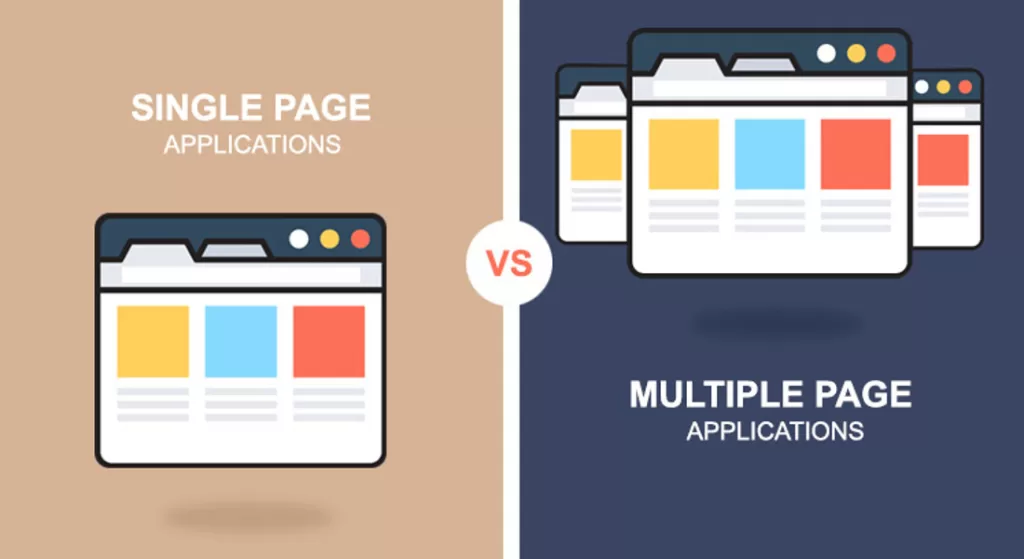
Okay, straight to the point. A single page app is a web application or website that loads a single HTML page and dynamically updates content without refreshing the whole page.
Unlike traditional websites (a.k.a. multi-page apps), which reload a new page every time you click something, SPAs load content using JavaScript—specifically via AJAX or frameworks like React, Vue, or Angular.
So when you interact with a single page app, it feels like you’re using a mobile app or desktop software—smooth, responsive, fast. 💨
🧠 How Do Single Page Apps Work?

Let’s break this down like I’d explain it to a friend over coffee ☕:
- When you first visit a SPA, it loads one main HTML file—usually
index.html. - Then it fetches data using APIs (usually REST or GraphQL).
- The JavaScript engine takes over and renders the content dynamically.
- As you click and interact, only parts of the page are updated—not the entire document.
No reloading. No page flickers. Just buttery-smooth transitions.
👉 Example? Instagram. You scroll, like, open profiles—all in one seamless flow.
🌟 Real-Life Examples of Single Page Apps
You’ve probably used single page apps today without even realizing it:
- Gmail – The king of SPAs. No full reloads. Just email zen.
- Facebook – Feels like an app, behaves like one too.
- Instagram – Upload photos, DM friends, watch stories—no reloads.
- Twitter/X – Real-time updates. Scroll forever.
- Google Maps – Zoom, drag, search—all without full reloads.
These giants bet on SPAs for a reason—speed, UX, and efficiency.
🔍 Why Are Single Page Apps So Popular?
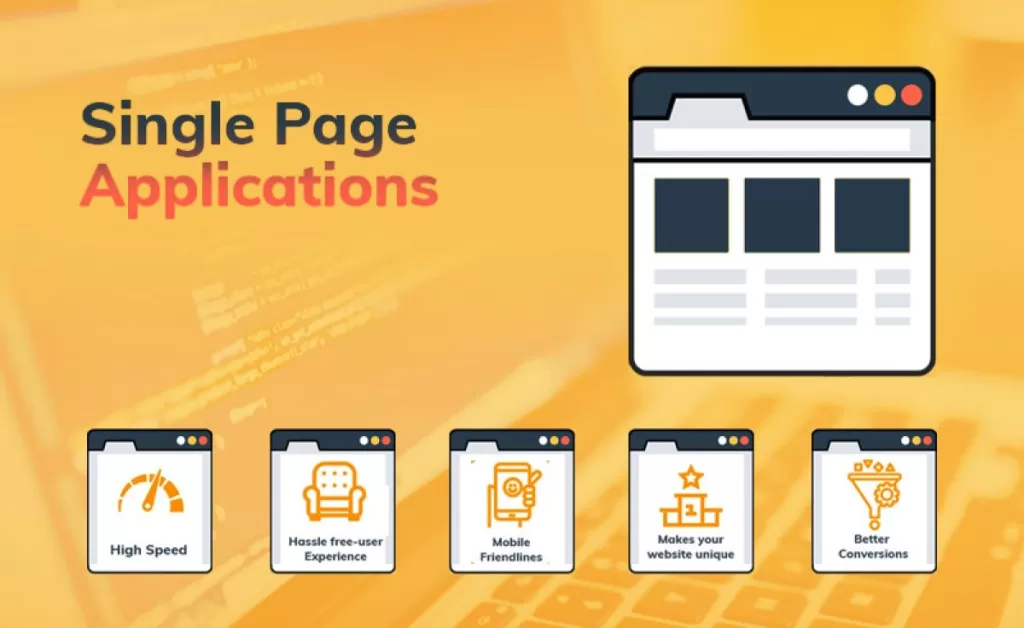
Let me tell you why I personally love working with single page apps as a developer:
- Faster user experience 🏎️
Pages load almost instantly after the initial load. - Feels like an app
Fluid transitions. No jarring refreshes. - Frontend power
You can build incredible UI/UX using modern JS frameworks. - Reusability
Components in frameworks like React or Vue can be reused across different parts of the app.
It’s not just hype. Single page apps truly redefine what a website feels like.
😬 Downsides of Single Page Apps (Yep, They Exist)
But hey, let’s be real. SPAs aren’t perfect.
Here are a few things that have bitten me before:
- SEO Challenges
SPAs don’t play nice with search engines out of the box. You’ll need tools like SSR (Server-Side Rendering) or prerendering to fix this. - Initial Load Time
That first load can be heavy. Especially if your JS bundle is bloated. - JavaScript Dependency
If JS breaks, your app breaks. Not ideal. - Browser History & Routing
You have to manually manage routes and browser history using something like React Router.
So before jumping into SPA world, weigh the pros and cons.
🔧 When Should You Use a Single Page App?

Let me give you a little checklist I use with my team:
✅ Want a mobile-app-like feel?
✅ Need lots of dynamic content updates?
✅ Prioritize speed after initial load?
✅ Targeting logged-in users more than search engine visibility?
If you said “yes” to most of these, single page apps might be your jam.
But if SEO and static content matter more, go with an MPA (Multi Page App).
🛠️ Best Tools & Frameworks for Building SPAs
Wanna build your own single page app? Learn from experienced professionals in Kaashiv Infotech or Visit their website, www.kaashivinfotech.com
Here’s your toolkit 🔨:
- React.js – My go-to. Backed by Facebook. Massive ecosystem.
- Vue.js – Lightweight, flexible, great for beginners.
- Angular – Full-fledged framework. Complex but powerful.
- Svelte – Modern, compiler-based approach. Super fast.
- Next.js / Nuxt.js – Add SSR capabilities to your SPA (helpful for SEO!).
Also, don’t forget tools like:
- Axios or Fetch – For fetching data from APIs.
- React Router / Vue Router – For handling navigation.
- Redux / Pinia – For state management (if needed).
These tools make building single page apps smoother and more fun!
💬 Real Talk: My Experience With SPAs
One of the first single page apps I built was for a startup that offered online fitness classes. We needed real-time interactions—live chat, class schedules, push notifications.
A multi-page app just couldn’t cut it.
We used React + Firebase and created a full-blown SPA. The users loved how quick and responsive it felt—like using a native app.
But yes, we had to tackle SEO problems with Next.js later. Lesson learned.
📈 SEO & Single Page Apps: The Elephant in the Room

Look, I won’t sugarcoat this. SEO and SPAs don’t naturally get along.
But here’s what helped me fix that:
- Next.js / Nuxt.js – Add server-side rendering to your app.
- Prerender.io – For static content delivery.
- Dynamic Rendering – Serve static HTML to crawlers, dynamic content to users.
Don’t let SEO fears stop you from building an awesome SPA. Just plan ahead.
🧩 SPA vs MPA – Quick Comparison
| Feature | Single Page Apps (SPA) | Multi Page Apps (MPA) |
|---|---|---|
| Page Load | Fast after first load | Reloads each time |
| SEO Friendly | Needs setup | Yes |
| User Experience | App-like | Traditional |
| Dev Complexity | More JS needed | Simpler |
| Initial Load | Heavier | Lighter |
Choose wisely, friend 😅
🎯 Final Thoughts: Are Single Page Apps Worth It?
Absolutely. If your goal is user experience, speed, and interactivity, single page apps are a no-brainer.
But don’t forget the caveats—SEO, initial load size, and JavaScript dependencies. If you’re building for a blog or content-heavy site, MPAs still rule.
For apps like dashboards, tools, social platforms? SPAs win hands down. 🏆
🔗 Want to Learn More?
📝 Final Word
Single page apps are the future—and the present. Just remember: with great power comes great responsibility (especially SEO 😅).
If you’re diving into frontend development or looking to build responsive web apps, learning how to build single page apps is a skill worth investing in.
Let me know if you’re working on one—I’d love to check it out! 👨💻✨