
If you’re stepping into the world of technology in 2026, there’s one concept you simply can’t ignore—database management systems. Whether you’re building a website, analyzing business data, securing systems, or creating mobile apps, databases sit at the core of everything.
I’ve seen many beginners jump straight into coding frameworks, but struggle later because they skipped this foundation. So in this guide, I’m going to walk you through database management in a way that actually makes sense—no complicated jargon, just real understanding.
Understanding Databases from the Ground Up
At its core, a database is a structured way of storing information so it can be accessed, updated, and managed efficiently. But in 2026, databases are no longer just simple storage systems—they are intelligent, scalable, and deeply integrated into modern applications.
Think about your daily apps:
- Instagram storing millions of posts
- Amazon managing product inventory
- Banking apps processing transactions instantly
All of this happens because of powerful database systems working silently in the background.
What is a Database Management Systems (DBMS)?
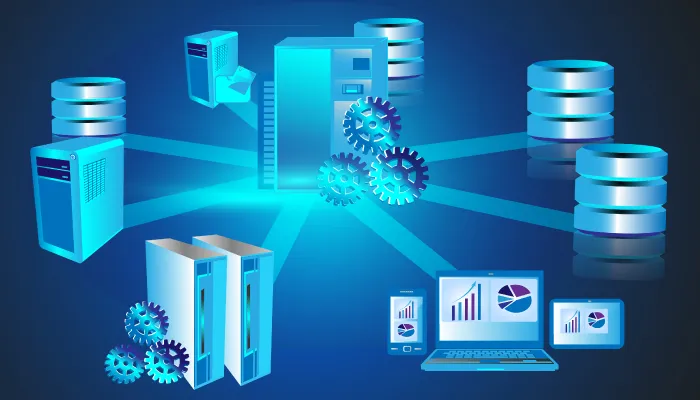
A DBMS (Database Management System) is software that acts as the bridge between users and the database.
Instead of manually handling raw data files, a DBMS allows you to:
- Store structured data
- Retrieve information instantly
- Update records without breaking the system
- Ensure data security and consistency
Without a DBMS, handling large-scale data would be chaotic and nearly impossible.
Evolution of Databases: Then vs Now
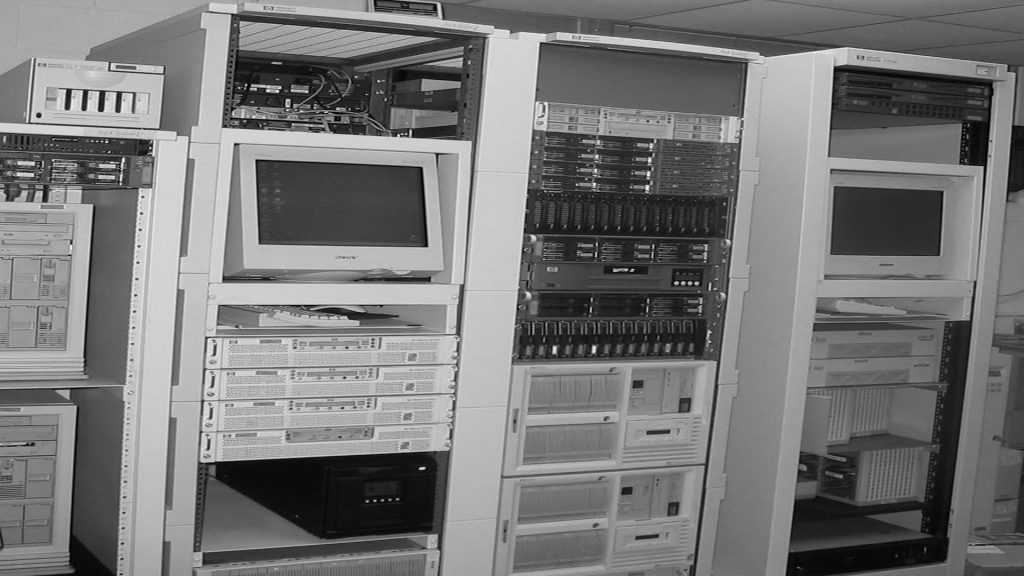
Databases have evolved significantly over the years:
Earlier Systems
- Stored on local servers
- Limited scalability
- Manual optimization required
Modern Systems (2026)
- Cloud-native and distributed
- Auto-scaling and self-healing
- AI-powered optimization
- Global availability
This evolution is why learning modern database concepts is more important than ever.
Types of Databases You Must Know
Relational Databases (SQL-Based)
These are the most structured type of databases, where data is stored in tables with rows and columns.
They follow strict rules, ensuring accuracy and consistency.
Common examples include:
- MySQL
- PostgreSQL
- Oracle Database
They are best suited for applications where relationships between data matter, such as banking systems or ERP software.
NoSQL Databases
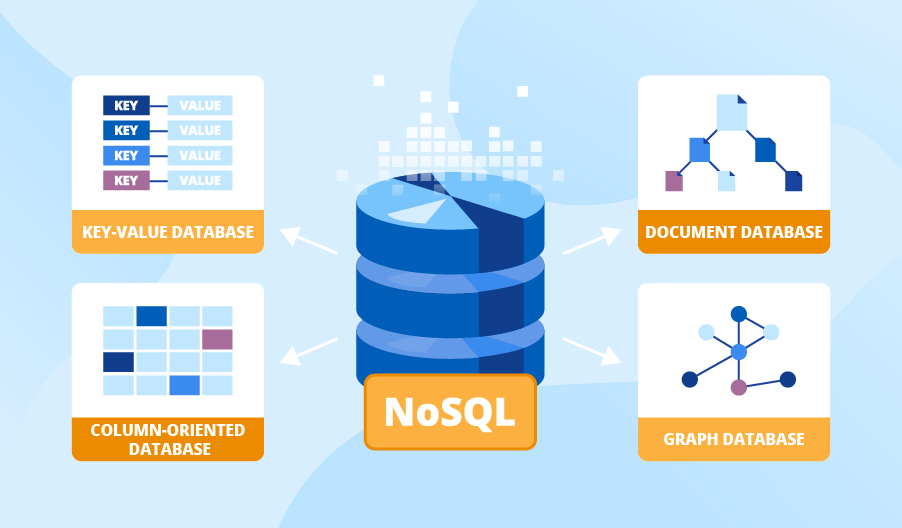
NoSQL databases were introduced to handle the limitations of traditional relational databases.
They are:
- Flexible in structure
- Highly scalable
- Designed for large, unstructured data
Different types include:
- Document databases (MongoDB)
- Key-value stores (Redis)
- Column-family databases (Cassandra)
- Graph databases (Neo4j)
These are widely used in real-time apps, analytics, and big data systems.
Cloud Databases
Cloud databases have become the default choice in 2026.
They provide:
- On-demand scalability
- High availability
- Reduced infrastructure cost
Popular cloud database platforms include:
- AWS RDS
- Google Cloud Firestore
- Azure SQL Database
They allow developers to focus more on building applications rather than managing servers.
Core Concepts Every Beginner Must Master
Before jumping into advanced topics, you need to understand these fundamentals clearly.
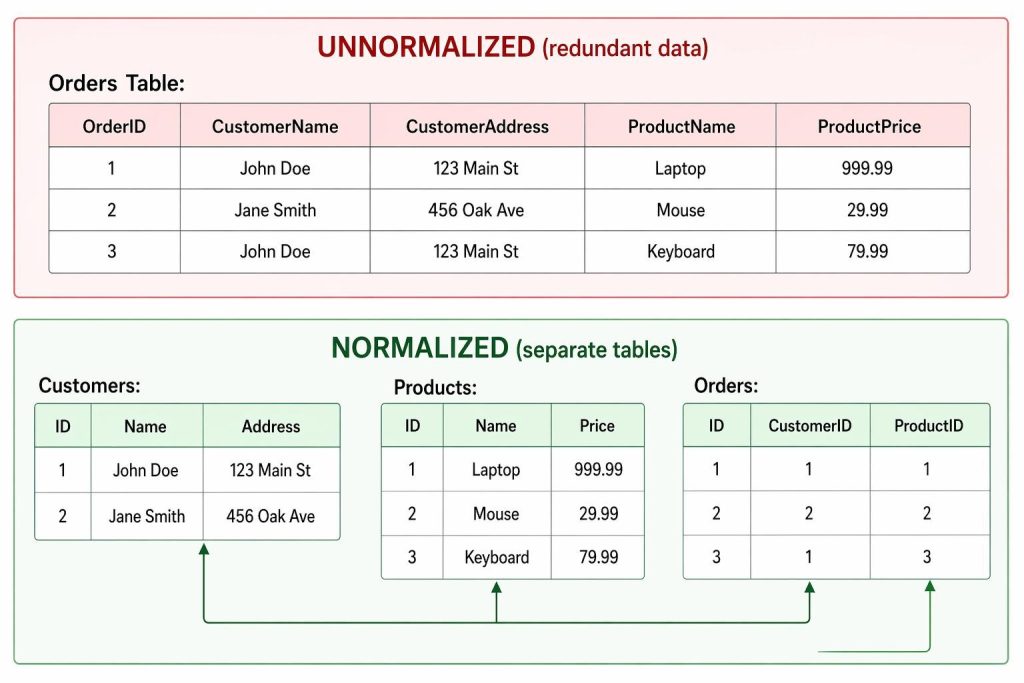
Tables, Rows, and Columns
Tables store your data, rows represent records, and columns define attributes.
Keys
Primary keys uniquely identify records, while foreign keys connect tables.
Relationships
Understanding how tables relate to each other is critical for designing efficient systems.
Indexing
Indexes improve query performance significantly, especially when dealing with large datasets.
Normalization
This process removes redundancy and ensures data consistency.
SQL: The Language of Databases
SQL (Structured Query Language) is the standard language used to interact with relational databases.
It allows you to communicate with your database in a structured way.
Instead of memorizing everything, focus on understanding how SQL works logically.
For example:
SELECT name, email FROM Users WHERE active = 1;This simple query filters and retrieves active users.
As you progress, you’ll learn:
- Joins (combining multiple tables)
- Aggregations (COUNT, SUM, AVG)
- Subqueries
- Stored procedures
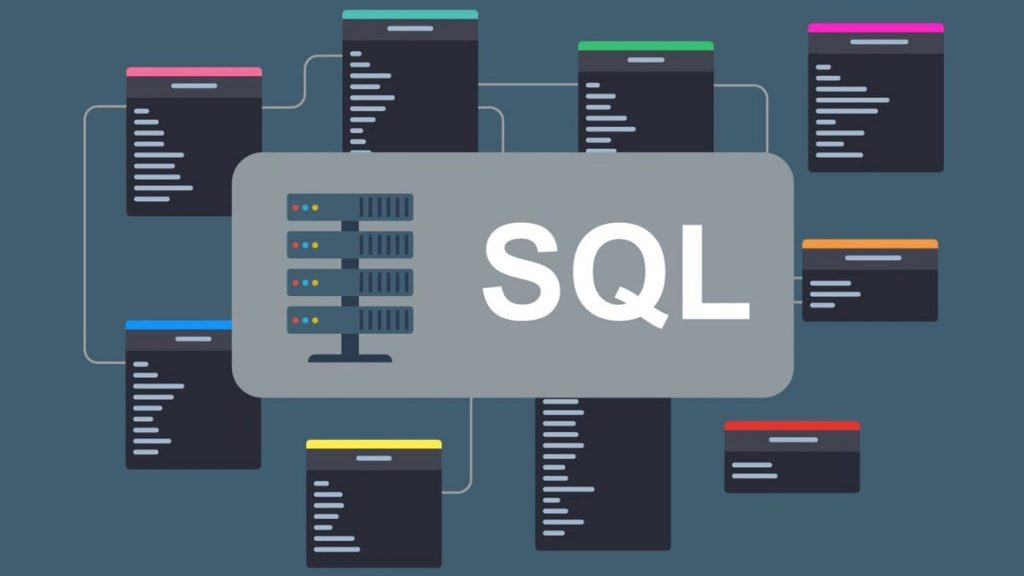
Database Design: The Secret to Performance
One of the biggest mistakes beginners make is ignoring database design.
A poorly designed database will:
- Slow down your application
- Cause duplicate data
- Increase maintenance complexity
A well-designed database ensures:
- Faster queries
- Clean data structure
- Easy scalability
Good design involves thinking ahead—how your data will grow and how users will interact with it.
Transactions and Data Integrity
In real-world systems, data must always remain accurate and reliable.
This is where transactions come into play.
A transaction ensures that a set of operations either:
- Completes fully, or
- Doesn’t happen at all
This is defined by ACID properties:
- Atomicity
- Consistency
- Isolation
- Durability
These principles are critical in systems like banking and e-commerce.
Security in Database Management

With increasing cyber threats, database security is a top priority in 2026.
Key practices include:
- Strong authentication and authorization
- Encryption of sensitive data
- Regular backups
- Protection against SQL injection attacks
If you’re into cybersecurity, databases are one of the most important areas to secure.
Real-World Applications of Databases
Databases are everywhere. Literally.
In e-commerce, they manage orders and inventory.
In banking, they process transactions securely.
In healthcare, they store patient records.
In social media, they handle massive amounts of user-generated data.
Even a simple login page you build uses a database behind the scenes.
Modern Trends in Database Technology (2026)
The database landscape is evolving rapidly.
AI-Driven Databases
Databases can now optimize queries automatically and predict usage patterns.
Serverless Databases
No need to manage servers—everything is handled automatically.
Distributed Databases
Data is spread across multiple locations for better performance and reliability.
Edge Databases
Data is processed closer to the user, reducing latency.
Beginner Mistakes That Can Slow You Down
From experience, these are common issues:
- Jumping into tools without understanding basics
- Ignoring normalization
- Not using indexes properly
- Writing inefficient SQL queries
- Skipping backup strategies
Avoiding these mistakes will save you a lot of time.
Step-by-Step Roadmap to Master Database Management
If you’re serious about learning, follow this path:
Start with SQL fundamentals and practice daily. Build small projects like a user management system or blog backend. Move on to advanced SQL concepts like joins and indexing. Then explore NoSQL databases and understand when to use them.
Finally, learn cloud databases and deployment. That’s where real-world applications live today.
Final Thoughts
Database management is not just another skill—it’s a core pillar of modern technology. Once you truly understand it, everything else becomes easier, whether it’s backend development, data science, or cybersecurity.
In 2026, companies are not just looking for coders—they want developers who understand data.
So take your time, practice consistently, and most importantly, build projects. That’s how you move from beginner to pro.
Want Learn Cloud Computing Course, Cyber Security Course, Networking Course ?, Visit Our Website www.kaashivinfotech.com.