

Choosing the right final year project is an important step in every B.Tech student’s academic journey. A good project not only helps students demonstrate their technical knowledge but also improves their problem-solving, programming, teamwork, and practical development skills. In 2026, companies are increasingly looking for graduates who can develop real-world solutions using emerging technologies such as Artificial Intelligence (AI), Machine Learning (ML), Internet of Things (IoT), Blockchain, and Cloud Computing.
Instead of choosing common projects that have already been developed many times, students can explore innovative ideas that solve real-life problems. A unique final year project can also strengthen a student’s resume, create opportunities for internships, and provide a strong discussion point during technical interviews.
In this article, let’s explore six innovative final year project ideas for B.Tech students in 2026, including their objectives, technologies, and practical applications.
1. AI-Powered Multilingual Campus Assistant
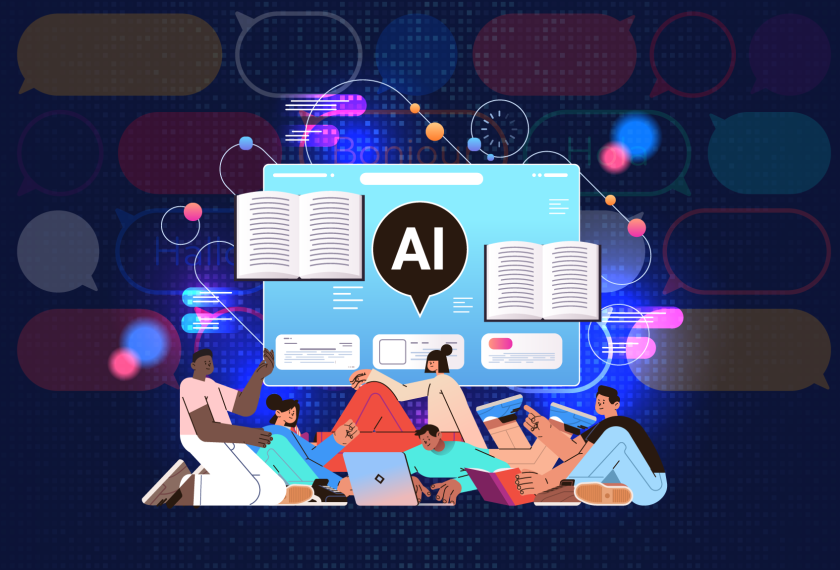
An AI-powered multilingual campus assistant is a useful project that helps students access college-related information through a chatbot. Students often spend time searching for information about attendance, examination schedules, fees, placement opportunities, department activities, and academic policies.
This project uses Artificial Intelligence and Natural Language Processing (NLP) to understand student questions and provide relevant answers. It can support multiple languages, including English and regional languages such as Tamil.
Main Features:
- AI chatbot for answering student queries.
- Multilingual question-and-answer support.
- Automated information retrieval from college documents.
- Student login and personalized responses.
- Admin dashboard to update college information.
Technologies Required: Python, Flask, React.js, NLP, Large Language Models (LLMs), MySQL, and a vector database.
Real-World Applications: Colleges, universities, educational institutions, and student support departments can use this system to reduce repetitive administrative work.
2. Smart Agriculture System Using AI and IoT
Agriculture plays an important role in India’s economy, but farmers face several challenges, including unpredictable weather, water shortages, crop diseases, and soil management problems. A smart agriculture system using AI and IoT can help farmers make better decisions through real-time monitoring.
This project uses IoT sensors to collect information about soil moisture, temperature, humidity, and environmental conditions. Machine Learning algorithms can analyse the collected information and recommend suitable irrigation schedules. An additional image recognition feature can identify common crop diseases from leaf photographs.
Main Features:
- Real-time soil moisture monitoring.
- Automatic irrigation based on soil conditions.
- Crop disease detection using AI.
- Weather-based irrigation recommendations.
- Mobile notifications and monitoring dashboard.
Technologies Required: Python, Machine Learning, ESP32, IoT sensors, OpenCV, Firebase, and React.js.
Real-World Applications: Smart farming, agricultural research centres, greenhouse management, and precision agriculture.
3. AI-Based Network Intrusion Detection System
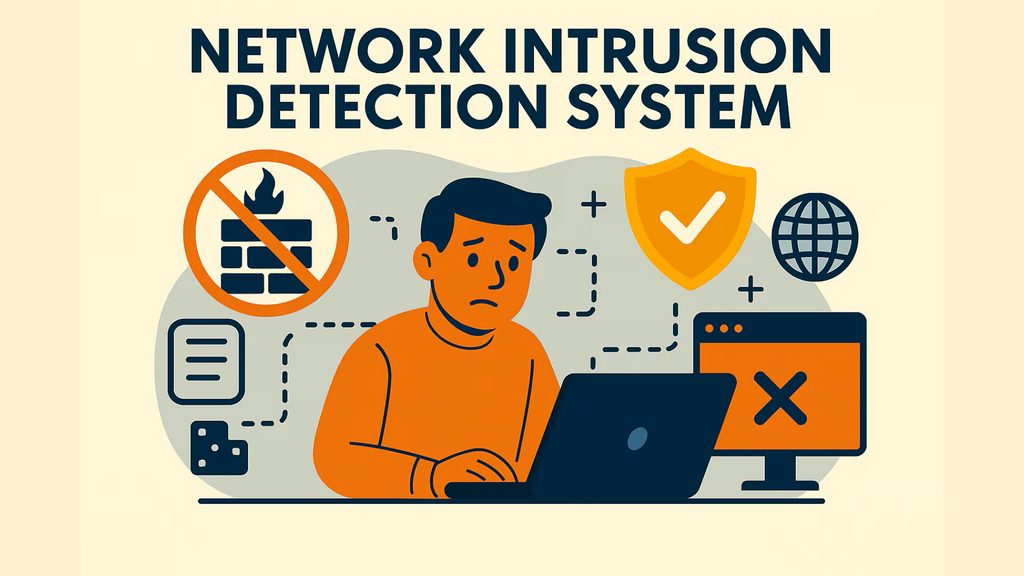
Cyberattacks are becoming more sophisticated, creating a growing need for intelligent network security solutions. An AI-based Network Intrusion Detection System (NIDS) is an interesting final year project for students interested in Cyber Security, Artificial Intelligence, and Networking.
The system monitors network traffic and analyses communication patterns to identify suspicious activities. Machine Learning algorithms classify network traffic as normal or potentially malicious. The dashboard displays detected threats, suspicious IP addresses, attack categories, and security alerts.
Main Features:
- Real-time network traffic monitoring.
- Detection of suspicious network activities.
- Identification of common attack patterns.
- Automated security alerts.
- Graphical dashboard for analysing network threats.
Technologies Required: Python, Scikit-learn, Wireshark, Scapy, Flask, Pandas, and MySQL.
Real-World Applications: IT companies, security operation centres, financial institutions, educational networks, and enterprise security teams.
Students can use public datasets such as CICIDS2017 to train and evaluate their Machine Learning models.
4. Blockchain-Based Agricultural Supply Chain Tracking
Supply chain transparency is important for ensuring product quality and building customer trust. However, tracking agricultural products from farms to retailers can be challenging because information is often stored across different systems.
A blockchain-based agricultural supply chain tracking system helps maintain a transparent record of product movement. Each stage, including harvesting, packaging, transportation, and delivery, can be recorded on a blockchain network.
Customers can scan a QR code to view the product’s available origin and transportation details.
Main Features:
- Digital registration of agricultural products.
- Blockchain-based transaction records.
- QR code generation for product tracking.
- Farmer, distributor, and retailer management.
- Product origin and transportation verification.
Technologies Required: Solidity, Ethereum, Web3.js, React.js, Node.js, IPFS, and MongoDB.
Real-World Applications: Agricultural businesses, food processing companies, supermarkets, pharmaceutical supply chains, and logistics organisations.
This project helps students understand blockchain technology, smart contracts, decentralised applications, and secure data management.
5. AI-Based Sign Language to Text and Speech Converter

Communication can be challenging for people who use sign language when interacting with individuals who do not understand it. An AI-based sign language converter aims to reduce this communication gap through computer vision and Deep Learning.
The system captures hand gestures using a webcam and analyses hand movements to recognise predefined sign language gestures. Once a gesture is identified, the application converts it into readable text and can generate speech output.
Students can initially develop the project for a limited vocabulary and gradually expand it to recognise more gestures.
Main Features:
- Real-time hand gesture recognition.
- Sign language conversion into text.
- Text-to-speech functionality.
- Webcam-based gesture detection.
- User-friendly interface for communication.
Technologies Required: Python, TensorFlow, OpenCV, MediaPipe, NumPy, and Flask.
Real-World Applications: Educational institutions, accessibility applications, public service centres, and communication assistance platforms.
This project is particularly useful for students interested in Artificial Intelligence, Deep Learning, and computer vision.
6. Smart Energy Consumption Prediction and Management System
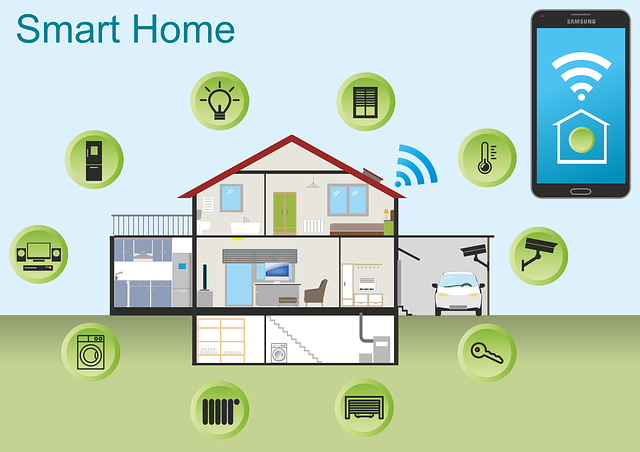
Electricity consumption is increasing in residential buildings, offices, industries, and educational institutions. Monitoring energy usage and identifying unnecessary consumption can help reduce electricity expenses.
A smart energy consumption prediction system uses IoT devices to collect electricity usage information and Machine Learning algorithms to predict future consumption patterns.
The application provides a dashboard showing daily, weekly, and monthly electricity usage. It can also identify unusual consumption patterns and notify users when energy usage exceeds a predefined limit.
Main Features:
- Real-time electricity consumption monitoring.
- Daily and monthly usage reports.
- Machine Learning-based energy prediction.
- Unusual consumption alerts.
- Suggestions for reducing electricity usage.
Technologies Required: Python, Machine Learning, ESP32, smart energy sensors, MQTT, Firebase, and React.js.
Real-World Applications: Smart homes, commercial buildings, manufacturing industries, colleges, and energy management companies.
This project combines IoT, Cloud Computing, and Data Analytics to create an intelligent energy management solution.
How to Choose the Best Final Year Project?
Selecting the right project is just as important as developing it. Before finalising a topic, students should consider their technical knowledge, available resources, project duration, and career interests.
Here are some important factors to consider:
- Choose Your Domain: Select a technology that matches your interests, such as AI, Machine Learning, Cyber Security, IoT, Blockchain, or Full Stack Development.
- Identify a Real Problem: Choose a project that addresses an actual problem instead of developing an application without a clear purpose.
- Check Technical Requirements: Understand the required programming languages, frameworks, software, hardware components, and datasets.
- Plan the Development: Divide the project into smaller modules and establish realistic development milestones.
- Focus on Practical Implementation: Build a working prototype and test it with different scenarios.
- Prepare Documentation: Maintain project documentation, source code, testing results, architecture diagrams, and presentation materials.
Conclusion
Final year projects provide B.Tech students with an opportunity to transform their theoretical knowledge into practical technical solutions. The six project ideas discussed in this article cover emerging technologies such as Artificial Intelligence, Machine Learning, IoT, Blockchain, and Cyber Security.
Students should select a project based on their interests, technical skills, and available resources. Rather than simply copying an existing project, try to introduce additional features, improve performance, or solve a specific real-world problem.
A well-developed final year project can strengthen your technical portfolio, improve your problem-solving abilities, and help you prepare for internship and placement opportunities in 2026.
Want to Learn More About Python & Artificial Intelligence ???, Kaashiv Infotech Offers Full Stack Python Course, Artificial Intelligence Course, Data Science Course & More Visit Their Website course.kaashivinfotech.com.