Artificial Intelligence vs Human Intelligence: A Deep Dive into Minds Made and Minds Born
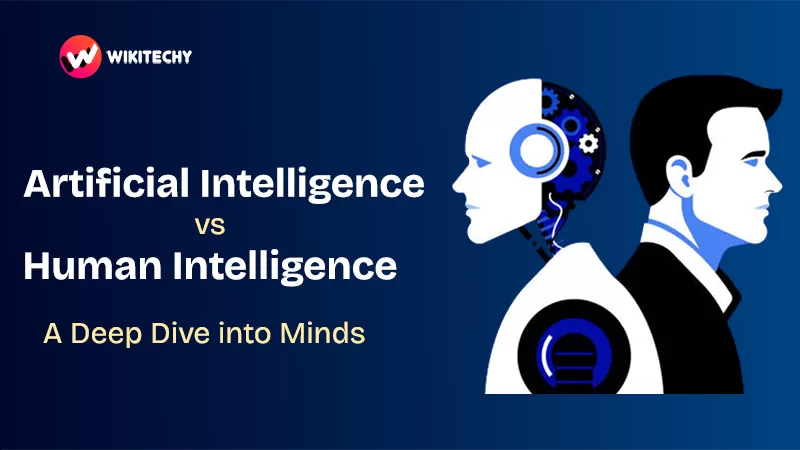
Artificial Intelligence vs Human Intelligence – Artificial Intelligence (AI) has moved from science fiction into our everyday lives. From voice assistants and recommendation systems to self-driving cars and medical diagnosis tools, AI is everywhere. This rapid growth naturally raises an important question: How does Artificial Intelligence compare to Human Intelligence?
While AI can process data at lightning speed, humans bring creativity, emotions, and moral judgment to the table. In this article, we’ll explore the differences, strengths, limitations, and future of Artificial Intelligence vs Human Intelligence in a clear and practical way.
What Is Artificial Intelligence?
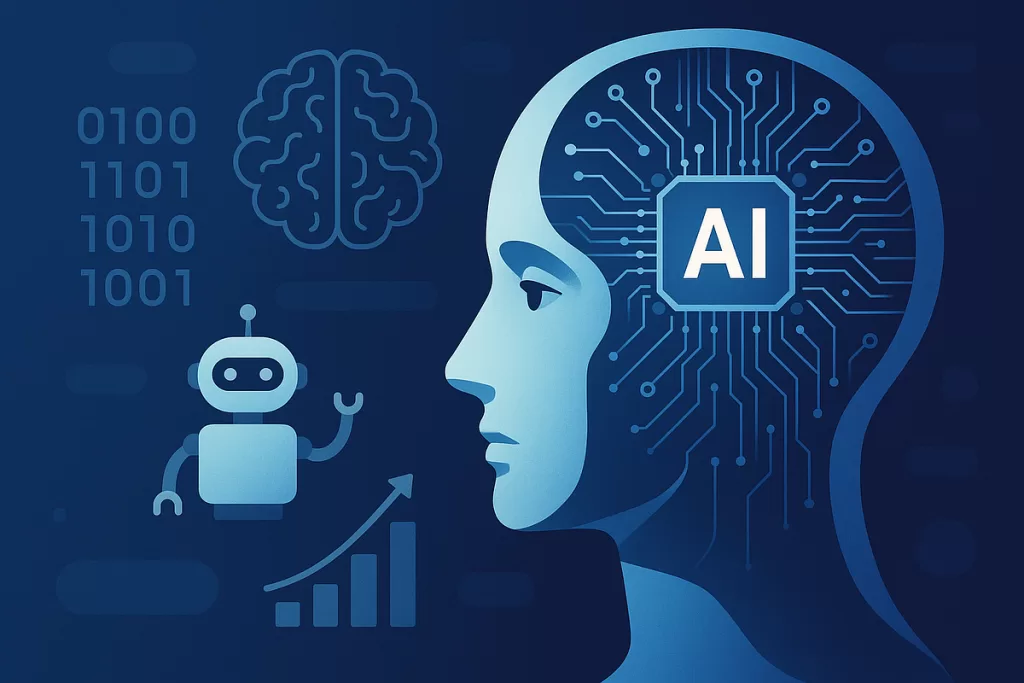
Artificial Intelligence refers to the ability of machines or software systems to perform tasks that normally require human intelligence. These tasks include learning from data, recognizing patterns, making decisions, and solving problems.
AI systems are typically powered by:
- Machine Learning (ML)
- Deep Learning
- Neural Networks
- Natural Language Processing (NLP)
Examples of AI in real life include chatbots, facial recognition systems, fraud detection software, and recommendation engines used by platforms like Netflix and Amazon.
What Is Human Intelligence?
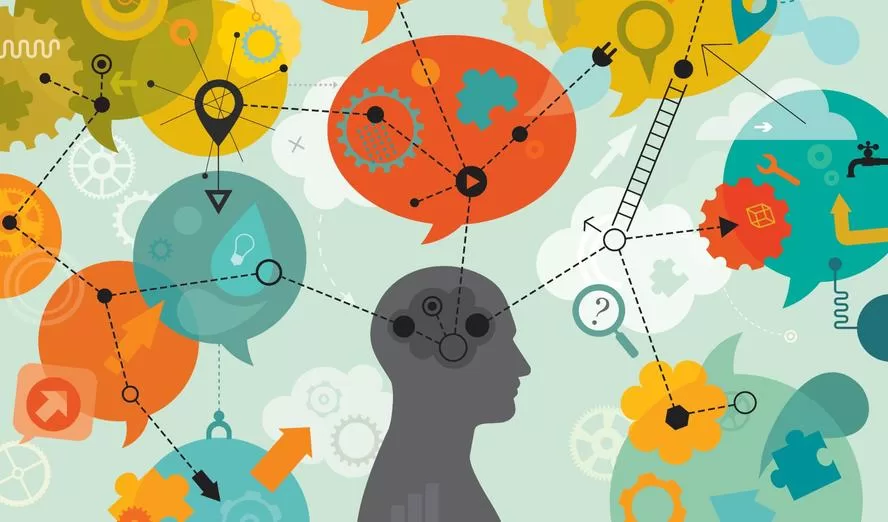
Human Intelligence is the natural cognitive ability of humans to think, reason, learn, understand emotions, and adapt to new situations. It is shaped by biology, experience, culture, emotions, and social interactions.
Human intelligence involves:
- Logical reasoning
- Emotional intelligence
- Creativity and imagination
- Moral and ethical decision-making
- Conscious awareness
Unlike AI, human intelligence evolves continuously through life experiences and personal growth.
Key Differences Between Artificial Intelligence and Human Intelligence
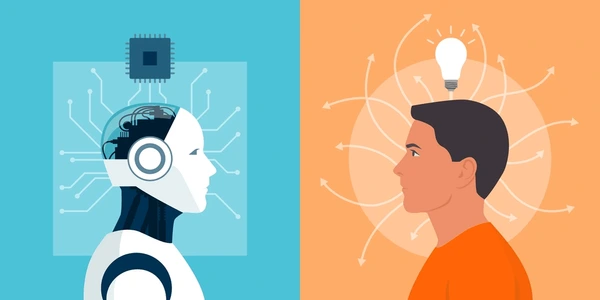
1. Learning Ability
AI learns from large datasets and predefined algorithms. It improves through training but depends heavily on the quality of data provided.
Humans learn through experiences, observation, emotions, mistakes, and intuition, even without structured data.
2. Speed and Accuracy
AI can analyze massive amounts of data within seconds and perform repetitive tasks with high accuracy.
Humans are slower in processing large datasets but excel in understanding context and nuance.
3. Creativity
AI can generate music, art, and text, but it does so by analyzing existing patterns.
Humans create original ideas driven by imagination, emotions, and personal experiences.
4. Emotional Intelligence
AI can recognize emotions using data patterns but does not truly feel them.
Humans experience empathy, compassion, fear, joy, and emotional depth, which guide decision-making.
5. Decision-Making
AI makes decisions based on logic, probability, and data models.
Humans combine logic with emotions, ethics, instincts, and moral values.
Artificial Intelligence vs Human Intelligence: Comparison Table
| Aspect | Artificial Intelligence | Human Intelligence |
|---|---|---|
| Origin | Man-made | Natural |
| Learning | Data-driven | Experience-driven |
| Emotions | No real emotions | Deep emotional understanding |
| Creativity | Pattern-based | Original and imaginative |
| Adaptability | Limited to training | Highly adaptable |
| Ethical Judgment | Rule-based | Value-based |
Strengths of Artificial Intelligence

- Works 24/7 without fatigue
- Processes large datasets efficiently
- Reduces human error in repetitive tasks
- Improves productivity and automation
- Useful in dangerous or complex environments
AI is especially powerful in fields like healthcare, finance, cybersecurity, manufacturing, and space research.
Strengths of Human Intelligence
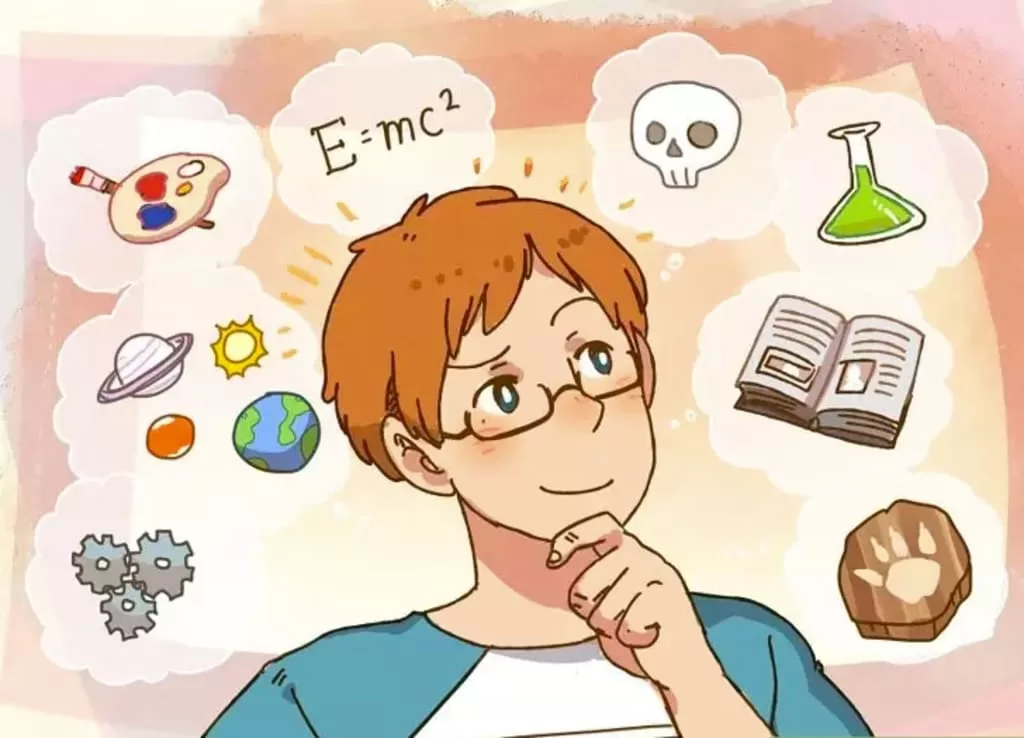
- Ability to think abstractly and creatively
- Emotional understanding and empathy
- Ethical reasoning and moral responsibility
- Adaptability to unexpected situations
- Social and cultural awareness
Humans excel in leadership, innovation, storytelling, teaching, and complex decision-making.
Limitations of Artificial Intelligence

Despite its power, AI has limitations:
- Lacks common sense and true understanding
- Depends entirely on data and algorithms
- Cannot think independently or consciously
- Raises ethical concerns like bias and privacy
- Cannot replace human emotions or values
AI systems can fail when faced with unfamiliar or ambiguous situations.
Can AI Replace Human Intelligence?
AI is not designed to fully replace human intelligence but to augment it. While AI can outperform humans in specific tasks like calculations or pattern recognition, it cannot replicate consciousness, emotions, or moral judgment.
The future lies in human-AI collaboration, where machines handle repetitive and data-heavy tasks, and humans focus on creativity, strategy, and ethical decision-making.
The Future of AI and Human Intelligence
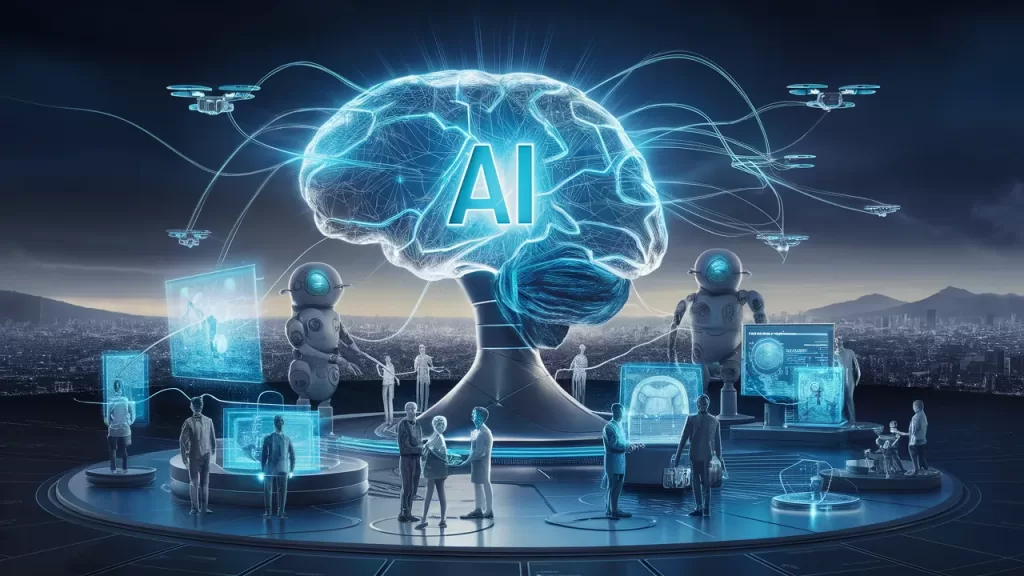
As AI continues to evolve, the relationship between humans and machines will become more collaborative. Instead of asking “AI vs Humans,” the real question is “How can AI and humans work together?”
Fields like education, healthcare, and research will benefit the most when human intelligence guides AI tools responsibly.
Final Thoughts:
Artificial Intelligence vs Human Intelligence are fundamentally different, yet equally important. AI brings speed, efficiency, and precision, while humans contribute creativity, emotions, ethics, and wisdom.
Rather than competing, the future depends on combining the strengths of both. When used wisely, AI becomes a powerful tool that enhances human potential—not replaces it.
Want to Learn More About Python & Artificial Intelligence ???, Kaashiv Infotech Offers Full Stack Python Course, Artificial Intelligence Course, Data Science Course & More Visit Their Website course.kaashivinfotech.com.
Related Reads: