Business Intelligence vs Data Science: 7 Major Distinctions, Skills & Remunerations in 2026
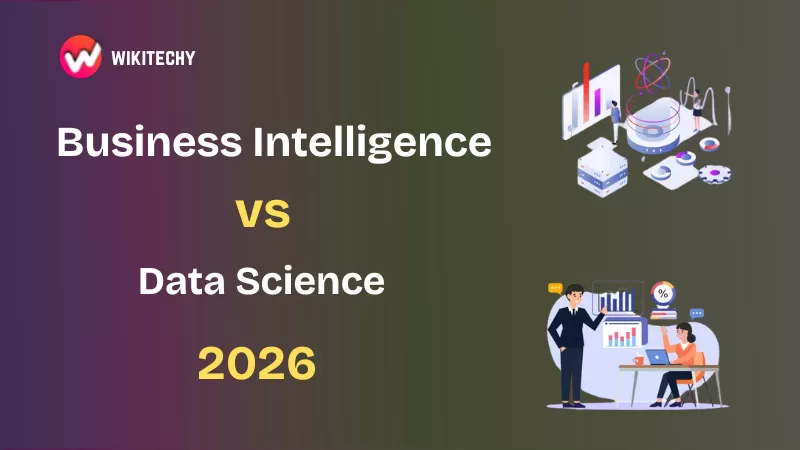
Distinction between BI and Data Science. BI and Data Science difference.
However, when I first entered the field of data, I sincerely believed that Business Intelligence and Data Science were two titles for the same job. Spoiler alert: they’re not.
I learned this the hard way — five weeks after leaving my university bed, endlessly watching YouTube videos, comparing salaries, and wondering why data scientists always seemed to earn more than BI analysts.
So, let me save you from that confusion.
In this guide, I’m going to break down the BI and Data Science difference in plain English — no buzzwords, no textbook explanations. I’ll share what I’ve personally seen in real projects, salary realities in India, the skills you actually need, and which career path makes sense in 2026.
If you want clarity — not complexity — you’re in the right place 😊
The Distinction Between BI and Data Science: Why This Question Even Exists 🤔
The distinction between BI and Data Science confuses people because both revolve around data. Both use charts. Both sound technical. And both promise good salaries.
But here’s what I learned while working on real dashboards and predictive models:
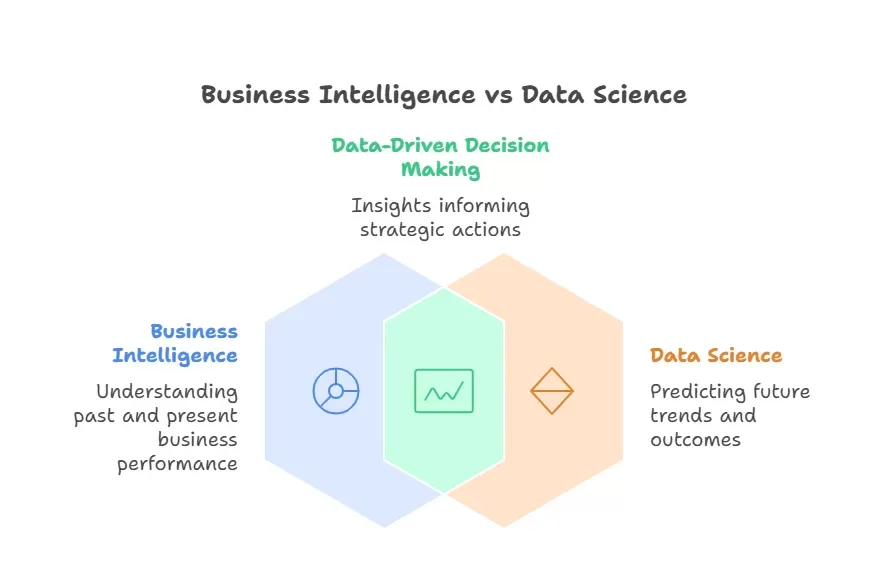
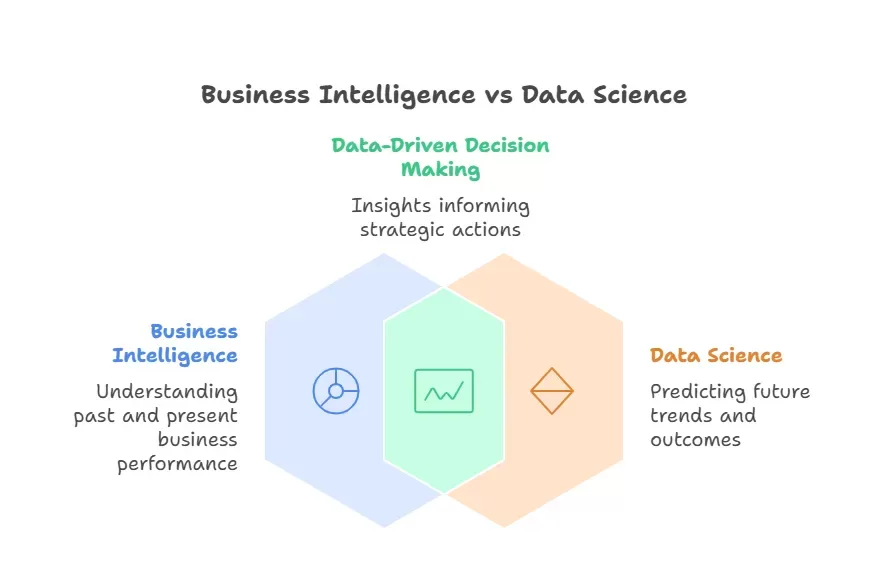
- BI looks at the past and the present
- Data Science looks into the future 🔮
That one line explains a lot.
Still, let’s slow down and understand them properly.
What Does Business Intelligence Mean?
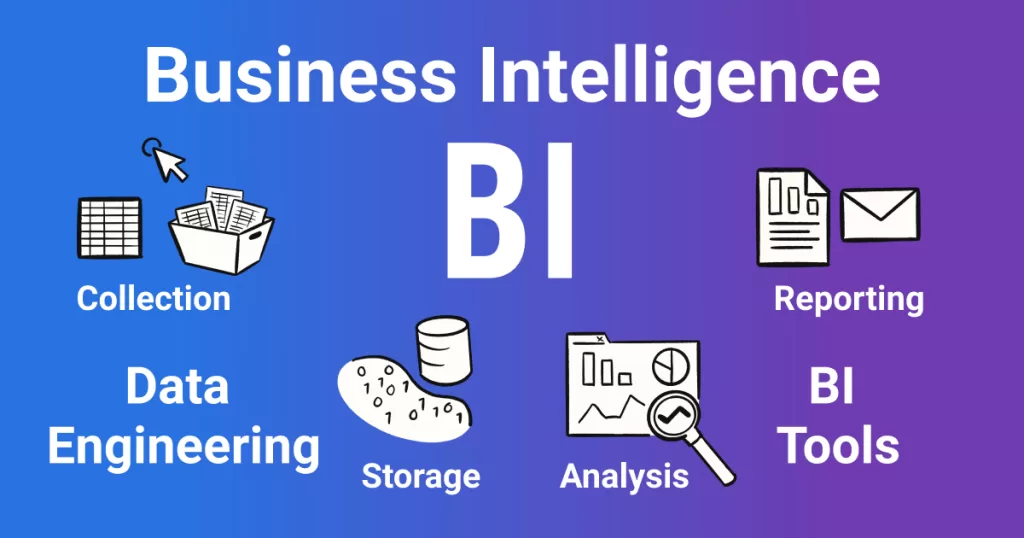
On my very first BI project, my role sounded simple (but it really wasn’t):
- Pull data from databases
- Clean the data
- Build dashboards
- Explain what happened to business teams
That, in a nutshell, is Business Intelligence.
Business Intelligence (BI)
Business Intelligence helps organizations understand past and current performance.
BI answers questions like:
- Why did sales drop last quarter?
- Which region performed best?
- What happened after we launched that campaign?
Most BI work revolves around:
- Structured data
- Dashboards
- Reports
- KPIs
And yes — decision-makers love BI because it provides quick clarity.
Tools I personally used or saw teams use:
- Power BI
- Tableau
- SQL
- Excel (still everywhere!)
If you enjoy storytelling with data and working closely with business teams, BI just feels… comfortable 😌
What Is Data Science?
Data Science was a completely different experience.
I wasn’t just explaining what had happened anymore. Instead, I was asked:
Can we predict what will happen next?
That’s where Data Science comes in.
Data Science — In Simple Words
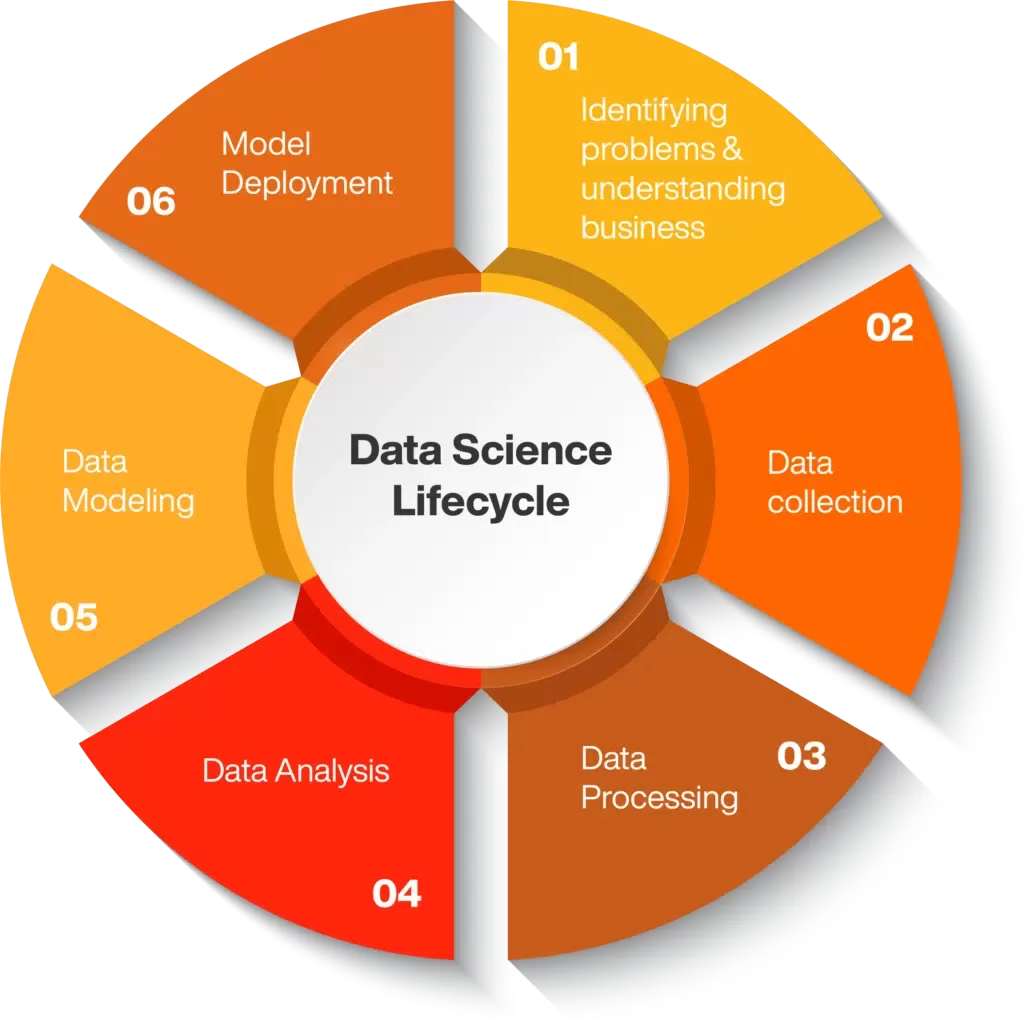
Data Science uses statistics, programming, and machine learning to:
- Predict outcomes
- Discover hidden patterns
- Automate decisions
Typical Data Science questions include:
- Which customers are likely to churn?
- Which product will sell more next month?
- How can we reduce fraud automatically?
Compared to BI, Data Science works with:
- Structured and unstructured data
- Algorithms
- Models
- Experiments
Common tools:
- Python 🐍
- R
- Machine learning libraries
- Big data tools
Comparison Between BI and Data Science
Let’s talk about real distinctions — not marketing slogans.
1️⃣ Distinction Between BI and Data Science: Type of Data Used
- BI: Mostly structured data (tables, rows, columns)
- Data Science: Structured, semi-structured, and unstructured data (text, images, logs)
Real-life example:
- BI analyzes sales numbers
- Data Science analyzes sales numbers + customer reviews + website traffic
2️⃣ BI vs Data Science Difference: Nature of Analysis
This is the biggest gap.
- BI: Descriptive — What happened? Why did it happen?
- Data Science: Predictive & prescriptive — What will happen? What should we do?
Think of BI as a rear-view mirror 🚗
Think of Data Science as a GPS with predictions 🛰️
3️⃣ BI vs Data Science Skills: Tools That Actually Matter
Let’s be honest — tools matter.
BI vs Data Science Skills (Tools Comparison)
BI skills:
- SQL
- Power BI / Tableau
- Excel
- Data modeling
Data Science skills:
- Python / R
- Statistics
- Machine learning
- Data cleaning
This BI vs Data Science skills gap is one major reason behind the salary difference.
4️⃣ BI vs Data Science Difference: Output
- BI outputs: Dashboards, reports, charts
- Data Science outputs: Models, predictions, probabilities
Business teams usually understand BI outputs instantly.
Data Science outputs? They often need explanation — and trust.
5️⃣ Distinction Between BI and Data Science: Data Processing
- BI: ETL (Transform first, then analyze)
- Data Science: ELT (Load first, explore later)
This flexibility allows data scientists to experiment more freely.
BI vs Data Science Skills: What You Really Need to Learn 🧠
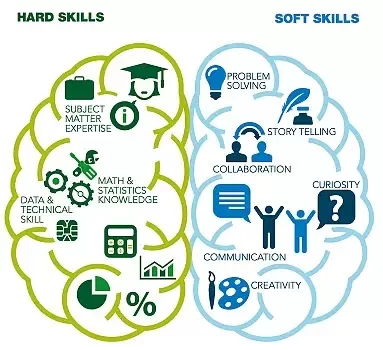
You don’t need to learn everything — let me be very clear.
BI vs Data Science Skills for BI Roles
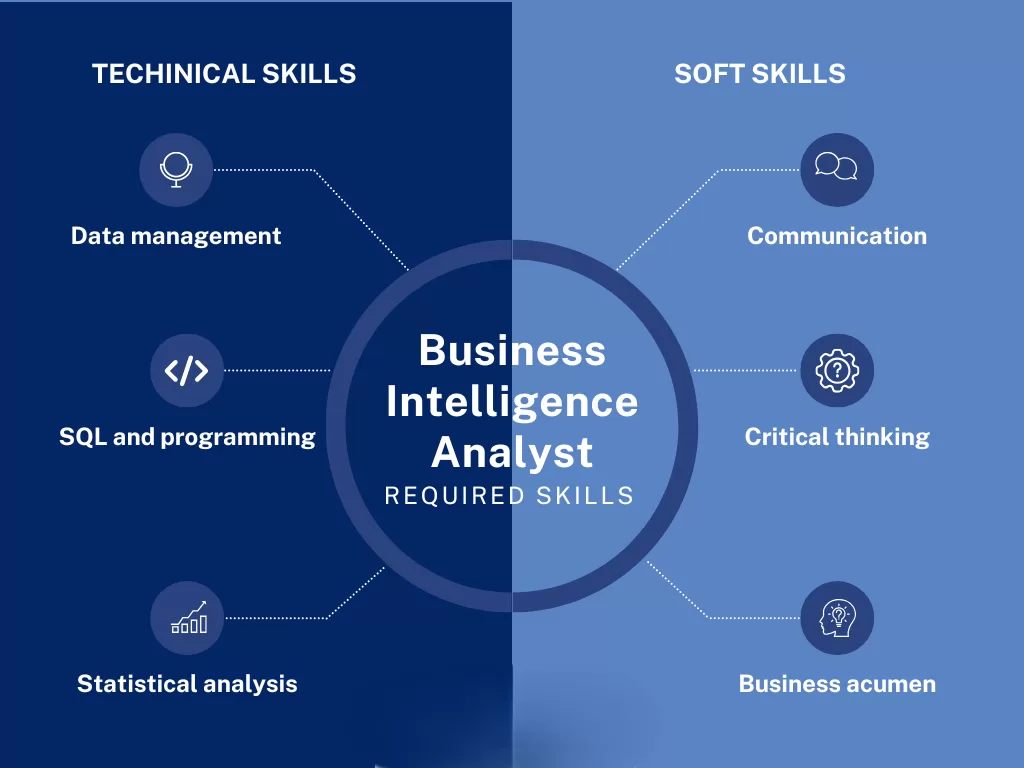
If BI is your path, focus on:
- SQL (non-negotiable)
- Power BI or Tableau
- Business thinking
- Communication skills
If you can clearly explain data, you’ll shine ✨
BI vs Data Science Skills for Data Science Roles
If Data Science excites you:
- Python
- Statistics (yes, math matters here)
- Machine learning basics
- Curiosity
You’ll spend more time debugging than visualizing — you’ve been warned 😄
BI vs Data Science: Salary in India – 2026 Reality 💰
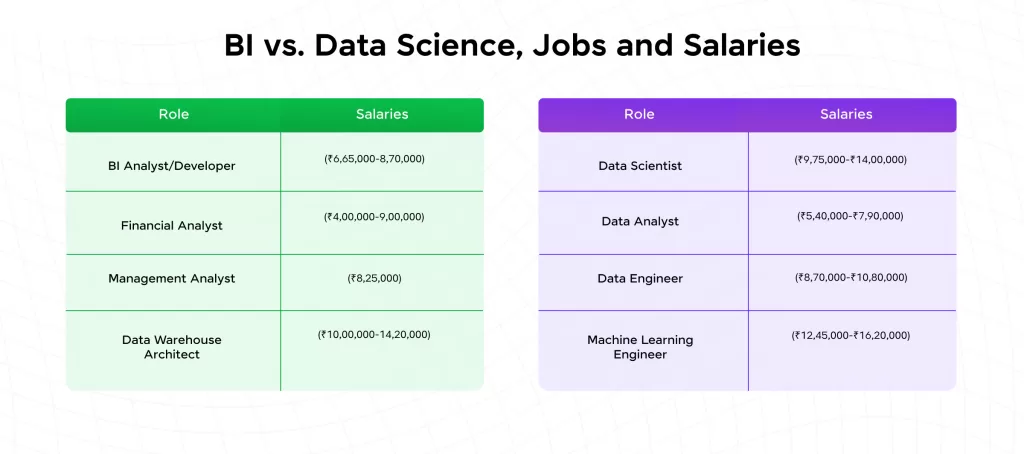
Based on market trends and what I’ve personally observed:
BI Salaries (India)
- BI Analyst: ₹6–9 LPA
- BI Developer: ₹8–12 LPA
Data Science Salaries
- Data Scientist: ₹10–15 LPA
- ML Engineer: ₹12–18 LPA
Yes, Data Science pays more — but it also demands more.
Which One Should You Choose?
Choose BI if you:
- Love dashboards
- Enjoy explaining insights
- Like business discussions
Choose Data Science if you:
- Love problem-solving
- Enjoy coding
- Want to build future-focused solutions
It’s not about a better option — it’s about the right fit.
Final Thoughts
When I look back at my own journey, the difference between BI and Data Science was never about which role was “better.” It was about fit. Business Intelligence helped me understand the story behind numbers — what happened, why it mattered, and how leaders could act on it. Data Science, on the other hand, pushed me to think ahead, experiment more, and live with uncertainty while predicting what might come next. Both paths are powerful, and in the real world, they work best together. If you’re just starting out, don’t pressure yourself to choose perfectly. Pick the path that matches your curiosity today. Skills evolve, careers shift, and transitions are always possible. What matters most is starting — and staying curious as you grow.
Related Reads:
- Data Scientist Roadmap 2025: Skills, Tools & Career Steps You Can’t Ignore
- Data Analyst Explained in 1 Minute! – Kaashiv Infotech Data Analytics
- Data Analytics vs Data Science: 7 Key Differences Explained with Real Examples
- Mean Median Mode Formula for Data Science: 7 Powerful Insights Every Data Analyst/Scientist Must Know