Coding Canvas Guide: A Structured Path to Becoming a Better Programmer

Learning programming can often feel overwhelming, especially for beginners who are introduced to multiple concepts, languages, and tools at once. Many learners struggle not because programming is impossible to understand, but because they lack a structured learning framework. This is where the concept of a Coding Canvas becomes extremely valuable. A Coding Canvas is a visual and strategic framework that helps learners organize their programming knowledge, track their progress, and understand how different coding concepts connect with each other.
Instead of randomly learning syntax or copying code from tutorials, the Coding Canvas approach encourages a systematic and concept-driven learning process. By mapping programming fundamentals, logic building, problem solving, and project development into one structured model, learners can build strong foundations and gradually move toward advanced programming skills.
What is a Coding Canvas?

A Coding Canvas is a structured learning model that organizes the essential elements of programming into a visual or conceptual framework. It acts like a roadmap for developers, showing what to learn, how to learn it, and how different concepts relate to each other.
The idea is similar to frameworks used in business strategy or design thinking, where complex ideas are simplified into clear sections. In programming education, the Coding Canvas helps learners focus on key areas such as:
- Programming fundamentals
- Logical thinking and algorithms
- Coding practice
- Debugging skills
- Real-world project development
By organizing these elements into a single framework, the Coding Canvas prevents confusion and helps learners progress in a structured and confident manner.
Why Traditional Coding Learning Often Fails

Many beginners start learning programming through scattered tutorials, random YouTube videos, or incomplete courses. While these resources provide useful information, they often lack a clear learning pathway.
Some common problems include:
Information overload: Beginners are exposed to too many technologies at once, such as multiple programming languages, frameworks, and tools.
Lack of conceptual clarity: Learners focus on syntax instead of understanding the underlying programming logic.
No structured practice: Without consistent coding exercises, knowledge fades quickly.
Lack of project experience: Many learners complete tutorials but struggle to build real applications.
The Coding Canvas approach solves these issues by breaking programming education into clear, manageable stages.
Core Components of the Coding Canvas
A well-designed Coding Canvas typically includes several important components that guide the learning journey of a programmer.
1. Programming Fundamentals
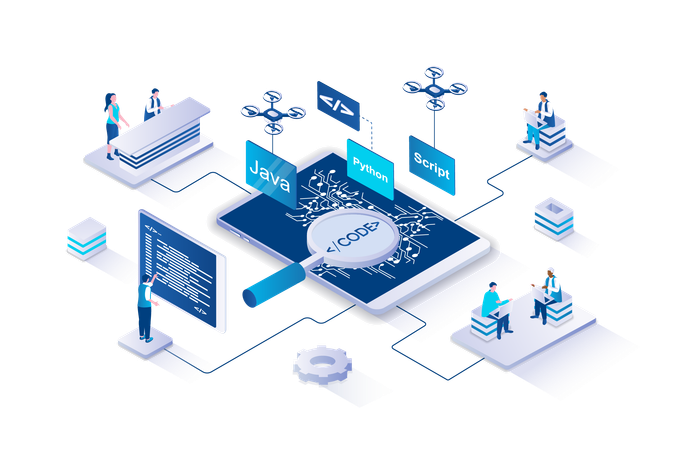
Every programmer must begin with the core fundamentals of programming. These concepts form the building blocks for all programming languages and technologies.
Important fundamentals include:
- Variables and data types
- Conditional statements
- Loops and iteration
- Functions and methods
- Arrays and data structures
- Input and output handling
Instead of memorizing syntax, learners should focus on understanding the logic behind these concepts. Once the fundamentals are clear, learning any programming language becomes significantly easier.
2. Logical Thinking and Problem Solving
Programming is not just about writing code; it is about solving problems logically. Logical thinking allows developers to break down complex problems into smaller steps.
Within the Coding Canvas, learners practice:
- Algorithm design
- Flowcharts and pseudocode
- Pattern recognition
- Computational thinking
By strengthening logical thinking skills, programmers can approach coding challenges with confidence and creativity.
3. Coding Practice and Implementation
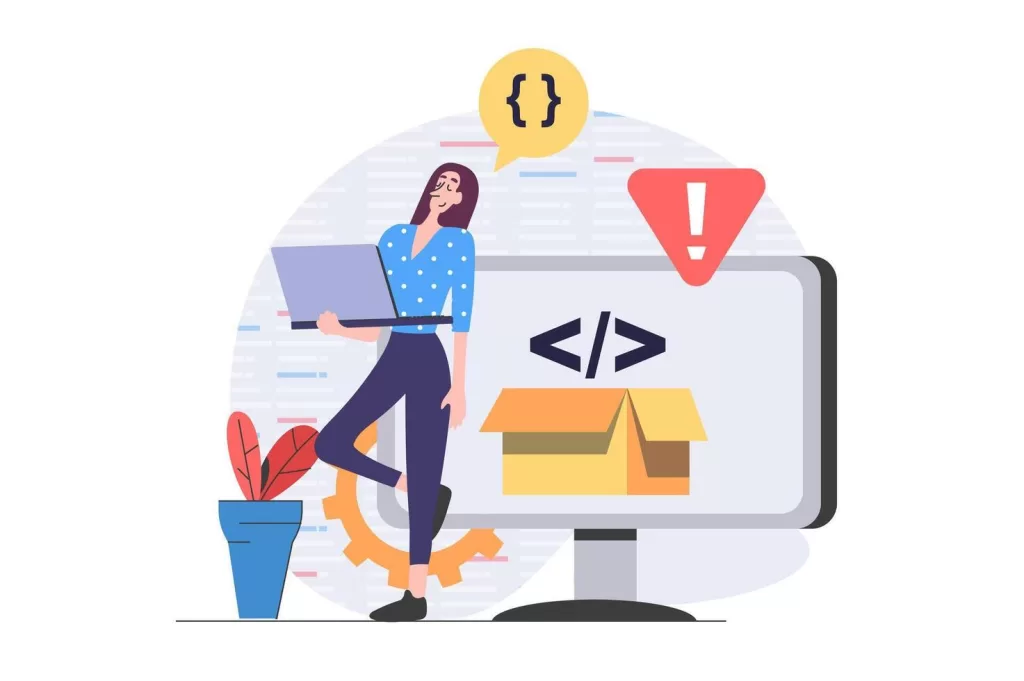
Learning theory alone is not enough in programming. Practical coding is essential to transform knowledge into real skills.
A Coding Canvas encourages consistent practice through:
- Coding challenges
- Small programming exercises
- Debugging tasks
- Code optimization practice
Regular implementation helps learners develop muscle memory for coding patterns, which improves speed and accuracy.
4. Debugging and Error Handling
Debugging is one of the most important yet often overlooked programming skills. Beginners frequently encounter errors and become frustrated because they do not know how to diagnose problems.
The Coding Canvas includes debugging as a key learning component by encouraging:
- Reading error messages carefully
- Using debugging tools
- Testing code step by step
- Understanding common programming mistakes
By learning how to debug effectively, developers become more confident and independent problem solvers.
5. Real-World Project Development

Projects are where programming knowledge truly comes to life. The Coding Canvas emphasizes building real applications rather than just completing exercises.
Projects allow learners to:
- Combine multiple programming concepts
- Understand real-world development workflows
- Practice version control and collaboration
- Build a strong developer portfolio
Examples of beginner-friendly projects include:
- To-do list applications
- Simple calculators
- Blog websites
- Data visualization tools
As learners progress, they can move toward more advanced projects such as web applications, machine learning models, or mobile apps.
Benefits of the Coding Canvas Approach
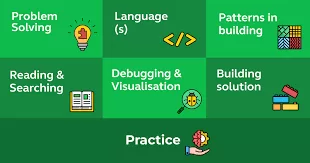
Adopting a Coding Canvas framework offers several advantages for both beginners and experienced developers.
Structured Learning Path
The Coding Canvas removes confusion by providing a clear roadmap of what to learn and when to learn it.
Better Concept Retention
Because concepts are organized and connected, learners can remember them more effectively.
Strong Problem-Solving Skills
The framework emphasizes logic and algorithmic thinking, which are essential for real programming challenges.
Increased Motivation
Tracking progress within a structured framework helps learners stay motivated and consistent.
Portfolio Development
By focusing on projects, the Coding Canvas naturally leads to a strong portfolio that can help during job applications.
How to Create Your Own Coding Canvas
Creating a personal Coding Canvas is simple and can be done using a notebook, digital whiteboard, or productivity tools.
Step 1: Choose a Programming Language
Start with a beginner-friendly language such as Python, JavaScript, or Java.
Step 2: Map the Fundamentals
List all the essential programming concepts that you need to learn.
Step 3: Plan Practice Activities
Add coding exercises, algorithm challenges, and debugging tasks.
Step 4: Include Project Milestones
Define small projects that gradually increase in complexity.
Step 5: Track Progress
Regularly update your Coding Canvas as you learn new concepts and complete projects.
This process transforms coding from a random learning journey into a clear and measurable development path.
Coding Canvas for Different Learning Levels
The Coding Canvas framework can be adapted depending on the learner’s experience level.
Beginners focus on programming fundamentals, basic problem solving, and small projects.
Intermediate learners expand into data structures, algorithms, and larger applications.
Advanced developers integrate system design, performance optimization, and scalable architectures.
This flexibility makes the Coding Canvas suitable for anyone who wants to learn programming in a structured and efficient way.
Conclusion
Programming is a skill that requires both conceptual understanding and consistent practice. Without a clear learning structure, many beginners struggle to connect the dots between theory and real-world coding.
The Coding Canvas approach solves this problem by providing a structured, visual, and strategic framework for learning programming. By organizing key areas such as programming fundamentals, logical thinking, practice, debugging, and project development, learners can progress in a clear and confident manner.
Whether you are a beginner starting your coding journey or an experienced developer refining your skills, adopting a Coding Canvas framework can help you learn faster, think more logically, and build meaningful programming projects.
Want to Learn More ? Kaashiv Infotech Offers Full Stack Python Course, Artificial Intelligence Course, Data Science Course & More Visit Their Website course.kaashivinfotech.com.
Related Reads: