What Are the Different Roles in a Product-Based Company? (In-Depth 2026 Guide)

Product-based companies are the backbone of today’s technology-driven world. Unlike service-based firms that build solutions for clients, product companies focus on creating their own products, improving them continuously, and scaling them to reach millions (or even billions) of users.
Organizations like Google, Apple, Microsoft, Amazon, and Netflix operate with a strong product mindset—where every role contributes to building a product that delivers value, solves problems, and creates meaningful user experiences.
This detailed guide explores all the major roles in a product-based company, how they function, and how they collaborate throughout the product lifecycle.
What Is a Product-Based Company?

A product-based company develops and owns its products. These could be:
- Software applications (like operating systems or SaaS platforms)
- Mobile apps
- Hardware devices
- Digital platforms and ecosystems
The focus is always on innovation, scalability, and user satisfaction. These companies invest heavily in research, design, engineering, and continuous improvement.
The Product Lifecycle (Where All Roles Fit In)
Before diving into roles, it’s important to understand the product lifecycle:
- Idea & Research
- Planning & Strategy
- Design
- Development
- Testing
- Deployment
- Marketing & Sales
- Feedback & Iteration
Each stage involves different teams working together seamlessly.
Different Roles in a Product-Based Company
1. Product Management Roles (The Decision Makers)
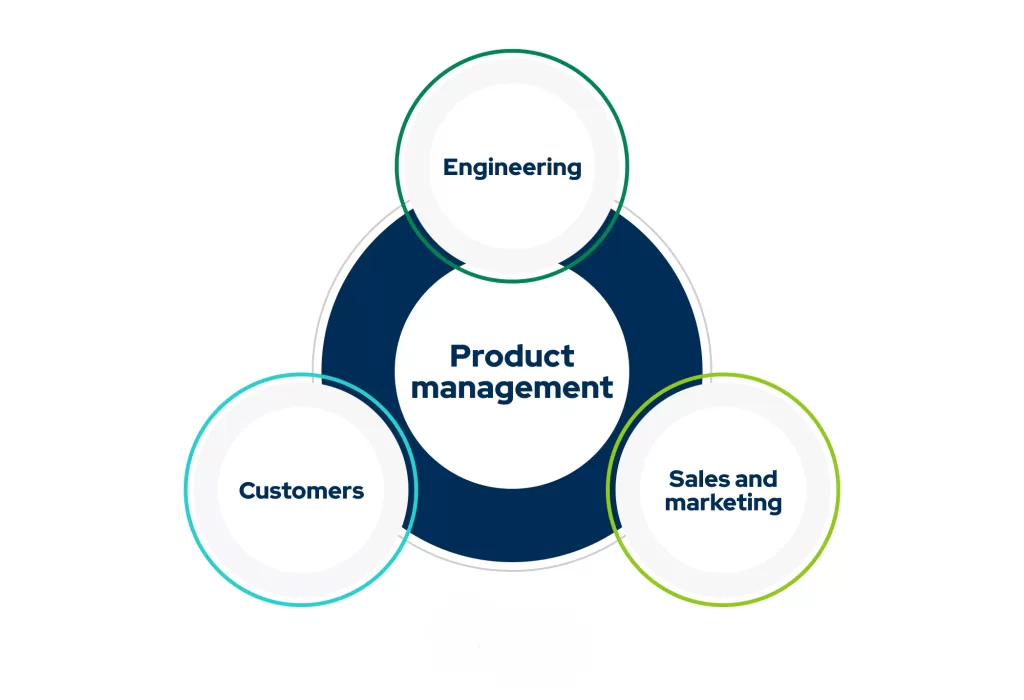
Product management is often considered the “brain” of a product-based company.
Product Manager (PM)
A Product Manager owns the product vision. They decide what to build, why it matters, and how it aligns with business goals.
Their responsibilities include:
- Defining product strategy and roadmap
- Understanding customer pain points
- Prioritizing features based on impact
- Coordinating across teams
They constantly balance user needs, business goals, and technical feasibility.
Associate Product Manager (APM)
This is usually an entry-level role designed to train future Product Managers. APMs assist in:
- Market research
- Feature analysis
- User feedback tracking
Many top companies like Google and Meta run APM programs to groom talent.
Technical Product Manager (TPM)
A TPM combines product thinking with technical expertise. They:
- Work closely with engineering teams
- Understand system architecture
- Translate complex technical problems into product decisions
2. Software Development Roles (The Builders)
These professionals turn ideas into working products.
Frontend Developer
Frontend developers focus on what users see and interact with. They build:
- User interfaces
- Interactive components
- Responsive layouts
They ensure the product is visually appealing and easy to use.
Backend Developer
Backend developers handle the “behind-the-scenes” operations:
- Server logic
- Database management
- APIs
They ensure the system is fast, secure, and scalable.
Full Stack Developer
Full stack developers handle both frontend and backend, making them highly flexible and valuable in startups and product teams.
Mobile App Developer
These developers specialize in:
- Android (Kotlin/Java)
- iOS (Swift)
They optimize performance for mobile devices and create smooth user experiences.
Systems Engineer
They work on low-level system design, performance optimization, and infrastructure efficiency.
3. Design Roles (The Experience Creators)
Design is not just about looks—it’s about usability and experience.
UI Designer
UI designers craft the visual elements:
- Color schemes
- Typography
- Layout design
They ensure the interface is attractive and consistent.
UX Designer
UX designers focus on user behavior and experience:
- User research
- Wireframing
- Usability testing
Their goal is to make the product intuitive and frictionless.
Product Designer
Product designers combine UI and UX to design end-to-end user journeys.
Interaction Designer
They design how users interact with elements—animations, transitions, and feedback.
4. Quality Assurance & Testing Roles (The Quality Guardians)

No product can succeed without quality.
QA Engineer
QA engineers test the product manually:
- Identify bugs
- Validate features
- Ensure usability
Automation Tester
They write automated scripts to test large systems efficiently.
Performance Tester
They ensure the product can handle high traffic and stress conditions.
5. DevOps & Infrastructure Roles (The Reliability Experts)
These roles ensure that products run smoothly in real-world environments.
DevOps Engineer
DevOps engineers bridge development and operations:
- Automate deployment pipelines
- Manage cloud infrastructure
- Monitor system performance
Site Reliability Engineer (SRE)
SREs focus on:
- System uptime
- Reliability
- Incident response
They ensure minimal downtime and maximum performance.
Cloud Engineer
They design and manage cloud-based systems using platforms like AWS, Azure, or Google Cloud.
6. Data Roles (The Insight Generators)
Data is the foundation of modern product decisions.
Data Analyst
They interpret data to answer business questions:
- User behavior analysis
- KPI tracking
- Dashboard creation
Data Scientist
They build models using machine learning to:
- Predict user behavior
- Improve recommendations
- Optimize product features
Data Engineer
They build pipelines that collect, store, and process large-scale data.
7. Business & Strategy Roles (The Growth Drivers)

These roles ensure the product aligns with market demand.
Business Analyst
They act as a bridge between stakeholders and technical teams:
- Gather requirements
- Analyze processes
- Define solutions
Product Marketing Manager
They focus on how the product is presented to the market:
- Positioning
- Messaging
- Campaign strategy
Growth Manager
They work on user acquisition and retention strategies.
8. Customer-Facing Roles (The User Advocates)
These professionals ensure customer satisfaction.
Customer Support Executive
They handle user queries, complaints, and troubleshooting.
Customer Success Manager
They focus on long-term customer relationships and ensure users get value from the product.
9. Sales Roles (The Revenue Generators)

Even the best products need effective sales strategies.
Sales Executive
They bring in new customers and generate revenue.
Account Manager
They maintain relationships with existing clients and ensure retention.
Sales Engineer
They combine technical knowledge with sales skills to explain complex products.
10. Security Roles (The Protectors)
Security is critical in modern products.
Security Engineer
They protect systems from vulnerabilities and cyber threats.
Ethical Hacker
They test systems by simulating attacks to identify weaknesses.
11. Leadership Roles (The Vision Setters)
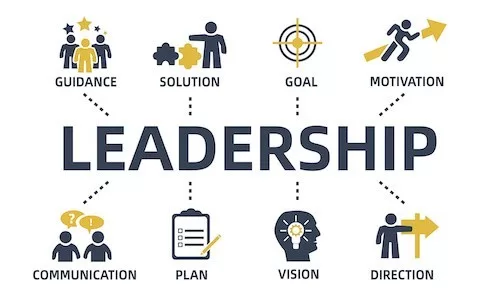
Leadership roles guide the company’s direction.
Engineering Manager
Leads development teams and ensures timely delivery.
Director of Product
Oversees product strategy across multiple teams.
Chief Technology Officer (CTO)
The CTO defines the company’s technological vision and long-term strategy.
How All Roles Work Together
A product-based company operates like a well-coordinated machine:
- Product Managers define the vision
- Designers create user-friendly experiences
- Developers build the product
- QA ensures quality
- DevOps handles deployment
- Data teams provide insights
- Marketing drives adoption
- Customer teams ensure satisfaction
This continuous collaboration leads to constant innovation and improvement.
Skills Required Across Roles
Technical Skills
- Programming languages
- System design
- Data analysis
Soft Skills
- Communication
- Problem-solving
- Collaboration
Business Skills
- Understanding user needs
- Market awareness
- Strategic thinking
Career Growth in Product-Based Companies
One of the biggest advantages of working in product companies like Amazon or Netflix is the structured growth path.
For example:
- Developer → Senior Developer → Tech Lead → Engineering Manager
- APM → Product Manager → Senior PM → Director of Product
- Analyst → Senior Analyst → Data Scientist → Head of Data
Growth is often based on impact, innovation, and ownership.
Why Choose a Product-Based Company?
Working in a product-based company offers:
- Exposure to real-world large-scale systems
- Opportunity to build products used by millions
- Focus on innovation rather than repetitive work
- Strong career growth and learning
Companies like Meta and Google are known for their product-driven culture and engineering excellence.
Final Thoughts
A product-based company is much more than just developers writing code. It is a collaborative ecosystem where multiple roles come together to create meaningful, scalable, and impactful products.
From product managers shaping the vision to engineers building the system, designers crafting experiences, and data teams driving insights—every role plays a critical part in the success of a product.
If you’re planning to enter a product-based company, the key is to:
- Identify your strengths
- Build relevant skills
- Understand how products are built and scaled
The more you understand these roles, the better you can position yourself for a successful and rewarding career in the product ecosystem.
Kaashiv Infotech Offers,Web Development Course, Full Stack Python Course, Data Science Course, & More, visit their website www.kaashivinfotech.com.
Related Reads: