First Generation of Computer (1940s–1950s): Year, Technology, Examples, Advantages & Disadvantages [2025 Guide]

Have you ever wondered what the first generation of computer really looked like? Forget slim laptops—these giants of the 1940s and 1950s ran on vacuum tube technology. The first generation of computers (1940–1956) consumed massive electricity, overheated often, and demanded entire rooms just to function. Yet, they were groundbreaking.
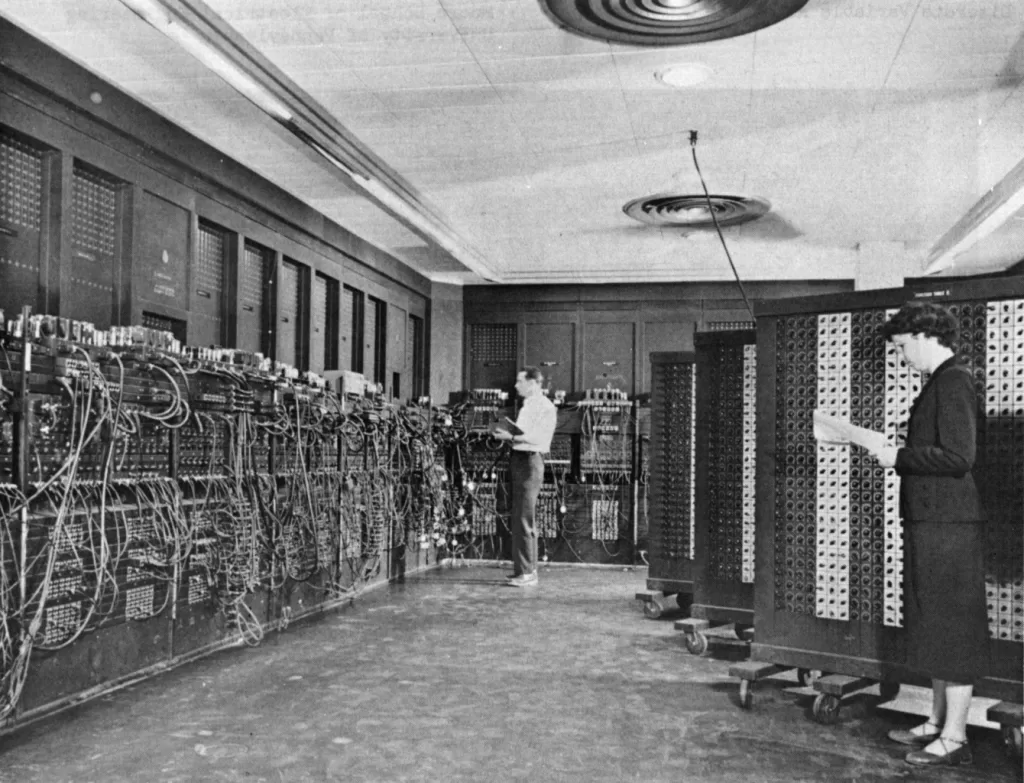
Now, picture that era. No internet. No smartphones. Not even a calculator in your pocket. Machines like ENIAC, built with 17,468 vacuum tubes and consuming 150 kilowatts of power, could dim the lights of a small town. Still, governments and scientists relied on them for calculations that decided wars, research, and industry progress.
And here’s the exciting part: despite their flaws, first generation of computer images examples like ENIAC, UNIVAC, and IBM-701 paved the way for modern tech. Curious about who invented the first generation of computer and the technology behind it? Let’s explore. 🚀
Key Highlights 🚀
- ✅ The first generation of computer (1940s–1950s) used vacuum tube technology.
- ✅ These computers were massive, expensive, and consumed huge amounts of electricity.
- ✅ Famous examples include ENIAC, UNIVAC I, Colossus, and IBM Harvard Mark I.
- ✅ Programming was done only in machine language and punch cards.
- ✅ They laid the foundation for second-generation computers with transistors.
What is the First Generation of Computer?
The first generation of computer refers to the early machines built between the 1940s and mid-1950s. They were based on vacuum tube technology, which acted as electronic switches for processing data.
When you imagine these computers, forget the sleek laptops or smartphones you use today. Instead, picture machines the size of a room, buzzing with heat, wires, and glowing glass tubes. Despite their size, their processing power was weaker than a basic calculator today.
👉 In short: The first generation of computer was slow, unreliable, and expensive — but it was the first real step into the digital age.
First Generation of Computer Year (1940s–1950s)
The time period of the first generation of computer was roughly 1940–1956.
- 1943: Colossus was built in Britain to break German codes.
- 1945: ENIAC became the first general-purpose electronic computer.
- 1951: UNIVAC I became the first commercially sold computer.
- 1956: The transition to second generation computers (transistors) began.
So, if someone asks, “What is the year of first generation of computer?” → the answer is 1940s to mid-1950s.
First Generation of Computer Was Based on Which Technology?
The first generation of computer was based on vacuum tube technology.
What is a Vacuum Tube?
A vacuum tube (also called an electron tube) is a sealed glass device that controls the flow of electricity. By manipulating the movement of electrons, the tubes acted as switches — the building blocks of logic and computation.
But there were major problems:
- They generated a lot of heat, often causing failures.
- Each machine required thousands of tubes (ENIAC had 17,468!).
- Maintenance was constant because tubes would burn out like light bulbs.
Despite these flaws, vacuum tubes powered the first computers, making them a giant leap forward compared to mechanical calculators.
Characteristics of First Generation Computers
| Characteristic | Description |
|---|---|
| Core Technology | Based on vacuum tubes |
| Physical Size | Room-sized, extremely bulky |
| Power Consumption | Very high, generated excessive heat |
| Processing Speed | Slow compared to later generations |
| Programming Method | Machine language & punch cards |
| Input/Output | Punch cards, paper tape, printouts |
| Reliability | Unstable, frequent breakdowns |
| Memory | Magnetic drum memory |
| Cost | Millions of dollars |
| Main Use | Military, scientific research, cryptography |
Examples of First Generation of Computer images and more
Here are some of the most famous first generation computers 👇
1. ENIAC (1945)
- What it was: The first general-purpose electronic computer.
- Technology: 17,468 vacuum tubes, weighed 30 tons.
- Use Case: Built for U.S. military ballistic calculations.
- Why it mattered: Proved large-scale electronic computing was possible.
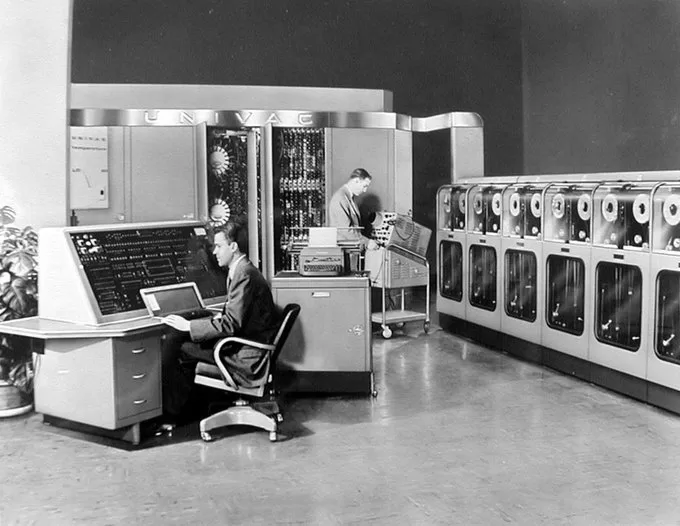
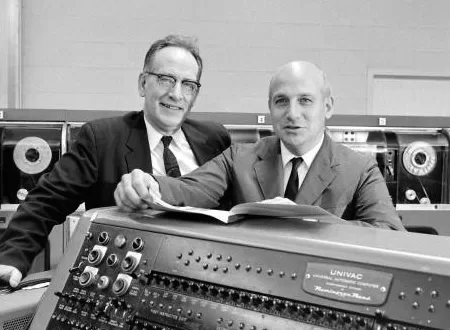
2. UNIVAC I (1951)
- What it was: The first commercial computer sold to businesses.
- Use Case: Used by the U.S. Census Bureau and corporations for data processing.
- Why it mattered: Marked the start of computing in business and administration.
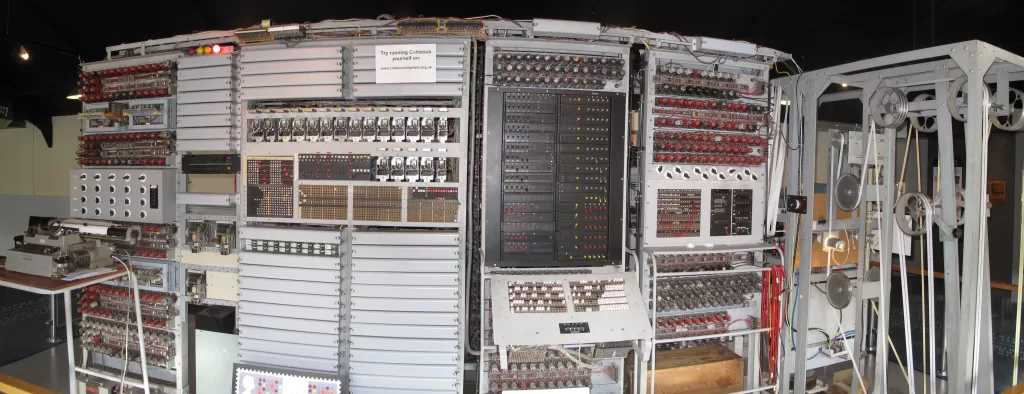
3. Colossus (1943)
- What it was: A British wartime computer.
- Use Case: Helped break Nazi codes at Bletchley Park.
- Why it mattered: Saved lives by speeding up codebreaking during WWII.
4. IBM Harvard Mark I (1944)
- What it was: A large electromechanical computer.
- Use Case: Performed calculations for the U.S. Navy.
- Why it mattered: Influenced future IBM developments.

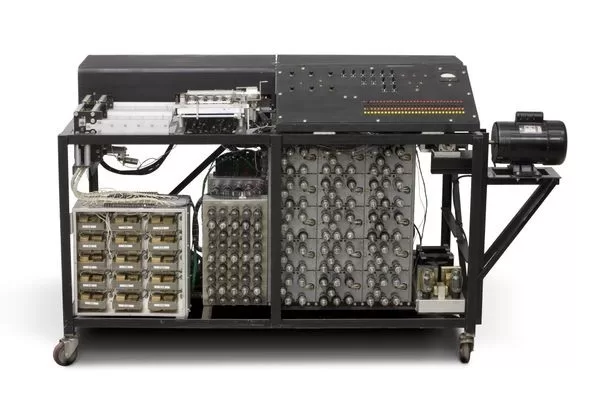
5. Atanasoff-Berry Computer (ABC) (1937–42)
- What it was: Early electronic digital computer.
- Use Case: Solved linear algebra equations.
- Why it mattered: Introduced concepts like binary representation and electronic switching.
👉 Other names: IBM 701, IBM 650.
Advantages of First Generation of Computer
At their time, these machines were revolutionary. Some key advantages of the first generation of computer were:
- ✅ Performed calculations faster than humans or mechanical calculators.
- ✅ Could process large-scale military and scientific problems.
- ✅ Made automation of tasks possible for the first time.
- ✅ Paved the way for modern computing by proving the concept of programmable machines.
Disadvantages of First Generation of Computer
The drawbacks were huge, and that’s why they were quickly replaced:
- ❌ Enormous size — required entire rooms.
- ❌ High electricity consumption (some needed air-conditioning just to run).
- ❌ Unreliable — vacuum tubes often failed.
- ❌ Very expensive — only governments and big institutions could afford them.
- ❌ Difficult to program — used binary machine language.
Importance of the First Generation of Computers
Even though the first generation of computers looks primitive now, they were the foundation of today’s tech world.
- They introduced the concept of programmability.
- They proved machines could outperform humans in repetitive calculations.
- They inspired the second generation (transistors), leading to smaller, faster, cheaper computers.
Without ENIAC or UNIVAC, there would be no laptops, no smartphones, no cloud computing.
FAQs About First Generation of Computer
Q1. What is the time period of first generation of computer?
👉 Between 1940 and 1956.
Q2. Who invented the first generation of computer?
👉 No single inventor. Key pioneers include John Mauchly & J. Presper Eckert (ENIAC), Alan Turing (theoretical groundwork), and Atanasoff & Berry (ABC).
Q3. First generation of computer was based on which technology?
👉 They were based on vacuum tube technology.
Q4. Which language was used in first generation of computer?
👉 Only machine language (binary code) and assembly via punch cards.
Q5. What are some examples of first generation computers?
👉 ENIAC, UNIVAC I, Colossus, IBM Harvard Mark I, Atanasoff-Berry Computer.
Q6. What is the name of first generation computer?
👉 The first widely recognized one is ENIAC.
Related Reads 📚
Conclusion
When you think about the first generation of computer, think of a noisy room filled with glowing tubes, heat, and constant repairs. They weren’t efficient, but they were groundbreaking. They proved what was possible, leading us from the vacuum tube era to the transistor age — and eventually to the devices you carry in your pocket today.
👉 The lesson: every generation of technology builds on the sacrifices of the one before. Without the first generation of computers, the digital revolution might never have happened.