Difference Between Hacking and Ethical Hacking (2026 Guide)
Hacking vs Ethical Hacking – In our high-tech world, you’ve probably heard the word hacking thrown around a lot. To many, it sounds like something shady or harmful — like someone breaking into computer systems and stealing data. But guess what? There’s also a good side to hacking called ethical hacking, and it’s completely legal! These two are very different, and understanding the difference is essential if you’re interested in cybersecurity.
In this blog, we’ll break down the difference between hacking vs ethical hacking in a simple, easy-to-understand way — with examples, real-world context, and why ethical hacking is so important today.
1. What Is Hacking?
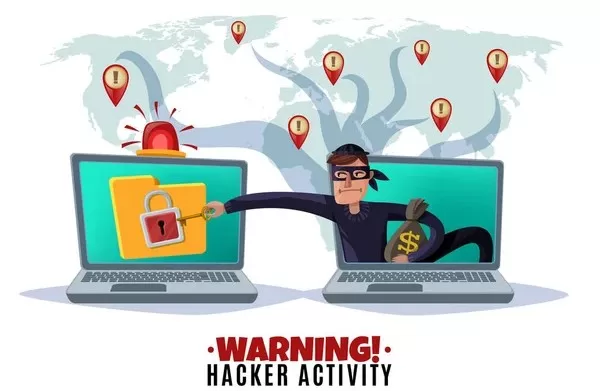
Hacking refers to the act of gaining unauthorized access to computer systems, networks, or data. Hackers often exploit vulnerabilities in software, hardware, or even human behavior to break into systems without permission.
💥 Motivations Behind Hacking
Hackers may have different reasons, such as:
- Financial gain (stealing credit card information or credentials)
- Personal or political motives
- Corporate espionage
- Causing damage or disruption
🚫 Legal Consequences
Since hacking involves breaking into systems illegally, it can lead to severe legal penalties like fines, imprisonment, and damage to reputation. Hacking is a criminal offense in most countries.
2. What Is Ethical Hacking?
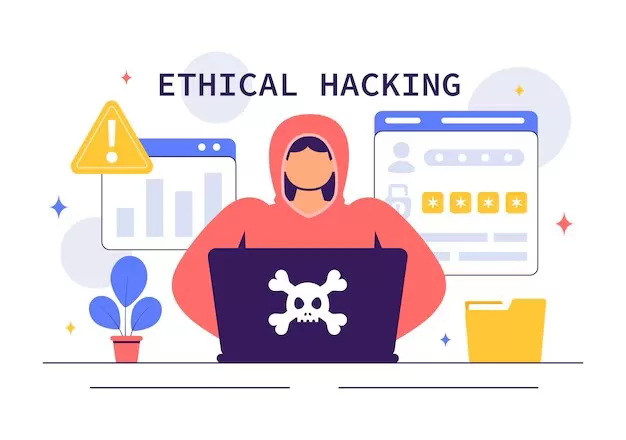
Ethical hacking (also called white hat hacking or penetration testing) is the practice of legally testing systems, networks, or applications to find security weaknesses before malicious hackers do.
Ethical hackers are authorized professionals who help organizations strengthen their security.
✅ Importance of Ethical Hacking
Ethical hacking plays a major role in today’s cybersecurity world because it helps organizations:
- — Identify vulnerabilities before they can be exploited
- — Protect sensitive data
- — Meet compliance and security standards
- — Build stronger digital defenses
3. Key Differences Between Hacking vs Ethical Hacking
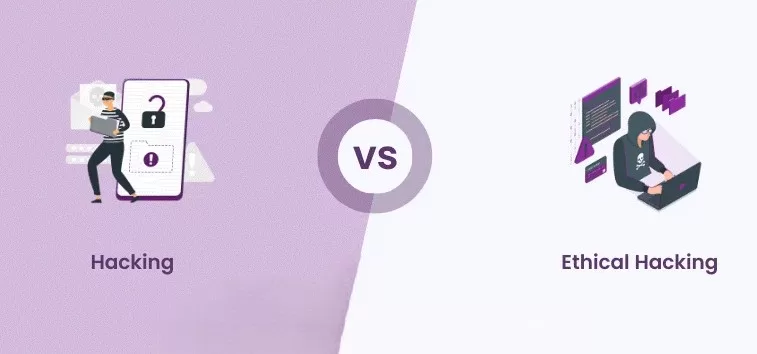
Here’s a quick comparison that highlights the core differences:
| Feature | Hacking | Ethical Hacking |
|---|---|---|
| Permission | No authorization | Permission from system owner |
| Intent | Malicious or illegal | Lawful and protective |
| Legality | Illegal | Legal and sanctioned |
| Objective | Steal or disrupt data | Improve security |
| Outcome | Harm to system/users | Safeguard systems |
| Consequences | Criminal charges | Security improvement |
🔹 Intent: Malicious vs. Lawful
- Hacking is done with harmful intentions to damage, steal, or take control.
- Ethical hacking is done with good intentions to protect and secure systems.
🔹 Authorization: Unauthorized vs. Authorized
- Hackers operate without consent from the owner.
- Ethical hackers work with explicit permission and defined boundaries.
🔹 Legality: Illegal vs. Legal
- Hacking is punishable by law.
- Ethical hacking is recognized as a professional practice in cybersecurity.
🔹 Motivation: Gain vs. Protection
- Hackers aim for financial gain, reputation damage, or chaos.
- Ethical hackers aim to secure systems and prevent attacks.
4. Grey Areas in Ethical Hacking

Ethical hacking isn’t always black and white. There are some gray areas that professionals must navigate carefully.
📌 Consent & Legal Frameworks
Even with good intentions, ethical hackers must have permission in writing. Without clear authorization, their actions can be mistaken for illegal hacking.
🔐 Balancing Security and Privacy
Ethical hackers often have access to sensitive data while testing systems. Finding the right balance between improving security and respecting privacy is crucial.
5. Real-World Examples
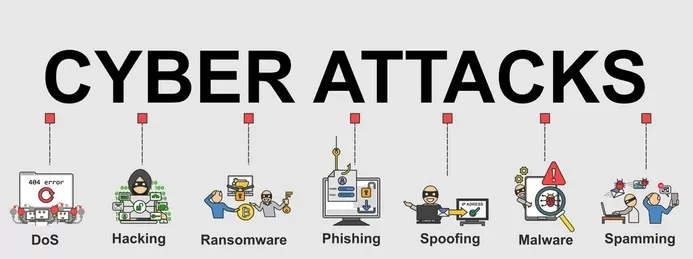
Understanding real incidents helps clarify the importance of ethical hacking:
🔓 Examples of Hacking Incidents
- SolarWinds Hack (2020): Attackers compromised software updates, impacting government and private networks globally.
- Equifax Data Breach (2017): Sensitive personal data of millions of people was exposed.
- WannaCry Ransomware (2017): Worldwide ransomware attack disrupted businesses and healthcare systems.
🛡️ Where Ethical Hacking Helped
- Heartbleed Bug (2014): Ethical hackers discovered a critical flaw in encryption software before mass exploitation.
- Bug bounty programs at top tech companies incentivize security researchers to find vulnerabilities responsibly.
- Penetration testing by ethical hackers helps organizations identify and fix serious security gaps.
6. Responsible Cybersecurity Practices

Whether you’re an individual or an organization, here are some essential practices:
✔ Regular system updates
✔ Strong unique passwords
✔ Use of two-factor authentication
✔ Awareness and training
✔ Ethical hacking assessments
✔ Bug bounty participation
Conclusion
The difference between hacking vs ethical hacking lies in intent, authorization, and legality. While hacking breaks into systems unlawfully and causes harm, ethical hacking helps protect systems by identifying vulnerabilities before bad actors can exploit them.
In simple terms:
Hacking vs Ethical Hacking – Ethical hacking has become one of the most important practices in cybersecurity today — helping companies safeguard data, prevent breaches, and build trust.
Want to learn about Cyber Security?, Kaashiv Infotech Offers, Cyber Security Course, or Networking Course & More, Visit www.kaashivinfotech.com.
Related Reads:
- 7 Key Differences Between DOS and DDOS Attacks That Every Internet User Should Know!
- Nmap Cheat Sheet 2025: Essential Commands & Scanning Tips for Ethical Hackers
- Cyber Crime Prevention Tips I Wish I Knew Earlier
FAQs
Q1. What is the main difference between hacking and ethical hacking?
Hacking is unauthorized access with harmful intent, while ethical hacking is authorized testing to secure systems.
Q2. Are ethical hackers the same as hackers?
No. Ethical hackers follow the law, get permission, and aim to protect, whereas hackers operate illegally.
Q3. Why is ethical hacking important?
Ethical hacking helps identify and fix vulnerabilities before they are exploited by criminals.