HTTPS Protocol: The Complete Guide to Secure Web Browsing in 2025

When you enter a URL into your browser you’ve probably seen that it sometimes starts with HTTP and sometimes HTTPS. The extra “S” is small, but it can really change the game in terms of online security.
In this guide I’m going to cover what the HTTPS protocol is, how it works, why you should care, and how you can enable it for your website. There will be something in this article for everyone — even if you’re just a user looking for a safer way to browse. I will write this guide for everyone from website owners, to developers, and eliminate the technical-ness about it, promise.
What is HTTPS Protocol?
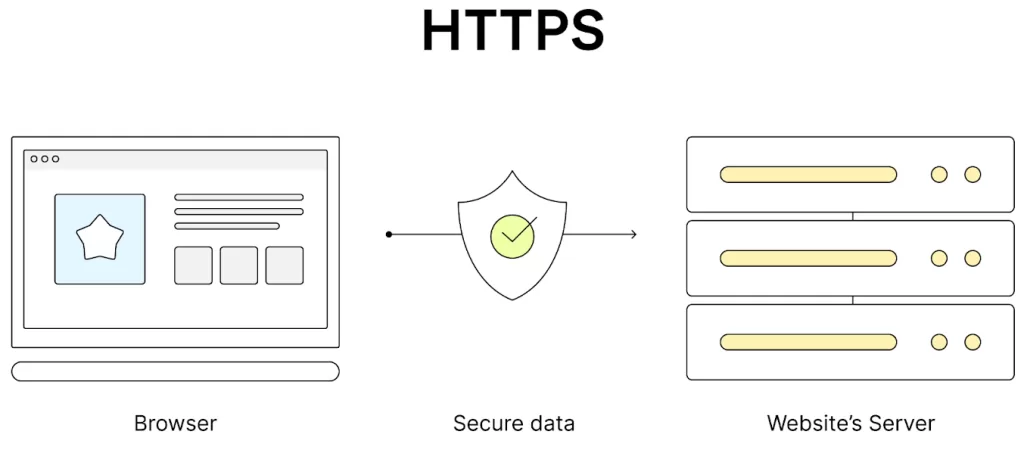
The HTTPS protocol is HyperText Transfer Protocol Secure which is the secure version of HTTP the standard protocol used for communication between your browser and websites.
The “S” in HTTPS is for SSL/TLS encryption which provides you:
- Data Encryption – Your data is encrypted in a way that hackers can’t read it.
- Authentication – You are sure you are communicating with the real site, not an imposter.
- Data Integrity – Your information cannot be altered during transfer.
Think about protocol HTTPS as sending an envelope that is sealed and locked instead of a postcard. Only the intended recipient has the key to unlock it.
HTTP vs HTTPS: What’s the Difference?
One of the most searched comparisons online is HTTP vs HTTPS — and here’s the simple breakdown:
| Feature | HTTP (Not Secure) | HTTPS (Secure) |
| Encryption | ❌ No encryption | ✅ SSL/TLS encryption |
| Data Protection | ❌ Vulnerable | ✅ Protected |
| Browser Indicator | ⚠️ “Not Secure” | 🔒 Padlock icon |
| SEO Ranking Boost | ❌ No boost | ✅ Google prefers HTTPS |
| User Trust | Low | High |
Bottom line: If you’re still running HTTP in 2025, you’re not only risking your visitors’ security but also hurting your search engine rankings.
How Does the HTTPS Protocol Work?
The magic of protocol HTTPS is in SSL/TLS encryption.
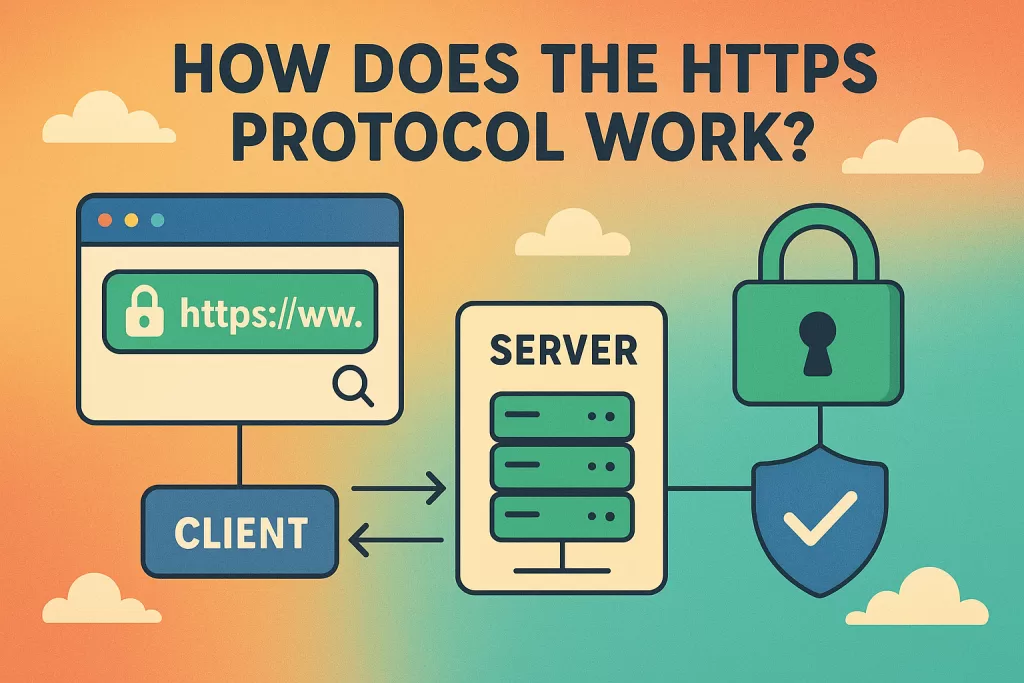
- Browser Requests Secure Connection – When you visit a website your browser says “Lets communicate securely”
- Server Sends SSL Certificate – This proves the identity of the site
- Handshake and Key Exchange – The browser/server agree on the encryption keys
- Data Transmission – All communication is now encrypted
It is like establishing a secret language before a conversation – and nobody but those two get it.
Benefits of Using HTTPS Protocol
Switching to HTTPS is important for a lot more than just making “Not Secure” warnings go away in browsers. Here’s a few more important reasons why HTTPS matters:
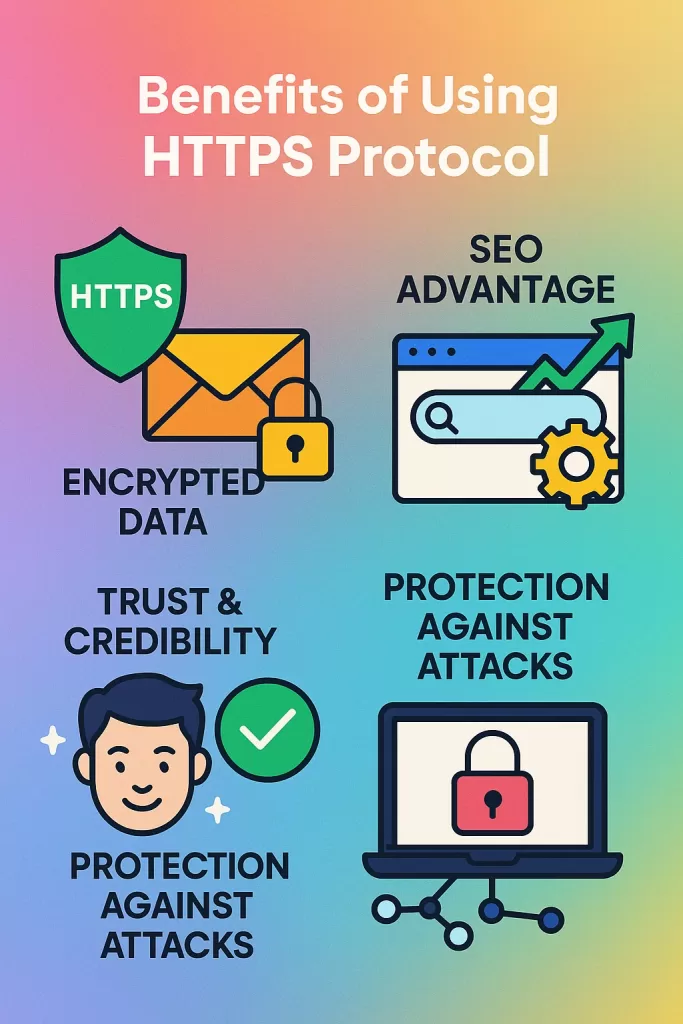
- Protection for Sensitive Data – Your credit card numbers, login credentials, and personal information are all safe.
- User Trust – The padlock icon builds trust with users.
- SEO Benefits – Google ranks HTTPS sites higher.
- Hacker Protection – Protects against man-in-the-middle attacks.
- Fast HTTPS – Newer HTTPS sites using HTTP/2 load much faster than HTTP.
How to Implement HTTPS on Your Website
Here’s a simple step by step process to switch from HTTP to HTTPS.
- Buy an SSL/TLS Certificate – You can purchase one via providers like DigiCert, or use a free option like Let’s Encrypt.
- Install the Certificate. Get help from your hosting provider.
- Update All Internal Links – change all http:// links to https://.
- Redirect Traffic – Set all HTTP visitors to the HTTPS version using 301 redirects.
- Update Search Console – tell google about this site.
- Check for Mixed Content – Ensure no unsecure scripts or images are running.
Common Myths About HTTPS Protocol
Myth 1: HTTPS slows down websites.
Truth: That was true of earlier encryption methods; modern HTTPS is faster with the advent of HTTP/2.
Myth 2: Only e-commerce sites need HTTPS.
Truth: Every site benefits from encryption in protecting visitors.
Myth 3: SSL certificates are expensive.
Truth: Plenty of free options are available – including Let’s Encrypt.
Security Risks Without Protocol HTTPS
If you’re not using HTTPS you are exposing your visitors to:
- Data theft, via sniffing;
- Fake websites, masquerading as you;
- SEO penalties;
- Scary browser warnings that send users away
Future of HTTPS Protocol in 2025 and Beyond
With cyber threats input to access to the internet increasing, HTTPS is an imperative – it’s no longer optional, it’s expected. With HTTP/3 technologies, speed will not become an issue for HTTPS; add in zero-trust security models to further secure the web landscape.
FAQs about HTTPS Protocol
Q1: Is HTTPS enough to secure my website?
A: It is, but you need secondary protections as well like a firewall and updates to software.
Q2: Can I get HTTPS for free?
A: Yes, you can get a free SSL with a service like Let’s Encrypt.
Q3: Will HTTPS help my site rank better?
A: Yes, Google has confirmed that HTTPS is a ranking signal.
Final Thoughts
HTTPS protocol is not merely jargon; it is the underpinning of a safe and trustworthy internet. As protocol HTTPS or secure HTTP, it protects your visitors, improves SEO, and keeps you ahead of the world in a security-first environment. If your site isn’t running HTTPS yet, make it your next move. Your users — and Google — will thank you.
Related Reads