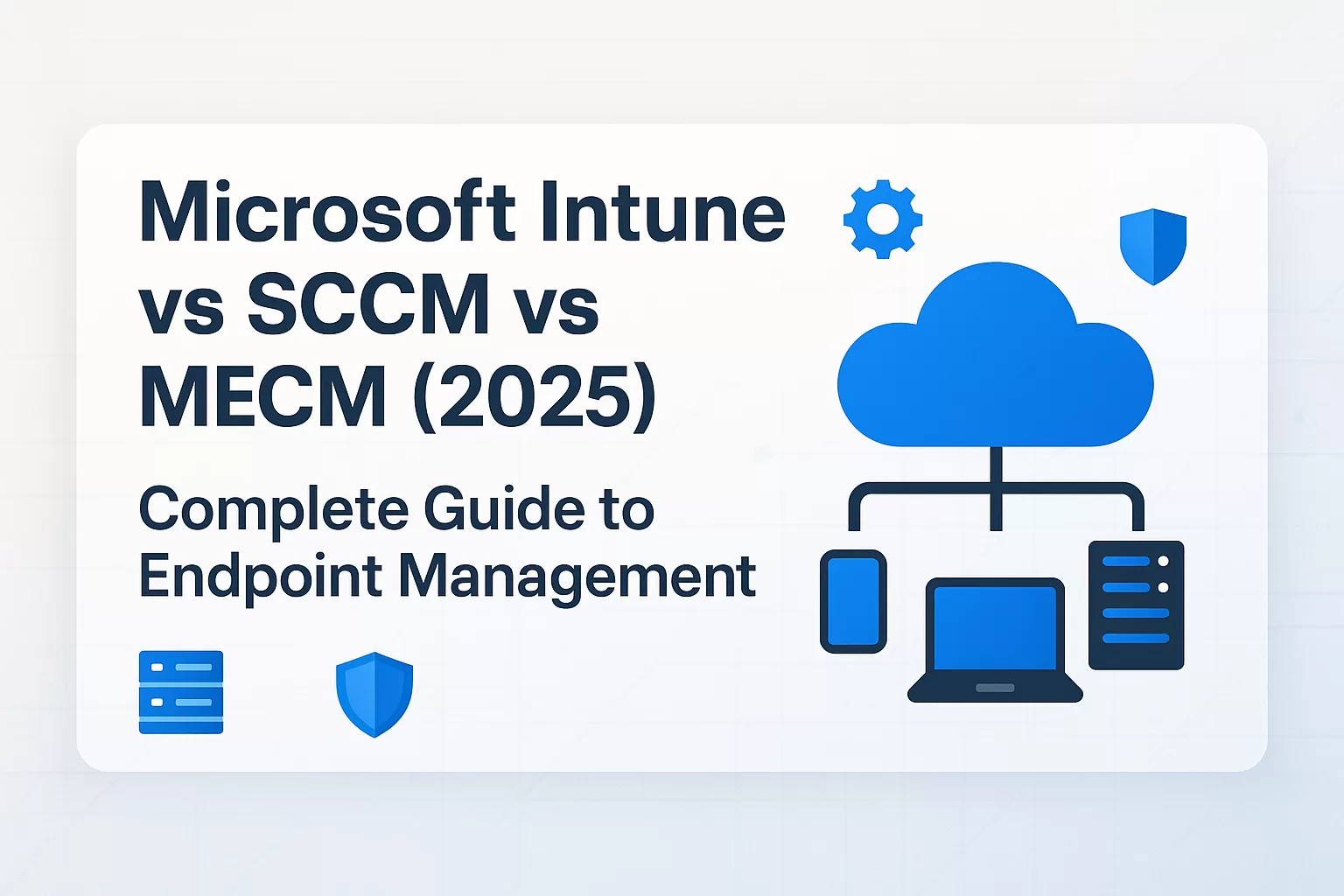
Microsoft Intune vs SCCM vs MECM: Complete Guide to Endpoint Management (2025)
Introduction – Why This Comparison Matters in 2025
If you’re working in IT today, you’ve probably heard people throw around terms like Microsoft Intune, SCCM, and MECM. Sometimes even SMS pops up in older documentation. Confusing? Absolutely. But understanding the differences is more than just trivia — it can shape your career.
Think about it: in 2025, IT teams are under pressure to secure remote devices, hybrid workers, and BYOD policies. Old tools like SCCM still do the job on-prem, but Microsoft is betting big on cloud-first Intune. So the question is: where should IT admins, developers, and system engineers focus their skills? This guide gives you a clear picture — from SMS to Intune — so you can make smart decisions.
🔑 Key Highlights
- Microsoft Intune is the cloud-first future of endpoint management.
- SCCM (System Center Configuration Manager) still powers millions of enterprise PCs.
- MECM is the hybrid bridge that ties on-prem SCCM with cloud-based Intune.
- Legacy tools like SMS (Systems Management Server) paved the way for today’s unified endpoint management (UEM).
- By 2025, IT admins and developers must know where to invest their time: Intune, MECM, or both.
What is Endpoint Management? (UEM in Simple Words)
Let’s clear the jargon first. Endpoint management simply means controlling and securing every device (a.k.a. endpoint) that connects to your network: laptops, phones, VMs, even IoT.
In 2025, most companies use UEM (Unified Endpoint Management).
👉 UEM Full Form: Unified Endpoint Management.
Here’s the reality:
- A bank might need to patch 20,000 Windows PCs in one night.
- A startup may let employees bring their own Macs and iPhones (BYOD).
- A hospital has a mix of rugged handhelds, laptops, and thin clients.
Doing this manually is a nightmare. UEM tools like Microsoft Endpoint Manager (Intune + MECM) give IT admins a single place to manage everything.

The Legacy Days: SMS and SCCM Full Form
SMS (Systems Management Server) – The Beginning
Back in 1994, Microsoft launched SMS (Systems Management Server). Its main job? Automating software installs and keeping track of hardware. At the time, this was revolutionary. Instead of walking around with floppy disks, admins could push software updates to hundreds of PCs from one console.
📌 SMS Full Form: Systems Management Server.
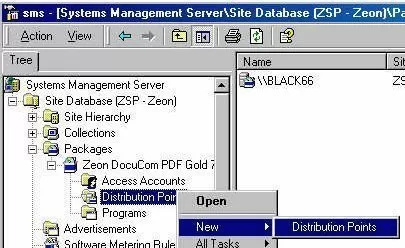
Even today, some old IT pros still use “SMS” when they mean SCCM. That’s how deep it stuck.
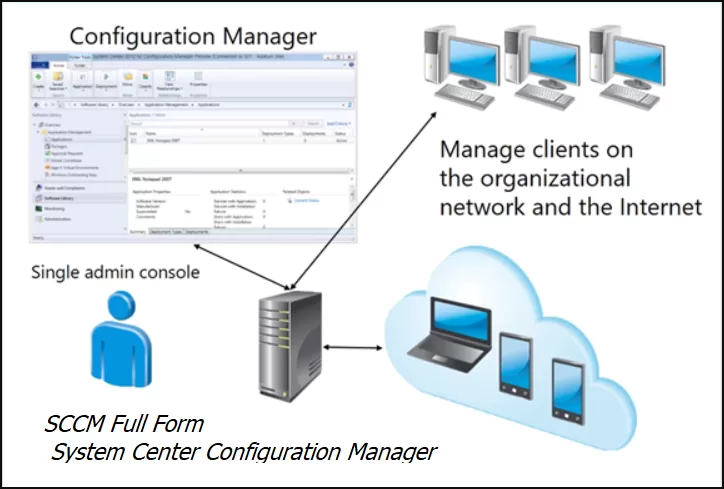
SCCM (System Center Configuration Manager) – Enterprise Era
Fast-forward to the 2000s: SMS evolved into SCCM (System Center Configuration Manager). This was the workhorse of IT departments. SCCM handled:
- Patch management – deploying Windows updates company-wide.
- OS deployment – reimaging PCs at scale.
- Compliance enforcement – ensuring machines followed security baselines.
- Remote control – helping end-users without leaving your desk.
Ask any SCCM admin, and they’ll tell you: reporting could be your best friend or your biggest headache. But love it or hate it, SCCM was everywhere — Gartner estimated that by 2018, more than 70% of Fortune 500 companies relied on SCCM.
MECM: The Hybrid Bridge
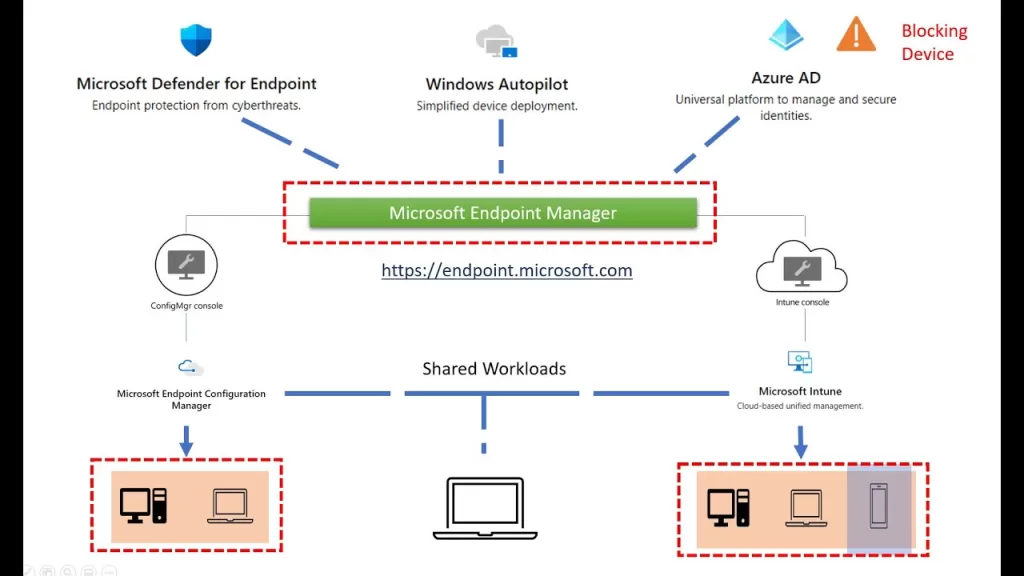
Then came the cloud revolution. Microsoft realized SCCM couldn’t do it alone. Enter MECM (Microsoft Endpoint Configuration Manager) in 2019.
📌 MECM Full Form: Microsoft Endpoint Configuration Manager.
Think of MECM as SCCM with a cloud handshake. It still runs on-prem for heavy workloads, but it integrates with Microsoft Intune for mobile and remote devices.
💡 Real-world use case:
A healthcare provider in the US uses MECM to manage 2,000 on-prem Windows servers (where compliance is strict) but relies on Intune to handle 8,000 iPhones and iPads used by doctors. That’s hybrid management in action.
Career angle: MECM skills are still in demand. Many companies can’t flip a switch and go cloud-only, so they hire admins who can juggle both MECM and Intune.
Microsoft Intune: The Cloud-First Future 🚀
Now we get to the star of 2025: Microsoft Intune.
📌 What is Microsoft Intune?
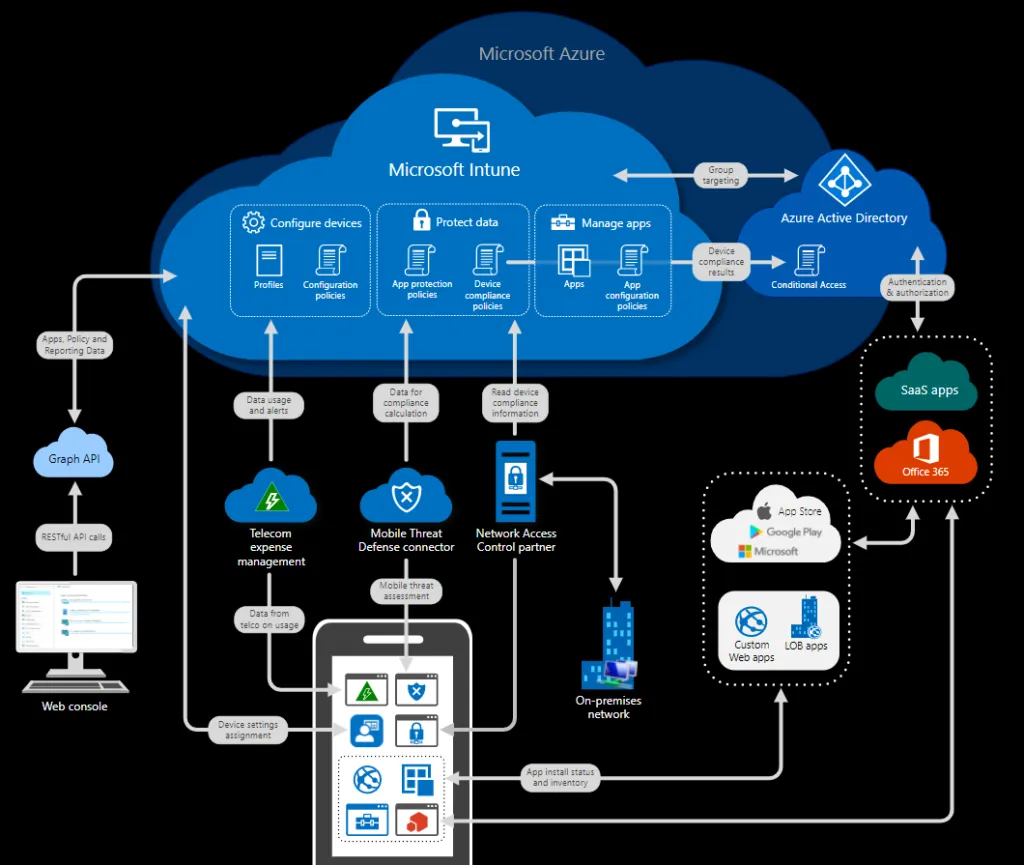
Intune is Microsoft’s cloud-based endpoint and mobile device management solution. Instead of installing heavy servers, everything runs in the cloud, managed through the Microsoft Intune Admin Center.
Why IT loves Intune:
- Microsoft Intune Company Portal lets employees securely download work apps.
- Supports BYOD – whether it’s a Windows laptop, an Android phone, or a MacBook.
- Zero-touch enrollment – a laptop can arrive at an employee’s home, connect to Wi-Fi, and configure itself without IT touching it.
- Built-in security policies – encryption, antivirus, and compliance checks.
Real-world stat: According to IDC (2024), over 80% of enterprises using Microsoft 365 are already adopting Intune for at least part of their device fleet.
Best practice: Even if your company still runs MECM, start rolling out Intune for mobile devices first. It’s the fastest way to gain hands-on experience with cloud management.
Microsoft Intune vs SCCM vs MECM – Side-by-Side ⚔️
When people ask, “Which tool should I learn in 2025?”, the answer is: it depends. Each has its place.
Here’s a quick comparison table you can use when talking to your IT team or preparing for interviews:
| Feature | Microsoft Intune | MECM | SCCM |
|---|---|---|---|
| Deployment | 100% Cloud | Hybrid (On-Prem + Cloud) | On-Prem Only |
| Device Types | Windows, macOS, iOS, Android | Windows + integrates with Intune | Windows-Centric |
| Best For | BYOD, remote workforce, SMBs, modern IT | Enterprises in transition | Legacy-heavy enterprises |
| Costs | Subscription (per user/device) | Licensing + infra | Licensing + infra |
| Career Relevance | Growing rapidly (cloud-first) | Still in demand | Declining but important for legacy support |
💡 Developer insight: Many IT admins today run a co-management setup. That means Windows devices get policies from both Intune and MECM until the company is confident enough to move cloud-only.
Microsoft Intune Pricing 💰
One question everyone asks: “How much does Intune cost?”
As of 2025:
- Microsoft Intune standalone starts around $8 per user/month.
- It’s also included in bundles like Microsoft 365 E3/E5 or Enterprise Mobility + Security (EMS) plans.
👉 If your company already uses Microsoft 365, you may already have Intune rights without realizing it.
Why this matters for your career: Many IT job descriptions now expect candidates to know not only how Intune works but also how licensing impacts adoption. Recruiters ask this to check if you’ve been close to real-world projects.
Certifications & Career Path 🎓
Learning Intune, MECM, or SCCM isn’t just about managing devices — it’s about career growth.
Key Certifications to Check in 2025:
- Microsoft Intune Certification (part of MS-102 / Enterprise Administrator Expert track).
- MECM Certification (covered under Endpoint Administrator exams).
- SCCM Certification (less prominent now, but still relevant in job listings).
💡 Pro tip: If you’re new, start with Intune. Cloud-first skills will future-proof your career. But if you’re aiming at large enterprises, knowing MECM vs SCCM differences will make you stand out.
Recruiter insight: According to Indeed (2025), job postings mentioning Intune have grown 40% YoY, while SCCM roles are slowly declining but still solid in banking, healthcare, and government.
Alternatives & Competitors – Kandji, ManageEngine, and More 🆚
Microsoft isn’t alone in endpoint management. IT teams often compare Intune with other tools:
- Kandji – A favorite for Apple-heavy environments. If your company gives everyone a MacBook + iPhone, Kandji’s automation and Apple-first design shine.
- ManageEngine Endpoint Central – Popular for SMBs. It’s flexible, supports multiple OS, and often cheaper than Microsoft.
- VMware Workspace ONE and Jamf – Still strong players in certain industries.
But here’s the reality: if your company already runs Microsoft 365, Intune + MECM almost always wins because of seamless integration.

Final Thoughts – Choosing Your Path 🚀
By now, you should see the big picture:
- Microsoft Intune → the future. Cloud-first, easy to scale, great for BYOD.
- MECM → the bridge. Perfect for enterprises not ready to ditch on-prem just yet.
- SCCM → the legacy backbone. Still relevant, but slowly fading.
If you’re an IT pro or developer, don’t ignore where the market is going. Upskill in Intune today, but keep MECM/SCCM knowledge handy if you want to land enterprise jobs.
👉 Remember: tools change, but the core skill — endpoint management — never goes out of style. Whether you’re deploying patches, securing remote devices, or helping employees stay productive, you’re shaping the digital workplace.
And if you’re just starting? Don’t overthink it. Pick one tool (start with Intune), build projects, maybe grab a certification, and keep learning.
🔗 Related Reads
- Amazon Web Services (AWS) Explained in 2025: 7 Reasons Why AWS Cloud Still Dominates 🌍
- Virtualization in Cloud Computing and Types: My Honest Take in 2025
- AWS vs Azure in 2025: 7 Honest Lessons I Learned Comparing These Cloud Giants ☁️🔥
- Krutrim Explained: Ola’s Bold Leap Into AI and Cloud Computing Revolution [2025 Update]
- 💥 CloudSEK: The Cyber Sentinel Empowering a Safer Digital India 🌐