Python Programming Languages: Everything You Need to Know to Get Started in 2025

Introduction: Why Everyone Is Talking About Python Programming Languages

Let me give you a little bit of advice from my own experience—when you are a beginner at coding, or you are just getting ready to start your next project, some one will inevitably tell you: “You should learn Python.” They are correct.
Programming languages that use Python have become extremely popular since they have exploded over the last decade. Python is everywhere you turn: web development, web automation, artificial intelligence, machine learning, data analytics, or scripting, which means your skills are transferable. But what exactly makes computer language Python so powerful? And why is it considered one of the most versatile programming tools in today’s tech landscape?
In this guide, I will cover everything you need to know about Python programming, from it’s history to practical uses. This is your complete Python language tutorial for 2025, full of tips, comparisons, starter templates, and beginner insight so that you can start coding like a pro!
What is Python? The Computer Language That Took Over the World
Python is a high-level interpreted programming language known for its simple syntax and ease of use. It was created by Guido van Rossum in the late 1980s. Python was designed for readability and ease of use, which makes it a well-suited programming language for novice programmers, and for advanced programmers as well.

Python is an open source dynamically typed programming language with a large standard library that supports many common programming tasks including file I/O and operating system interfaces, and even web protocols, internet data handling, and regular expressions.
Whether you are building an application, or manipulating data, the Python programming language is generally meant to help you go from idea generation to execution faster than most programming languages.
Key Features of Python Programming Languages
Why is the Python computer language so widely adopted across industries and experience levels? Let’s explore the features that make it shine:
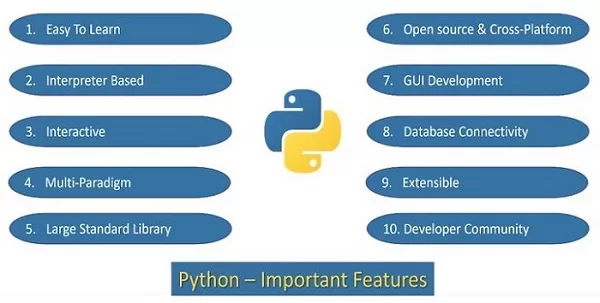
- Simple and easy-to-learn syntax
(Perfect for beginners and readable for humans!) - Interpreted language
(No need to compile—just run your script) - Cross-platform compatibility
(Windows, macOS, Linux—you name it) - Extensive standard libraries
(No need to reinvent the wheel) - Supports OOP and functional programming paradigms
- Vast global community
(Endless tutorials, documentation, and forums)
🔥 Did You Know? According to the TIOBE Index, Python is consistently ranked as the #1 programming language in 2025.
Python 2 vs Python 3: What’s the Difference in the Python Language Tutorial?
If you’re just starting your Python language tutorial, you might stumble upon references to both Python 2 and Python 3. Let’s break it down:
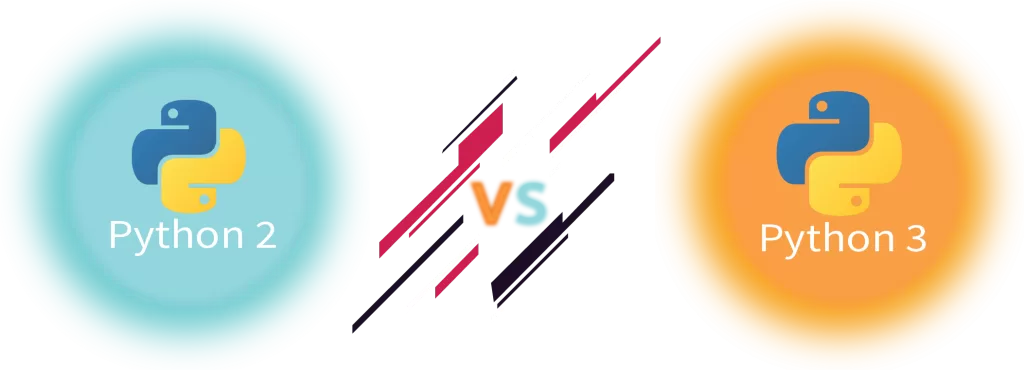
- Python 2: Legacy version, officially sunsetted in 2020.
- Python 3: Actively developed, modern, and future-proof. Includes better Unicode handling, more readable syntax, and cleaner libraries.
Tip: Always choose Python 3 for new projects and tutorials.
Real-World Applications of Python Programming Languages
Here’s where the Python programming languages truly prove their versatility:
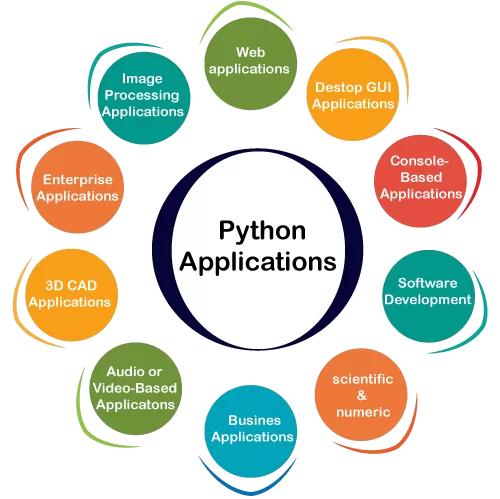
✅ Web Development
With frameworks like Django, Flask, and FastAPI, Python streamlines backend development, REST APIs, and even serverless apps.
🤖 Artificial Intelligence & Machine Learning
Python powers cutting-edge AI/ML tools:
- TensorFlow
- Keras
- Scikit-learn
- PyTorch
📊 Data Science & Visualization
From cleaning to visualization, libraries like Pandas, NumPy, Matplotlib, and Seaborn make Python the go-to computer language for data professionals.
🛠 Automation and Scripting
Automate daily tasks, rename files, scrape websites, build bots—Python makes it effortless. (Pro tip: Check out Automate the Boring Stuff with Python!)
🎮 Game Development
Use Pygame to create 2D games or prototypes quickly.
📱 GUI and Mobile Applications
Frameworks like Kivy and Tkinter allow you to build lightweight desktop and mobile apps using Python.
Learning Python: Step-by-Step Python Language Tutorial for Beginners
Thinking, “How do I start learning the Python programming language?” — here’s your game plan.
🧠 Step 1: Install Python 3
Visit python.org and install the latest version.
💻 Step 2: Choose Your IDE
Use beginner-friendly editors like:
- PyCharm
- VS Code
- Jupyter Notebooks (especially for data science)
🔤 Step 3: Learn the Basics
Start with:
- Variables & data types
- If-else statements
- Loops (for, while)
- Functions
- Lists, tuples, and dictionaries
- Classes and OOP
💡 Step 4: Practice Projects
Build simple apps:
- To-do list
- Calculator
- Web scraper
- Basic portfolio website
Python vs Other Popular Programming Languages
| Feature | Python | Java | C++ | JavaScript |
|---|---|---|---|---|
| Syntax | Easy | Verbose | Complex | Moderate |
| Speed | Moderate | High | Very High | Fast |
| Use Cases | Versatile | Enterprise | System-level | Web |
| Learning Curve | Low | Medium | High | Medium |
| Community | Massive | Large | Medium | Massive |
Python might not win on raw speed, but when it comes to ease of use, rapid development, and community support, it’s unmatched.
Why Learn Python Programming Languages in 2025?
Still wondering why you should invest in learning Python in 2025?
- Used by Tech Giants: Google, Netflix, NASA, Dropbox, and more.
- Career Opportunities: Python devs are among the highest paid.
- Ideal for Learners: Teaches core programming concepts.
- Flexible Career Path: Jump between web dev, data, AI, and automation.
- Perfect for Self-Learners: Tons of free and paid tutorials online.
Common Beginner Mistakes When Learning the Python Programming Language
Watch out for these rookie errors:
- Indentation mistakes (Python is whitespace-sensitive!)
- Mixing tabs and spaces
- Forgetting colons (
:) in conditionals and loops - Misunderstanding mutable vs immutable types
- Skipping virtual environments (pipenv or venv helps you manage packages!)
Final Thoughts: Ready to Write Your First Python Code?
If you’ve stuck with us and you have read all of this material, you should now realize that the Python programming language is not just another coding language, but it’s your springboard to a new career path, hobby, or possibly a startup.
Whether you are working with automation, AI, or app development, Python is the way you can go.
So what are you waiting for?
Just start with that first line:
print("Hello, Python World!")And trust me, from there—it only gets better.
🔗 Related Links