Types of Products: A Complete Guide to Consumer and Industrial Products

Have you ever stopped to think about how many different products you interact with every single day? From the toothpaste you squeeze onto your brush in the morning to the laptop you’re reading this on right now — products surround us constantly.
But here’s something most people don’t realize. Not all products are created equal. The milk you grab on your way home is a completely different type of product compared to, say, the massive machine that printed the milk carton in the first place.
That’s exactly what we’re going to explore today. Understanding the types of products isn’t just helpful for business students or marketing professionals — it gives everyone a clearer picture of how the economy around us actually works.
Let’s break it all down in a way that actually makes sense.
What Are Types of Products?
In simple terms, types of products refer to the different categories of items that companies create and sell to customers or other businesses. These items can be as basic as a bar of soap or as complex as an aircraft engine.
The two broadest categories of products are:
- Consumer products — made for everyday people to use personally
- Industrial products — made for other businesses to use in their operations
Each of these categories has its own sub-classifications, and understanding those distinctions matters. Why? Because the way a company markets a candy bar is wildly different from how it markets a factory machine. The target audience, pricing strategy, distribution method, and advertising approach all depend on what type of product we’re talking about.
Businesses invest heavily in market research to figure out where their product fits, who wants it, and how to reach those people effectively. Let’s start with consumer products since those are the ones you and I deal with most often.
Consumer Products
Consumer products are the goods people buy for their own personal use — not for resale, not for manufacturing, just for living their everyday lives. Think about everything you bought last week. Most of it falls under this category.
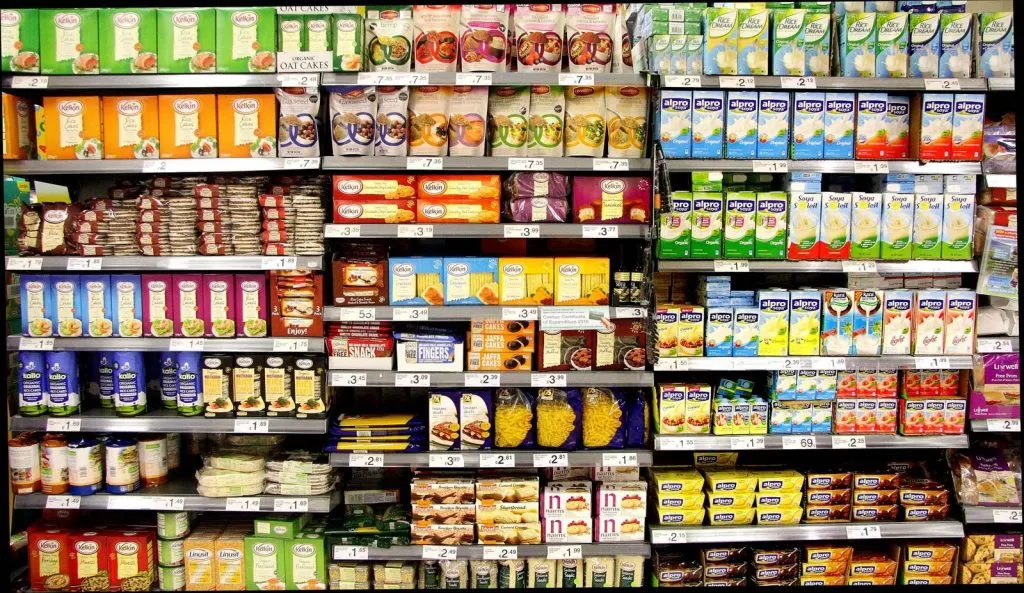
Marketers typically divide consumer products into four main types. Let’s walk through each one.
Convenience Products
These are the products you buy without putting much thought into it. They’re affordable, widely available, and purchased frequently. You probably don’t spend twenty minutes comparing brands of chewing gum at the store, right? That’s a convenience product.

Common examples include:
- Milk, bread, and eggs
- Candy bars and snacks
- Magazines and newspapers
- Laundry detergent
- Toothpaste
Convenience products themselves come in three flavors:
- Staple goods: Items people buy regularly and consistently. A parent who always buys the same brand of cereal for their kids is purchasing a staple good.
- Impulse goods: Items you didn’t plan to buy but grabbed anyway. That pack of gum at the checkout counter? Impulse purchase.
- Emergency goods: Items you only buy when something urgent comes up. Think umbrellas during a sudden rainstorm or batteries when the power goes out.
The key takeaway here is that convenience products are all about accessibility and ease. People want them fast, and they don’t want to overthink the decision.
Shopping Products
Shopping products sit one level up. These are items people deliberately research, compare, and evaluate before spending their money. They cost more, and buyers want to make sure they’re getting real value.

Common examples include:
- Cars and motorcycles
- Furniture and home appliances
- Clothing and shoes
- Electronics like smartphones and laptops
Shopping products split into two sub-types:
- Homogeneous shopping products: These are pretty similar across brands. When buying a washing machine, for instance, most options from major brands do roughly the same thing — so price becomes the deciding factor.
- Heterogeneous shopping products: These vary significantly in style, quality, and features. A designer jacket and a generic one serve the same basic function, but people evaluate them on completely different criteria like brand prestige, material quality, and aesthetics.
If you’ve ever spent a weekend reading reviews before buying a new TV, you know exactly what shopping products feel like.
Specialty Products
Specialty products are the showstoppers. These are unique, high-quality items that people actively seek out, often with strong brand loyalty. Buyers don’t just accept a higher price — they expect it, because they believe the product is worth every penny.
Common examples include:
- Luxury watches like Rolex or Omega
- Designer handbags from brands like Louis Vuitton
- High-end sports cars like Ferrari or Lamborghini
- Premium gourmet foods and wines
- Custom-made jewelry

What makes specialty products fascinating is that availability isn’t really a dealbreaker. A Ferrari enthusiast will travel to another city or even another country to buy their dream car. They’re not settling for whatever is on the nearest lot.
Marketing for specialty products focuses heavily on brand image, exclusivity, and craftsmanship rather than price comparisons.
Unsought Products
Now here’s the category most people overlook — literally. Unsought products are items people don’t actively think about buying until a specific situation pushes them to. Nobody wakes up excited to purchase life insurance or schedule a funeral service, but these things become necessary under certain circumstances.
Common examples include:
- Life and health insurance
- Funeral and burial services
- Charitable donations
- Blood donation services
- Emergency roadside assistance
Selling unsought products is genuinely challenging. Companies often rely on direct marketing techniques — think door-to-door salespeople, telemarketing, or aggressive online advertising — to make people aware of why they need the product before they actually need it.
Industrial Products
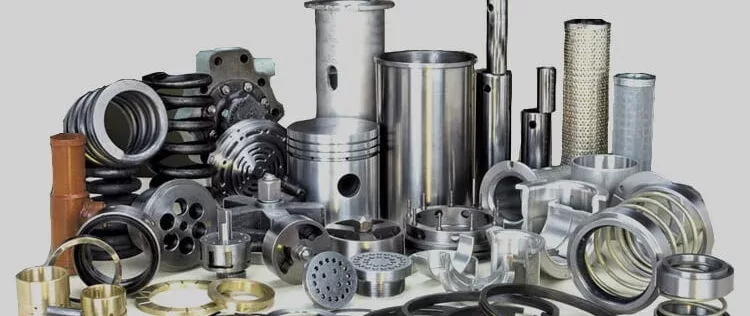
Now let’s flip the script. Industrial products aren’t something you or I typically buy at a store. These are goods that businesses purchase to help run their operations or manufacture other products. The buyer here isn’t an individual consumer — it’s a company.
Industrial products play a massive role in the global economy. Without them, there would be no consumer products to enjoy. Let’s look at the main types.
Capital Goods
Capital goods are the big-ticket items businesses use to produce other goods or deliver services. We’re talking about machinery, factory buildings, commercial vehicles, and specialized equipment.
Examples include:
- Manufacturing assembly line machines
- Commercial ovens for bakeries
- MRI machines for hospitals
- Tractors and harvesters for farming
These are expensive investments, and companies often spend months or even years planning before making a purchase.
Raw Materials
Raw materials are the basic, unprocessed resources that go into creating finished products. They’re the starting point of almost every manufacturing chain.
Examples include:
- Timber and lumber
- Cotton and wool
- Crude oil
- Wheat, corn, and other agricultural products
- Iron ore and other minerals
The quality and availability of raw materials directly impact what companies can produce and at what cost.
Component Parts
Component parts are items manufactured separately and then assembled into a larger final product. They’re already processed to some degree but aren’t finished goods on their own.
Examples include:
- Computer processors and hard drives
- Tires for automobiles
- Electric motors
- Microchips and circuit boards
A single smartphone contains hundreds of component parts sourced from manufacturers around the world.
Major Equipment
Major equipment refers to the large, costly machinery and installations essential to a company’s production process. Unlike capital goods that might include buildings, major equipment specifically focuses on production machinery.
Examples include:
- CNC (Computer Numerical Control) machines
- Industrial furnaces and kilns
- Oil drilling rigs
- Large-scale printing presses
Companies often invest in ongoing research to upgrade and improve their major equipment for better efficiency and output.
Accessory Equipment
Accessory equipment includes the smaller tools and items that support business operations but aren’t directly part of the manufacturing process itself.
Examples include:
- Office computers and printers
- Warehouse shelving units
- Hand tools like wrenches and screwdrivers
- Safety gear like helmets and goggles
These items are generally less expensive than major equipment and are replaced more frequently.
Operating Supplies
Operating supplies are the everyday consumables businesses go through during regular operations. Think of them as the industrial equivalent of convenience products.
Examples include:
- Paper, pens, and office stationery
- Cleaning supplies and janitorial products
- Lubricants for machinery
- Light bulbs and batteries
Companies typically buy operating supplies in bulk from trusted suppliers to keep costs down and ensure they never run out.
Products vs. Services
One question that comes up constantly is: how do products differ from services? It’s a fair question, and the answer is simpler than you might think.
Products are physical, tangible items you can touch, hold, and use. A pair of shoes, a smartphone, a jar of peanut butter — these are all products.
Services are intangible actions or experiences performed for someone else. A haircut, a yoga class, a streaming subscription on Netflix, or an online educational course — these are all services.
Here’s a quick comparison:
| Aspect | Products | Services |
|---|---|---|
| Tangibility | Physical and tangible | Intangible |
| Ownership | Can be owned and resold | Cannot be owned |
| Storage | Can be stored in inventory | Cannot be stored |
| Customization | Usually standardized | Often personalized |
| Return | Can be returned | Cannot be returned |
Some businesses offer both. A restaurant sells food (a product) but also provides dining experience and customer service (services). Understanding this overlap helps companies design better offerings and marketing strategies.
Become A Digital Marketing Professional With Kaashiv Infotech
Looking to dive into the world of digital marketing and build a successful career? Kaashiv Infotech is here for you! Our specialized Inplant Training (IPT) and certification programs are designed by industry experts to equip you with practical skills and real-time experience, helping you confidently step into the competitive digital marketing industry.
Let’s break down our course offerings to see what makes Kaashiv Infotech stand out
Live Industry Projects + Capstone: You’ll work on real-time industry projects (2 live projects per internship) to build a strong portfolio, along with a capstone project that demonstrates your expertise.
Practice Exercises: Strengthen your concepts with continuous hands-on practice and assignments that help you master essential digital marketing tools and strategies.
Doubt Clearing Sessions: Get your questions resolved through regular doubt sessions, ensuring complete clarity in every concept you learn.
Advanced Lab Access: Practice campaigns, analytics, SEO, and marketing tools in a dedicated lab environment designed to simulate real-world scenarios.
Industry-Oriented Curriculum: Learn up-to-date digital marketing techniques including SEO, SEM, social media marketing, and analytics that are directly aligned with industry needs.
Triple Certification: Earn Kaashiv’s Internship Certificate, IPT Certificate, and Industrial Exposure Certificate, adding strong value to your resume.
Interactive Q&A Forum: Collaborate with peers and mentors, exchange ideas, and get guidance throughout your learning journey.
Expert-Led Training: Learn from Microsoft MVPs and Google-recognized professionals who guide you with real-world insights and best practices.
Interview Opportunities: Get access to interview preparation resources, real interview question banks, and career guidance to boost your confidence.
100% Job Assistance + Career Support: Benefit from ATS-friendly resume building tools, placement support, and continuous assistance to help you land your dream job in digital marketing.
So what are you waiting for? Launch your digital marketing career with confidence! Join Kaashiv Infotech today and unlock your full potential.
Conclusion
Understanding the types of products is far more than an academic exercise — it’s practical knowledge that shapes how businesses operate, market, and succeed. Whether we’re talking about the convenience products you toss into your shopping cart without a second thought or the massive industrial equipment powering factories across the globe, every product type serves a specific purpose in the economy.
Consumer products break down into convenience, shopping, specialty, and unsought categories, each requiring a different marketing approach. Industrial products, on the other hand, include capital goods, raw materials, component parts, major equipment, accessory equipment, and operating supplies — all essential to keeping businesses running and producing the goods we rely on daily.
And then there’s the critical distinction between products and services — the tangible versus the intangible — which influences how companies package, price, and deliver value to their customers.
The more clearly you understand these categories, the better equipped you’ll be whether you’re launching a new business, managing an existing one, or simply becoming a smarter consumer.
FAQ
What are the main types of products?
The two main types of products are consumer products and industrial products. Consumer products are bought for personal use, while industrial products are purchased by businesses for their operations or manufacturing processes.
What are examples of consumer products?
Consumer products include everyday items like milk, bread, candy bars, clothing, smartphones, luxury watches, and insurance policies. These are divided into convenience, shopping, specialty, and unsought products.
How do consumer products differ from industrial products?
Consumer products are designed for individual personal use and are sold through retail channels. Industrial products are purchased by businesses for production, operations, or resale, and they’re typically sold through business-to-business (B2B) channels.
What are the four types of consumer products?
The four types of consumer products are convenience products (everyday essentials), shopping products (items you compare before buying), specialty products (unique premium items), and unsought products (items people don’t think about until needed).
What is the difference between products and services?
Products are tangible, physical items you can touch and own, like a phone or a book. Services are intangible actions or experiences performed for someone else, like a haircut, a massage, or a streaming subscription. Products can be stored and returned, while services cannot.