🔍 Key Highlights
- ✅ Introduction to the Types of Software Testing
- ✅ Covers Manual and Automation testing types
- ✅ Real-world examples for better understanding
- ✅ Importance of each software testing type
- ✅ Internal and external resources to explore more
Types of Software Testing: What You Need to Know Right Now 🚀
When building software, testing is one of the most important steps. Without testing, software may have bugs, security issues, or fail to meet user needs. That’s where understanding the types of software testing becomes critical.
Whether you’re a beginner or a seasoned QA engineer, knowing the different types of software testing can help you ensure better quality and performance in every release.
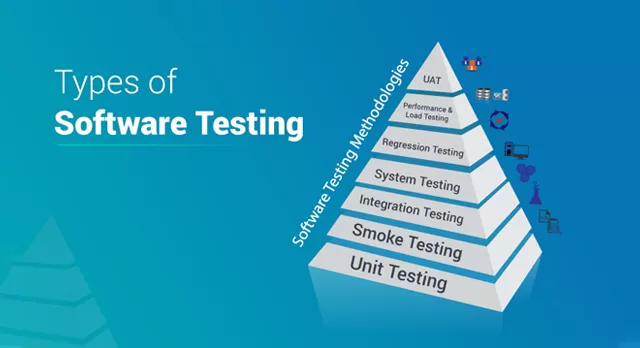
In this guide, we’ll walk you through 15 essential types of software testing, covering both manual and automated testing methods.
🧪 What Is Software Testing?
Software testing is the process of evaluating a software application to identify and fix bugs, verify that it meets requirements, and improve its quality and performance.
There are many types of software testing, each designed to test different parts and behaviors of the application. Let’s explore them one by one.
🔢 1. Unit Testing 🧱
Unit testing checks individual components (units) of code, usually functions or methods, in isolation.
- 🛠 Performed by: Developers
- 🔄 Automation: Common (using tools like JUnit, NUnit)
- ✅ Purpose: Ensure each piece works correctly
🔢 2. Integration Testing 🔗
This type of software testing focuses on checking how different modules or components work together.
- 👥 Performed by: Developers or testers
- 🔄 Tests interfaces and data flow between modules
- 🧪 Types: Top-down, bottom-up, big bang

🔢 3. System Testing 🌐
System testing validates the complete and integrated application as a whole.
- 👩💻 Performed by: QA team
- ✅ Checks if the entire system meets specifications
- 🔁 Includes functional and non-functional testing
🔢 4. Smoke Testing 🚬
A quick set of tests to check whether the build is stable.
- ✅ Also called: “Build Verification Testing”
- 📦 Performed after every build
- 💡 Helps identify critical issues early
🔢 5. Sanity Testing 🧠
This type of software testing checks specific functionality after changes or fixes.
- 🎯 Narrow focus
- ⚡ Quick and lightweight
- ❓ Did the bug fix actually work?
🔢 6. Regression Testing 🔁
Regression testing ensures that new code changes haven’t affected existing functionality.
- 🧪 Critical for large projects
- 🔄 Often automated using tools like Selenium
- 🔍 Focus: Catch unintentional side effects
🔢 7. Functional Testing 🧩
Checks whether the software functions according to the specified requirements.
- 📋 Based on: Test cases, user stories
- 🎯 Verifies inputs and expected outputs
- Examples: Login, form submission
🔢 8. Non-Functional Testing ⚙️
Non-functional testing focuses on performance, usability, security, and more.
Types include:
- ⏱ Performance Testing
- 🔐 Security Testing
- 🧭 Usability Testing
- 🧹 Maintainability Testing
🔢 9. Performance Testing ⏱️
This type of software testing measures how the app performs under load.
- 📈 Tests: Speed, scalability, stability
- 🔧 Tools: JMeter, LoadRunner
- 🎯 Goal: Ensure app runs smoothly under stress
🔢 10. Security Testing 🔐
Ensures your software is safe from threats, hacks, and vulnerabilities.
- 🛡️ Tests: Authentication, authorization, encryption
- 🧰 Tools: OWASP ZAP, Burp Suite
- 📉 Prevents data breaches
🔢 11. Usability Testing 🧑💻
This type of software testing checks how user-friendly your application is.
- 👥 Performed by: Real users or QA teams
- 🧭 Focuses on UI/UX
- 🎯 Goal: Improve the user experience
🔢 12. Compatibility Testing 🖥️📱
Checks if your software works on various browsers, devices, and OS.
- 🌍 Must for web and mobile apps
- 🔍 Ensures cross-platform functionality
- 🛠️ Tools: BrowserStack, Sauce Labs
🔢 13. Acceptance Testing ✅
Ensures the software meets business requirements and is ready for delivery.
- 🧑💼 Usually done by the client
- ✅ Two types: Alpha (in-house), Beta (end users)
- 🎯 Final approval before launch
🔢 14. Exploratory Testing 🧭
This type of software testing is performed without predefined test cases.
- 🤔 Relies on tester’s intuition and experience
- 🚶♂️ Unscripted and spontaneous
- 🔍 Helps uncover edge-case bugs
🔢 15. Automated Testing 🤖
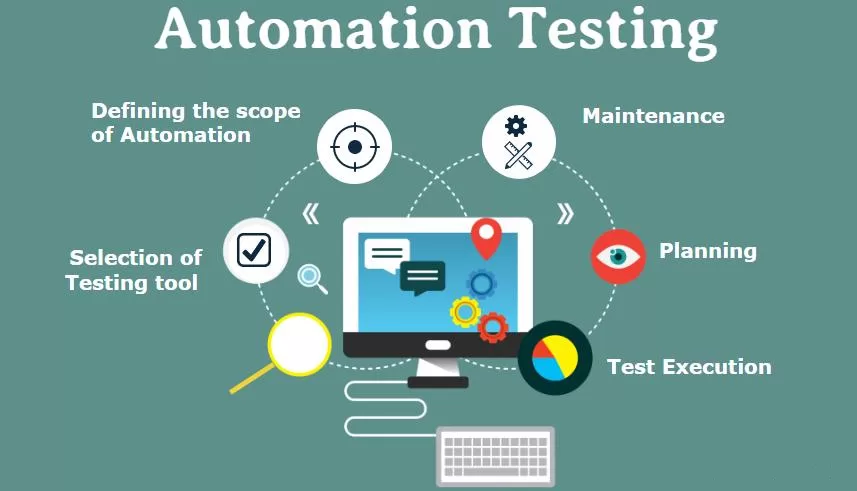
Automated testing uses tools and scripts to test software quickly and efficiently.
- ⚡ Fast and reliable for repetitive tests
- 🧪 Common tools: Selenium, Cypress, TestComplete
- 🤑 Saves time and cost in the long run
🧠 Why Are Different Types of Software Testing Important?
Each type of software testing plays a unique role in building robust and high-quality software.
✅ Detect bugs early
✅ Save time and cost
✅ Improve product reliability
✅ Ensure user satisfaction
Knowing these testing types is crucial for QA engineers, developers, and project managers alike.
🔗 Related Resources
- Top Automation Testing Tools in 2025
- Asana vs Jira: Which Project Tool is Best in 2025?
- 9 Best Applicant Tracking Systems (ATS) in 2025
🌐 Recommended Tools
✍️ Final Thoughts on Types of Software Testing
Understanding the types of software testing is like having a toolbox full of strategies to ensure your app is secure, functional, and reliable. From unit testing to acceptance testing, each one has its unique purpose.
So the next time you’re working on a project, make sure you’re using the right type of software testing for the job.
🎯 Whether you’re launching a mobile app, a website, or an enterprise solution — software testing ensures your product works flawlessly.