What Is NoSQL Databases: Features, Types, and Benefits
In today’s digital world, organizations generate massive amounts of data every second. From social media interactions and e-commerce transactions to IoT devices and mobile applications, the need to manage large volumes of diverse data has become more important than ever. Traditional relational databases have served businesses well for decades, but modern applications often require greater flexibility, scalability, and performance. This is where NoSQL database come into play.
NoSQL databases are designed to handle large-scale, distributed, and unstructured data efficiently. They are widely used by modern tech companies to power applications that demand speed, reliability, and flexibility. In this comprehensive guide, we’ll explore what NoSQL is, how it works, its types, advantages, and when you should consider using it.
What is NoSQL?
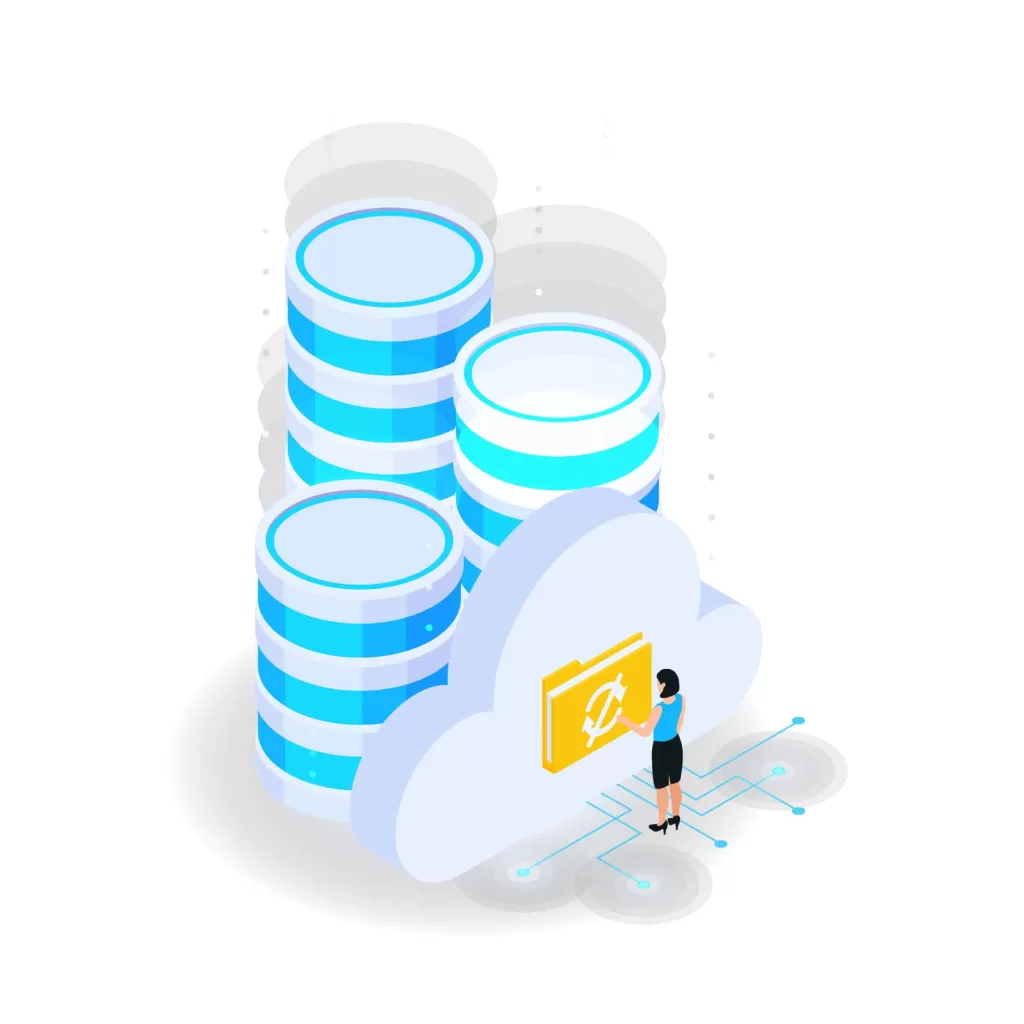
NoSQL, which stands for “Not Only SQL,” refers to a category of database management systems that do not rely on the traditional relational database structure. Unlike relational databases that store data in tables with predefined schemas, NoSQL databases use flexible data models that can handle structured, semi-structured, and unstructured data.
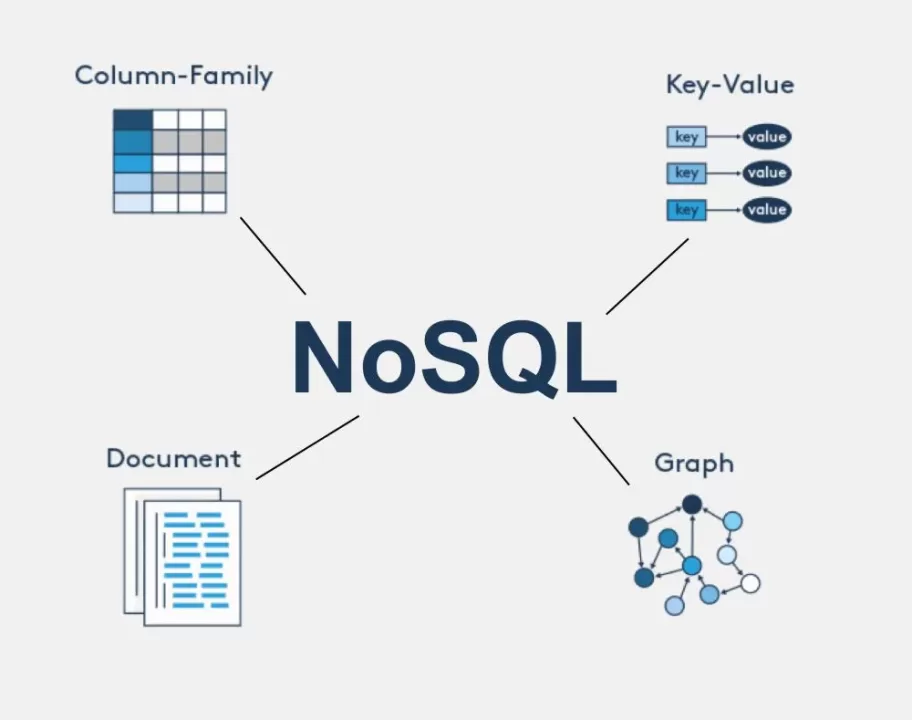
NoSQL databases were created to overcome limitations in relational databases when dealing with big data, high-speed processing, and distributed systems. Instead of using rows and columns, NoSQL databases may store data as documents, key-value pairs, graphs, or wide-column structures.
This flexibility allows developers to design applications that scale easily and adapt quickly to changing data requirements.
Why NoSQL Was Introduced
Traditional relational databases were built for structured data and consistent transactions. However, as web applications grew in complexity and scale, developers faced several challenges:
- Handling huge volumes of data
- Managing rapidly changing data structures
- Ensuring high availability across distributed systems
- Achieving faster read and write performance
NoSQL databases were introduced to address these challenges by offering horizontal scalability, schema flexibility, and distributed architecture.
Many large technology companies began adopting NoSQL solutions to support their rapidly growing platforms and real-time data processing needs.
Key Characteristics of NoSQL Databases
NoSQL databases differ from relational databases in several important ways.
1. Schema Flexibility
Relational databases require a predefined schema before storing data. NoSQL databases allow developers to store data without defining a rigid structure, making it easier to adapt to changing application requirements.
2. Horizontal Scalability
NoSQL databases are designed to scale horizontally by distributing data across multiple servers. Instead of upgrading a single server, organizations can simply add more servers to handle increased workloads.
3. High Performance
Because NoSQL databases are optimized for large-scale data operations, they often provide faster read and write speeds compared to traditional relational databases.
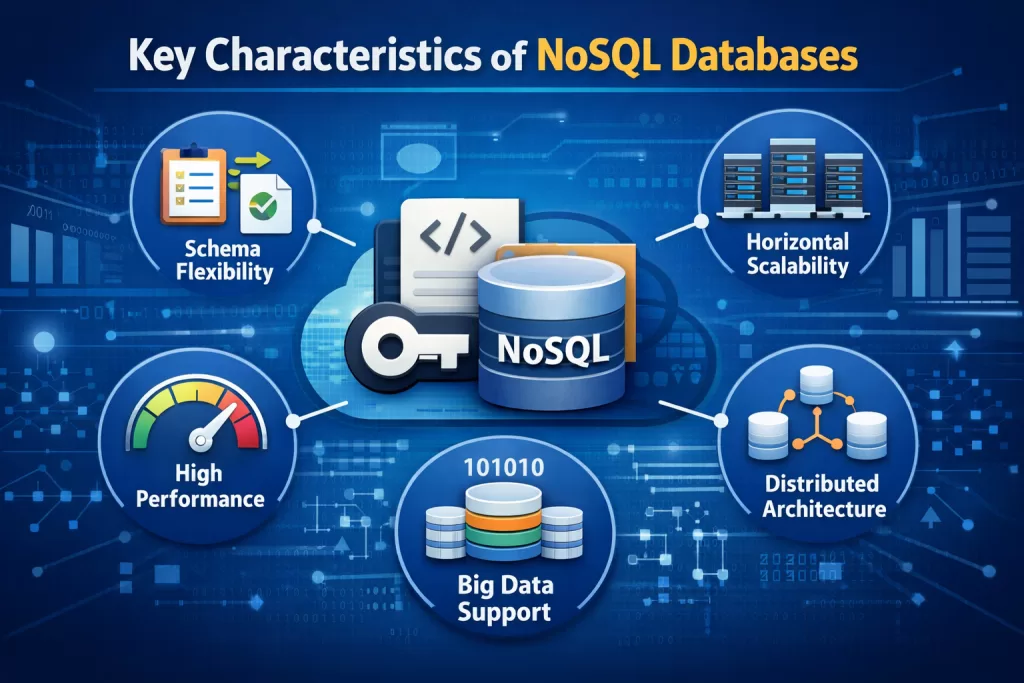
4. Distributed Architecture
Many NoSQL systems use distributed computing, meaning data is stored across multiple nodes. This improves reliability, fault tolerance, and availability.
5. Support for Big Data
NoSQL databases are widely used in big data applications where enormous volumes of data need to be processed and analyzed in real time.
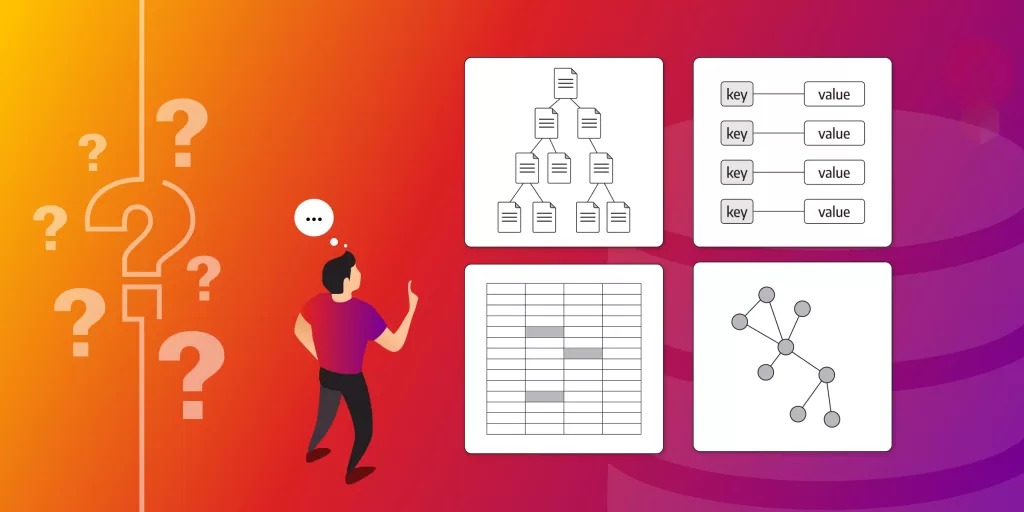
Types of NoSQL Databases
NoSQL databases come in several different types, each designed to handle specific types of data and use cases.
1. Key-Value Stores
Key-value databases store data as pairs consisting of a unique key and its associated value. This is one of the simplest forms of NoSQL databases and is extremely fast for retrieving data.
Example use cases include caching systems, session management, and user preference storage.
Popular key-value databases include Redis and Riak.
2. Document Databases
Document databases store data in document formats such as JSON, BSON, or XML. Each document contains all the information related to a particular record.
This model is highly flexible and widely used in modern web applications.
Popular document databases include MongoDB and CouchDB.
3. Column-Family Databases
Column-family databases store data in columns instead of rows. They are designed to handle large volumes of data distributed across many machines.
These databases are often used for big data analytics and large-scale applications.
Popular column-family databases include Apache Cassandra and HBase.
4. Graph Databases
Graph databases are designed to store and analyze relationships between data points. Data is represented as nodes and edges, making it ideal for relationship-based queries.
They are commonly used in social networks, recommendation systems, and fraud detection systems.
Popular graph databases include Neo4j and Amazon Neptune.
How NoSQL Databases Work
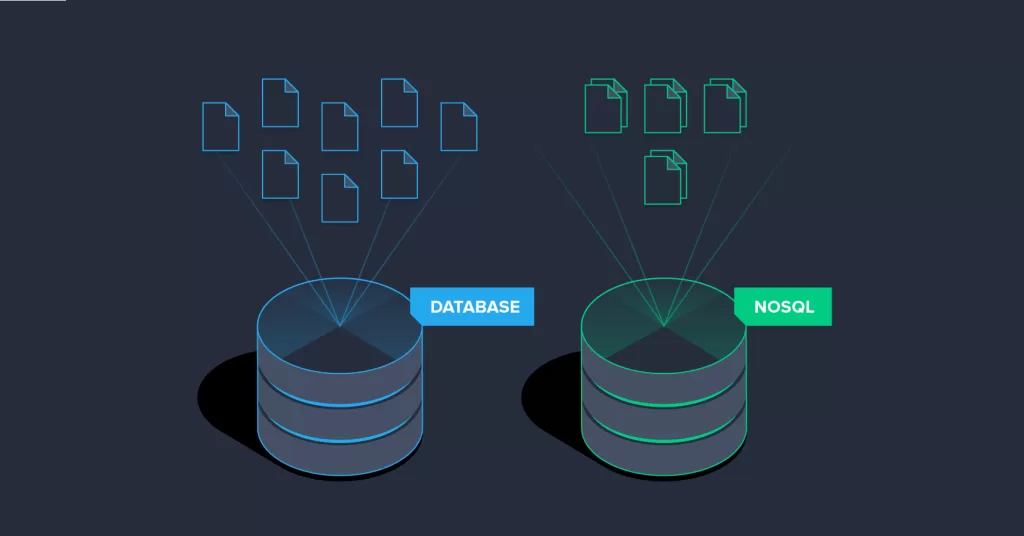
NoSQL databases work by using alternative data models instead of traditional tables. These models are optimized for scalability and distributed computing.
For example, in a document database, data is stored as JSON-like documents that can contain nested structures. This allows developers to store complex data in a single record without splitting it into multiple tables.
Many NoSQL databases also follow the BASE model:
- Basically Available – The system guarantees availability.
- Soft State – Data may change over time.
- Eventual Consistency – The system eventually becomes consistent.
This differs from relational databases that typically follow the ACID model, which prioritizes strict consistency and transaction reliability.
Advantages of NoSQL Databases
NoSQL databases provide several advantages that make them suitable for modern applications.
Flexibility
Developers can store different types of data without changing the database structure.
Scalability
NoSQL systems are designed to scale across many servers, making them ideal for high-traffic applications.
High Availability
Because data is distributed across multiple nodes, NoSQL systems are often more resilient to hardware failures.
Faster Development
Schema-less design allows developers to build applications quickly without constantly modifying database structures.
Big Data Handling
NoSQL databases are capable of processing massive volumes of data generated by modern applications.
Limitations of NoSQL Databases
Despite their benefits, NoSQL databases also have certain limitations.
Lack of Standardization
Unlike SQL, there is no universal query language used across all NoSQL systems.
Limited Complex Query Support
Some NoSQL databases do not support complex joins and advanced queries like relational databases.
Consistency Trade-offs
Many NoSQL databases sacrifice strict consistency for availability and performance.
Learning Curve
Developers who are familiar with relational databases may need time to understand different NoSQL data models.
NoSQL vs SQL Databases
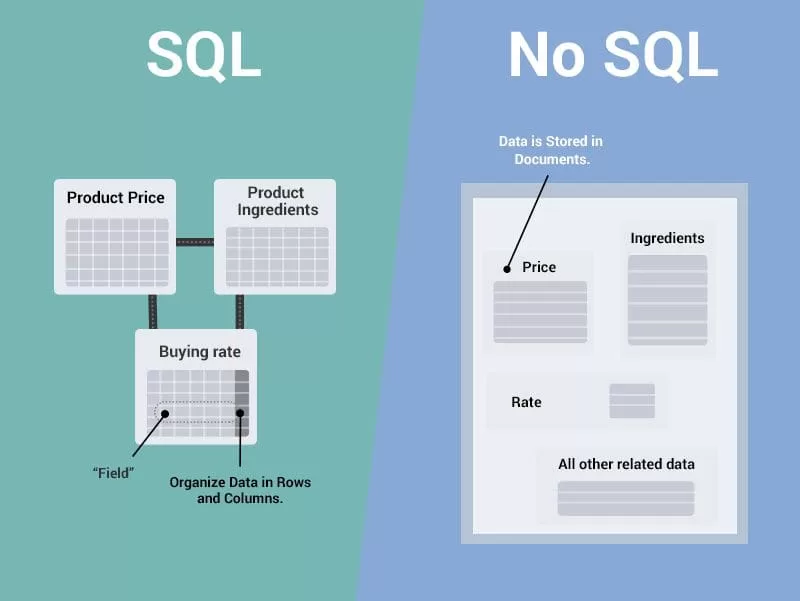
Understanding the difference between SQL and NoSQL databases helps developers choose the right technology for their applications.
| Feature | SQL Databases | NoSQL Databases |
|---|---|---|
| Data Model | Table-based | Multiple models |
| Schema | Fixed schema | Flexible schema |
| Scalability | Vertical scaling | Horizontal scaling |
| Query Language | SQL | Varies by database |
| Best For | Structured data | Large-scale distributed data |
SQL databases are ideal for applications that require strong consistency and complex transactions, while NoSQL databases are better suited for applications dealing with large-scale, rapidly changing data.
Popular NoSQL Databases
Several NoSQL databases are widely used in modern software development:
- MongoDB – Popular document database used in web applications
- Cassandra – Highly scalable distributed database used by large enterprises
- Redis – In-memory key-value store known for speed
- Neo4j – Leading graph database for relationship analysis
- Amazon DynamoDB – Fully managed NoSQL database offered by AWS
These databases power many large-scale platforms such as social media networks, streaming services, and online marketplaces.
Real-World Use Cases of NoSQL
NoSQL databases are used across many industries for different applications.
Social Media Platforms
Platforms like social networks use NoSQL databases to store user data, posts, and relationships between users.
E-commerce Websites
Online stores rely on NoSQL to manage product catalogs, customer data, and real-time inventory systems.
IoT Applications
IoT devices generate huge streams of sensor data that are efficiently stored and processed using NoSQL databases.
Real-Time Analytics
Companies use NoSQL databases to analyze massive datasets in real time for insights and decision-making.
When Should You Use NoSQL?
NoSQL databases are a good choice when:
- Your application handles large volumes of unstructured data
- You require high scalability and distributed systems
- Your data structure changes frequently
- Your application needs high-speed data processing
However, if your application requires complex transactions and strict data consistency, relational databases might still be the better option.
Conclusion
NoSQL databases have become an essential component of modern data management systems. Their flexible schema, horizontal scalability, and ability to handle massive datasets make them ideal for today’s high-performance applications.
As businesses continue to generate more data than ever before, NoSQL technologies provide developers with powerful tools to build scalable and efficient systems. Understanding how NoSQL works, its different types, and its advantages will help you determine when and how to use it effectively in real-world projects.
Whether you are building a large-scale web platform, a data-driven application, or a distributed system, learning NoSQL is an important step in becoming a modern software developer.
Kaashiv Infotech Offers, SQL Course, SQL Internship & More Visit Our website www.kaashivinfotech.com.
Related Reads: