12 SQL Questions That Will Seriously Boost Your DBMS Interview Confidence
Let’s be honest—preparing for sql questions can feel like staring at a mountain you’re not sure you can climb. I’ve been there, flipping through endless guides, feeling overwhelmed, and wondering.
Well, here’s some good news. I’ve compiled the 12 most practical SQL questions that interviewers actually ask, along with tips, real-life examples, and mistakes I’ve made so you don’t have to.
By the time you finish reading, you’ll feel ready to tackle sql questions like a pro and even enjoy the process.

source by : Project Pro
1. What Is a SQL Query and Why Does It Matter?
Let’s start with the obvious—sql questions always begin here.
A SQL query is basically how you “talk” to your database. Think of it like asking your friend for a favor—you need to be clear, otherwise, you’ll get the wrong response.
For example, once I needed a list of customers who hadn’t purchased in the last six months. My query looked like this:
SELECT * FROM Customers
WHERE LastPurchaseDate < '2025-06-01';
Here’s what I tell interviewers: “A SQL query is more than code—it’s a precise question you ask your data, and the database provides the answer. Writing efficient queries saves time and prevents headaches later.”
💡 Tip: Practice framing queries in plain English first—it makes translation to SQL much easier.
2. Difference Between DELETE, TRUNCATE, and DROP
This one used to trip me up big time. Here’s my simple way to remember:
- DELETE – Removes specific rows (requires WHERE).
- TRUNCATE – Clears all rows but keeps the table. Fast and tidy.
- DROP – Deletes the table completely. ⚠️ Use carefully!
Personal story: I once cleaned old log data with TRUNCATE and accidentally thought it was DELETE. Learned the hard way—don’t repeat my mistake!
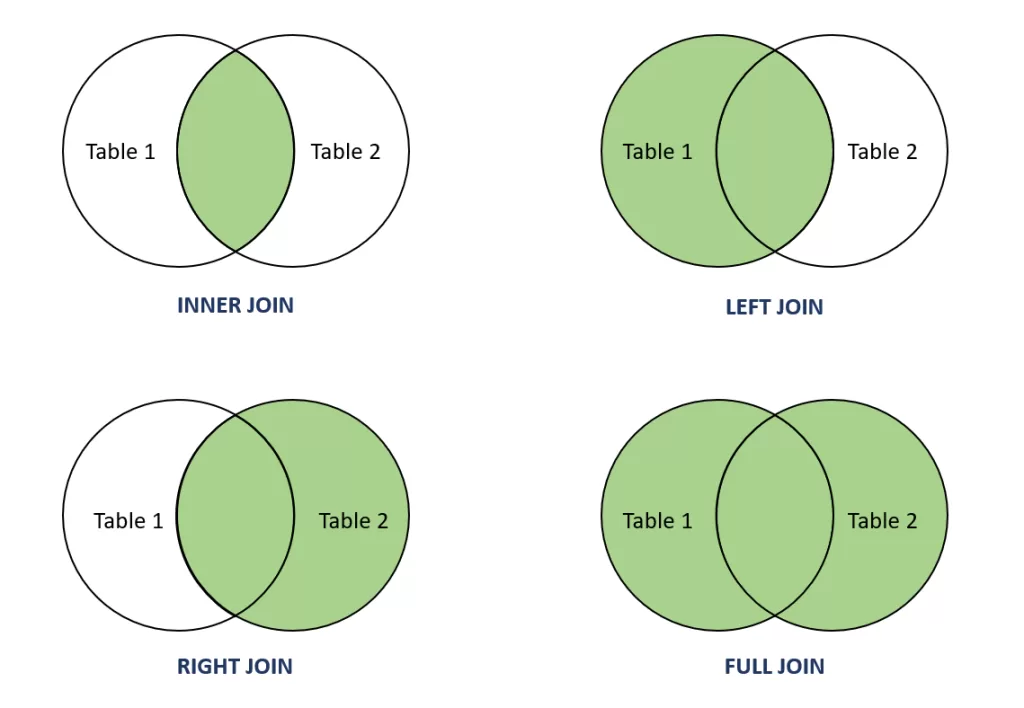
3. Types of Joins in SQL
I like to think of joins as matchmakers—they connect tables to give meaningful insights.
- INNER JOIN – Only matching rows
- LEFT JOIN – All from left, matching from right
- RIGHT JOIN – All from right, matching from left
- FULL JOIN – Everything, matching or not
Example from my experience: I needed a report combining customer info with their orders. Some customers hadn’t bought anything yet. Using LEFT JOIN, I could list every customer AND their orders. Interviewers love answers with real-life scenarios.
source by: Alpha coding Skills
4. How Do You Optimize SQL Queries?
Optimization used to scare me until I realized it’s all about logic. Here’s what I do:
- Index columns that are frequently searched
- Avoid
SELECT *—pick only what’s needed - Break complex queries into smaller, simpler parts
- Use
EXPLAINto see how SQL executes your query
Once, a report query was taking 5 minutes. After adding an index and filtering before joining, it dropped to 20 seconds. That’s a story interviewers like hearing—it shows problem-solving.
5. Primary Key vs Foreign Key
Analogy time! 📝
- Primary Key – Unique ID, like your passport
- Foreign Key – References a primary key, like a visa linked to your passport
Example: EmployeeID in the Employee table is a primary key, and it’s a foreign key in the Salary table. Using analogies makes sql questions much easier to answer confidently.
6. What Are Views and When Should You Use Them?
Views are saved queries. I can’t stress enough how they save time.
Example: I created a view combining customer info and their last purchase. Instead of rewriting the sql query every day, I just queried the view. Views are also great for security—you can limit access without giving the full table.
7. Normalization Explained
Normalization is organizing data to reduce redundancy.
I remember my first messy project. Data was scattered everywhere, and it was a nightmare to manage. After normalization, finding anything was a breeze.
Analogy: Think of a closet—shirts in one drawer, pants in another. Easy to find, right? That’s what normalization does for databases.
8. Stored Procedures: Why They Matter
Stored procedures are reusable SQL “recipes.”
Example: I needed a monthly sales report. Instead of writing a long query every month, I created a stored procedure. One call, and the report was ready. Efficient and interviewer-friendly!
9. Handling NULL Values
NULLs can be tricky. I learned this the hard way when one report gave incomplete data.
Tips I share in interviews:
- Use
IS NULLorIS NOT NULL - Handle defaults with
COALESCE() - Always consider NULLs in joins
10. Transactions and ACID Properties
ACID is golden if you want to impress.
- Atomicity – All or nothing
- Consistency – Data remains valid
- Isolation – Transactions don’t interfere
- Durability – Changes are permanent
Example: Money transfer between accounts. One failure and you don’t want half the transaction processed. Real-life examples make sql questions memorable.
11. UNION vs UNION ALL
Small but tricky.
- UNION – Removes duplicates
- UNION ALL – Keeps all records
I once mixed them up in my first interview. Admitting your learning experiences can actually work in your favor.
12. Practical SQL Query Problem
Interviewers love to test logic, not just memorization.
Example: Find the second-highest salary:
SELECT MAX(Salary)
FROM Employees
WHERE Salary < (SELECT MAX(Salary) FROM Employees);
Simple, clean, and shows problem-solving skills.
My Personal Tips for SQL Interviews
- Understand concepts; don’t just memorize.
- Talk through your queries. Let interviewers follow your thought process.
- Use real-life examples—they stick.
- Ask clarifying questions—it shows analytical thinking.
- Stay calm—you’ll forget less when relaxed.
Key Takeaways
- SQL questions test understanding more than memory.
- Focus on joins, keys, views, transactions, and optimization.
- Real-life examples and analogies make answers memorable.
- Personal stories make you stand out.
For extra practice, check out W3Schools SQL Tutorial or Coursera SQL Courses.
source by : GeeksforGeeks
Final Thoughts ✨
Preparing for sql questions doesn’t have to feel like climbing a mountain blindfolded. From my own experience, the secret isn’t just memorizing queries—it’s understanding them, practicing them, and being able to explain your thought process clearly.
Remember:
- Interviews aren’t just about getting the “right” answer—they’re about showing how you think.
- Using real-life examples or personal stories makes your answers stick in the interviewer’s mind.
- Don’t shy away from tricky topics like transactions, joins, or NULL handling—they’re your chance to shine.
- Practicing small sql questions daily builds confidence and muscle memory, so when you’re in the hot seat, it feels natural.
Honestly, every interview I’ve taken, the questions that I nailed were the ones I had practiced with understanding, not rote memorization. So, my advice? Start small, think big, and treat each sql question as a puzzle you get to solve.
And one more thing—don’t stress if you don’t know everything. Being honest, curious, and analytical goes a long way. After all, databases are all about asking the right questions—and if you can do that, you’re already halfway there.
want to learn more?, kaashiv infotech offers, SQL Course , data science course, data analytics and more visit their website www.kaashivinfotech.com
Related Reads
- What is a Subquery?
- What is a Database Key?
- What is Normalization?
- what is sql?
- 25 SQL Query Interview Questions That Actually Help You Get the Job
- SQL Triggers Explained with Student Database Example