So, How Do I Define Experiences?
Let me be straight with you. If I had to define experiences in one sentence, I’d say:
“Experiences are the real-life moments, memories, and emotions that shape how we think, feel, and act.”

They’re not just events — they’re impact points.
Some of them break us. Some of them build us.
Most of them teach us.
Take my first job interview, for example. I wore a blazer two sizes too big, fumbled through my answers, and awkwardly smiled the whole time. I didn’t get the job — but you know what? That experience taught me how to prepare better for the next one. It wasn’t just a moment. It was growth disguised as embarrassment.
💡 Why Is Experience So Important?
Whether you’re talking about life experience, professional experience, or something more emotional like a first heartbreak, they all serve a purpose. Here’s what experience does:
- 🔄 It shapes your perspective
- 🎯 It helps you learn from mistakes
- 🤝 It connects you with others
- 🧠 It reinforces memories and emotions
We are literally the sum total of our experiences. Every step we take, every risk, every failure, every little win — they define who we become.
If you’re here to learn how to define experiences in a meaningful, human way, you’re already halfway there. Why? Because you’re being mindful. And mindfulness is the first step to transformation.
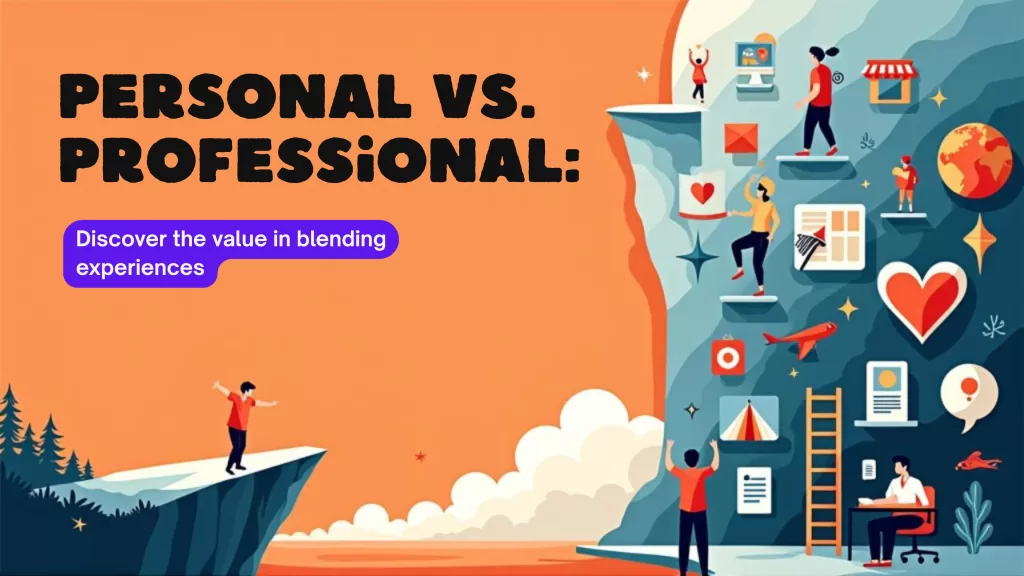
🎢 Personal vs. Professional Experiences (And Why Both Matter)
Let’s break it down a bit more.
We tend to bucket experiences into “personal” or “professional.” But real life? Oh, it’s messy. The lines blur all the time.
💙 Personal Experiences
These are the ones that tug at your heart. First love. Losing someone close. Traveling alone for the first time. Watching your favorite show on repeat because it reminds you of simpler days.
These are not just stories — they’re emotional bookmarks in the novel of our lives.
“I’ll never forget the day I stood at the edge of a cliff in Munnar, the fog surrounding me like a blanket. I felt free. That was an experience I didn’t expect to change me — but it did.”
🧑💼 Professional Experiences
Ah yes, the career ladder. Every job, every team, every client disaster — yep, all of it counts.
But don’t reduce it to bullet points on a resume. Think about what each role taught you. Maybe your first internship taught you time management. Maybe your annoying boss taught you patience (or at least how to fake it).
That’s what experience is all about. Learning through doing.
📚 Academic Definition of Experience
If you’re the kind of person who loves a bit of textbook logic, here’s the academic twist.

According to psychologists and educators, experience is the process of encountering or undergoing events that influence an individual’s perception, knowledge, or skills.
It’s rooted in experiential learning theory, where knowledge isn’t just handed to you — it’s earned through direct involvement.
That means when you fall off the bike 12 times before riding it confidently on the 13th try? That’s real experience. And trust me, it sticks.
Want to go deeper? Check out Kolb’s Experiential Learning Theory, which breaks it down beautifully.
🌍 The Digital Age of Experience: What Changed?
Let’s talk modern-day buzz.
“User experience,” “customer experience,” “digital experience” — the internet is bursting with them.

But here’s what I believe:
No matter how advanced technology gets, the core of experience stays human.
Even in UX/UI design, we’re trying to mirror human emotion. That’s why we test interfaces for simplicity, joy, frustration — because we’re not designing for machines. We’re designing for experiences.
🧘♂️ Define Experiences That Heal You
Here’s a thought you won’t find in textbooks.
Not all experiences feel good. Some experiences shatter you. But over time, they shape you.
I went through a burnout phase last year. I couldn’t get out of bed some days. But that painful experience taught me boundaries. It helped me prioritize mental health over hustle culture. And now, I listen to my body before my calendar.
So, if you’re going through something tough — I see you. And your experience matters. It’s valid, it’s real, and one day, it might even guide someone else.
🎯 Final Thoughts: Why You Should Define Experiences in Your Own Way
Don’t wait for society or Google to tell you what an “experience” should be.
Define experiences on your own terms. Your joy. Your mistakes. Your heartbreaks. Your awkward moments. All of it.
Write them down. Reflect on them. Let them fuel your growth.
Because here’s the truth 👇
“Experience isn’t just what happens to us — it’s what we do with what happens.”
🔗 Useful Links You Might Like:
- Kaashiv Infotech Courses on UI/UX, Data Science, AI
- Future Of Virtual Reality In Everyday Life
- Summer Solstice 2025 — 11 Things to Know About the Longest Day of the Year
📝 Frequently Asked Questions
Q1: What’s the simplest way to define experiences?
A: Experiences are real-life moments that help us learn, grow, and remember.
Q2: Why do we need experience?
A: Because no theory can replace real learning. Experiences help us make better choices and understand the world.
Q3: Can bad experiences be good?
A: Absolutely. They may hurt in the moment, but they often carry the deepest lessons.