
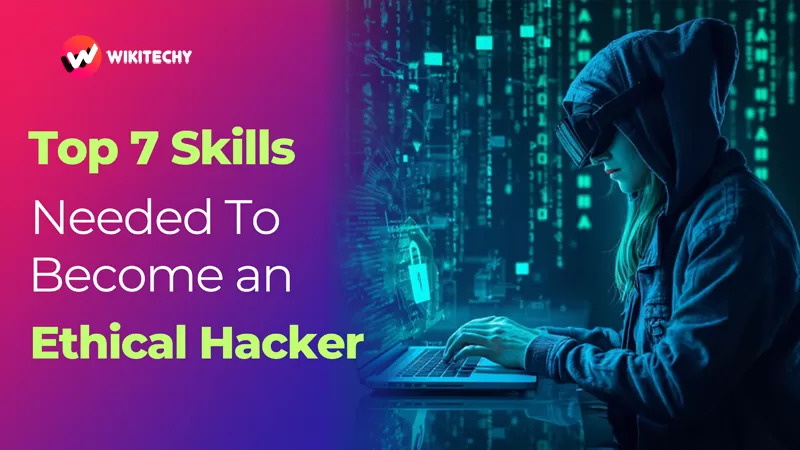
Ethical hacker skills – With cyberattacks increasing every year, organizations are actively hiring ethical hacker skills to identify vulnerabilities before malicious attackers exploit them. Ethical hacking is no longer just a niche skill—it’s a high-demand cybersecurity career with global opportunities.
However, becoming an ethical hacker is not about learning a few tools and running scans. It requires a strong foundation of technical knowledge, analytical thinking, and ethical responsibility. In this article, we’ll explore the top 7 essential skills you must master to become a successful ethical hacker, explained in detail from beginner to professional level.
Top 7 Ethical Hacker Skills
1. Strong Networking Fundamentals
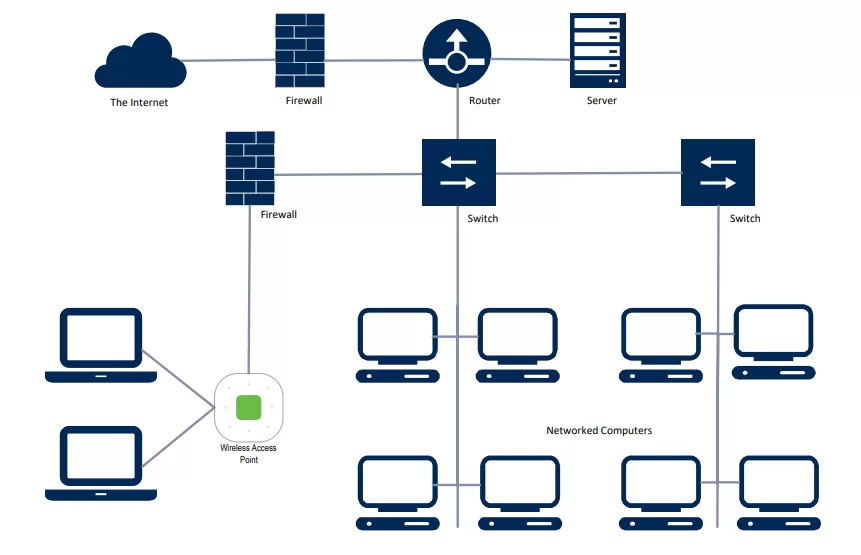
Networking is the backbone of ethical hacking. Almost every cyberattack targets a network in some form—whether it’s a website, server, or cloud infrastructure. Without understanding how data travels, it’s impossible to identify where vulnerabilities exist.
An ethical hacker must clearly understand:
- How TCP/IP, UDP, HTTP, HTTPS, FTP, and DNS work
- IP addressing, subnetting, NAT, and routing
- Network devices such as routers, switches, firewalls, and load balancers
- Common network attacks like ARP spoofing, DNS poisoning, and MITM attacks
When you understand networking deeply, you can analyze traffic, identify abnormal behavior, and exploit misconfigurations ethically. Tools like Wireshark, Nmap, and Netcat become far more powerful when backed by strong networking knowledge.
2. Proficiency in Operating Systems (Linux & Windows)
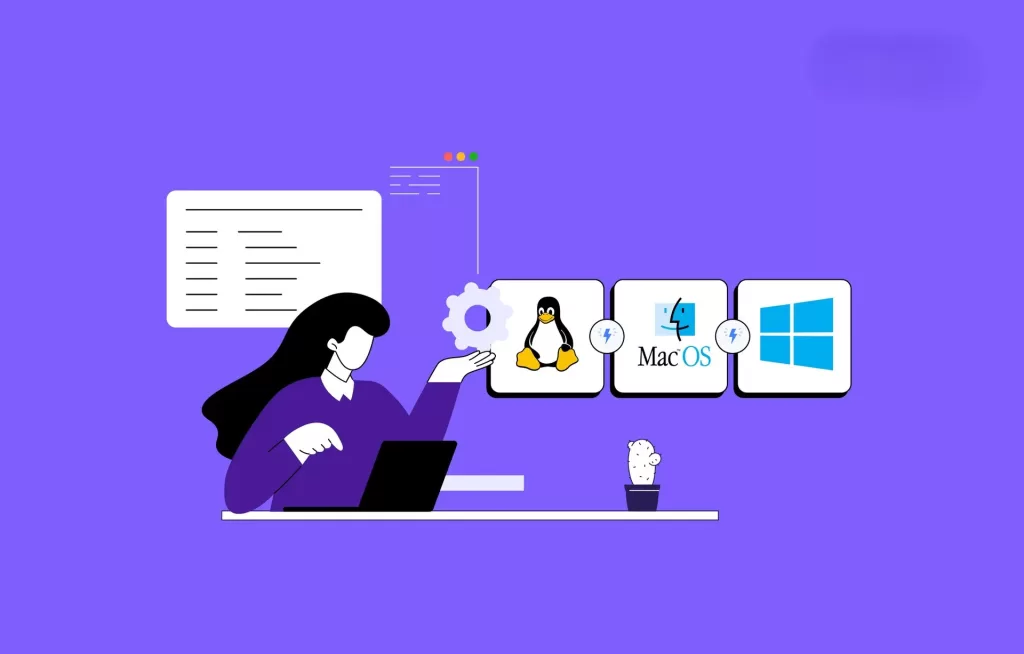
Ethical hackers must be comfortable working across multiple operating systems. Most hacking tools are designed for Linux environments, while many real-world targets run on Windows servers.
Linux skills are especially critical because:
- Kali Linux and Parrot OS are industry-standard hacking platforms
- Most servers, firewalls, and cloud systems run on Linux
- Command-line usage improves automation and efficiency
You should be confident with:
- Linux file systems, permissions, processes, and services
- Bash commands and shell scripting
- Windows architecture, registry, services, and Active Directory basics
An ethical hacker who understands OS internals can find privilege escalation paths, misconfigurations, and security loopholes that automated tools often miss.
3. Programming and Scripting Knowledge
Programming is not about becoming a software developer—it’s about understanding how applications are built and broken. Ethical hackers use programming skills to analyze vulnerabilities, modify exploits, and automate attacks responsibly.
Key languages to focus on include:
- Python – for automation, exploit development, and scripting tools
- JavaScript – essential for web attacks like XSS and DOM-based vulnerabilities
- PHP / Java / C# – to understand server-side logic and flaws
- SQL – critical for SQL injection testing
- Bash / PowerShell – for system-level automation
With scripting skills, you can write custom payloads, automate scans, and understand why a vulnerability exists instead of blindly exploiting it.
4. Deep Understanding of Web Technologies
Most cyberattacks today target web applications. Ethical hackers must understand how websites function behind the scenes to identify weaknesses accurately.
You need knowledge of:
- HTML, CSS, JavaScript basics
- How client-side and server-side communication works
- Cookies, sessions, authentication, and authorization mechanisms
- REST APIs, JSON, and token-based authentication
This knowledge helps you detect vulnerabilities like SQL Injection, Cross-Site Scripting (XSS), CSRF, IDOR, and file inclusion attacks. Without understanding web architecture, ethical hacking becomes guesswork rather than skill.
5. Knowledge of Cybersecurity Concepts & Attack Techniques
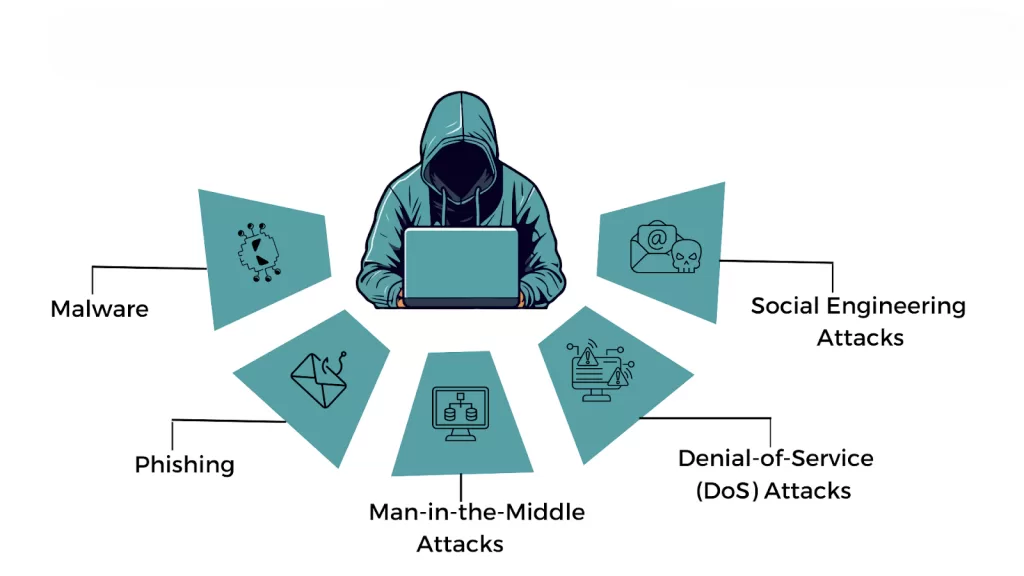
Ethical hackers must think like attackers—but act responsibly. This requires deep knowledge of common attack vectors and defense mechanisms.
Important areas include:
- OWASP Top 10 vulnerabilities
- Malware types (trojans, ransomware, spyware)
- Password attacks (brute force, credential stuffing)
- Wireless attacks (WPA/WPA2 cracking, evil twin)
- Social engineering techniques and human vulnerabilities
Understanding how attacks work allows ethical hackers to simulate real-world threats and recommend practical security improvements.
6. Hands-On Experience with Ethical Hacking Tools

Tools don’t make you a hacker—but they enhance your effectiveness when used correctly. Ethical hackers must gain hands-on experience with industry-standard tools.
Some essential tools include:
- Nmap – network scanning and enumeration
- Burp Suite – web application testing
- Metasploit – exploitation framework
- Wireshark – packet analysis
- Hydra – password testing
- Nikto – web server scanning
Hands-on labs, CTF challenges, and test environments help you understand how tools behave in real scenarios, not just in theory.
7. Ethical Mindset, Legal Awareness & Problem-Solving Skills

Ethical hacking is as much about responsibility as it is about skill. Without proper authorization, hacking is illegal—even if your intentions are good.
An ethical hacker must:
- Understand cybersecurity laws and compliance standards
- Work only within legal permission and scope
- Document findings clearly and responsibly
- Think critically and creatively to solve complex problems
Strong problem-solving skills help you identify attack paths, chain vulnerabilities, and think beyond automated scans. Employers value ethical hackers who can explain risks, not just exploit them.
Final Thoughts:
ethical hacker skills – Becoming an ethical hacker is a journey, not a shortcut. Mastering these seven essential skills builds a strong foundation for a successful cybersecurity career. Start with networking and Linux, gradually move into programming and web security, and practice consistently in legal lab environments.
With discipline, hands-on learning, and an ethical mindset, ethical hacking can open doors to roles like Penetration Tester, Security Analyst, SOC Engineer, and Cybersecurity Consultant—making it one of the most rewarding tech careers today.
Want to learn about ethical hacker skills, Cyber Security?, Kaashiv Infotech Offers, Cyber Security Course, or Networking Course & More, Visit www.kaashivinfotech.com.