


“What is a Bug?” Let Me Tell You a Story…
Let me take you back to the first time I ever encountered a bug. I was 19. I had just built my first Python app (nothing fancy — just a little budget tracker). It was working fine, until one day, I clicked a button and — boom! — everything crashed. My console was screaming red error messages like it was the end of the world. I sat there, staring at the screen, whispering one word over and over:
“Bug… bug… bug… what even is a bug?!”
So, what is a bug? Let’s get real. Let’s break it down like you and I are just two people chatting over chai or coffee.
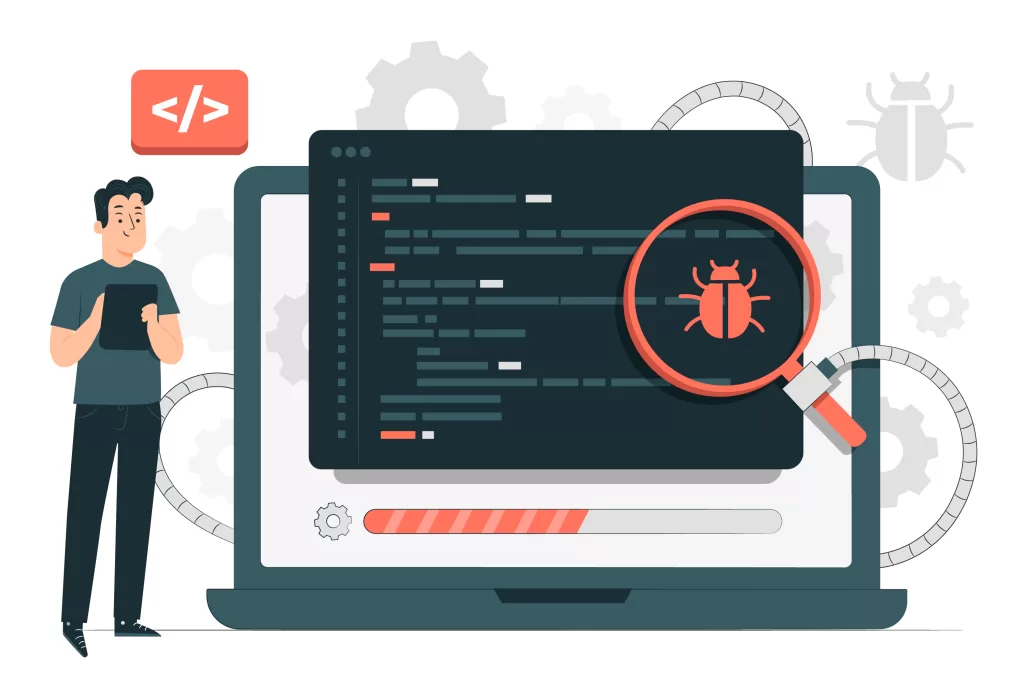
🐞 Bug Definition – Simple Words, Real Talk
In the software world, a bug is any error, flaw, or unexpected behavior in a computer program. That’s it.
It’s like this: you expect your phone to open the camera when you tap the camera icon. But instead, it opens your alarm app. Weird, right? That’s a bug.
Or your e-commerce site gives you a discount twice. Free stuff sounds great… until the company loses money. That’s a bug, too.
So when someone says, “There’s a bug in the code,” they basically mean something broke, and now it’s acting all kinds of crazy.
💥 9 Shocking Truths About Bugs You Didn’t Know
1. Bugs Can Cost Millions (Literally 💸)
Ever heard of the Mars Climate Orbiter? In 1999, NASA lost a $327 million spacecraft because of a bug. A tiny unit mismatch in the code — metric vs imperial. Boom. Gone.
Bugs are not “just tiny problems.” Sometimes, they’re financial disasters.
👉 Read more: Biggest software bugs in history

2. Every Developer Has Faced a Bug (Even the Pros)
Trust me, even the most seasoned developers hit walls. I once spent 7 hours debugging a missing comma. Yes, a comma. I felt like crying. Not even kidding.
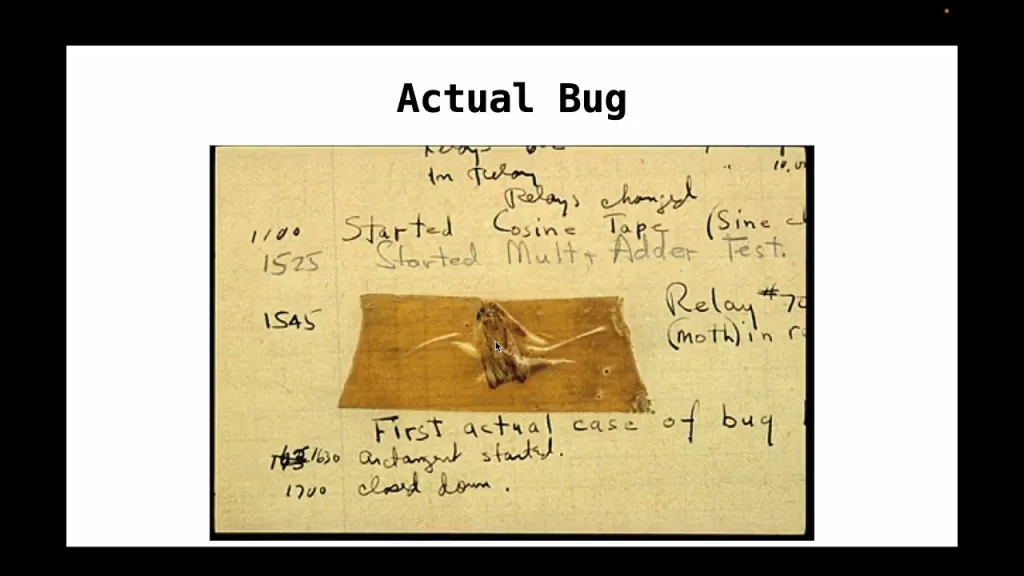
3. The First Bug Was an Actual Bug 🪲
No, seriously. In 1947, Grace Hopper’s team found a moth stuck in a computer relay. They logged it as the “first bug”. Since then, the name stuck.
👉 Want some nerd history? Check out this timeline
4. Most Bugs Come From Human Mistakes
Typos. Missed conditions. Logic gone wild. I once had a loop that never ended and froze the entire system. Why? I typed <= instead of <. One little symbol. One huge headache.
5. There Are Different Types of Bugs
Not all bugs are created equal. Here’s a quick list:
- Syntax bug – Messed up the structure
- Logic bug – Your logic’s flawed (ouch!)
- Runtime bug – It runs… until it crashes
- Compilation bug – Won’t even compile. Sad.
- Security bug – Now we’re in scary territory 😨
6. Bugs Are Part of the Process
No, you’re not dumb. You’re not bad at coding. Bugs are natural. In fact, debugging teaches you more than any tutorial ever could.
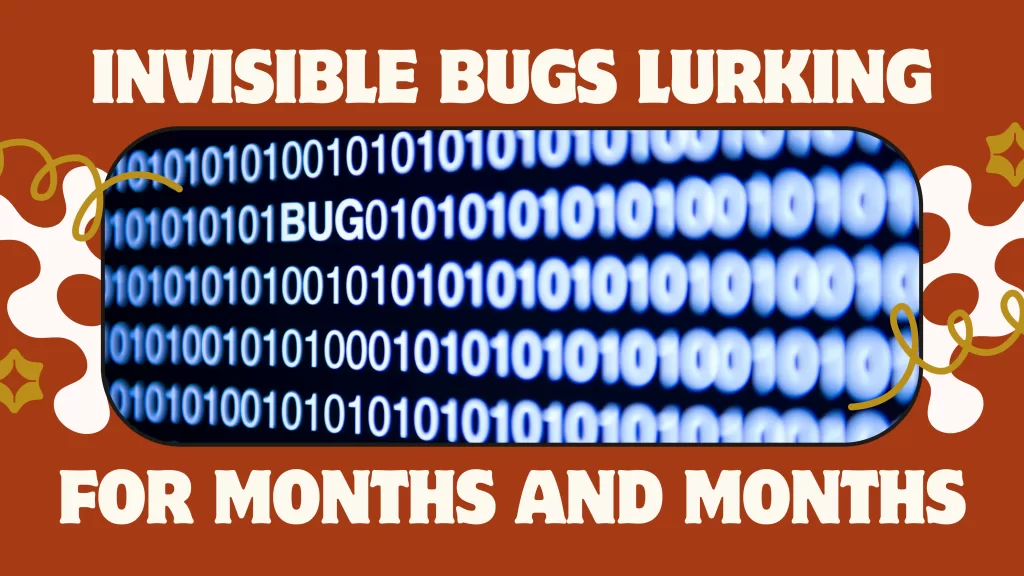
7. Some Bugs Are Invisible for Months
These are the sneakiest ones. They sit silently in your app, not causing drama… until they do. That’s why testing matters so much.
🧪 Pro tip: Always write unit tests. Even if they annoy you.
8. Debugging Can Break Your Spirit — And Build It Again
There’s a weird kind of beauty in it. You scream, cry, maybe punch a pillow. Then… you find it. Fix it. And suddenly, you’re a hero.
That feeling? Pure dopamine. 💪
9. AI Tools Can Help You Debug (But Don’t Rely Fully)
AI is awesome. I use GitHub Copilot and ChatGPT to help me find bugs faster. But you still need logic. You still need to think.
AI won’t save you from a bug if you don’t understand the problem.
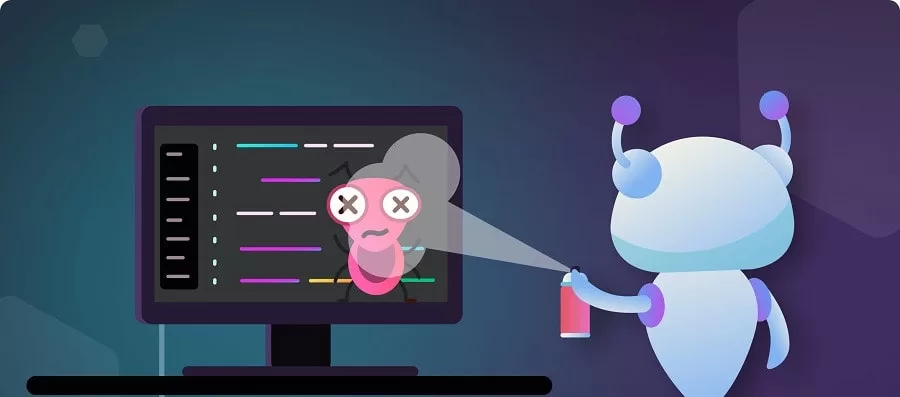
🚀 Why Do Bugs Happen in the First Place?
Here’s the real talk:
- Humans aren’t perfect
- Deadlines push us to rush
- Code gets complex
- We assume stuff that isn’t true
Sometimes, it’s not even your fault. I’ve inherited buggy code from others and spent days cleaning it up. 😩
🛠️ How I Usually Fix a Bug (My Process)
Every developer has their own style. Here’s mine:
- Reproduce the bug – Can I make it happen again?
- Read the error logs – The clues are there
- Google like a pro – Don’t reinvent the wheel
- Rubber duck debugging – Talk it out (yes, to an actual rubber duck or even a friend)
- Test the fix – Try again and again
- Celebrate the win! 🎉

💡 How to Prevent Bugs (Somewhat 😅)
You can’t avoid bugs completely, but you can reduce them:
- Write clean, readable code
- Comment your code like it’s your diary
- Don’t skip testing — really
- Use version control (hello, Git!)
- Take breaks. Tired minds make bugs
🔗 Helpful Resources for Bug Tracking
Here are tools I love:
- Sentry – for monitoring and crash reporting
- Bugzilla – old but gold
- Jira – for teams
- Stack Overflow – for everything else 🙃
💬 Final Thoughts – You and the Bug
If you’re new to coding, here’s what I want you to know:
- You’re going to meet bugs.
- You’re going to hate bugs.
- But you’re going to grow because of bugs.
And one day, you’ll look back at that one bug that broke you for hours… and you’ll smile.
Because now? You know how to fix it. You’re not afraid of it. You’re a bug slayer. 🧙♂️💻
🧠 Summary: What is a Bug?
A bug is a mistake in your code that causes the app to misbehave. It could be a typo, a logic error, or something deeper. But bugs are part of the journey, not the end of it. Learn from them, laugh at them, and above all — don’t give up.
Related Reads: