
Importance Of Cyber Security – In the modern digital era, cyber security has become an essential part of everyday life. With the rapid growth of the internet, cloud computing, smartphones, and digital services, people now depend heavily on technology for communication, education, business, healthcare, and entertainment. While these technologies offer convenience and efficiency, they also expose individuals and organizations to cyber threats. Cyber security plays a critical role in protecting digital systems, data, and users from these risks.
Cyber security is not limited to IT professionals or large companies; it affects every individual who uses a mobile phone, computer, or internet connection. From protecting personal photos to securing national infrastructure, cyber security has become a foundation of modern society.
What Is Cyber Security?
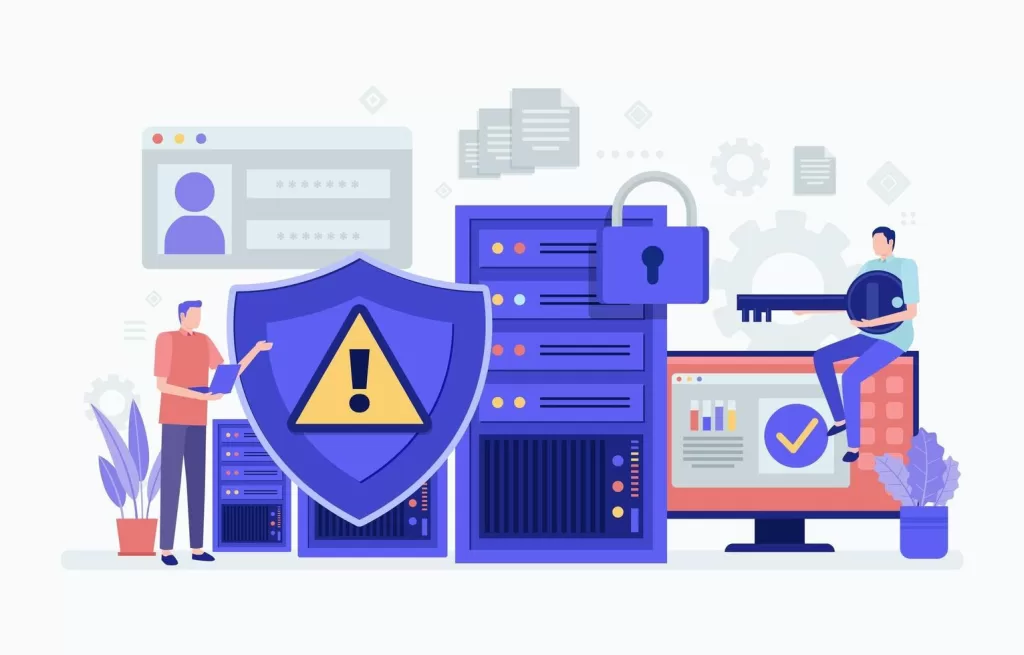
Cyber security is the practice of protecting systems, networks, applications, and data from digital attacks. These attacks are often aimed at stealing information, demanding ransom, disrupting services, or causing financial and reputational damage.
Cyber security includes:
- Network security
- Application security
- Information security
- Cloud security
- Endpoint security
- User awareness and best practices
The goal of cyber security is to ensure confidentiality, integrity, and availability of information, commonly known as the CIA Triad.
Why Cyber Security Is Important in Our Daily Lives
1. Protection of Personal Data
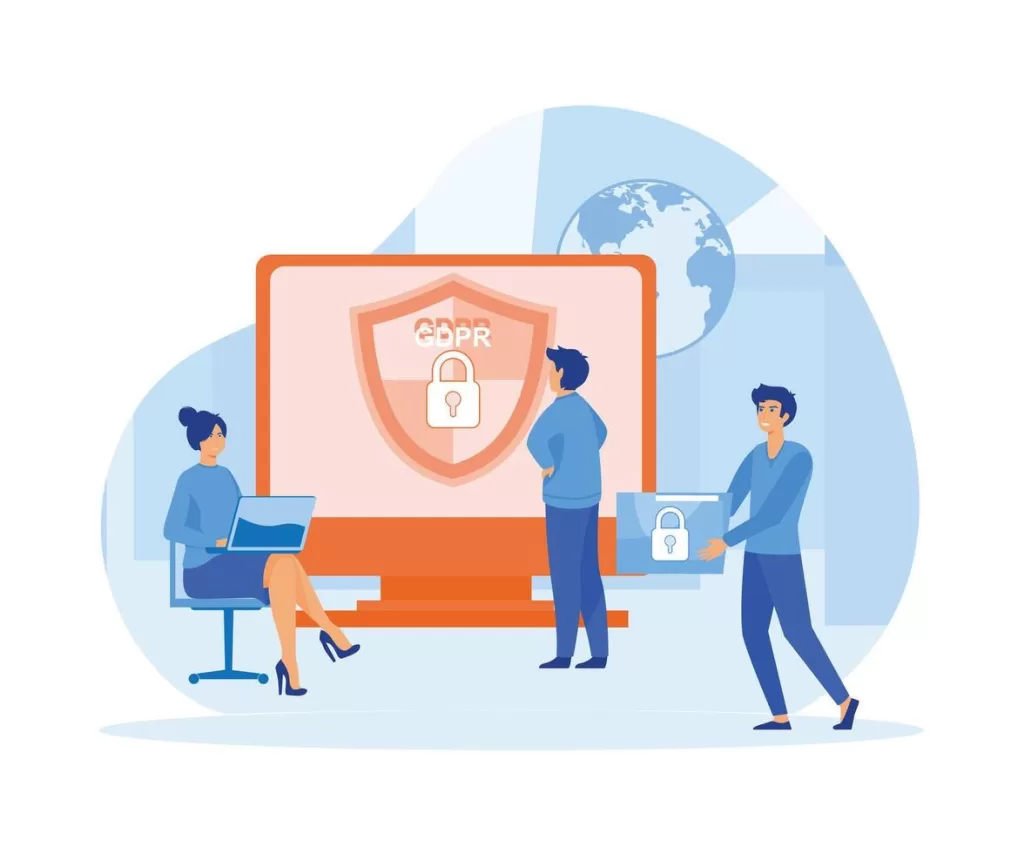
Every individual shares personal information online, knowingly or unknowingly. This includes:
- Name, address, and phone number
- Email IDs and passwords
- Aadhaar, PAN, passport details
- Photos, videos, and private messages
Cyber security helps protect this data from unauthorized access. Without proper security, hackers can steal personal information and use it for identity theft, financial fraud, or blackmail.
For example, if a cyber criminal gains access to your email account, they can reset passwords for other services and take complete control of your digital identity.
2. Secure Online Banking and Financial Transactions
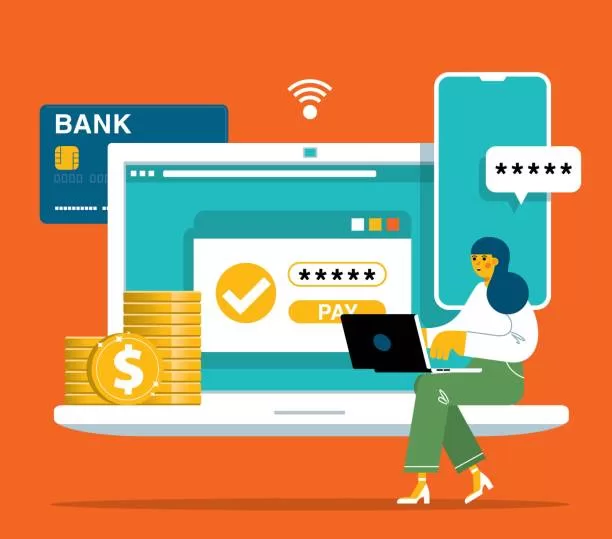
Digital payments such as UPI, net banking, credit cards, and mobile wallets have become a normal part of life. Cyber security ensures:
- Safe money transfers
- Protection against phishing websites
- Prevention of unauthorized transactions
Encryption, OTP verification, and multi-factor authentication are cyber security mechanisms that protect users from financial fraud. Without these measures, online banking would not be trustworthy.
3. Importance of Cyber Security in Social Media
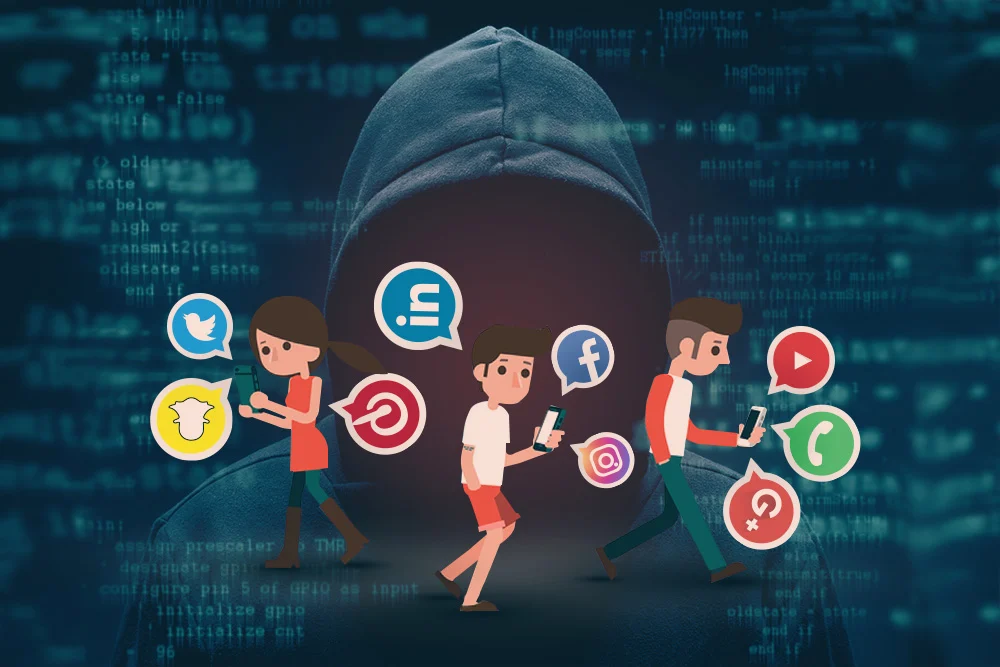
Social media platforms store massive amounts of user data, including personal information, photos, locations, and contacts. Cyber security helps:
- Prevent account hacking
- Stop fake profiles and impersonation
- Protect users from scams and cyber bullying
A compromised social media account can be misused to spread false information, scam others, or damage a person’s reputation.
Role of Cyber Security in Education

Educational institutions use digital platforms for:
- Online classes
- Student portals
- Exams and evaluations
- Research and data storage
Cyber security ensures that student records, exam data, and research materials remain safe. Cyber attacks on educational institutions can lead to data leaks, exam disruptions, and loss of academic credibility.
With the rise of e-learning, cyber security has become essential for creating a safe digital learning environment.
Importance of Cyber Security in Businesses
Businesses rely heavily on technology to manage operations, customers, and finances. Cyber security is crucial for protecting:
- Customer data
- Business strategies and trade secrets
- Financial records
A single cyber attack can cause:
- Huge financial losses
- Legal penalties
- Loss of customer trust
Ransomware attacks, data breaches, and insider threats are major risks faced by businesses today. Strong cyber security policies help organizations stay resilient and competitive.
Cyber Security in Healthcare Systems
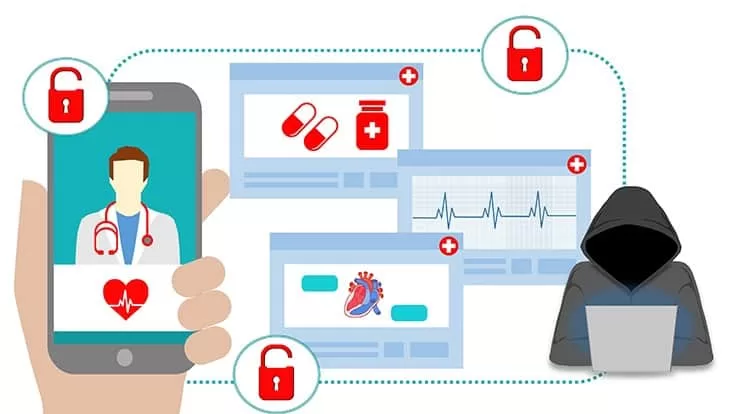
Healthcare organizations store sensitive patient information digitally, such as:
- Medical history
- Test results
- Insurance details
Cyber security protects hospitals from ransomware attacks that can shut down systems and delay medical treatment. A cyber attack on healthcare systems can directly affect human lives, making cyber security extremely critical in this sector.
Cyber Security and National Security
Governments manage critical infrastructure such as:
- Power grids
- Transportation systems
- Defense networks
- Public service databases
Cyber security protects these systems from cyber warfare, espionage, and cyber terrorism. Attacks on government systems can disrupt essential services and threaten national stability.
In today’s world, cyber security is as important as physical security for a nation.
Common Cyber Threats We Face Today
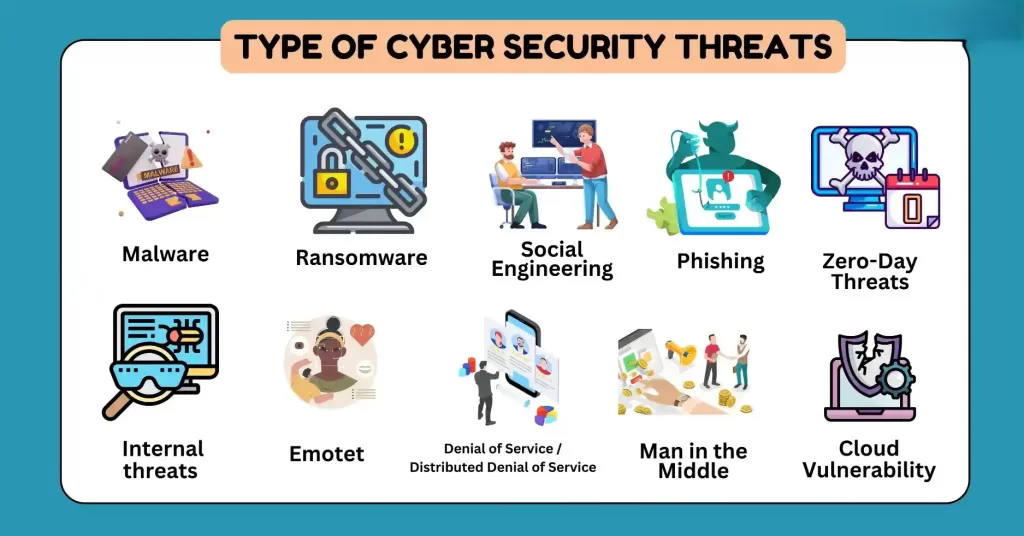
Some of the most common cyber threats include:
- Malware and viruses – harmful software that damages systems
- Phishing attacks – fake emails or websites that steal data
- Ransomware – attacks that lock data and demand money
- Data breaches – unauthorized exposure of information
- Identity theft – misuse of personal data
Cyber security tools help detect, prevent, and respond to these threats effectively.
Importance of Cyber Security for Individuals
For individuals, cyber security provides:
- Privacy protection
- Financial safety
- Peace of mind
Simple actions such as using strong passwords, updating software, and avoiding suspicious links can significantly reduce cyber risks.
Cyber Security Builds Trust in Digital Technology
People adopt digital services only when they feel safe. Cyber security:
- Builds trust in online platforms
- Encourages digital innovation
- Supports economic growth
Without cyber security, digital transformation would not be possible.
Cyber Security as a Career Opportunity
With the rise in cyber threats, the demand for cyber security professionals is growing rapidly. Career roles include:
- Ethical Hacker
- Cyber Security Analyst
- SOC Analyst
- Security Engineer
- Incident Responder
Cyber security offers high-paying, future-proof career opportunities worldwide.
Future of Cyber Security
As technology evolves, cyber threats become more advanced. Future cyber security trends include:
- AI-driven threat detection
- Zero Trust security models
- Cloud-native security solutions
- Blockchain-based security
Cyber security will continue to evolve to protect modern digital ecosystems.
Best Cyber Security Practices Everyone Should Follow
To stay safe online:
- Use strong and unique passwords
- Enable two-factor authentication
- Avoid public Wi-Fi for sensitive work
- Keep systems and apps updated
- Install trusted antivirus software
Cyber security starts with user awareness.
Conclusion
Importance Of Cyber security is a fundamental requirement in today’s interconnected world. It protects personal data, financial systems, businesses, healthcare services, and national infrastructure. As our dependence on digital technology increases, cyber security becomes more important than ever. By understanding cyber threats and following safe online practices, individuals and organizations can create a secure and trustworthy digital environment.
Importance Of Cyber security is not just a technical solution—it is a shared responsibility that safeguards our digital lives.
Want to learn about ethical hacker skills, Cyber Security?, Kaashiv Infotech Offers, Cyber Security Course, or Networking Course & More, Visit www.kaashivinfotech.com.