
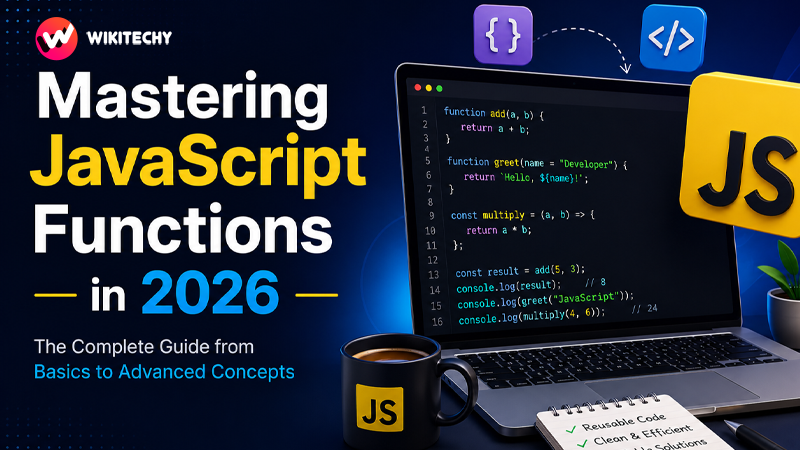
In the world of JavaScript, functions are not just a feature—they are the foundation of how modern applications are built. From simple calculations to handling complex asynchronous operations, functions play a crucial role in structuring, organizing, and optimizing your code.
If you’re aiming to become a professional JavaScript developer, understanding functions deeply is absolutely essential. They help you write reusable code, improve readability, and follow modular programming principles.
This comprehensive guide will walk you through everything you need to know about JavaScript functions—from basic definitions to advanced concepts like closures, higher-order functions, and asynchronous programming.
What is a Function in JavaScript?
A function is a reusable block of code designed to perform a specific task. Instead of repeating the same logic multiple times, you can define it once and reuse it whenever needed.
Basic Example:
function welcomeMessage() {
    console.log("Welcome to JavaScript!");
}

welcomeMessage();
Functions improve:
- Code reusability
- Maintainability
- Readability
Why Functions Are Important
Functions are essential because they allow developers to break down complex problems into smaller, manageable pieces.
Key Benefits:
- Avoid code duplication
- Make debugging easier
- Enable modular programming
- Improve scalability
- Enhance collaboration in teams
Different Ways to Define Functions
1. Function Declaration
This is the most common way to define a function.
function calculateSum(a, b) {
    return a + b;
}
Key Features:
- Hoisted (can be used before declaration)
- Named function
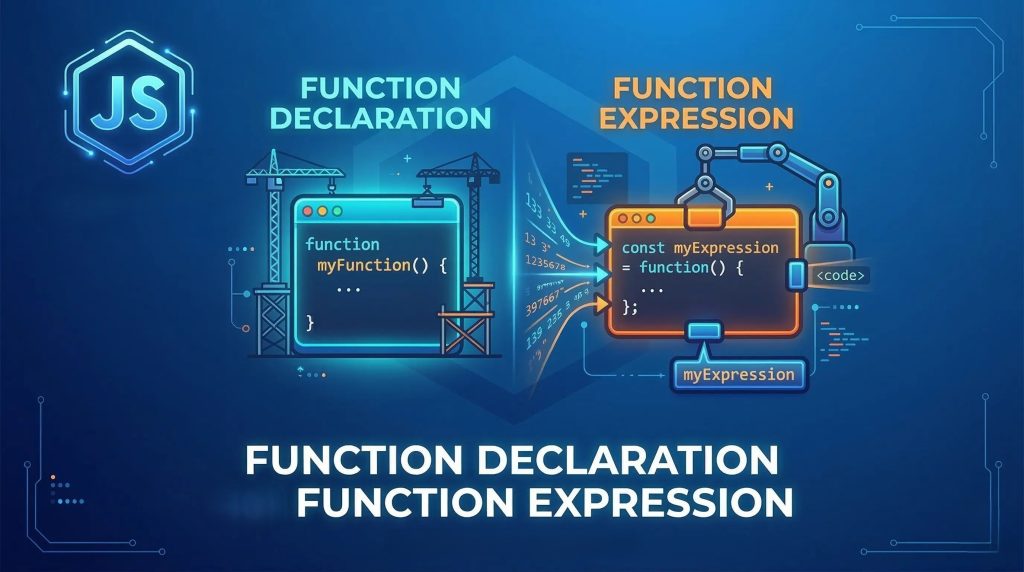
2. Function Expression
A function assigned to a variable.
const calculateProduct = function(a, b) {
    return a * b;
};
Key Features:
- Not hoisted like declarations
- Can be anonymous
3. Arrow Functions (ES6+)
Arrow functions provide a shorter syntax and are widely used in modern JavaScript.
const divide = (a, b) => a / b;Key Features:
- Concise syntax
- No own
thisbinding - Great for short operations
4. Anonymous Functions
Functions without a name, often used as callbacks.
setTimeout(function() {
    console.log("Executed after delay");
}, 2000);
5. Immediately Invoked Function Expression (IIFE)
Executed immediately after definition.
(function() {
    console.log("Runs instantly!");
})();
Use Cases:
- Avoid global scope pollution
- Encapsulation
6. Constructor Functions
Used to create objects.
function User(name, age) {
    this.name = name;
    this.age = age;
}

const user1 = new User("John", 25);
Understanding Parameters and Arguments
Parameters vs Arguments
- Parameters → Defined in function
- Arguments → Passed when calling
Default Parameters
function greet(name = "Guest") {
    console.log("Hello " + name);
}
Rest Parameters
function totalSum(...numbers) {
    return numbers.reduce((acc, num) => acc + num, 0);
}
Spread Operator in Functions
const nums = [1, 2, 3];
console.log(Math.max(...nums));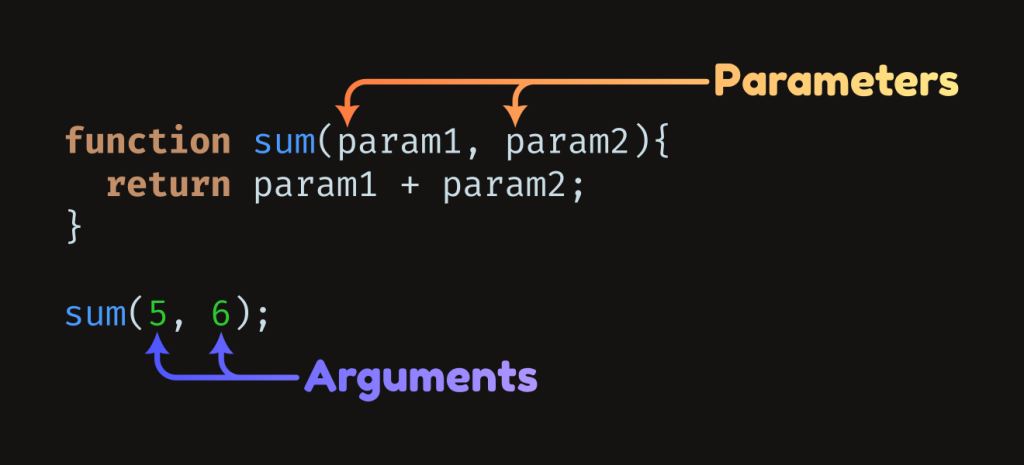
Return Statement in Depth
The return keyword sends a value back from a function.
function square(num) {
    return num * num;
}
Important Notes:
- Functions stop executing after
return - If no return →
undefined
Function Scope and Execution Context
1. Global Scope
Accessible everywhere
2. Local Scope
Inside function only
3. Block Scope
Using let and const
function example() {
    if (true) {
        let x = 10;
        console.log(x);
    }
}
Closures: One of the Most Powerful Concepts
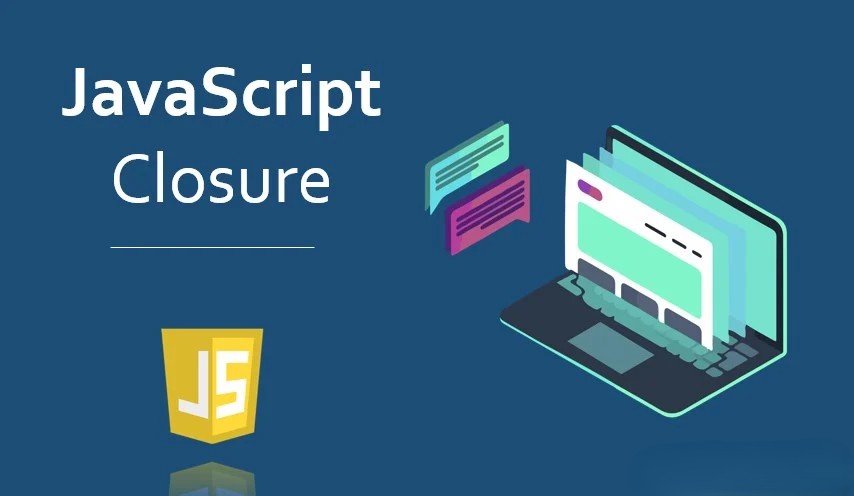
Closures allow functions to retain access to variables from their parent scope even after the parent function has finished executing.
function counter() {
    let count = 0;

    return function() {
        count++;
        return count;
    };
}

const increment = counter();
console.log(increment());
console.log(increment());
Why Closures Matter:
- Data privacy
- State management
- Function factories
The this Keyword Explained
The value of this depends on how a function is called.
Example:
const person = {
    name: "Alex",
    greet: function() {
        console.log(this.name);
    }
};
Key Rules:
- In objects → refers to object
- In global → refers to window (browser)
- In arrow functions → inherits from parent
Hoisting in JavaScript Functions
Function declarations are hoisted:
sayHello();

function sayHello() {
    console.log("Hello!");
}
Function expressions are not:
sayHi(); // Error

const sayHi = function() {};
Higher-Order Functions
Functions that take other functions as arguments or return functions.
function performOperation(a, b, operation) {
    return operation(a, b);
}

const result = performOperation(5, 3, (x, y) => x * y);
Callback Functions
A callback is a function passed into another function.
function fetchData(callback) {
    setTimeout(() => {
        callback("Data received");
    }, 1000);
}
Recursion in JavaScript
A function that calls itself.
function factorial(n) {
    if (n === 0) return 1;
    return n * factorial(n - 1);
}
Pure vs Impure Functions
Pure Functions
- Same input → same output
- No side effects
Impure Functions
- Depend on external variables
- Modify state
Asynchronous Functions (Modern JavaScript)
1. Callbacks
2. Promises
3. Async/Await
async function getData() {
    const response = await fetch("https://api.example.com");
    const data = await response.json();
    console.log(data);
}
Advanced Concepts You Should Know
1. Function Currying
function multiply(a) {
    return function(b) {
        return a * b;
    };
}
2. Memoization
Improves performance by caching results.
3. Debouncing & Throttling
Used in performance optimization for events like scrolling and typing.
Common Mistakes Developers Make
- Forgetting
return - Misusing
this - Overusing global variables
- Writing large, complex functions
- Ignoring error handling
Conclusion
JavaScript functions are much more than simple blocks of code—they are powerful tools that drive modern applications. Mastering them will help you write cleaner, more efficient, and scalable programs.
From understanding basic syntax to exploring advanced concepts like closures and asynchronous programming, functions are at the heart of JavaScript development.
If you invest time in mastering functions, you’ll significantly improve your coding skills and be better prepared for real-world development challenges in 2026 and beyond.
Want to learn more about javascript??, kaashiv Infotech Offers Front End Development Course, Full Stack Development Course, & More www.kaashivinfotech.com.