
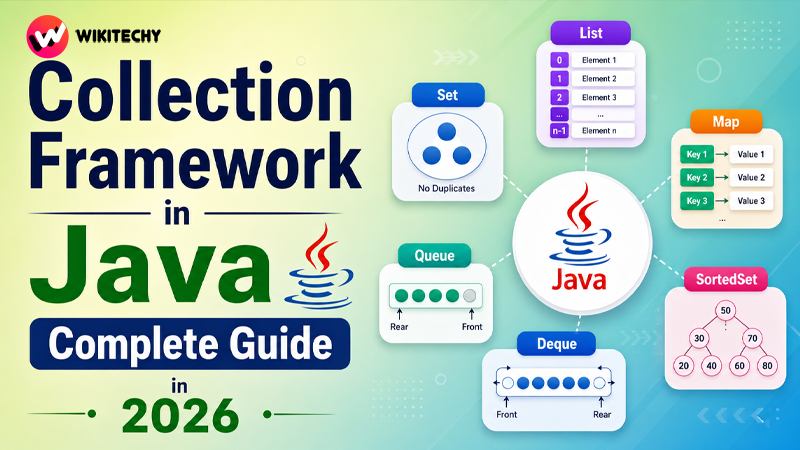
The Collection Framework in Java is a powerful architecture designed to store, retrieve, and manipulate groups of objects efficiently. It provides a set of ready-made interfaces, classes, and algorithms that simplify data handling in Java applications.
Before the introduction of this framework, developers had to implement their own data structures, which was time-consuming and error-prone. With the Collection Framework, Java offers a standardized and optimized way to work with data.
What is Collection Framework?
The Java Collection Framework (JCF) is a unified system that provides a consistent way to handle collections of objects. It includes reusable data structures like lists, sets, queues, and maps, along with powerful methods to process them.
In simple terms, it acts like a container system that helps you organize and manage data effectively.
Key Components of Collection Framework
1. Interfaces (Core Structure)
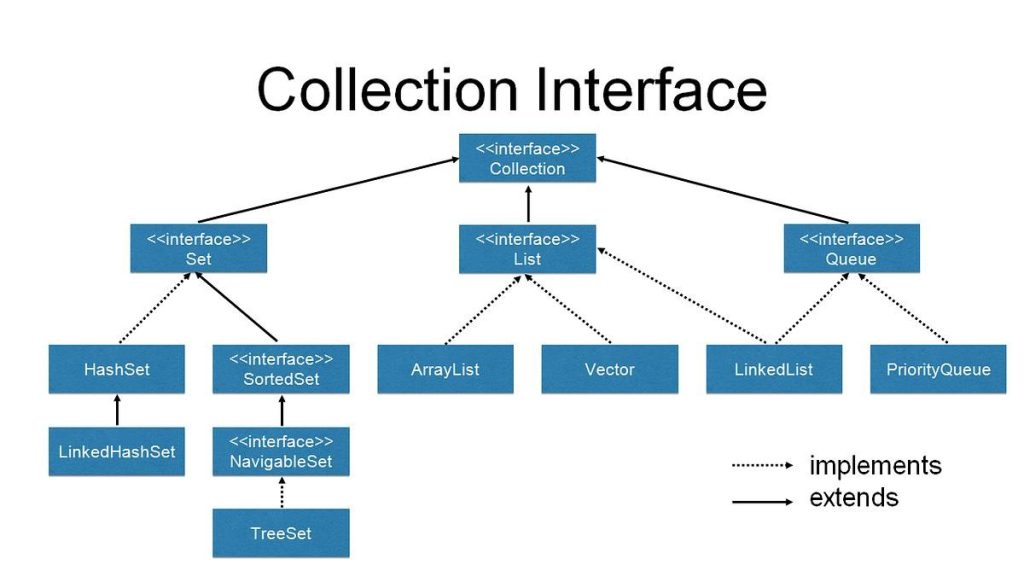
Interfaces define the blueprint for different types of collections. They specify what operations can be performed but not how they are implemented.
Important Interfaces:
- Collection Interface – Root of all collection types
- List Interface – Ordered collection that allows duplicates
- Set Interface – Unordered collection with unique elements
- Queue Interface – Follows FIFO (First-In-First-Out) principle
- Deque Interface – Double-ended queue supporting both ends
- Map Interface – Stores key-value pairs (separate hierarchy)
Each interface serves a different purpose and helps developers choose the right structure based on requirements.
2. Classes (Implementations)
Classes provide concrete implementations of the interfaces. These are the actual data structures used in programming.
List Implementations:
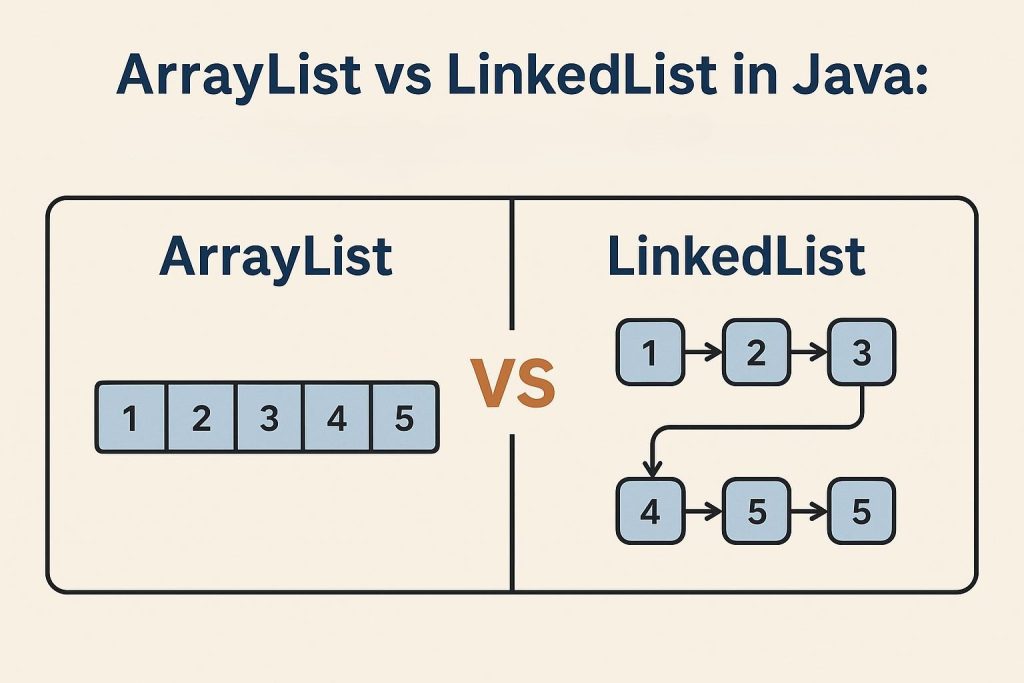
- ArrayList
Uses a dynamic array. It provides fast random access but slower insertions and deletions in the middle. - LinkedList
Uses a doubly linked list. It is efficient for insertions and deletions but slower for access. - Vector
Similar to ArrayList but thread-safe. It is generally slower due to synchronization.
Set Implementations:
- HashSet
Stores unique elements with no guaranteed order. - LinkedHashSet
Maintains insertion order while ensuring uniqueness. - TreeSet
Stores elements in sorted order using a tree structure.
Queue Implementations:
- PriorityQueue
Elements are ordered based on priority. - ArrayDeque
A resizable array that allows insertion and removal from both ends.
Map Implementations:
- HashMap
Stores key-value pairs with fast access and no ordering. - LinkedHashMap
Maintains insertion order. - TreeMap
Stores keys in sorted order. - Hashtable
Thread-safe but slower compared to HashMap.
3. Algorithms (Utility Methods)
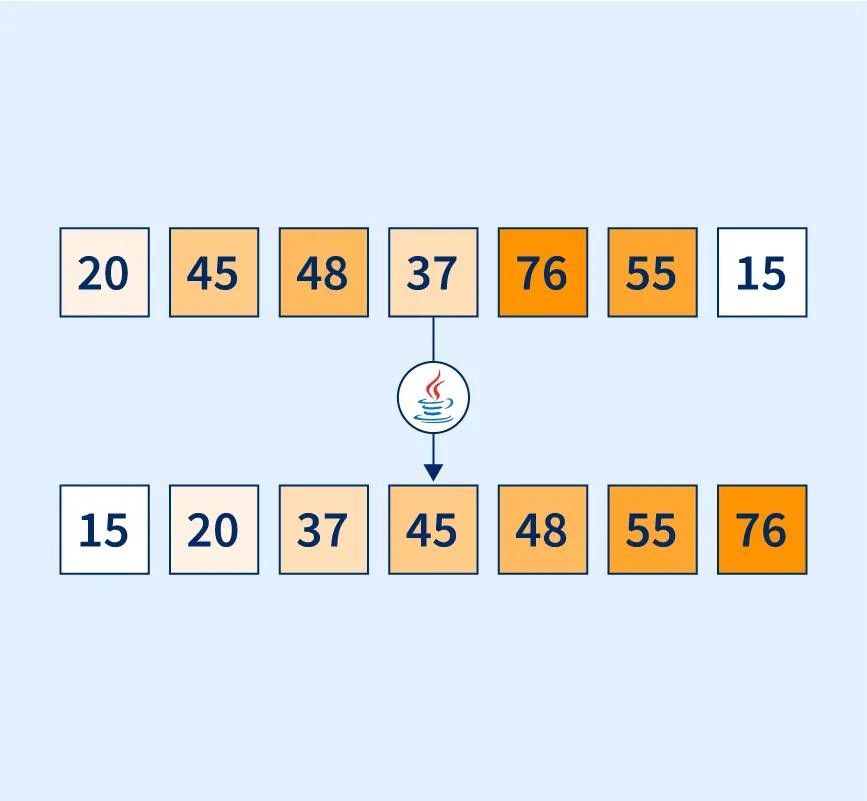
The Collection Framework includes built-in algorithms provided by the Collections class to perform operations on data.
Common Algorithms:
- Sorting –
Collections.sort()arranges elements in order - Searching –
Collections.binarySearch()finds elements efficiently - Reversing –
Collections.reverse()flips the order - Shuffling –
Collections.shuffle()randomizes elements
These utilities reduce coding effort and improve performance.
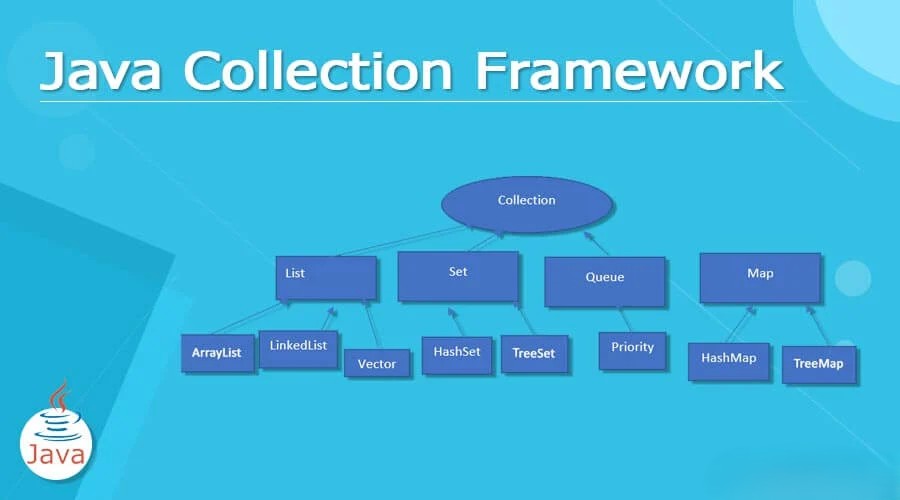
Hierarchy of Collection Framework
The framework follows a hierarchical structure:
- Iterable → Collection → List / Set / Queue
- Map exists as a separate hierarchy
This structure helps in organizing classes and interfaces logically.
Advantages of Collection Framework
1. Reduces Coding Effort
Developers can directly use built-in data structures instead of creating their own.
2. High Performance
Predefined classes are optimized for speed and efficiency.
3. Reusability
Code can be reused across multiple projects.
4. Consistency
Standard method names and behavior make learning easier.
5. Scalability
Handles large datasets efficiently.
Common Methods in Collection Framework
Some frequently used methods include:
add()– Inserts an elementremove()– Deletes an elementsize()– Returns number of elementsisEmpty()– Checks if collection is emptycontains()– Checks if element existsclear()– Removes all elements
These methods are common across most collection types.
Example Program
import java.util.*;

public class CollectionExample {
    public static void main(String[] args) {
        List<String> list = new ArrayList<>();

        list.add("Java");
        list.add("Python");
        list.add("C++");

        System.out.println("Elements: " + list);
        System.out.println("Size: " + list.size());

        list.remove("Python");
        System.out.println("After removal: " + list);
    }
}
Output:
Elements: [Java, Python, C++]
Size: 3
After removal: [Java, C++]
This example demonstrates how easy it is to use collections in Java.
Difference Between List, Set, and Map
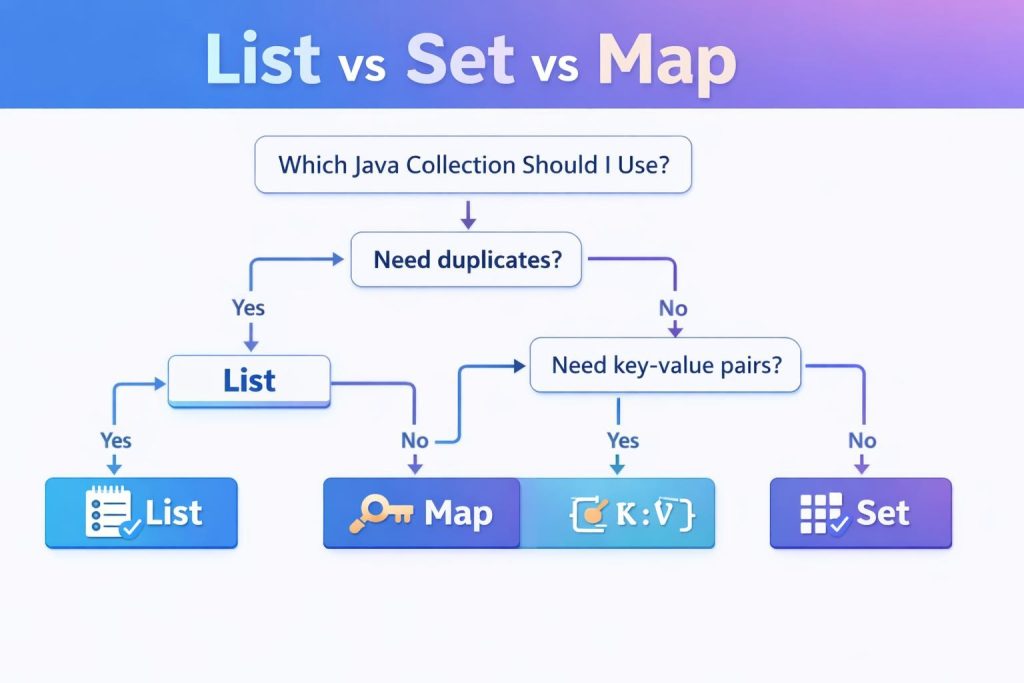
| Feature | List | Set | Map |
|---|---|---|---|
| Order | Maintains order | No guaranteed order | Key-based ordering |
| Duplicates | Allowed | Not allowed | Keys must be unique |
| Access | Index-based | Not index-based | Key-value access |
When to Use Which Collection?
- Use ArrayList → Frequent data access
- Use LinkedList → Frequent insert/delete
- Use HashSet → Unique elements
- Use TreeSet → Sorted data
- Use HashMap → Fast key-value lookup
- Use TreeMap → Sorted key-value pairs
Real-World Use Cases
- E-commerce Applications – Managing product catalogs
- Banking Systems – Handling transactions and accounts
- Social Media Platforms – Storing user profiles and posts
- Gaming Applications – Managing scores and leaderboards
Final Thoughts
The Java Collection Framework is an essential part of Java programming that provides efficient, scalable, and reusable data structures. By mastering collections, developers can significantly improve their coding efficiency and build high-performance applications.
Understanding when and how to use different collection types is a key skill for every Java developer, especially in interviews and real-world development.
Want to Learn More About Java ?, Kaashiv Infotech Offers, Full Stack Java Course, Java Course, Data Science Course, Internships & More, Visit Their Website www.kaashivinfotech.com.