
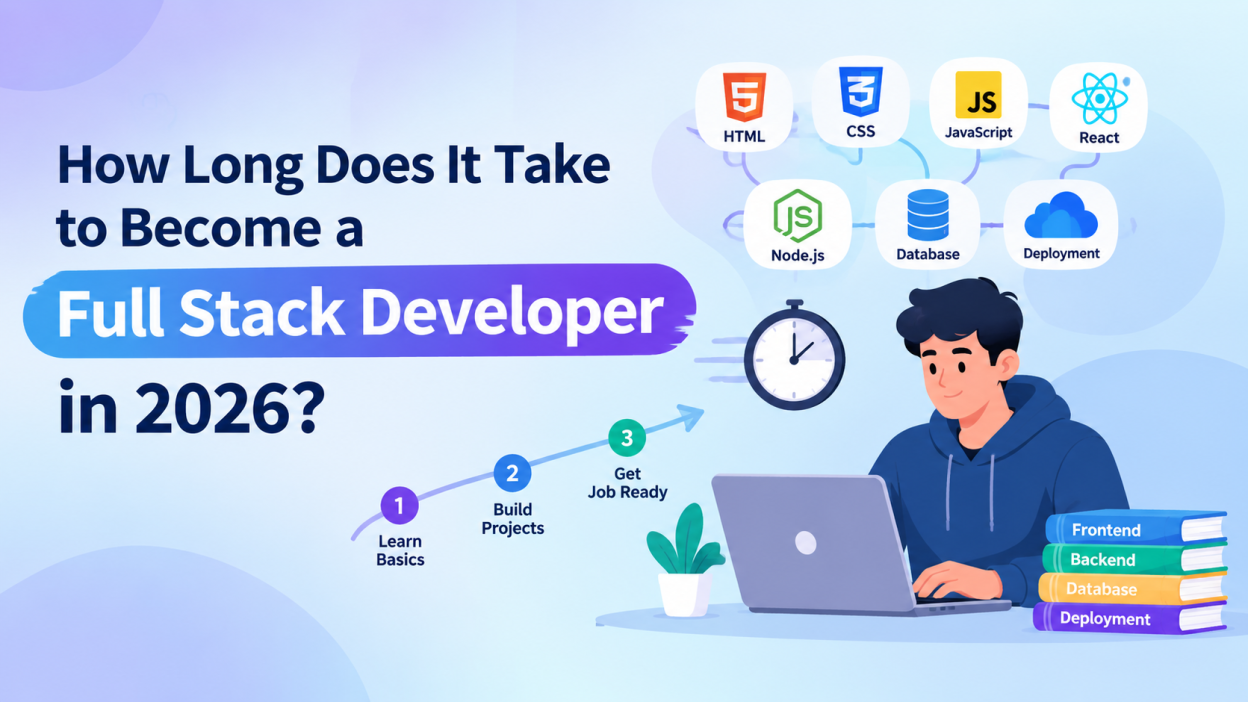
Becoming a full stack developer is a popular career goal for students, fresh graduates, and professionals looking to enter the software industry. A full stack developer works on both the front end and back end of web applications, along with databases, APIs, version control, deployment, and other development tools.
But one common question is: How long does it take to become a full stack developer?
There is no fixed timeline because it depends on your current knowledge, learning speed, daily practice, and the technologies you choose. For a beginner studying consistently, it can take around 6 to 12 months to develop job-ready full stack skills. With focused learning and regular project practice, some learners may progress faster.
What Does a Full Stack Developer Do?
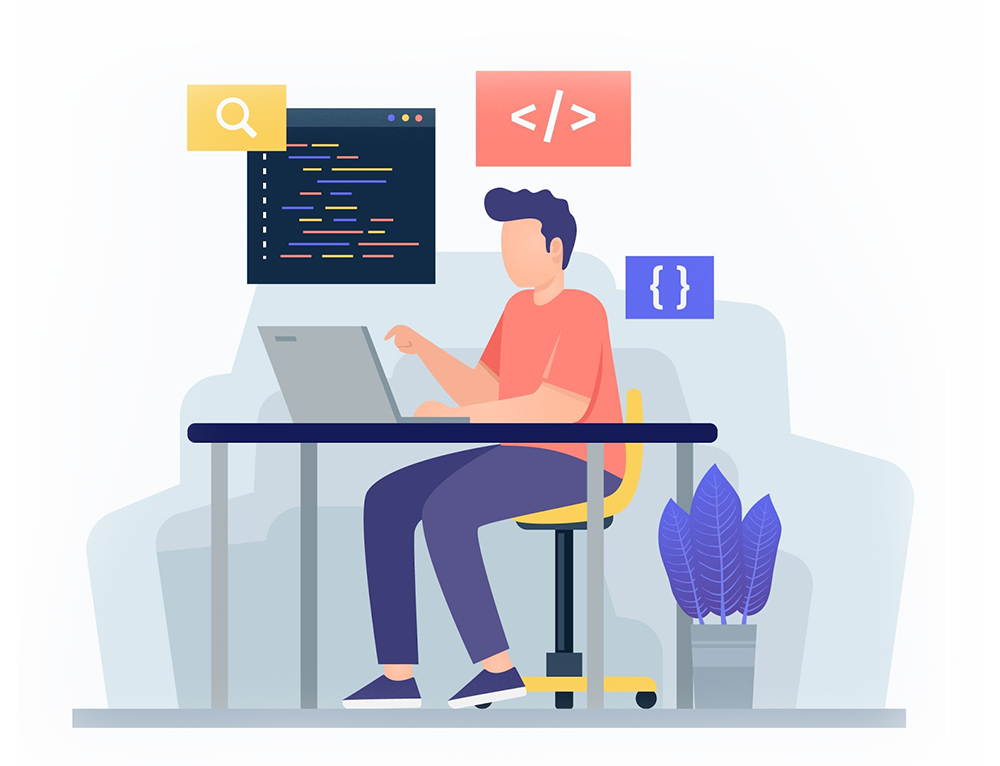
A full stack developer handles different parts of a web application. On the front end, they create the interface users interact with. On the back end, they develop the server-side logic that processes requests and manages application data.
A typical full stack developer may work with:
- HTML, CSS, and JavaScript
- React, Angular, or Vue
- Node.js, Python, Java, PHP, or .NET
- MySQL, PostgreSQL, or MongoDB
- REST APIs
- Git and GitHub
- Cloud and deployment tools
You do not need to master every technology available. It is better to choose one technology stack and build a strong foundation.
How Long Does It Take?
For someone starting from scratch, 6 to 12 months is a realistic learning period when studying consistently.
If you can spend around 2 to 3 hours every day, you can divide your learning journey into different stages.
1. Learn Web Development Basics – 1 to 2 Months
Start with HTML, CSS, and JavaScript. HTML helps you structure web pages, while CSS is used for styling and layouts. JavaScript adds functionality and interactivity.
During this stage, learn important concepts such as:
- HTML elements and forms
- CSS layouts and responsive design
- JavaScript variables and functions
- Arrays and objects
- DOM manipulation
- Events
- Basic error handling
Build simple projects such as a portfolio page, calculator, landing page, or to-do list.
2. Learn Front-End Development – 1 to 2 Months
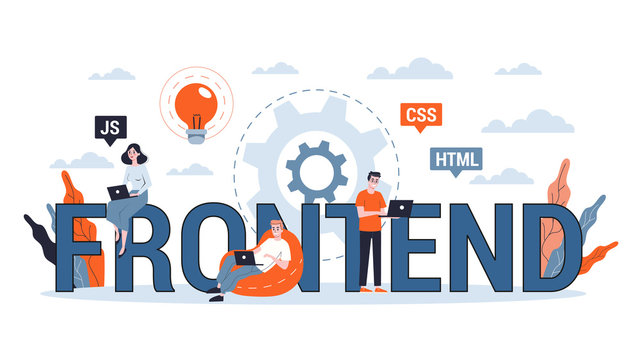
After understanding JavaScript fundamentals, move to a front-end framework or library such as React.
Learn components, props, state, routing, forms, API integration, and reusable UI structures.
Practice by building projects such as a shopping website, weather application, student management interface, or task management system.
The goal is not just to watch tutorials. You should write code and solve problems independently.
3. Learn Back-End Development – 2 to 3 Months
The back end handles application logic, authentication, data processing, and communication with databases.
Choose one back-end technology instead of trying to learn everything at once. For example, you could choose Node.js with Express, Python with Django, Java with Spring Boot, PHP with Laravel, or C# with ASP.NET Core.
Important concepts include:
- Server-side programming
- Routing
- Authentication
- Authorization
- REST APIs
- Middleware
- Error handling
- Security basics
Building your own APIs will help you understand how the front end communicates with the server.
4. Learn Databases – 1 Month
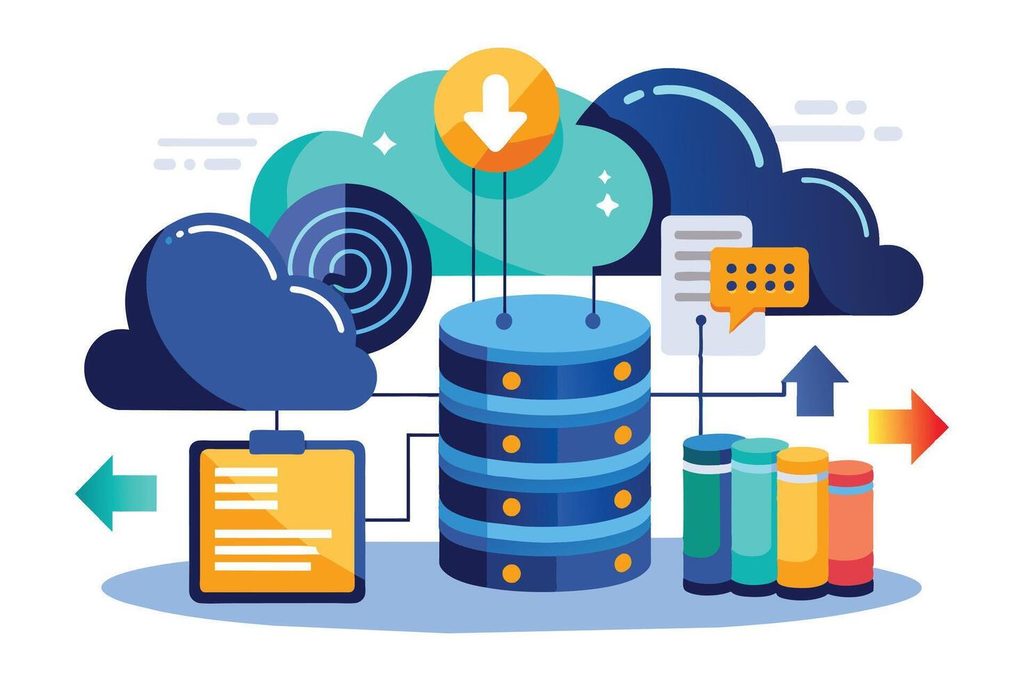
Full stack developers should understand how applications store and retrieve information.
Start with one relational database such as MySQL or PostgreSQL. Learn tables, relationships, primary keys, foreign keys, SQL queries, joins, and database design.
You can also learn a NoSQL database such as MongoDB after understanding the basics of relational databases.
For example, an e-commerce application might store users, products, orders, and payment-related information in a database.
5. Learn Git, GitHub, and Deployment – 2 to 4 Weeks
Knowing how to write code is only part of becoming job-ready. Developers also need to manage and deploy their projects.
Learn Git commands such as commit, branch, merge, pull, and push. Create a GitHub profile and upload your projects with clean README files.
You should also understand basic deployment concepts and learn how websites and APIs are hosted on cloud or hosting platforms.
6. Build Real-World Projects – 2 to 3 Months
Projects are one of the most important parts of your learning journey.
Instead of creating ten small tutorial projects, focus on building three or four complete applications.
Some useful project ideas include:
- E-commerce website
- Job portal
- Learning management system
- Expense tracker
- Online food ordering system
- Employee management system
- Social media application
Try to include authentication, database integration, APIs, search, filtering, and responsive design where appropriate.
What Affects Your Learning Time?
Several factors can change how quickly you become job-ready.
Previous programming knowledge: If you already know programming fundamentals, you may progress faster.
Daily practice: Studying consistently for two hours every day is generally more effective than studying for ten hours once a week.
Technology choice: Learning one complete stack is easier than jumping between multiple programming languages and frameworks.
Projects: Building applications helps you understand concepts much better than watching tutorials alone.
Problem-solving: Practicing coding problems and debugging will improve your development skills.
Can You Become a Full Stack Developer in 6 Months?
Yes, it is possible to become familiar with full stack development in six months if you study consistently and focus on one technology stack. However, becoming truly confident takes longer.
A six-month roadmap could look like this:
Month 1: HTML, CSS, JavaScript basics
Month 2: Advanced JavaScript and front-end development
Month 3: React or another front-end framework
Month 4: Back-end development and APIs
Month 5: Databases, Git, and authentication
Month 6: Full stack projects, deployment, and interview preparation
The important thing is to focus on job-ready skills rather than completing a fixed number of courses.
Final Thoughts
Becoming a full stack developer can take 6 to 12 months for a beginner, depending on consistency, practice, and prior programming knowledge. You do not need to learn every programming language or framework. Choose a suitable stack, understand the fundamentals, build real-world projects, and gradually improve your problem-solving skills.
The learning process does not end after getting your first job. Web technologies continue to evolve, so successful developers keep learning new tools and improving their existing skills.
If you practice consistently and build meaningful projects, you can turn your learning journey into a strong foundation for a career in full stack development.
Want to Learn More About Java ?, Kaashiv Infotech Offers, Full Stack Java Course, Java Course, Data Science Course, Internships & More, Visit Their Website www.kaashivinfotech.com.