


Blockchain technology is one of the most important innovations in the modern digital world. It is widely used in cryptocurrency, banking, healthcare, supply chain management, cybersecurity, and digital identity systems. As businesses look for secure and transparent ways to manage information, blockchain knowledge is becoming valuable for students, developers, and technology professionals.
Learning blockchain from scratch may seem difficult because it involves several concepts, including cryptography, distributed networks, smart contracts, and programming. However, beginners can understand these topics by following a structured learning path.
This guide explains what blockchain is, how it works, which skills you need, and how to start building blockchain projects without prior experience.
What Is Blockchain Technology?

Blockchain is a type of digital ledger that stores information in connected blocks. These blocks are linked together using cryptographic techniques, creating a chain of records. Instead of relying entirely on one central authority, many blockchain networks distribute copies of their records across multiple computers.
Each block typically contains transaction data, a timestamp, a cryptographic hash, and information connecting it to the previous block. If someone attempts to change previously recorded information, the change can be detected by checking the chain’s cryptographic links and the network’s validation rules.
For example, imagine sending money to a friend through a blockchain network. The network checks the transaction according to its rules, and once it is validated and confirmed, the transaction is recorded on the blockchain.
Blockchain does not automatically make every system completely secure or private. Its security depends on the network design, cryptographic methods, software, and how users manage their accounts.
Understand the Basic Concepts of Blockchain
Before learning blockchain development, it is important to understand its fundamental concepts.
Blocks and chains: A block stores a collection of records. Each block references the previous block through a cryptographic hash, helping connect records in chronological order.
Decentralization: Instead of depending on a single central server, a decentralized blockchain network allows multiple computers, called nodes, to participate in maintaining the system.
Cryptography: Cryptography protects information and helps verify transactions. Hashing and digital signatures are two important concepts used in blockchain systems.
Consensus mechanisms: Consensus mechanisms help participating nodes agree on valid transactions and the state of the blockchain. Proof of Work and Proof of Stake are two common examples.
Smart contracts: Smart contracts are programs deployed on supported blockchains. They can automatically execute predefined rules when specified conditions are met.
Understanding these concepts gives you the foundation needed to explore blockchain platforms and development tools.
Learn the Basics of Programming

You do not need to be an expert programmer to begin learning blockchain. However, programming knowledge makes it easier to understand how blockchain applications work.
Python is a useful starting point because its syntax is beginner-friendly. You can use Python to create simple blockchain models, calculate hashes, and understand how blocks connect to each other.
If you want to develop applications on Ethereum-compatible networks, learning JavaScript is also helpful. JavaScript allows you to build web interfaces that interact with smart contracts.
You should understand variables, functions, loops, conditional statements, arrays, objects, and basic data structures. Once you are comfortable with these concepts, you can explore blockchain programming more confidently.
Explore How Cryptography Works
Cryptography is an essential part of blockchain technology. It helps protect transactions, verify identities, and maintain the integrity of recorded information.
Start by learning about cryptographic hash functions, public and private keys, and digital signatures.
A hash function converts input data into a fixed-length output. Even a small change in the input generally produces a different hash. Blockchain systems use hashes to connect blocks and detect certain forms of data modification.
Public-key cryptography uses a pair of related keys. A private key must remain secret, while a public key can be shared. Digital signatures help others verify that a transaction was authorized by the holder of the corresponding private key.
You do not need to create cryptographic algorithms yourself. Instead, learn what these techniques do and how blockchain platforms use them.
Choose a Blockchain Platform

After learning the fundamentals, choose a blockchain platform that matches your goals.
Ethereum: Ethereum supports smart contracts and decentralized applications. It is a popular choice for beginners interested in blockchain development.
Bitcoin: Bitcoin is a useful starting point for understanding digital currencies, transaction verification, and blockchain-based payment systems.
Hyperledger Fabric: This platform is designed for permissioned blockchain networks and is relevant to enterprise applications, where participants may need controlled access.
For most beginners interested in programming, Ethereum is a practical starting point because it has a large developer ecosystem and extensive learning resources.
Focus on one platform first rather than trying to learn every blockchain at the same time.
Start Learning Smart Contracts and Solidity
Smart contracts allow developers to build applications that run according to predefined rules on a blockchain. Solidity is a programming language commonly used to develop smart contracts for Ethereum-compatible networks.
Begin with basic Solidity concepts, including variables, functions, data types, mappings, and access control. Then learn how contracts are compiled, deployed, and tested.
Tools such as Remix IDE allow beginners to write and test Solidity contracts in a browser without setting up a complicated development environment.
Start with a simple contract that stores and retrieves a value. Next, create a basic voting contract or a small digital record system.
Remember that smart contract bugs can cause financial losses or expose sensitive functionality. Always test contracts carefully and use established security practices before deploying anything involving real assets.
Build Practical Blockchain Projects
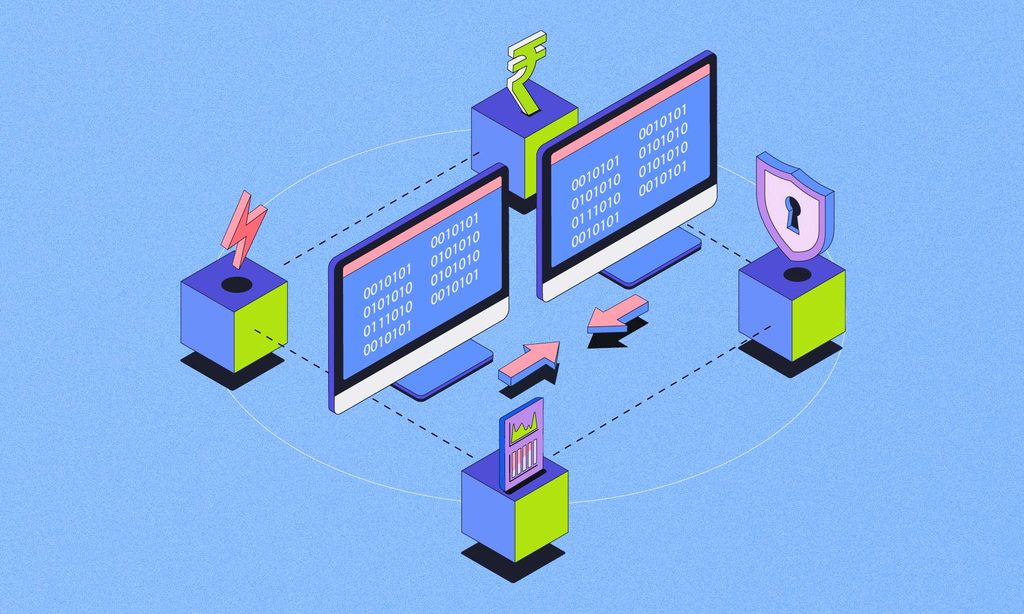
Practical projects help you turn theoretical knowledge into development skills. Start with small applications and gradually increase their complexity.
Here are three beginner-friendly projects:
- Simple blockchain model: Use Python to create blocks, calculate hashes, and connect blocks together.
- Digital certificate verification: Build a demonstration that verifies certificate records using blockchain-based proofs, while avoiding unnecessary storage of personal information on-chain.
- Smart contract voting system: Create a basic voting contract that records votes according to predefined rules.
After completing these projects, you can explore decentralized applications, token systems, and blockchain-based supply chain tracking.
Keep your code on GitHub, document what each project does, and explain the problems you encountered. A clear project portfolio can help demonstrate your skills to potential employers.
Understand Blockchain Security and Limitations
Blockchain has several advantages, including tamper-evident records, transparency on many public networks, and the ability to coordinate transactions without relying entirely on a central authority.
However, it also has limitations. Transaction fees can fluctuate, networks may face scalability challenges, and public blockchain records can expose transaction patterns. Smart contracts can contain vulnerabilities, and losing a private key may mean losing access to associated assets.
Learn about common security problems such as reentrancy attacks, phishing, insecure key management, and incorrect access controls. These topics are especially important if you want to work in blockchain security or smart contract auditing.
Understanding both the benefits and limitations of blockchain will help you make better technical decisions.
Explore Blockchain Career Opportunities
Blockchain knowledge can support several career paths. Blockchain developers build decentralized applications and smart contracts. Smart contract auditors examine contracts for security vulnerabilities. Blockchain architects design systems for specific business requirements, while blockchain security analysts investigate risks and attacks.
Other opportunities include blockchain consulting, enterprise blockchain development, and research into distributed systems.
Entry-level opportunities vary by location, employer, and market demand. Focus on practical programming skills, security fundamentals, and a strong project portfolio instead of relying only on certificates.
Conclusion
Learning blockchain technology from scratch becomes easier when you follow a step-by-step approach. Start with the basic concepts, learn programming and cryptography, choose a suitable platform, and practice developing smart contracts. Then build projects that demonstrate your understanding and explore blockchain security.
You do not need to master everything immediately. Consistent practice and a willingness to experiment will help you develop your skills over time. Begin with a simple blockchain model, gradually move toward smart contracts, and keep improving your portfolio.
With a strong foundation and hands-on experience, you can explore blockchain development, cybersecurity, and other emerging technology opportunities.
Want Learn Cloud Computing Course, Cyber Security Course, Networking Course ?, Visit Our Website www.kaashivinfotech.com.