

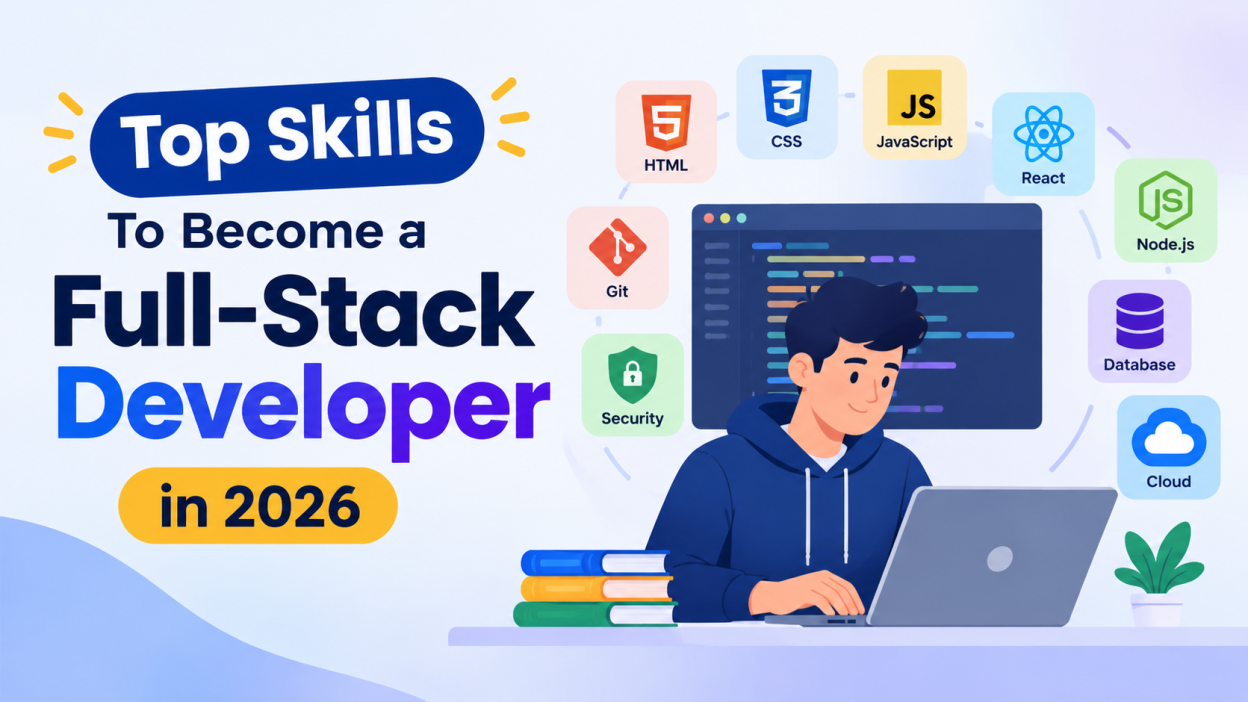
Top Skills To Become a Full-Stack Developer in 2026 – Full-stack development is one of the most valuable career paths in the software industry. A full-stack developer can work on both the front end and back end of a website or application. This means they can create user-friendly interfaces, build server-side logic, manage databases, and connect different parts of an application.
In 2026, businesses need developers who can build responsive websites, develop secure applications, work with cloud platforms, and use modern development tools. Learning full-stack development can open career opportunities in startups, IT companies, product-based organizations, and freelance projects.
However, becoming a successful full-stack developer requires more than learning a programming language. You need a combination of technical knowledge, practical experience, problem-solving abilities, and collaboration skills.
Let’s explore the ten essential skills you should master to become a full-stack developer in 2026.
1. HTML, CSS, and JavaScript
HTML, CSS, and JavaScript are the foundation of front-end development. These technologies help developers create the visual and interactive parts of websites.
HTML provides the structure of a webpage, including headings, paragraphs, forms, and images. CSS controls the layout, colours, spacing, typography, and responsiveness. JavaScript adds functionality, such as dropdown menus, form validation, interactive buttons, and dynamic content.
A beginner should understand semantic HTML, CSS Flexbox, Grid, responsive design, JavaScript functions, arrays, objects, promises, and asynchronous programming.
These fundamentals make it easier to learn modern front-end frameworks and build websites that work across different devices.
2. Front-End Frameworks and Libraries
Modern applications often use front-end frameworks and libraries to simplify development. Learning at least one popular framework is an important step towards becoming a full-stack developer.
React is widely used for building reusable user interface components. Angular provides a structured framework for developing large applications, while Vue offers an approachable option for creating interactive interfaces.
You do not need to learn every framework at the beginning. Choose one based on your career goals and become comfortable with components, routing, state management, API integration, and reusable code.
Practice by building projects such as a task management application, shopping website, student dashboard, or personal portfolio. These projects help you understand how front-end technologies work together in real applications.
3. Back-End Programming
Back-end development manages the server-side operations of an application. It handles business logic, user authentication, data processing, and communication between the front end and databases.
Popular back-end technologies include Node.js with Express, Python with Django or FastAPI, Java with Spring Boot, and C# with ASP.NET Core.
Choose one back-end language and learn it thoroughly before moving to another. Understand variables, functions, object-oriented programming, exception handling, modules, and asynchronous operations where applicable.
You should also learn how to organize application code, validate incoming data, handle errors, and implement authentication. These skills help you create reliable applications rather than websites that only display static information.
4. Database Management
Databases store and organize the information used by web applications. For example, an e-commerce website stores customer details, product information, orders, and payment records.
Full-stack developers should understand both relational and NoSQL databases.
- MySQL and PostgreSQL: Learn SQL queries, joins, relationships, indexing, and transactions.
- MongoDB: Understand document-based storage, collections, and queries.
- Database design: Learn how to structure data efficiently and avoid unnecessary duplication.
You should also understand how to connect a database to a back-end application, perform CRUD operations (Create, Read, Update, and Delete), and protect sensitive information.
Start with one database and practise creating tables, inserting records, updating data, and retrieving information through queries.
5. API Development and Integration
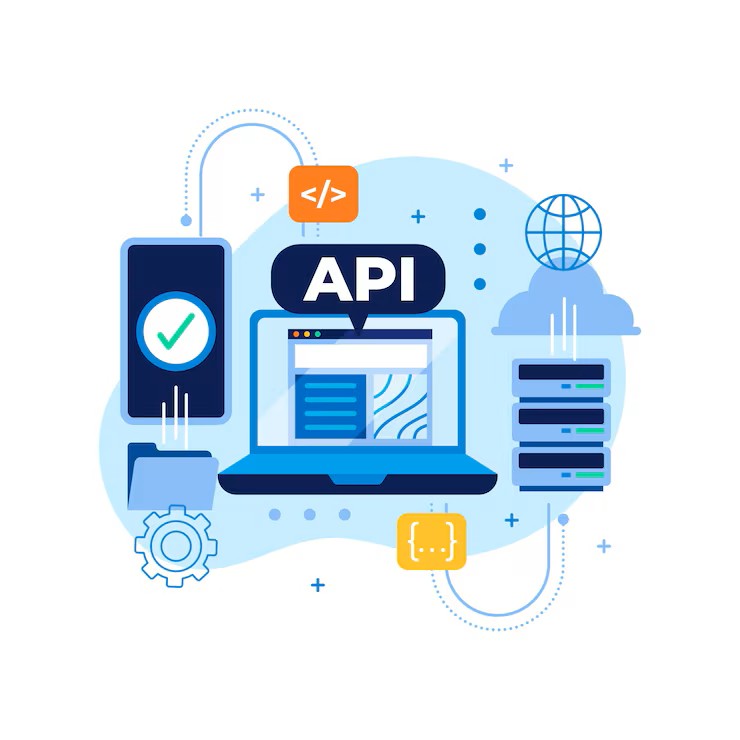
Application Programming Interfaces (APIs) allow different software components to communicate. They connect the front end with the back end and enable applications to exchange information with external services.
For example, a weather application can use an API to retrieve current weather information and display it on a webpage.
A full-stack developer should understand REST APIs, HTTP methods, status codes, JSON, request validation, and error handling. Learn how to build API endpoints and connect them to front-end applications using tools such as Fetch or Axios.
You should also understand authentication, API documentation, pagination, and basic rate limiting. GraphQL is another useful technology to explore after becoming comfortable with REST.
Practise building APIs for login systems, product listings, student management applications, and booking platforms.
6. Git and Version Control
Git is a version control system that helps developers track code changes, manage different versions, and collaborate with other developers. GitHub and GitLab provide platforms for storing repositories and reviewing code.
Important Git skills include creating repositories, committing changes, creating branches, merging code, resolving conflicts, and reviewing pull requests.
These skills are essential when working on team projects because multiple developers may modify the same application.
Create a GitHub account and upload your projects regularly. Write clear commit messages and maintain a README file explaining each project’s purpose, technologies, installation steps, and features.
A well-organized GitHub profile allows recruiters to review your practical coding experience.
7. Testing and Debugging
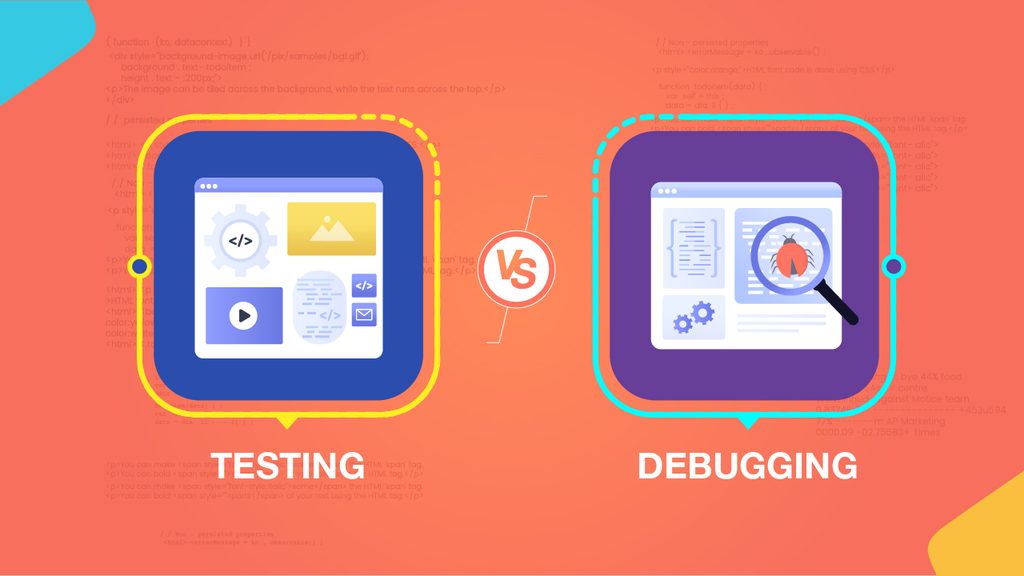
Writing code is only one part of development. You must also make sure that your application behaves correctly and handles unexpected situations.
Testing helps identify errors before users encounter them. Learn unit testing for individual functions, integration testing for connected components, and end-to-end testing for complete user workflows.
Tools such as Jest, Vitest, and Playwright can help automate different types of tests.
Debugging is equally important. Learn how to use browser developer tools, inspect network requests, read error messages, and analyse server logs.
For example, if a login form fails, check whether the request reaches the server, whether the credentials are validated, and whether the database returns the expected result.
Regular testing and systematic debugging help you build reliable applications.
8. Web Security Fundamentals
Security is an essential skill for full-stack developers because web applications often handle personal information, user accounts, and business data.
You should understand common security risks, including SQL injection, cross-site scripting (XSS), cross-site request forgery (CSRF), and broken access controls.
Learn how to validate user input, hash passwords with suitable algorithms, use HTTPS, manage secrets securely, and apply authentication and authorization correctly.
Never store passwords in plain text or expose API keys in public repositories. Use established libraries and frameworks for security-sensitive features instead of implementing your own cryptographic systems.
Understanding common web vulnerabilities and following secure coding practices helps protect applications from avoidable attacks.
9. Cloud Computing and Deployment
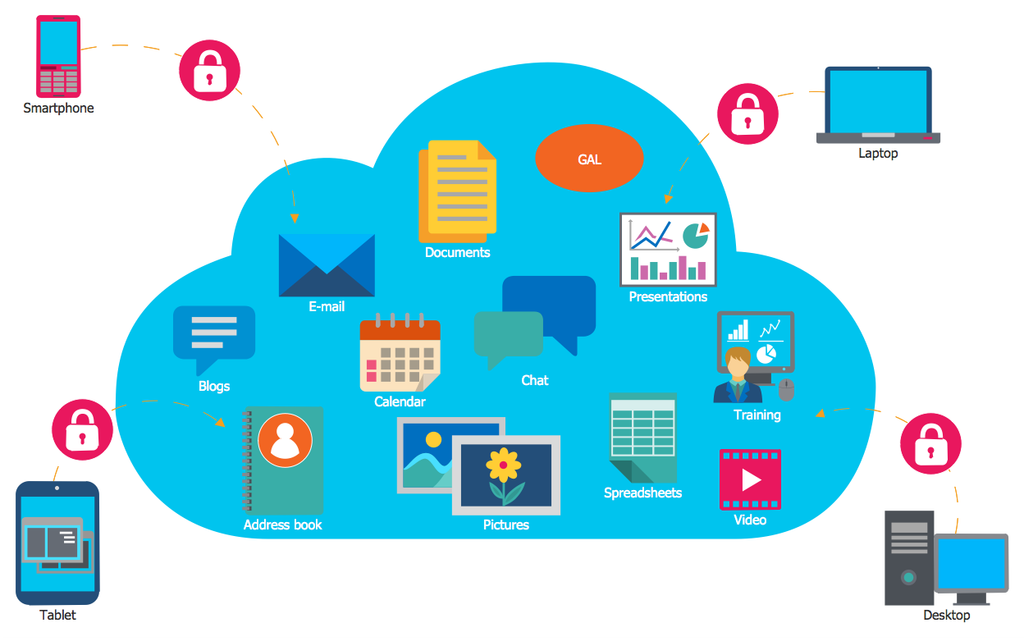
Building an application locally is not enough. A full-stack developer should know how to deploy an application so that users can access it online.
Learn the basics of cloud platforms such as AWS, Microsoft Azure, or Google Cloud. Beginners can also explore deployment platforms such as Vercel and Render.
Important concepts include environment variables, domain configuration, server hosting, logs, and application monitoring. Docker is useful for packaging applications and their dependencies into containers.
You should also learn the basics of continuous integration and continuous delivery (CI/CD), which help automate testing and deployment.
Start by deploying a small application with a database and documenting the steps. This practical experience helps you understand how development differs from production.
10. Problem-Solving and AI-Assisted Development
Technical knowledge becomes more valuable when you can apply it to real problems. Full-stack developers must analyse requirements, break complex tasks into smaller steps, identify errors, and choose appropriate solutions.
Practise data structures and algorithms, including arrays, strings, linked lists, stacks, queues, sorting, and searching. These concepts are particularly useful for technical interviews.
In 2026, AI coding assistants can also help developers generate code suggestions, explain unfamiliar concepts, create test cases, and investigate errors. However, generated code may contain mistakes or security weaknesses.
Use AI tools to support your learning, not replace your understanding. Review suggestions, test the results, and make sure you can explain how your code works.
Combining problem-solving skills with responsible AI usage can help you work more efficiently.
How to Become a Full-Stack Developer in 2026
Follow this learning sequence to build your skills progressively.
Stage 1: Learn web fundamentals
HTML, CSS, JavaScript, responsive design, and Git.
Stage 2: Choose your technology stack
Learn React, one back-end framework, and one primary database.
Stage 3: Build complete applications
Connect the front end, APIs, database, authentication, and testing.
Stage 4: Deploy and showcase your work
Publish two or three original projects, document them on GitHub, and prepare for interviews.
Conclusion
Becoming a full-stack developer in 2026 requires a strong foundation in front-end development, back-end programming, databases, APIs, version control, testing, security, and deployment. You do not need to master every programming language or framework to get started.
Choose one technology stack, practise consistently, and build projects that solve real problems. A student management system, e-commerce website, or task management application can demonstrate your ability to connect different technologies into a working product.
Most importantly, focus on understanding the code you write rather than simply completing tutorials. With consistent practice, a strong portfolio, and good problem-solving skills, you can prepare for full-stack developer opportunities and continue growing throughout your career.
Want to Learn More About Java ?, Kaashiv Infotech Offers, Full Stack Java Course, Java Course, Data Science Course, Internships & More, Visit Their Website www.kaashivinfotech.com.