Agile Software Development: Principles, Life Cycle, and Best Practices Explained

In the fast-paced world of digital business, you can’t afford to rely on slow, inflexible, infrequently updated development methodologies. This is where Agile software development comes into play: a collaborative, flexible, and customer-focused software development approach that completely changes how software teams carve new software.
Whether you’re a newbie who’s never experienced Agile before, or a professional looking to better your comprehension of the Agile software development life cycle, this guide will help you as you learn about all of it: principles, frameworks, perks, and examples.
What is Agile Software Development?

Agile software development is an approach to software development that prioritizes iteration, collaboration, flexibility and customer feedback. Rather than build a product fully and upfront (like the Waterfall method) Agile emphasizes delivering a project incrementally and naturally affords organizations better flexibility when requirements change.
👉 In simple terms, Agile is about continually building, testing and improving.
Why Agile? The Core Principles
The Agile Manifesto (2001) consists of four basic values and twelve principles. When overall methodologies and flows were developed, Agile remained true to its principles. At the end of the day, Agile is about:
- Individuals and interactions over processes and tools
- Working software over comprehensive documentation
- Customer collaboration over contract negotiation
- Responding to change over following a plan
Together these values position Agile software development as the preferred working approach for organizations looking for speed, flexibility and innovation.
Agile Software Development Life Cycle
The Agile software development life cycle (SDLC) differs from traditional models. Traditional models consist of a rigid start-to-finish approach. On the other hand, Agile uses an iterative cycle:
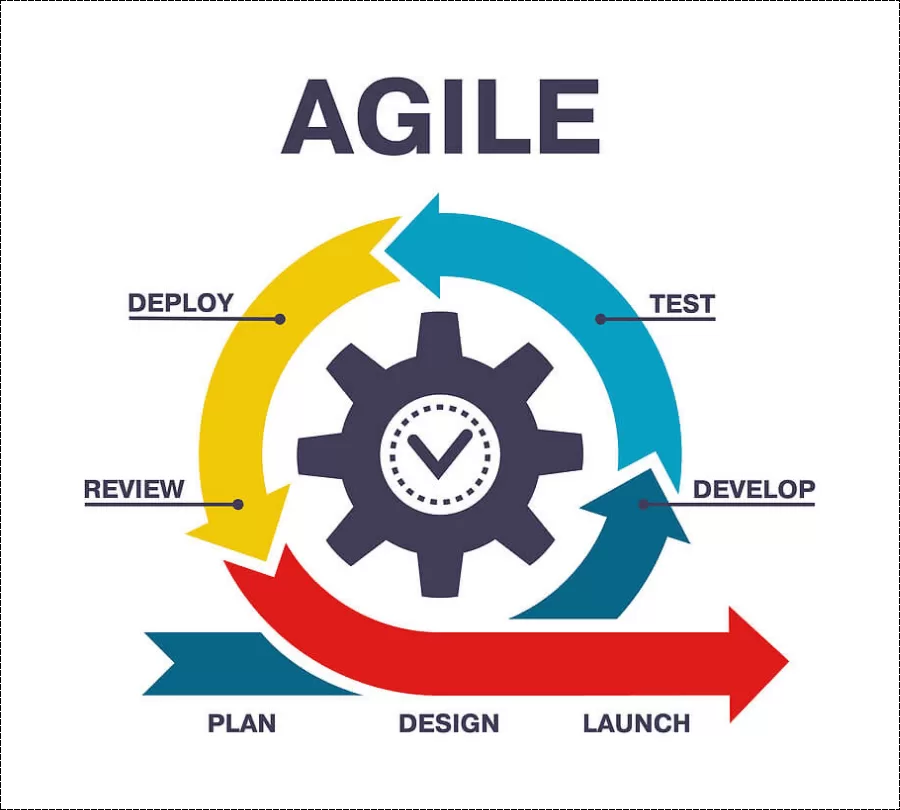
- Concept – Define project goals and priorities
- Inception – Gather the Agile team, define roles, and create the product backlog
- Iteration / Construction – Development takes part in sprints, and after each cycle the team delivers working software
- Release – Test, deploy, and deliver usable features to the customer
- Maintenance – Support, fix bugs, and update features
- Retirement – When a product becomes outdated; Agile will help to ensure a smooth transition or replacement.
👉 The cycle repeats therefore until the final product becomes what the customer wants and needs.
Popular Agile Frameworks
While “Agile” denotes a mindset, many frameworks exist to help apply it:
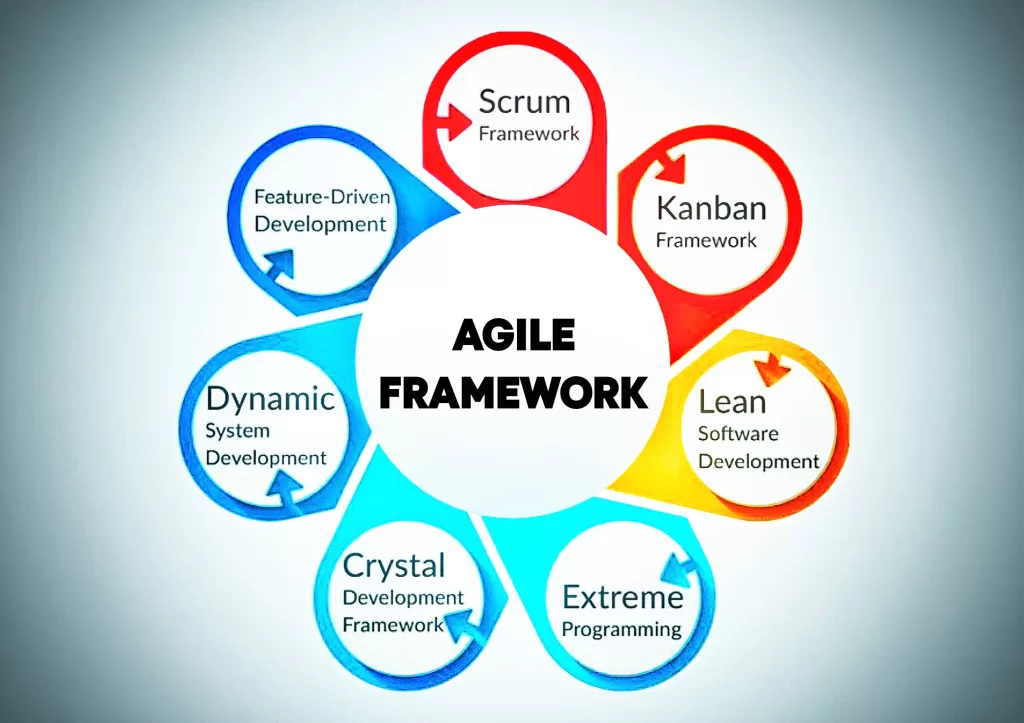
- Scrum: The most popular Agile framework, is built on short sprints and roles, such as Scrum Master and Product Owner.
- Kanban – Brings visualization of work through boards to treat efficiency
- Extreme Programming (XP) – Considers engineering practices like pair programming, and continuous integration.
- Lean Software Development – Works to reduce waste and increase value.
All frameworks apply to the Agile software development life cycle but give different support for different team needs.
Benefits of Agile Software Development
Why are 71% of organizations using Agile now?
- Ability to deliver new features/updates faster
- Ability to produce better quality product through continuous testing
- Customer satisfaction through constant communication and feedback
- Enhanced team collaboration across functions
- Flexibility to adapt to ever-changing requirements
- Reduced overall project risk by adapting to incremental deliveries
Agile vs Waterfall: The Big Debate

| Feature | Agile Software Development | Waterfall Model |
| Approach | Iterative & incremental | Sequential & rigid |
| Flexibility | High (adaptable to change) | Low (hard to modify) |
| Delivery | Frequent (per sprint) | At the end of project |
| Customer Involvement | Continuous | Minimal |
| Risk Level | Low | High |
👉 If your project requires speed, flexibility, and customer involvement, Agile is the clear winner.
Real-World Applications of Agile
Agile is used outside of software companies. It is used by:
- Tech companies (Google, Microsoft, Spotify) – for ongoing product iterations
- Startup companies – for getting MVPs built quickly and scaling rapidly
- Enterprise companies – for digital transformation initiatives
- Marketing and HR groups – Agile has become an accepted way of working outside of IT (Agile Marketing, Agile HR)
The use of Agile across the board highlights the effectiveness of the Agile software development life cycle across industries.
Challenges in Agile (and How to Overcome Them)
Agile is a powerful method of managing a project, but it can be difficult to implement. Common challenges include:
- Resistance to adopting Agile by traditional teams
- Miscommunication amongst distributed teams
- Difficulty in managing scope creep
- Limited access to experienced Agile coaches in the market
✅ Solution: You can invest in Agile training, Scrum Masters, strong communication practices to maximize your utilization of Agile.
Future of Agile Software Development
Agile is still evolving. Technological advancements including DevOps, AI-based tools, and shifts pertaining to pandemic-related remote work are influencing the way Agile is utilized. Expect to see:
- DevOps integration into Agile to automate and expedite deployment
- AI-based project management tools capable of scanning the environment to identify and foretell potential risks
- Hybrid Agile frameworks with mandatory compliance steps for scale in an enterprise setting
Clearly, the agile software development is not going away anytime soon, and it will continue to evolve as advancements in technology persist or emerge.
Conclusion
Agile is not only a methodology. It is a mindset that enables teams to produce better quality software more quickly. When organizations adopt the Agile software development life cycle, they can provide real value to their customers, surface their highest and best priorities, embrace change, and maintain competitive advantage.
No matter what you use or what framework you operate with–Scrum, Kanban, Lean–it can all be done collaboratively, iteratively, and with continuous improvement in mind.
👉If you are ready to change how you build products, Agile software development is your next step.
Related Reads