DSA in Java: Ultimate Beginner’s Journey to Mastering Data Structures and Algorithms

What is DSA in Java? Let’s Start Simple
When I started learning programming, the term DSA in Java popped up everywhere — coding interviews, YouTube tutorials, even memes!
So, what exactly is DSA?
DSA in Java means learning Data Structures and Algorithms using the Java programming language.

Here’s the simple idea:
- Data Structures help you organize and store data.
- Algorithms help you process and manipulate that data efficiently.
Together, they make your code smarter, faster, and more reliable.
Imagine you’re building a food delivery app. You’ll need to:
- Store customer orders (that’s a data structure)
- Find the shortest delivery route (that’s an algorithm)
That’s DSA in Java — real-world problem solving through efficient code.
Why Learn DSA in Java?
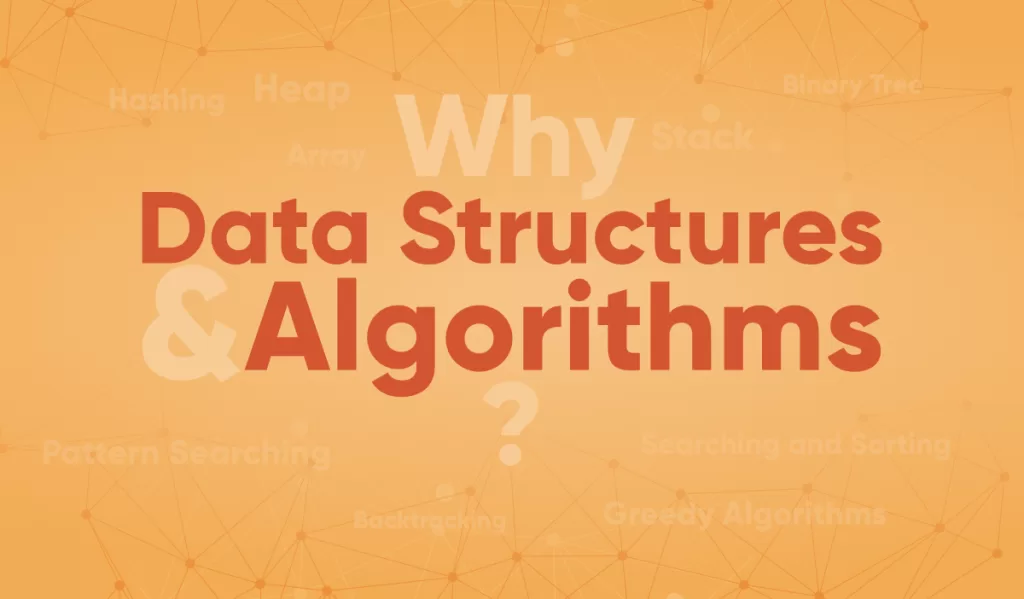
Here’s why I personally love using Java for DSA:
✅ Object-Oriented – Java makes it easy to structure your DSA code into classes and objects.
✅ Rich Libraries – The java.util package has built-in data structures like ArrayList, HashMap, and Stack.
✅ Platform Independent – “Write once, run anywhere” is real.
✅ Used in Top Companies – Google, Amazon, and Netflix all use Java for backend and algorithmic systems.
When I was preparing for coding interviews, almost every question — from binary search trees to sorting problems — could be efficiently written in Java.
Data Structures in Java
Let’s explore the main data structures in Java, one by one, with simple examples.
🔹 1. Arrays in Java
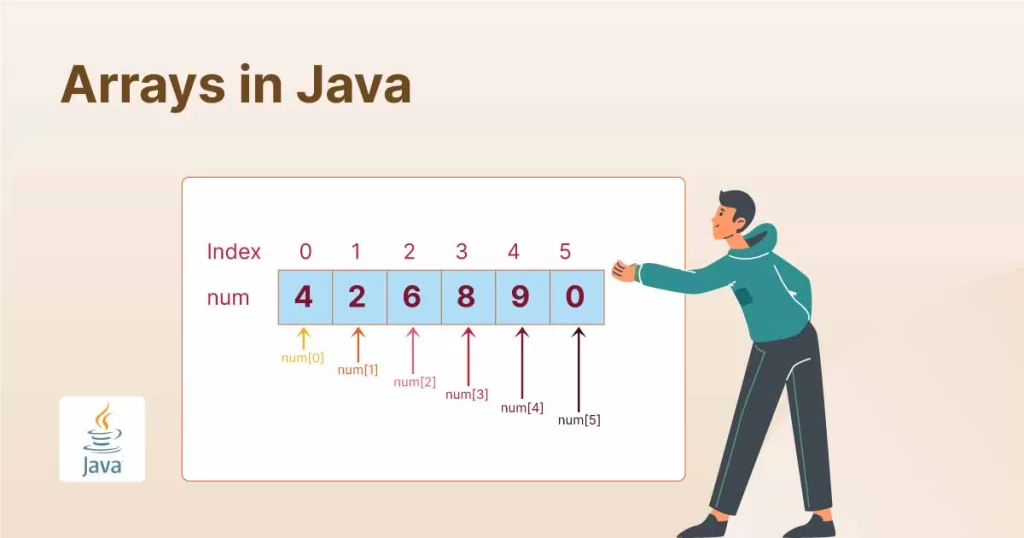
Arrays are the simplest data structure. They store multiple elements of the same type in a single variable.
Here’s how I remember it: an array is like a train — each coach (index) carries a value.
Example:
Output:
Arrays are great for quick access (O(1)) but inserting or deleting elements can be slow.
🔹 2. Linked List in Java
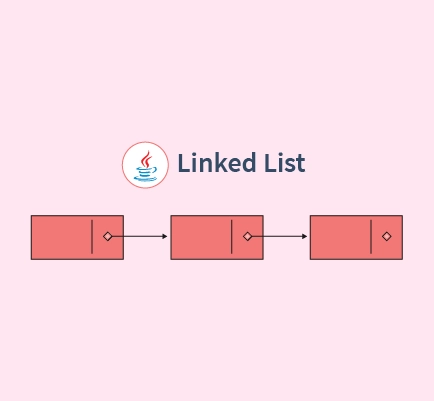
When I first coded a linked list, I remember being confused about those “pointers.” But once it clicked, it was magical.
A Linked List is a collection of nodes, where each node holds data and the address of the next node.
Example:
Output:
Linked lists are flexible — you can easily insert or remove nodes. But unlike arrays, you can’t directly access elements by index.
🔹 3. Stack in Java
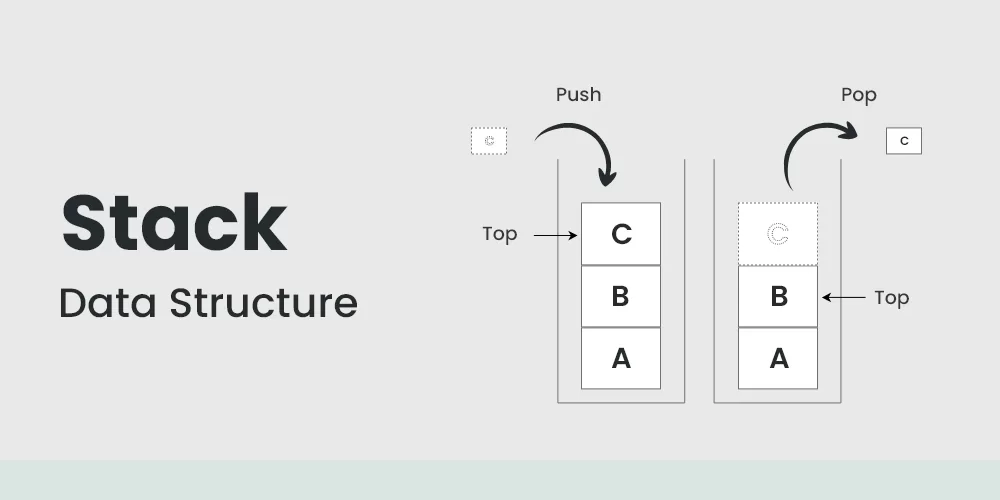
Think of a Stack as a pile of books — the last one you put on is the first one you take off. That’s LIFO (Last In, First Out).
Example using Java Stack class:
Output:
🔹 4. Queue in Java
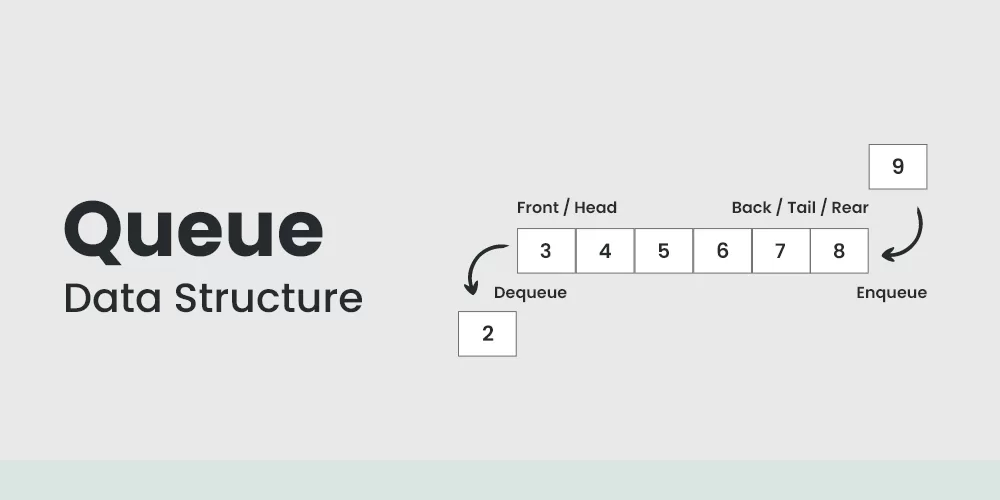
A Queue works like a line at a coffee shop — first in, first out (FIFO).
Example using Java Queue interface:
Output:
🔹 5. HashMap in Java

A HashMap is like a dictionary — it stores data in key-value pairs. It’s perfect for quick lookups.
Example:
Output:
🔹 6. Tree in Java
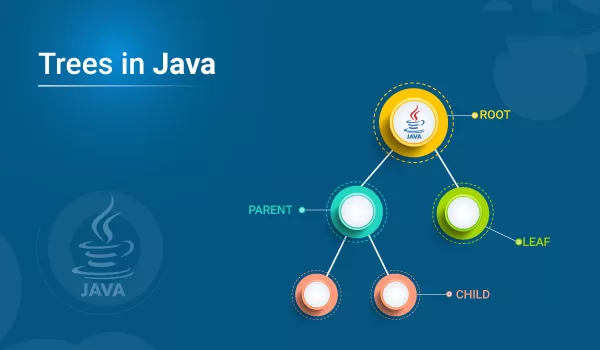
Trees are hierarchical data structures — think of a family tree or a file system.
Example of Binary Tree:
Output:
Algorithms in Java

Here are the most common algorithms in Java you’ll use in DSA:
🔸 Sorting Algorithms
- Bubble Sort
- Merge Sort
- Quick Sort
Example (Bubble Sort):
Output:
🔸 Searching Algorithms
Linear Search
My Learning Experience with DSA in Java
When I first started learning DSA in Java, I remember spending hours debugging pointer errors and segmentation faults. But Java made things simpler. The in-built classes and clear syntax helped me focus more on logic than on language issues.
I still remember the first time I solved a binary search problem without peeking at the solution — it felt like solving a riddle that finally made sense. That’s the thrill of DSA in Java — the mix of logic, creativity, and patience.
Final Thoughts
If you’re learning programming in 2025, trust me — DSA in Java will open countless doors. It’s not just about passing coding interviews. It’s about thinking like a programmer.
Every time you solve a problem using data structures and algorithms in Java, you’re sharpening your brain. You’re training yourself to write code that’s not just correct, but smart.
So grab your laptop, fire up your IDE, and start your journey with DSA in Java today. Who knows? The next big innovation might come from your code.
Want to Learn More About Java ??, Kaashiv Infotech Offers, Full Stack Java Course, Java Course, Data Science Course, Internships & More, Visit Their Website www.kaashivinfotech.com.
Related Reads: