Java vs JavaScript: 3 Key Differences Every Developer Must Know
Java vs JavaScript – Many beginners (and even some professionals) get confused between Java vs JavaScript just because of their names. In reality, these two technologies are very different in purpose, usage, and behavior. Java is a powerful, object-oriented programming language mainly used for building large-scale applications, while JavaScript is a lightweight, dynamic language designed primarily for web development.
In today’s tech world, both Java and JavaScript play an important role. Java dominates enterprise applications, Android development, and backend systems, whereas JavaScript rules the web—front-end, back-end, and even mobile apps.
In this article, we’ll clearly compare Java vs JavaScript using the top 3 most important differences that every learner should understand.
1. Language Type & Execution Model
Java
Java is a compiled, strongly typed programming language. When you write Java code, it is first compiled into bytecode by the Java compiler (javac). This bytecode runs on the Java Virtual Machine (JVM), making Java platform-independent.
Key points about Java execution:
- Compiled language
- Runs on JVM
- Strong type checking at compile time
- Errors are caught early
Example:
int number = 10; // Strict data type
JavaScript
JavaScript is an interpreted, loosely typed scripting language. It runs directly inside the browser (Chrome, Firefox, Edge) or on servers using environments like Node.js.
Key points about JavaScript execution:
- Interpreted language
- Runs in browser or Node.js
- Dynamic typing
- Errors often appear at runtime
Example:
let number = 10; // Type decided at runtime
Comparison Summary
| Feature | Java | JavaScript |
|---|---|---|
| Type | Compiled | Interpreted |
| Typing | Strongly typed | Loosely typed |
| Execution | JVM | Browser / Node.js |
2. Usage & Application Areas

Java
Java is mainly used for large, complex, and performance-critical systems. It is popular in enterprises because of its stability, security, and scalability.
Common Java use cases:
- Enterprise applications (Banking, ERP, CRM)
- Android app development
- Backend systems
- Desktop applications
- Big data technologies (Hadoop, Spark)
Java is often the backbone of mission-critical systems where reliability matters more than speed of development.
JavaScript
JavaScript is the heart of modern web development. Initially used only for simple browser interactions, today it powers full-stack applications.
Common JavaScript use cases:
- Front-end web development (React, Angular, Vue)
- Backend development (Node.js)
- Mobile apps (React Native)
- Web servers & APIs
- Real-time applications (chat apps, dashboards)
JavaScript is preferred when fast development, interactivity, and user experience are priorities.
Comparison Summary
| Area | Java | JavaScript |
|---|---|---|
| Enterprise apps | ✅ Yes | ❌ Rare |
| Web frontend | ❌ No | ✅ Yes |
| Backend | ✅ Yes | ✅ Yes |
| Mobile apps | Android | Cross-platform |
3. Performance, Scalability & Learning Curve
Java
Java is known for its high performance and scalability. It handles multi-threading efficiently and is ideal for applications with heavy traffic and complex logic.
Advantages:
- Excellent performance
- Strong memory management
- Highly scalable
- Best for long-term projects
Learning curve:
Java has a steeper learning curve, especially for beginners, due to strict syntax and object-oriented concepts.
JavaScript
JavaScript focuses more on developer productivity and speed rather than raw performance. With modern engines like V8, JavaScript performance has improved drastically.
Advantages:
- Easy to learn
- Faster development
- Huge ecosystem
- One language for frontend & backend
Learning curve:
JavaScript is beginner-friendly, but mastering asynchronous programming and frameworks takes time.
Comparison Summary
| Factor | Java | JavaScript |
|---|---|---|
| Performance | Very high | Moderate–High |
| Scalability | Excellent | Good |
| Beginner friendly | ❌ | ✅ |
| Development speed | Slower | Faster |
Final Verdict: Which One Should You Choose?
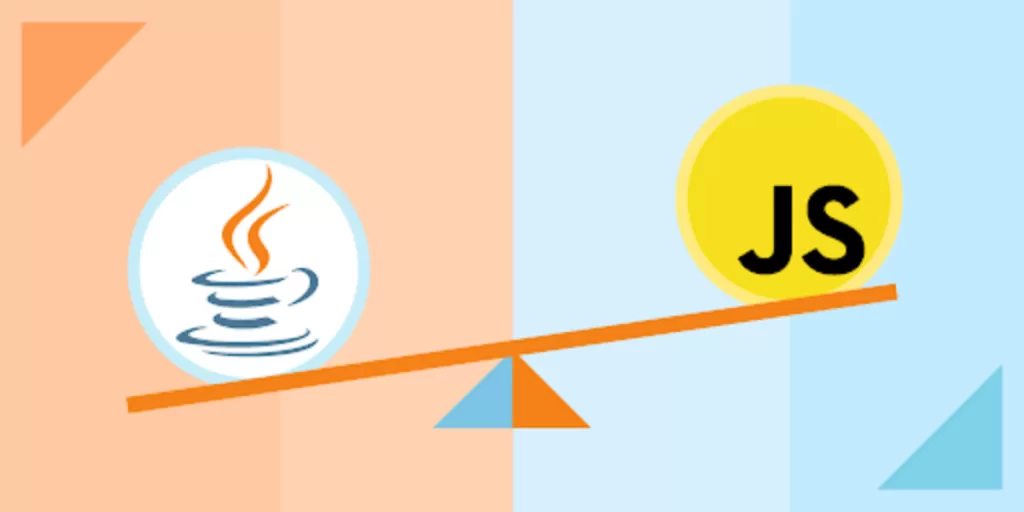
Choosing between Java vs JavaScript depends on your career goal:
- Choose Java if you want:
- Enterprise-level projects
- Backend & system-level programming
- Android development
- Strong foundations in OOP
- Choose JavaScript if you want:
- Web development (frontend + backend)
- Faster learning & quick results
- Full-stack developer role
- Modern frameworks & UI-focused work
👉 Best advice: Learn JavaScript first for web skills, then Java for strong backend and enterprise knowledge.
Want to Learn More About Java ?, Kaashiv Infotech Offers, Full Stack Java Course, Java Course, Data Science Course, Internships & More, Visit Their Website www.kaashivinfotech.com.
Related Reads: