⚙️ Microservices in Dotnet Core – Kaashiv Infotech Dotnet

In today’s fast-moving software world, scalability, flexibility, and independence are the keys to success. That’s exactly where Microservices in Dotnet Core shine. Unlike traditional monolithic applications, microservices allow you to break your project into smaller, self-contained units — each focusing on one specific business function.
These independent services can communicate with each other through lightweight protocols like HTTP or gRPC, allowing teams to develop, deploy, and scale components individually. This approach gives modern developers the power to build complex systems that are easier to maintain and expand.
Many aspiring developers begin exploring these concepts through Kaashiv Infotech Dotnet training programs, where they dive into the practical side of microservice design — from service communication to deployment in containers. This hands-on approach transforms theoretical knowledge into real-world development skills.
Microservices in Dotnet Core – Kaashiv Infotech Dotnet

Steps for PC

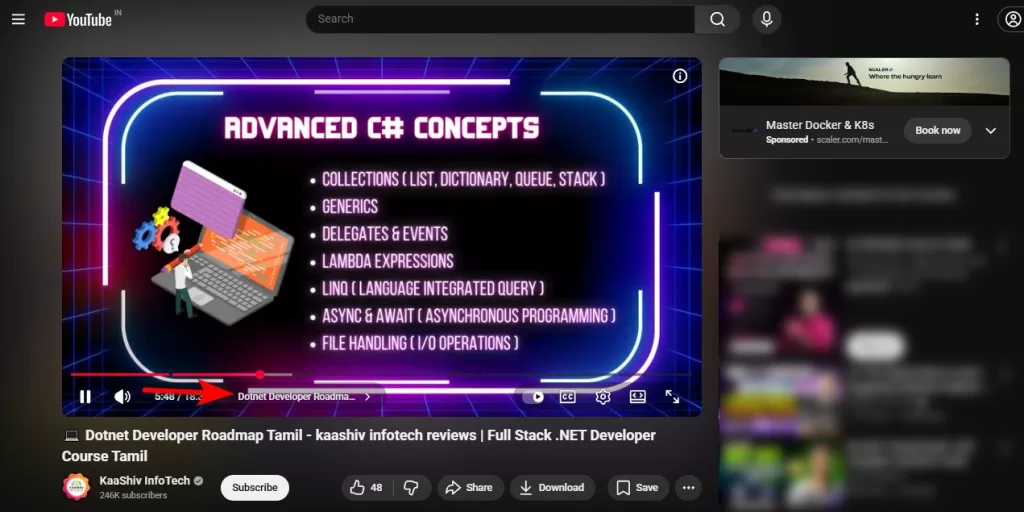

Steps for Mobile

🧩 Why Microservices Matter in Dotnet Core
Dotnet Core provides a solid foundation for building microservices because of its lightweight, modular, and cross-platform nature. Unlike the older .NET Framework, Dotnet Core was designed with flexibility in mind — making it perfect for microservice architecture.
Here’s why it’s a favorite choice among developers:
- Cross-Platform Compatibility – Build and run services on Windows, macOS, or Linux with ease.
- Container Support – Works seamlessly with Docker and Kubernetes for containerized deployment.
- High Performance – Optimized runtime ensures fast execution even under heavy loads.
- Easy Integration – Supports REST APIs and gRPC for communication between services.
- Scalability – Add or remove services without affecting the rest of the system.
A microservices-based system built with Dotnet Core can handle rapid business growth and frequent updates without downtime — something that’s difficult to achieve in traditional architectures.
🧠 How Dotnet Core Makes Microservices Development Easier
Dotnet Core’s structure and ecosystem make it easy for developers to design, build, and manage microservices effectively. Here’s how:
- ASP.NET Core Web API: Ideal for creating independent RESTful services.
- Dependency Injection: Built-in DI simplifies the management of service lifecycles.
- Configuration Management: Supports multiple environments and flexible configuration handling.
- Logging & Monitoring: Integrated tools like Serilog and Application Insights make it easy to trace performance.
- Communication: gRPC and HTTP APIs ensure smooth and fast inter-service communication.
Developers in Kaashiv Infotech Dotnet sessions often experiment with building small services, linking them via APIs, and deploying them in Docker containers — gaining hands-on experience with real-world system design principles.
🚀 Real-World Applications
Microservices are now used across almost every major industry:
- E-commerce: Modular systems for payments, recommendations, and order management.
- Banking & Finance: Isolated services for authentication, transactions, and analytics.
- Healthcare: Independent data modules for patients, doctors, and reports.
- SaaS Platforms: Separate microservices for billing, notifications, and user management.
Each of these examples benefits from the flexibility, performance, and scalability that Dotnet Core brings to microservice-based development.
💡 Final Thoughts
Microservices have redefined how developers approach large-scale applications — and Dotnet Core makes the journey smoother, faster, and more efficient. Whether you’re building enterprise-grade software or a personal project, understanding microservices will future-proof your coding career.
If you’re eager to gain hands-on experience with real-world projects, the Kaashiv Infotech Dotnet Course and Full Stack .NET Training Program are excellent starting points. These courses combine theory with practice — guiding you through backend development, web API integration, and scalable architecture design — everything you need to become a confident, job-ready .NET developer.