REST API vs Web API Made Simple: Everything You Need to Know
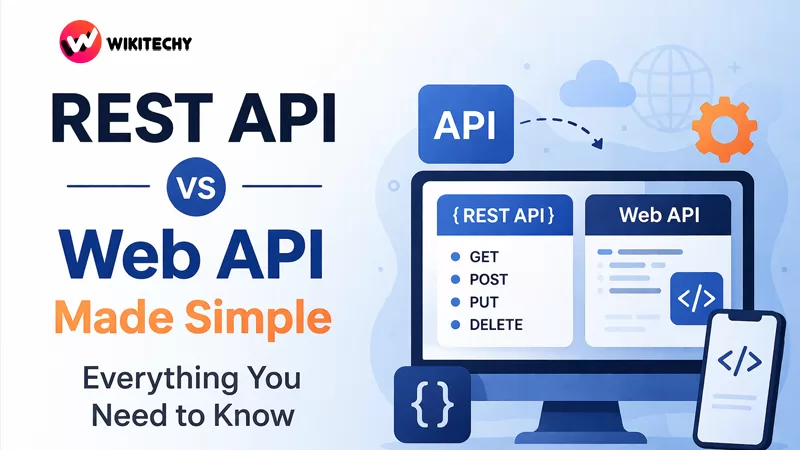
Rest API and Web API – APIs are the invisible engines behind modern software communication. If you’ve ever wondered how your mobile app talks to a server or how different services exchange data, you’re likely dealing with an API. In this article, we’ll dive into the topic Rest API vs Web API: Key Differences Explained Simply, helping you understand the termsl
This guide is designed for beginners, developers, and tech enthusiasts who want to learn about the Best API practices and the distinction between REST APIs and Web APIs.
⭐ Key Highlights
- ✅ Simple comparison of Rest API and Web API
- 🔄 Learn how REST fits within the Web API umbrella
- 🔧 Understand real-world use cases
- 💬 Explore pros and cons of each API type
What Is an API?
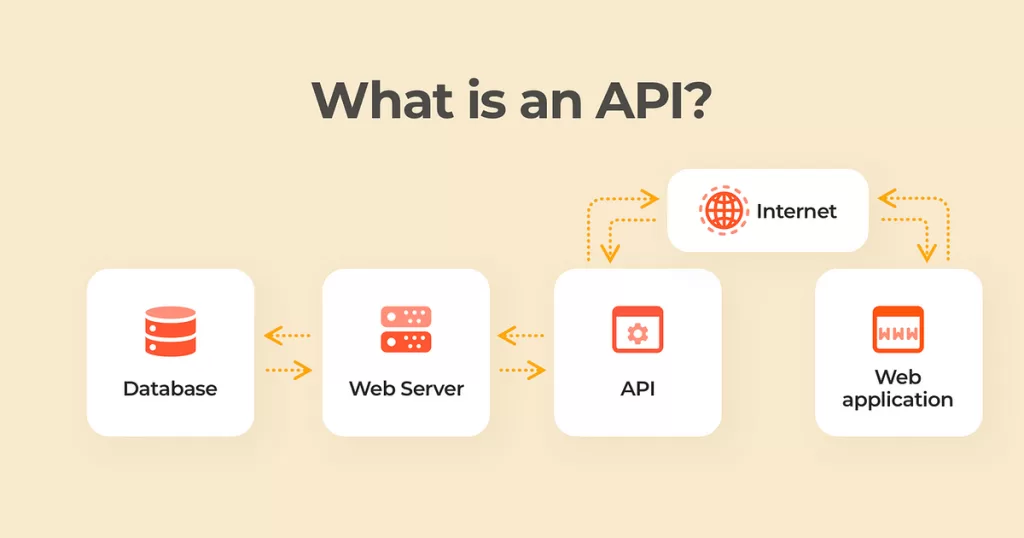
An API (Application Programming Interface) allows software systems to communicate with each other. APIs define rules for accessing data or functionality in another application, like letting a weather app fetch data from a weather server.
Types of APIs:
- Web API
- REST API
- SOAP API
- GraphQL API
What Is a Web API?
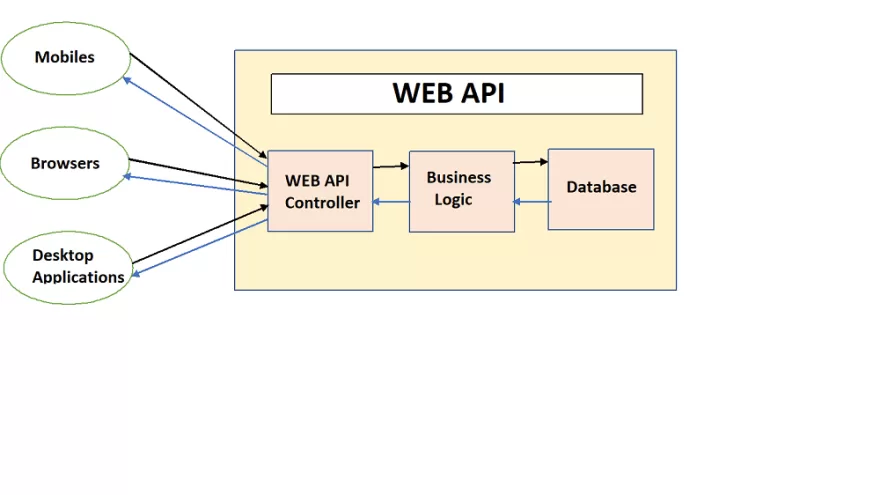
A Web API is a broad category that includes any API accessible over the internet using HTTP. It’s not limited to one architecture—SOAP, REST, GraphQL, and others all fall under this umbrella.
Key Traits of Web APIs:
-
- Accessible via HTTP
- Can use XML, JSON, or custom formats
- Platform-agnostic
- Can be RESTful or follow other protocols
What Is a REST API?
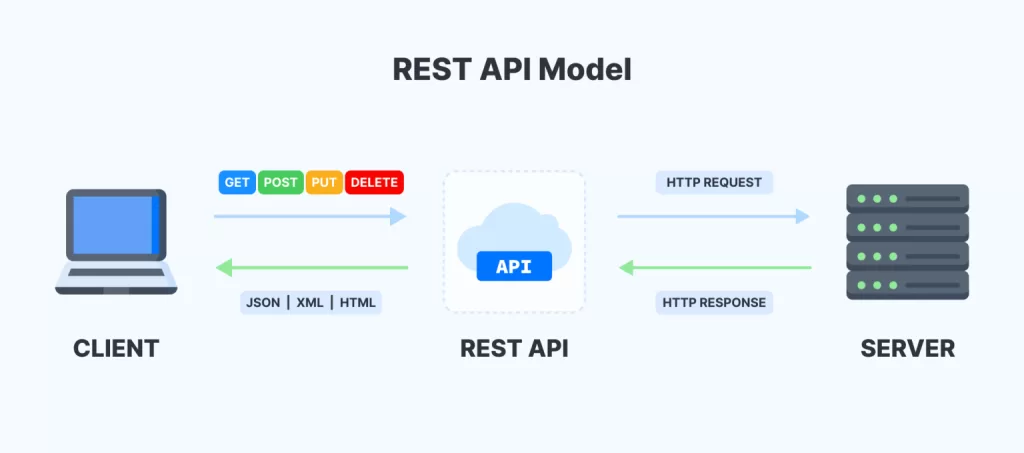
A REST API is a specific type of Web API that follows REST (Representational State Transfer) architecture. It leverages HTTP methods like GET, POST, PUT, and DELETE to perform operations on data.
REST API Features:
-
- Stateless
- Supports JSON and XML (usually JSON)
- Easily cacheable
- Lightweight
- Scalable
A REST API is a Web API, but not all Web APIs are REST APIs.
Rest API vs Web API: Key Differences Explained Simply
Let’s break down the Rest API vs Web API comparison in an easy-to-understand table:
| Feature | Web API | REST API |
|---|---|---|
| Type | General (can include REST, SOAP) | Specific to REST architecture |
| Protocol | HTTP, sometimes others | Strictly HTTP |
| Data Format | XML, JSON, or both | Mostly JSON |
| Stateless | Optional | Mandatory |
| Caching | Optional | Built-in support |
| Use Cases | Legacy apps, enterprise systems | Modern web/mobile apps |
| Flexibility | More flexible in implementation choices | Follows REST constraints strictly |
The phrase Web API vs Rest API : Key Differences Explained Simply really boils down to understanding how REST is a style inside the broader Web API category.
When to Use Each Web API vs Rest API Type
Use REST API When:
-
- You want fast, lightweight communication ⚡
- You’re building mobile or single-page apps 📱
- You’re developing with modern frameworks 🌐
Use Web API (non-REST) When:
-
- Legacy systems need to connect 🔄
- SOAP or strict schema validation is required 🧾
- Enterprise environments call for more rigid protocols 🏢
Benefits of REST vs Web API
Why are REST APIs the most widely used today?
-
- ✅ Easy to implement
- ✅ Widely supported in libraries and frameworks
- ✅ Lightweight and scalable
- ✅ Suited for fast web apps
These reasons make REST a clear winner in most modern development use cases, making the Rest vs Web API discussion more relevant than ever.
Real-World Examples
- Twitter API → REST API
- Google Maps API → REST API
- Amazon Web Services → Mix of REST & other APIs
Final Thoughts: Rest API and Web API
The phrase Rest API and Web API: Key Differences Explained Simply represents a vital decision point in designing digital applications. While all REST APIs are Web APIs, not all Web APIs follow REST principles.
So, what should you pick?
- Use REST APIs for fast, scalable, modern apps
- Use Web APIs for broader integration, especially with enterprise and legacy systems
Want to Learn More About Testing, Kaashiv Infotech Offers Software Testing Course, Internships & More, Visit Their Website www.kaashivinfotech.com.
Additional Resources
📌 FAQ: REST API vs Web API
1. What is the difference between REST API and Web API?
REST API is a specific type of Web API that follows REST architectural principles, using HTTP methods and stateless communication. A Web API is a broader term that can include REST, SOAP, or other protocols.
2. Is every REST API a Web API?
Yes, every REST API is a Web API because it uses web technologies (like HTTP). However, not all Web APIs are RESTful — some may use SOAP or other formats.
3. Which is better: REST API or Web API?
REST API is often better for modern web and mobile applications due to its simplicity, stateless design, and use of JSON. Web API is more flexible and may be preferred in legacy or enterprise systems.
4. Can a Web API be RESTful?
Absolutely. A Web API becomes a REST API when it follows REST constraints like statelessness, resource-based URLs, and use of HTTP methods like GET, POST, PUT, DELETE.
5. When should I use REST API over Web API?
Use REST API when building scalable, maintainable web or mobile apps that benefit from lightweight communication. Choose a broader Web API (like SOAP) for complex enterprise systems needing advanced security or protocol support.
6. Why is REST API so popular?
REST APIs are popular because they are easy to use, support JSON (which is lightweight and readable), and scale well in modern cloud and mobile environments.
7. Is Web API obsolete now that REST API is common?
No. Web API is still widely used and offers broader compatibility, especially in older or complex enterprise systems that require SOAP or custom protocols.
Related Reading
- Open Source vs Closed Source: Key Differences Explained
- What Is WordPress? A Beginner’s Guide
- Top Marketing Automation Tools in 2025