Top 10 Toughest Courses in India: A Complete Guide for 2026
When you want to build a career in India, choosing the right academic path is very important. But let us be honest – some courses are much harder than others. These demanding programs require not just intelligence but also a lot of hard work, dedication and mental strength.
In today’s world, whether you want to be an engineer, a doctor, a finance expert or a government officer, the journey starts with one crucial decision: selecting the right course. Which courses are really tough? Which programs separate the determined from the dreamers?
In this guide, we will walk you through the top 10 toughest courses in India for 2026, exploring what makes them challenging, the opportunities they offer and how to determine if they are the right fit for you.
What Makes a Course “Tough”?
Before we dive into the list, let us understand what criteria determine whether a course deserves the “tough” label. It is not just about big books or long study hours – several factors contribute to a course’s difficulty level.
Key Factors That Define Course Difficulty:
- Conceptual Complexity: How complicated are the theories involved?
- Syllabus Extensiveness: The amount of material you need to master
- Entrance Exam Competition: The difficulty of getting admitted in the first place
- Skill Requirements: Practical, analytical and critical thinking abilities needed
- Course Duration: Length of study and sustained commitment required
- Dropout Rates: How many students give up along the way
- Failure Rates: Percentage of students who do not pass exams
- Mental Pressure: Stress and psychological demands of the program
Understanding these factors helps you realistically assess whether you are prepared for the challenge ahead.
The Top 10 Toughest Courses in India for 2026
Let us explore each of these demanding programs in detail, understanding their challenges and what they offer to those brave enough to pursue them.
1. Computer Engineering: Riding the Technology Wave
Computer engineering sits at the top of our list, and for good reason. In an era where technology evolves faster than textbooks can be updated, this field demands constant learning and adaptation.
Why It Is Tough:
Computer science is not just about learning to code – it is about understanding complex algorithms, mastering multiple programming languages and staying current with rapidly emerging technologies like Artificial Intelligence, Machine Learning and Blockchain.
Major Challenges:
- Constantly updating skillset to match industry standards
- Deep understanding of mathematical concepts and logic
- Balancing theoretical knowledge with practical implementation
- Intense competition for top positions in leading tech companies
- Pressure to build impressive portfolios and projects

Popular Specializations:
- Artificial Intelligence and Machine Learning
- Data Science and Analytics
- Cybersecurity
- Cloud Computing
- Full-Stack Development
Despite the challenges, computer engineering graduates often land lucrative positions in top tech companies, making the struggle worthwhile for many students.
2. Chartered Accountancy (CA): The Marathon of Finance
Ask any CA about their journey, and they will likely share stories of sleepless nights, multiple attempts and unwavering determination. The CA course is notorious for its low pass rates and comprehensive examination structure.
The Three-Level Challenge:
Level 1: CA Foundation – Your entry point into the CA journey
Level 2: CA Intermediate – Where many students face their first major hurdle
Level 3: CA Final – The ultimate test of your accounting knowledge
Why It Is Extremely Difficult:
- Typically requires 3-5 years of dedicated study
- Pass percentages hover around 5-10% for final exams
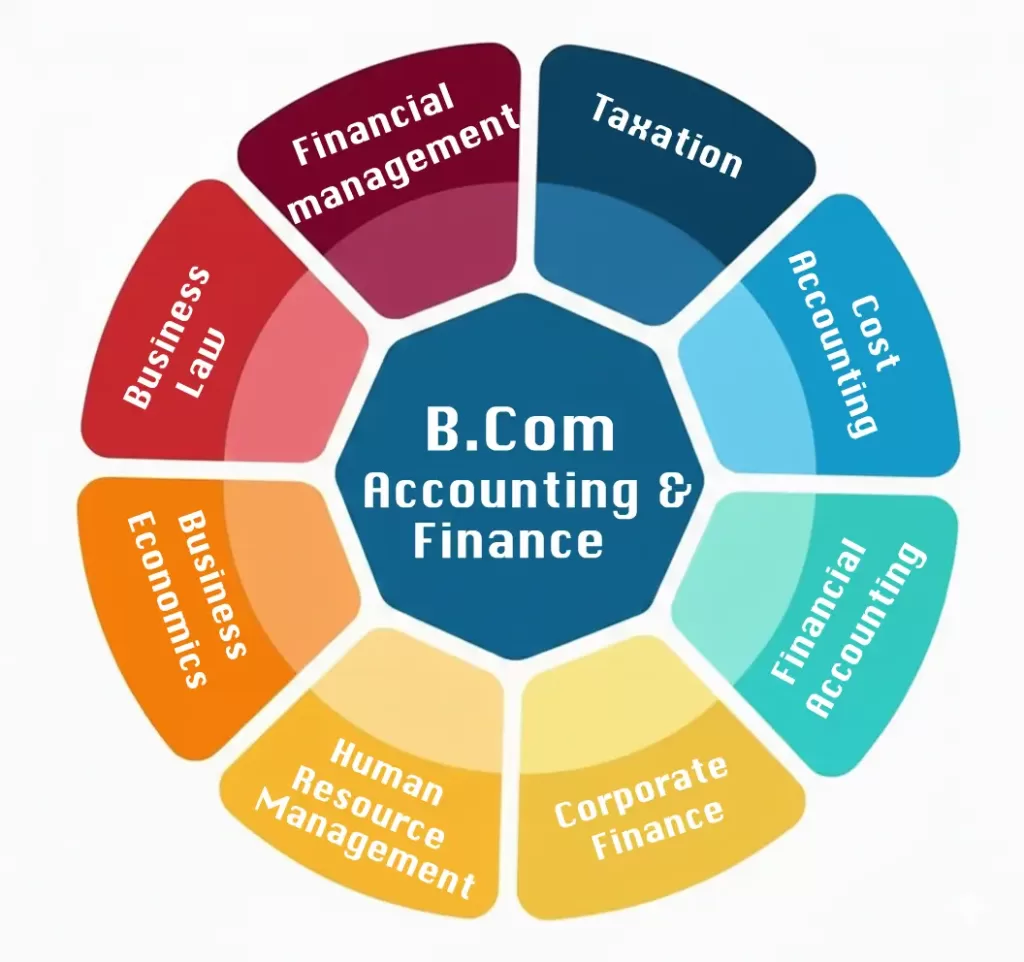
- Demands expertise in accounting, auditing, taxation and business law
- Requires practical training alongside theoretical knowledge
- Multiple subjects to master simultaneously
Reality Check:
You can start CA preparation right after completing your Class XII exams. However, be prepared for a long journey – it is not uncommon for students to take multiple attempts before clearing all levels.
The reward? CAs are highly respected professionals with excellent earning potential and diverse career opportunities in finance, taxation and business consulting.
3. Master of Philosophy (M.Phil): The Research Challenge
The Master of Philosophy represents a bridge between regular postgraduate degrees and PhD programs. It is designed for those who want to contribute original research to their field of study.
What Makes M.Phil Demanding:
- Requires developing original research ideas
- Demands in-depth knowledge of research methodologies
- Involves presenting and defending your thesis
- Needs strong analytical and critical thinking skills
- Requires mastery of relevant theoretical frameworks
Entry Requirements:
Students typically need to clear competitive exams like GATE, IIT JAM or university-specific entrance tests to secure admission in top institutions.
Duration: Generally 2 years of intensive research work
This course suits those with a genuine passion for academic research and contributing new knowledge to their discipline.
4. Medicine (MBBS): Saving Lives Through Dedication
Medicine consistently ranks among the toughest career paths in India. The journey begins with one of the most competitive entrance exams – NEET – and continues through years of rigorous study and practical training.
The NEET Challenge:
Every year, millions of aspirants compete for limited seats in medical colleges. The competition is fierce, the syllabus is vast and the pressure is immense.
Why MBBS Is Exceptionally Tough:
- Extensive syllabus covering human anatomy, physiology, pathology and more
- Requires memorization of countless facts alongside deep conceptual understanding
- Demands practical skills development through clinical rotations
- Long course duration (5.5 years including internship)
- High-pressure environment with significant responsibility
- Continuous learning even after graduation

The Reality of Medical Education:
Medical students often spend 10-12 hours daily studying, attend lengthy hospital rotations and sacrifice social life during exam seasons. The course tests not just your intelligence but your physical and emotional endurance.
However, for those passionate about healthcare, the ability to save lives and make a genuine difference makes every challenge worthwhile.
5. Engineering: The Technical Powerhouse
Engineering remains one of India’s most popular yet challenging educational paths. Getting into top institutions like IITs or NITs requires cracking extremely competitive entrance exams.
The JEE Challenge:
JEE Main and JEE Advanced are gateway exams that test your understanding of Physics, Chemistry and Mathematics at advanced levels. With millions of applicants competing for limited seats, the competition is brutal.
Why B.Tech Is Demanding:
- Complex mathematical and scientific concepts
- Multiple specializations requiring different skill sets
- Heavy emphasis on practical application and projects
- Constant technological updates requiring continuous learning
- Pressure to maintain good grades for placements
Popular Engineering Branches:
- Computer Science and Engineering
- Mechanical Engineering
- Electrical and Electronics Engineering
- Civil Engineering
- Chemical Engineering
Engineering graduates who successfully navigate these challenges often find rewarding careers in technology, manufacturing, construction and various other industries.
6. MBA (Master of Business Administration): Leadership Training Ground
An MBA from a top institution like the IIMs or ISB is considered a golden ticket to management careers. However, getting there and surviving the program is no easy feat.
The CAT Exam Hurdle:
The Common Admission Test (CAT) is one of India’s most competitive exams, testing your quantitative ability, verbal skills and logical reasoning under intense time pressure.
What Makes MBA Challenging:
- Case-based learning requiring quick analysis and decision-making
- High-pressure environment with continuous assessments
- Balancing multiple subjects simultaneously
- Developing soft skills like leadership and communication
- Intense competition among highly motivated peers
- Demanding group projects and presentations
MBA Specializations:
- Finance and Accounting
- Marketing Management
- Human Resource Management
- Operations Management
- Business Analytics
An MBA can transform your career trajectory, but only if you are prepared for the intense two years of learning and personal development.
7. Architecture: Where Art Meets Engineering
Architecture is a unique field that demands creativity, technical knowledge and artistic vision. It is for those who can think both analytically and creatively.
Why Architecture Is Tough:
- Requires understanding of design principles, engineering, arts and mathematics
- Demanding practical assignments and design projects
- Long working hours in studios
- Balancing aesthetic appeal with structural integrity
- Developing proficiency in various design software
- Continuous critique and improvement of work
The B.Arch Journey:
Students need to clear competitive entrance exams like NATA (National Aptitude Test in Architecture) or JEE Main Paper 2, which test both aptitude and drawing skills.
The course typically spans 5 years, filled with studio work, site visits and comprehensive projects that test your creativity and technical knowledge.
8. Law: The Justice Warriors
A career in law demands sharp analytical thinking, strong communication skills and the ability to interpret complex legal frameworks.
What Makes Law Challenging:
- Vast syllabus covering constitutional law, criminal law, contract law and more
- Requires strong memorization alongside analytical reasoning
- Developing persuasive communication and argumentation skills
- Continuous reading and staying updated with legal precedents
- High-pressure court environments and deadlines

Entrance Exams:
Aspiring lawyers typically need to clear exams like CLAT (Common Law Admission Test) for admission to National Law Universities.
Career Paths:
- Litigation and Court Practice
- Corporate Law
- Judicial Services
- Legal Consultancy
- Academia and Research
Law offers diverse career opportunities but demands unwavering commitment to justice and continuous learning.
9. Civil Services: The Most Prestigious Challenge
The UPSC Civil Services Examination is widely regarded as one of the toughest competitive exams globally. It is the gateway to prestigious positions like IAS, IPS and IRS.
Why UPSC Is Extremely Difficult:
- Exceptionally vast syllabus covering history, geography, economics, polity, science and current affairs
- Three-stage selection process: Preliminary, Mains and Interview
- Success rate of less than 0.1% of total applicants
- Requires 12-18 months of dedicated preparation
- Tests knowledge, personality, decision-making and ethics
The Three Stages:
Preliminary Exam: Objective-type screening test
Mains Exam: Descriptive papers testing in-depth knowledge
Interview: Personality test assessing suitability for administrative roles
Reality Check:
Most successful candidates take multiple attempts. The average age of successful candidates is 25-27 years, indicating that most people do not clear it on their first try.
Despite the difficulty, civil services offer unmatched prestige, job security and the opportunity to serve the nation at the highest administrative levels.
10. Pharmacy: The Medicine Makers
Pharmacy is more than just dispensing medicines – it is about understanding pharmaceutical chemistry, drug interactions and healthcare systems.
Why Pharmacy Is Challenging:
- Requires strong foundation in chemistry and biology
- Understanding of pharmaceutical, organic and inorganic chemistry
- Knowledge of pharmacology, pharmacognosy and ayurveda
- Practical laboratory work and research
- Staying updated with new drug discoveries and regulations

Course Options:
- B.Pharm (Bachelor of Pharmacy) – 4 years
- Pharm.D (Doctor of Pharmacy) – 6 years
- M.Pharm (Master of Pharmacy) – 2 years
Career Opportunities:
- Hospital and Clinical Pharmacy
- Pharmaceutical Research and Development
- Quality Control and Assurance
- Drug Regulatory Affairs
- Academic and Teaching positions
Pharmacy offers stable career prospects in both healthcare and pharmaceutical industries.
Other Challenging Courses Worth Mentioning
Beyond our top 10, several other courses deserve recognition for their difficulty:
Academic Programs:
- PhD in Mathematics: Dealing with abstract concepts and complex proofs
- Master of Science (MSc) in Physics: Advanced theoretical and practical challenges
- Bachelor of Fine Arts (BFA): Demanding creative output and artistic excellence
Emerging Tough Courses:
- Ethical Hacking and Cybersecurity: Constantly evolving threat landscape
- Marine Biology: Specialized knowledge and limited opportunities
- Forensic Science: Precision and attention to detail required
- Astrobiology: Interdisciplinary complexity
- Game Design and Development: Technical and creative demands
Understanding Course Difficulty: It’s Personal
Here’s an important truth: what’s tough for one person might be manageable for another. Your perception of difficulty depends on several personal factors:
Your Interest and Passion:
A course aligned with your interests will feel less burdensome, even if objectively difficult. Conversely, even relatively easier courses can feel torturous if you lack genuine interest.
Your Natural Aptitudes:
Someone with strong mathematical skills might find engineering easier than law, while a person with excellent verbal abilities might excel in law but struggle with engineering.
Your Learning Style:
Some courses favor visual learners, others suit those who learn by doing. Understanding your learning style helps you choose courses where you can naturally excel.
Support Systems:
Access to good teachers, study materials, peer groups and family support significantly influences your experience of course difficulty.
Which Courses Offer Easy Entry with High Salaries?
Not everyone wants to take the most difficult path. If you are looking for courses that offer good earning potential without extreme academic pressure, consider these options:
High-Demand, Relatively Accessible Courses:
Digital Marketing:
- Growing industry with constant demand
- Can be learned through online courses and certifications
- Offers freelancing and remote work opportunities
- Average salary: ₹4-8 lakhs per annum for experienced professionals
UI/UX Design:
- Creative field with technical elements
- Portfolio matters more than degrees
- High demand in tech companies and startups
- Average salary: ₹5-12 lakhs per annum
Content Writing and SEO:
- Language skills are primary requirement
- Can start with minimal investment
- Flexible work arrangements
- Average salary: ₹3-7 lakhs per annum
Foreign Language Courses:
- Japanese, German, French and Spanish in high demand
- Opens opportunities in translation, teaching and corporate sectors
- Average salary: ₹4-9 lakhs per annum
Hotel Management:
- Practical, hands-on learning
- Global career opportunities
- Average salary: ₹3-8 lakhs per annum
The Happiest Courses: Following Your Passion
Happiness in education comes from alignment between your interests and your studies. Generally, creative and human-centric fields report higher satisfaction levels:
High-Satisfaction Courses:
- Design Fields: Fashion, graphic, interior design
- Psychology: Understanding human behavior
- Performing Arts: Music, dance, theater
- Creative Writing: Expressing through words
- Social Work: Making societal impact
- Photography and Cinematography: Visual storytelling
The common thread? These courses allow personal expression and direct connection with human experiences.
Which Professional Course Has the Highest Failure Rate?
Understanding failure rates helps set realistic expectations:
Courses with High Failure Rates:
1. Chartered Accountancy (CA):
- Pass rate: 5-10% for final exams
- Often requires multiple attempts
- Highest dropout rate among professional courses
2. Engineering (B.Tech):
- High failure rates in specific subjects like Mathematics, Thermodynamics and Control Systems
- Particularly challenging in tier-2 and tier-3 colleges
- Many students take additional years to complete
3. MBBS:
- While absolute failure is rare, many students extend their course duration
- High stress leads to mental health challenges
- Some students switch streams mid-way
4. Mathematics (Honors/MSc):
- Abstract concepts prove too difficult for many
- High rate of stream-switching
- Requires exceptional logical reasoning
5. Pharmacy:
- Complex chemical concepts challenge many students
- Practical examinations add pressure
- Significant dropout rates in first year
Most In-Demand Courses for 2026
Market demand should influence your course selection. Here are the hottest courses for 2026:
Top In-Demand Courses:
1. Data Science and Analytics:
- Every industry needs data professionals
- Starting salaries: ₹6-15 lakhs per annum
- High growth potential
2. Computer Science and Engineering:
- Perpetual demand for skilled programmers
- Specializations in AI, ML , cybersecurity highly sought
- Starting salaries: ₹5-20 lakhs per annum
- Businesses increasingly moving online
- SEO, content strategy, paid ads specialists needed
- Starting salaries: ₹3-8 lakhs per annum
4. Healthcare and Pharmacy:
- Post-pandemic demand surge
- Aging population needs healthcare services
- Starting salaries: ₹4-10 lakhs per annum
5. UX/UI Design:
- Every app and website needs good design
- User experience crucial for business success
- Starting salaries: ₹4-12 lakhs per annum
6. MBA in Business Analytics or Product Management:
- Modern MBA specializations
- High demand in startups and tech companies
- Starting salaries: ₹8-25 lakhs per annum
7. Specialized Law (Cyber Law, IPR):
- Legal tech growing rapidly
- Data privacy concerns creating demand
- Starting salaries: ₹5-15 lakhs per annum

How to Choose the Right Tough Course for You
Selecting from the toughest courses in India requires careful self-assessment. Here’s a framework to guide your decision:
Step 1: Self-Assessment
Ask yourself these critical questions:
- What subjects naturally interest me?
- What are my strongest academic abilities?
- Am I better at theory or practical application?
- How do I handle pressure and stress?
- What career outcomes am I targeting?
- Am I prepared for a long, challenging journey?
Step 2: Research Thoroughly
- Talk to professionals already in the field
- Connect with current students and recent graduates
- Understand day-to-day realities, not just glamorous aspects
- Research salary trends and job market conditions
- Look into course curriculum and teaching methodologies
Step 3: Consider Practical Factors
- Financial investment required
- Course duration and opportunity cost
- Geographic location and infrastructure
- Availability of quality institutions
- Post-course placement support
Step 4: Evaluate Long-Term Prospects
- Will this field remain relevant in 10-20 years?
- Does it offer growth opportunities?
- Can I see myself doing this work long-term?
- Does it align with my life goals and values?
Step 5: Prepare for the Journey
Once you’ve chosen:
- Develop a realistic study plan
- Build strong foundational knowledge
- Connect with mentors and seniors
- Take care of your mental and physical health
- Stay committed but flexible to learning
Tips for Succeeding in Tough Courses
Regardless of which challenging course you choose, these strategies will help you succeed:
Academic Success Strategies:
1. Time Management:
- Create structured study schedules
- Prioritize difficult subjects
- Use techniques like Pomodoro for focused study
2. Consistent Effort:
- Daily progress beats sporadic cramming
- Build strong fundamentals early
- Review regularly to retain information
3. Seek Help Proactively:
- Don’t hesitate to ask professors for clarification
- Form study groups with serious peers
- Use online resources and tutorials
4. Practice Extensively:
- Solve previous years’ papers
- Take mock tests regularly
- Apply theoretical knowledge practically
5. Maintain Balance:
- Schedule breaks and relaxation
- Exercise regularly for mental clarity
- Maintain social connections
- Pursue hobbies to prevent burnout
6. Stay Updated:
- Read current affairs and industry news
- Follow thought leaders in your field
- Attend webinars and workshops
- Join professional communities
Common Myths About Tough Courses
Let’s bust some common misconceptions:
Myth 1: Only Geniuses Can Crack Tough Courses
Reality: Consistency and hard work matter more than raw intelligence. Many successful professionals weren’t naturally brilliant but developed expertise through dedication.
Myth 2: Tough Courses Guarantee Success
Reality: Course difficulty doesn’t automatically translate to career success. Market demand, networking and continuous learning matter equally.
Myth 3: You Must Decide at Age 18
Reality: Many successful people changed courses mid-way or pursued different fields later. Your first choice isn’t necessarily your final destination.
Myth 4: Failure Means You’re Not Cut Out for It
Reality: Multiple attempts are common in tough courses. Many toppers in CA, UPSC and other exams succeeded after several failures.
Myth 5: Easier Courses Mean Lower Success
Reality: Success depends on demand, skills and execution, not course difficulty. Many “easier” courses offer excellent careers.
The Mental Health Aspect of Tough Courses
Let’s address an often-ignored reality: challenging courses can significantly impact mental health.
Common Mental Health Challenges:
- Anxiety: Exam pressure and competition-induced stress
- Depression: Feeling of inadequacy or repeated failure
- Burnout: Exhaustion from continuous high-pressure studying
- Imposter Syndrome: Feeling you don’t belong despite achievements
- Social Isolation: Sacrificing relationships for studies
Protecting Your Mental Health:
1. Recognize Warning Signs:
- Persistent sadness or hopelessness
- Loss of interest in activities
- Sleep disturbances
- Concentration difficulties
- Physical symptoms like headaches
2. Take Preventive Measures:
- Maintain regular sleep schedule
- Exercise daily, even if briefly
- Practice meditation or mindfulness
- Stay connected with supportive people
- Set realistic expectations
3. Seek Professional Help:
- Don’t hesitate to consult counselors
- Many institutions offer free mental health services
- Online therapy options are available
- Talk to trusted mentors or family
Remember: Your mental health is more important than any course or exam. Success means nothing without wellbeing.
Financial Considerations for Tough Courses
Challenging courses often require significant financial investment. Plan wisely:
Understanding Costs:
Direct Costs:
- Tuition fees
- Study materials and books
- Coaching classes (if needed)
- Examination fees
- Practical training expenses
Indirect Costs:
- Living expenses if studying away from home
- Opportunity cost of not earning during study
- Technology and equipment
- Travel for internships or practicals
Financial Planning Tips:
1. Explore Scholarship Options:
- Government scholarships
- Merit-based institutional scholarships
- Private organization scholarships
- Community-based financial aid
2. Consider Education Loans:
- Compare interest rates
- Understand repayment terms
- Check moratorium periods
- Look for tax benefits
3. Part-Time Opportunities:
- Freelancing in your field
- Teaching or tutoring
- Content creation
- Internships with stipends
4. Calculate ROI:
- Compare course cost with expected starting salary
- Consider time to recover investment
- Factor in career growth potential
- Evaluate job security
Success Stories: Inspiration from Those Who Made It
Learning from those who’ve successfully navigated tough courses can be incredibly motivating:
Common Traits of Successful Candidates:
1. Persistence: They didn’t give up after initial failures
2. Adaptability: They adjusted strategies when something wasn’t working
3. Focus: They maintained clarity about their goals
4. Balance: They took care of health alongside studies
5. Support Systems: They built networks of mentors and peers
6. Realistic Expectations: They understood the journey would be difficult
7. Continuous Learning: They kept updating their knowledge
Remember, every successful professional you admire once faced the same challenges you’re facing now. The difference? They kept going.
Become [MBA/Engineering/Hacking/Networking/ Cybersecurity] Professional With Kaashiv Infotech
Looking to dive into the world of [MBA/Engineering/Hacking/Networking/Cybersecurity] and carve your path to success? Kaashiv Infotech is here for you! Our Comprehensive Inplant Training (IPT) and Internship Program is specially designed by Microsoft MVPs and Google-recognized experts to equip you with practical skills and real-world experience that will help you set your foot in the competitive [MBA/Engineering/Hacking/Networking/Cybersecurity] industry.
Let’s break down our training offerings to see what makes our program stand out:
Why Choose Kaashiv Infotech for Your [MBA/Engineering/Hacking/Networking/Cyber security] Career?
Live Industry Projects (2 Real-Time Projects Per Internship): You’ll work on actual industry projects to build a solid portfolio and enhance your learning with hands-on experience that showcases your skills to potential employers.
Daily Practical Sessions: Get hands-on practice with daily coding exercises and practical assignments that enhance your learning and help you master key
- MBA internship in chennai
- Engineering internship in chennai
- Hacking internship in chennai
- Cloud internship in chennai
- Cybersecurity internship in chennai
Doubt Clearing Sessions: Our regular doubt-clearing sessions ensure that no question goes unanswered, giving you clarity on all the concepts taught by our expert trainers.
Exclusive Lab Access for Practice: Access our state-of-the-art coding labs for practice and polish your Hacking/Networking/Cybersecurity skills in a supportive, professional environment.
Industry-Oriented Curriculum: Learn industry-relevant skills and techniques that are directly applicable to real-world scenarios, taught by Microsoft MVPs and Google-recognized professionals.
Triple Certification (Industry-Recognized): Earn three valuable certificates upon completion:
- Internship Certificate
- Inplant Training (IPT) Certificate
- Industrial Exposure Certificate
These credentials are recognized and valued by top employers across the industry.
Mentor Support & Q&A Sessions: Engage with experienced mentors and fellow trainees in our interactive Q&A sessions to exchange ideas, seek advice, and collaborate on projects.
Expert-Led Training Sessions: Benefit from interactive sessions led by Microsoft MVPs and Google-recognized experts who guide you every step of the way with their industry insights.
Interview Preparation & Question Banks: Gain access to comprehensive interview question banks, mock interviews, and ATS-friendly resume building tools to help you land your dream job in MBA.
100% Job Assistance Guarantee + Placement Support: We’re offering 100% job assistance with dedicated placement support, resume optimization, and direct connections to hiring companies looking for skilled professionals.
Wide Alumni Network Support: Join our growing community of successful alumni who continue to support each other through career transitions, referrals, and industry connections.
What You’ll Gain From Kaashiv Infotech’s [MBA/Engineering/Hacking/Networking/Cyber security] Program:
Hands-On Experience – Work on 2 live industry projects per internship cycle
Expert Mentorship – Learn from Microsoft MVPs and Google-recognized professionals
Triple Certification – Stand out with three industry-recognized certificates
Job-Ready Skills – Master the tools and technologies employers are actually looking for
Interview Confidence – Access to curated question banks and ATS-optimized resume templates
100% Placement Support – From training to your first job, we’re with you all the way
Launch Your Career with Confidence!
So what are you waiting for? Join Kaashiv Infotech’s Inplant Training and Internship Program and unlock your potential in the [MBA/Engineering/Hacking/Networking/Cybersecurity] field today!
Conclusion: Your Journey, Your Choice
Choosing to pursue one of the top 10 toughest courses in India is a significant decision that will shape your career and personal development for years to come. Whether you’re drawn to the analytical rigor of Chartered Accountancy, the humanitarian mission of Medicine, the technical challenges of Engineering or the prestigious path of Civil Services, each journey offers unique rewards alongside its difficulties.
Key Takeaways to Remember:
Difficulty is Relative: What’s tough for someone might be manageable for you based on your interests, aptitudes and dedication.
Tough Doesn’t Always Mean Better: The most challenging course isn’t necessarily the best choice for your unique circumstances and career goals.
Demand Matters: Consider market demand alongside course difficulty. Some easier courses offer excellent career prospects.
Passion Powers Persistence: When you’re genuinely interested in a field, even the toughest challenges become bearable, even enjoyable.
Multiple Paths to Success: There’s no single “correct” choice. Different courses lead to success in different ways.
Mental Health is Priority: No achievement is worth sacrificing your wellbeing. Take care of yourself throughout the journey.
Failure Isn’t Final: Many successful professionals faced multiple setbacks before achieving their goals. Persistence matters more than perfection.
Keep Learning: Whether you choose a tough course or an easier one, commit to continuous learning throughout your career.
Making Your Decision
As you stand at this crossroads, take time to:
- Conduct honest self-assessment
- Research thoroughly about each option
- Talk to professionals in fields you’re considering
- Evaluate both short-term challenges and long-term rewards
- Consider your financial situation realistically
- Trust your instincts alongside logical analysis
Final Thoughts
The toughest courses in India for 2026 – whether it’s cracking the UPSC exam with less than 0.1% success rate, surviving the grueling CA Finals with 5-10% pass rates or navigating the intense competition of medical and engineering entrances – are not for the faint-hearted. They demand sacrifice, discipline and unwavering commitment.
But here’s the beautiful truth: thousands of students just like you successfully complete these courses every year. They’re not superhuman – they’re ordinary people who made extraordinary commitments to their goals.
If you’re willing to work hard, stay focused, manage your time wisely, take care of your health and maintain perspective during challenging times, you absolutely can succeed in whichever tough course you choose.
Remember, the goal isn’t just to complete a difficult course – it’s to build a fulfilling career and meaningful life. Choose the path that resonates with your deepest interests and values, not just what seems most prestigious or lucrative.
Your journey through one of India’s toughest courses will test you, transform you and ultimately prepare you for a rewarding professional life. Embrace the challenge, trust the process and keep moving forward.
The tough courses await those brave enough to take them on. Are you ready?
Frequently Asked Questions (FAQs)
1. Which is the toughest course in India?
The title of “toughest course” is subjective, but Chartered Accountancy (CA) is often considered the hardest due to its extremely low pass rate of 5-10%, extensive syllabus and multi-stage examination process spanning 3-5 years. Civil Services (UPSC) is another extremely challenging course with a success rate of less than 0.1%. Medicine (MBBS) and Engineering from top IITs also rank among the toughest due to highly competitive entrance exams and rigorous academic demands.
2. Which course has the highest failure rate in India?
Chartered Accountancy (CA) has the highest failure rate in India, with only 5-10% of candidates passing the CA Final examination. Many students require multiple attempts over several years to complete the course. Engineering courses, particularly in subjects like advanced mathematics and thermodynamics, also see high failure rates. UPSC Civil Services has an extremely low success rate, though it’s technically not a “course” but a competitive examination.
3. Which professional courses are in high demand in India for 2026?
The most in-demand professional courses for 2026 include Data Science and Analytics, Computer Science and Engineering (especially AI, ML and Cybersecurity), Digital Marketing, Healthcare and Pharmacy, UX/UI Design, MBA with specializations in Business Analytics or Product Management and specialized Law courses like Cyber Law and Intellectual Property Rights. These fields offer strong job prospects and competitive salaries.
4. What are some easy courses with high salary potential in India?
Digital Marketing, UI/UX Design, Content Writing and SEO, Foreign Language courses (Japanese, German, French) and Hotel Management are relatively accessible courses that can lead to good salaries. These fields emphasize skills and practical knowledge over theoretical complexity, and many offer flexible career paths including freelancing and remote work opportunities. Starting salaries range from ₹3-12 lakhs per annum depending on the field and your skill level.
5. How can I decide which tough course is right for me?
To choose the right challenging course, start with thorough self-assessment of your interests, strengths and career goals. Research each course extensively, talk to professionals in those fields and understand the day-to-day realities beyond just the prestige. Consider practical factors like financial investment, course duration and job market conditions. Most importantly, choose a field you’re genuinely passionate about – interest and dedication matter more than raw intelligence when tackling tough courses. Don’t hesitate to seek guidance from career counselors, mentors and seniors who’ve walked the path before you.
About WikiTechy
WikiTechy is your trusted source for technology news, career guidance and educational insights. We help students and professionals make informed decisions about their academic and career paths through comprehensive, research-based articles and guides.