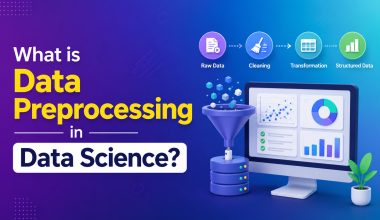


Data Engineer Skills – Data engineering has evolved from simple database management into one of the most critical roles in modern technology. In 2026, organizations are driven by data more than ever—whether it’s powering artificial intelligence, enabling real-time analytics, or improving customer experiences. Behind all of this is the data engineer, the professional responsible for building, maintaining, and optimizing data systems that fuel decision-making.
Unlike data scientists who focus on analysis, data engineers design the infrastructure that makes analysis possible. As businesses scale, the demand for skilled data engineers continues to rise, but the skillset required is also becoming more sophisticated. To stay competitive in this fast-changing landscape, mastering the right combination of technical and practical skills is essential.
Top 6 Must-Have Data Engineer Skills
1. Advanced SQL and Data Modeling

SQL remains the backbone of data engineering. Even with the rise of new tools and technologies, structured query language is still the most widely used method for interacting with data. However, in 2026, basic SQL knowledge is not enough.
Data engineers are expected to write highly optimized queries, handle massive datasets efficiently, and design scalable data models. Understanding concepts like normalization, denormalization, star schema, and snowflake schema is crucial for building high-performance data warehouses.
A strong foundation in SQL also enables engineers to debug pipelines, validate data quality, and collaborate effectively with analysts and scientists. Without it, even the most advanced tools become difficult to use effectively.
2. Cloud Computing Expertise
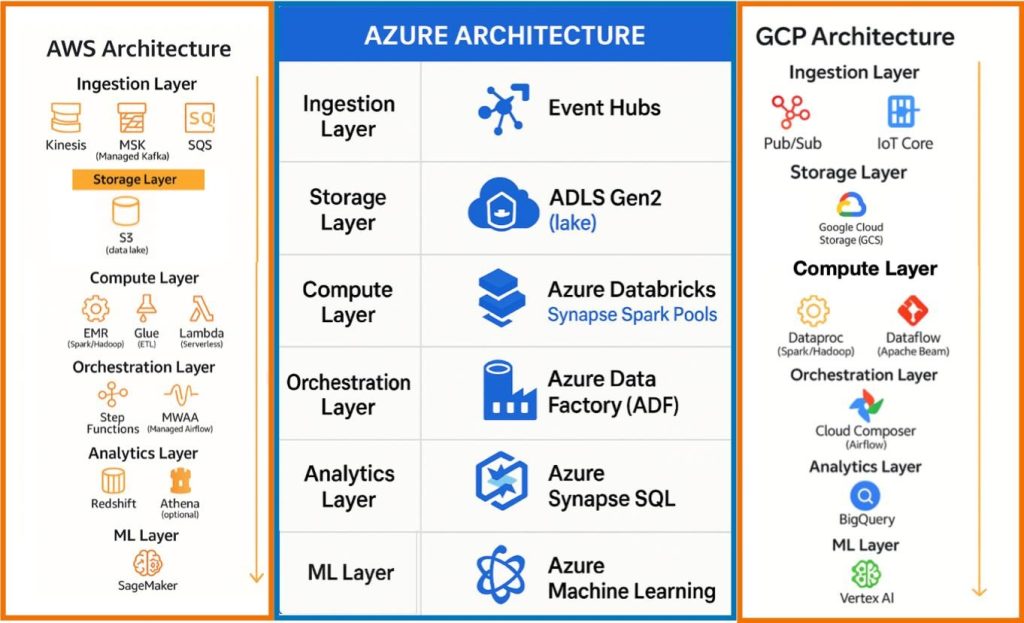
The shift to cloud platforms has completely transformed data engineering. In 2026, almost every modern data pipeline runs on cloud infrastructure. Tools and services from providers like AWS, Azure, and Google Cloud dominate the ecosystem.
A data engineer must understand how to build, deploy, and manage pipelines in the cloud. This includes working with services such as data lakes, data warehouses, serverless computing, and storage solutions. Knowledge of cost optimization, scalability, and security is equally important.
Cloud expertise also allows engineers to handle dynamic workloads, ensuring that systems scale automatically based on demand. This flexibility is essential for businesses dealing with unpredictable data volumes.
3. Big Data Technologies (Spark, Hadoop)

Handling large-scale data efficiently requires specialized tools. Technologies like Apache Spark and Hadoop continue to play a major role in processing massive datasets.
Apache Spark, in particular, has become a standard for distributed data processing due to its speed and versatility. It supports batch processing, real-time streaming, machine learning, and graph processing—all within a single framework.
Understanding how distributed systems work is key. Data engineers need to know how data is partitioned, processed across nodes, and optimized for performance. Without this knowledge, managing big data systems becomes inefficient and costly.
4. Programming Skills (Python & Beyond)

Programming is at the heart of data engineering. Python remains the most popular language due to its simplicity and extensive ecosystem of libraries. It is widely used for building ETL pipelines, automation, and data transformation tasks.
However, modern data engineers are not limited to just one language. Knowledge of Scala or Java is often required, especially when working with big data tools like Spark. Understanding APIs, scripting, and automation frameworks is also essential.
Strong programming skills enable engineers to build robust, reusable, and scalable data solutions. They also make it easier to integrate different tools and systems within an organization.
5. Data Pipeline & ETL/ELT Design
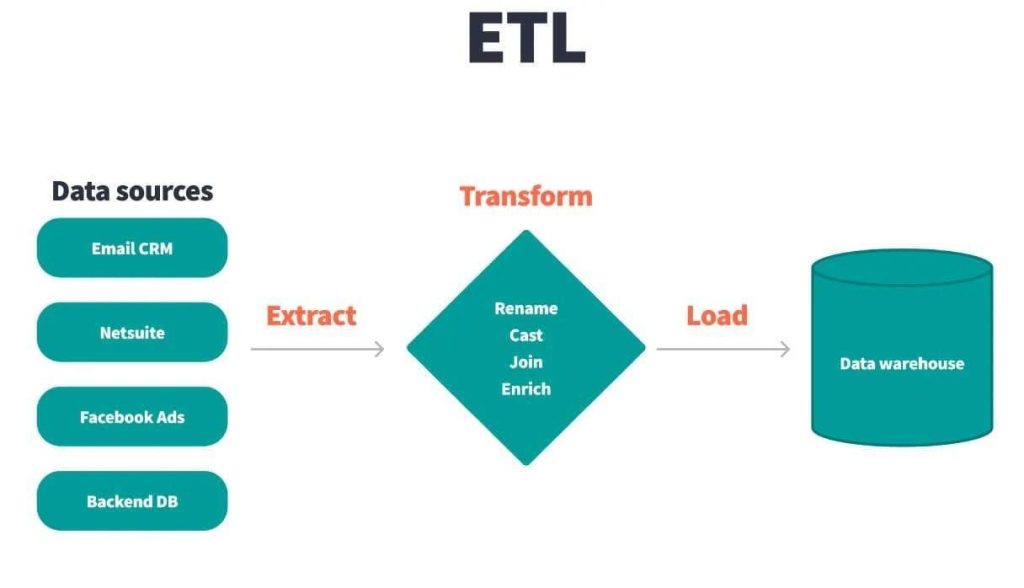
One of the core responsibilities of a data engineer is designing data pipelines. These pipelines move data from various sources, transform it, and make it available for analysis.
In 2026, the focus has shifted from traditional ETL (Extract, Transform, Load) to ELT (Extract, Load, Transform), especially with the rise of powerful cloud data warehouses. Engineers must understand when to use each approach and how to optimize them.
Additionally, real-time data processing is becoming increasingly important. Tools like Kafka and streaming frameworks allow businesses to process data instantly rather than in batches. Designing efficient pipelines that handle both batch and streaming data is a key skill.
6. Data Governance, Security & Quality

As data becomes more valuable, ensuring its security and quality is critical. Data engineers must implement strong governance practices to maintain trust and compliance.
This includes managing access control, encrypting sensitive data, and ensuring compliance with regulations such as GDPR and other data protection laws. Engineers also need to monitor data quality, detect anomalies, and prevent errors from spreading across systems.
Reliable data is the foundation of accurate insights. Without proper governance and quality control, even the best analytics can lead to incorrect decisions.
Final Thoughts
The role of a data engineer in 2026 is more dynamic and impactful than ever before. It’s no longer just about moving data from one place to another—it’s about building intelligent, scalable systems that power entire organizations.
Mastering SQL, cloud platforms, big data tools, programming, pipeline design, and data governance will position you as a highly valuable professional in this field. While the tools and technologies may evolve, the core principles of efficient data handling and system design will always remain relevant.
If you’re planning to enter or grow in the data engineering field, focusing on these six skills will give you a strong and future-proof foundation.
Want to learn more ??, Kaashiv Infotech Offers Data Analytics Course, Data Science Course, Cyber Security Course & More Visit Their Website www.kaashivinfotech.com.