What Data Science Is: 11 Factors That You Must Learn 💙-2026
What is Data Science?
I begin right at the point you are searching from.
When you have entered the phrase What is Data Science in Google, it is likely that you are clueless, intrigued, or even a bit frightened. I get it. I was there too — at 1 a.m., sitting at my laptop and wondering:
- Do math geniuses only do Data Science?
- Do I need to be a coding wizard?
- Is this yet another hype word?
So let me speak to you like a friend — not like a textbook.
This article answers what is Data Science, why it matters, and most importantly, the Important Factors Data Science learners need to consider if they actually want results in the real world.
No fluff.
No robotic language.
Only experience, anecdotes, and clarity 😊
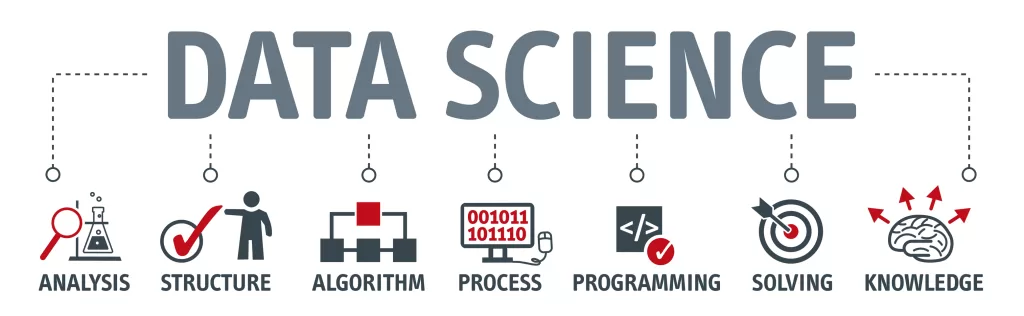
What is Data Science? – Explained Like I Wish Someone Told Me
What is Data Science?
At its most fundamental level, Data Science is about extracting meaningful insights from messy, unstructured, chaotic data.
That’s it.
Not magic.
Not rocket science.
Just organized thinking applied to data.
When I first heard the term, I imagined people spending their entire day staring at complicated graphs. But in reality, data science feels more like detective work 🕵️♂️.
You’re constantly asking:
- Why are sales dropping?
- Why have users stopped using our app?
- Who is likely to churn next?
And data helps you answer these questions with logic, not gut feeling.
To be precise, Wikipedia defines it here:
🔗 https://en.wikipedia.org/wiki/Data_science
But let me make it practical.
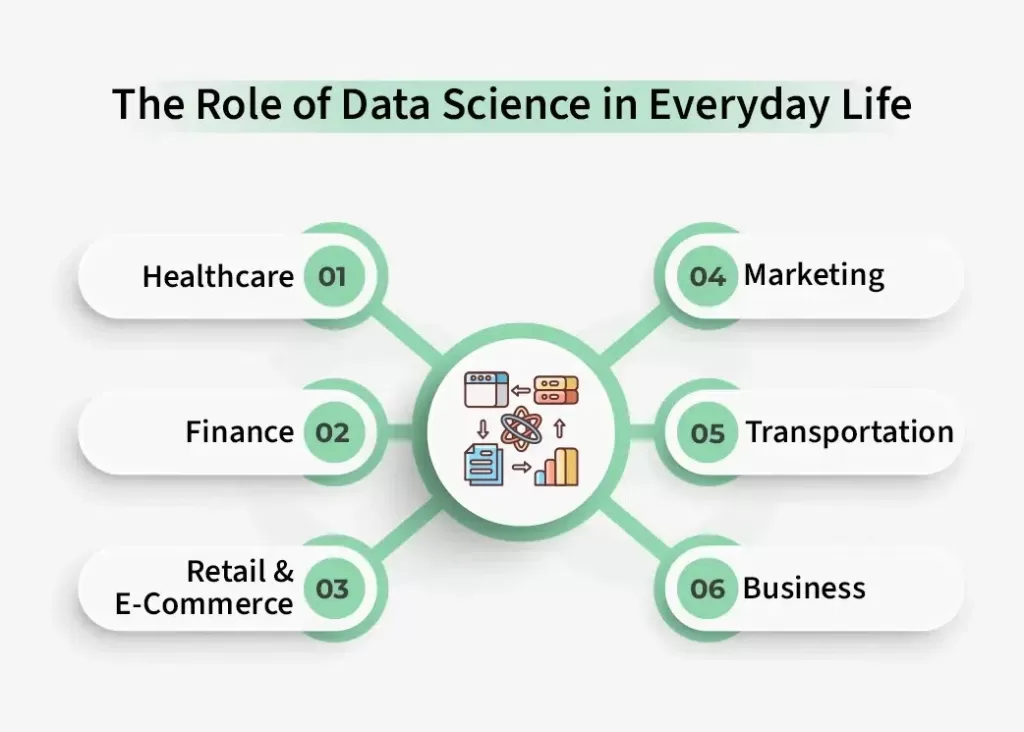
What is Data Science in Real Life? -Examples You Already Use Every Day 📱
This is the moment it truly clicked for me.
You already interact with Data Science daily:
- 🎬 Netflix recommending shows
- 🛒 Amazon suggesting products
- 🚦 Google Maps predicting traffic
- 📸 Instagram deciding what you see
All of this runs on Data Science.
Data Science = Data + Logic + Curiosity + Business Sense
That’s why understanding the Important Factors Data Science is crucial.
Tools alone won’t save you.
Why Does It Matter What is Data Science?
Let me be honest.
I didn’t choose data science because it sounded cool.
I chose it because:
- Companies don’t buy degrees — they buy decisions
- Data Science skills work across industries
- It rewards thinkers, not memorizers
And yes, salaries are good.
But money won’t keep you going. Curiosity will.
Important Factors Data Science Beginners Must Learn
This is the part I wish someone had sat me down and explained early on.
Let’s break down the Important Factors Data Science step by step 👇
1. Understanding What is Data Science — Before Tools
Most beginners jump straight into Python.
Big mistake. I did that too.
Before touching any tool, ask yourself:
- What problem am I solving?
- What decision depends on this data?
Data Science starts before coding.
📌 Important Factors Data Science always begin with problem framing
2. Statistics — The Backbone
I avoided statistics at first.
Paid the price later.
You don’t need PhD-level math, but you must understand:
- Mean, median, mode
- Probability
- Hypothesis testing
- Correlation vs causation
Without statistics, you’re just drawing pretty graphs.
Free resource I genuinely trust:
🔗 https://www.khanacademy.org/math/statistics-probability
3. Programming Skills — Python Over Everything 🐍
When people ask me what is Data Science, I tell them:
Think first. Code second.
But yes — coding matters.
Python is beginner-friendly and powerful.
Focus on:
- Pandas
- NumPy
- Matplotlib / Seaborn
- Scikit-learn
Don’t chase 10 languages. Master one.
This is one of the Important Factors Data Science careers rely on.
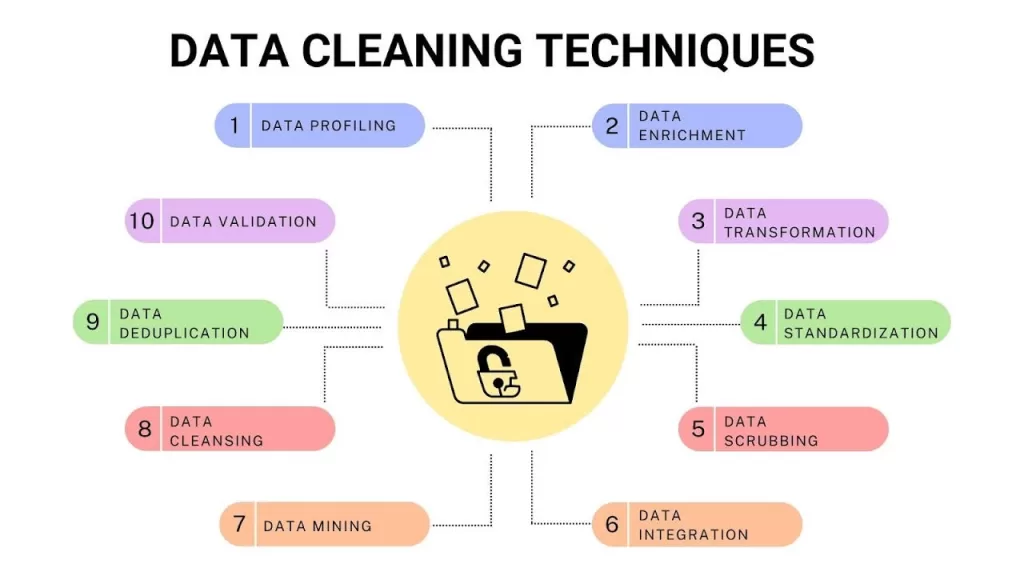
4. Data Cleaning — The Unsexy Reality 🧹
No one talks about this enough.
80% of my real-world projects?
Cleaning messy data.
- Missing values
- Duplicates
- Wrong formats
If you can clean data properly, you’re already ahead of most beginners.
5. Data Visualization — The Power of Storytelling 📊
Here’s a hard truth.
Managers don’t care how accurate your model is.
They care about what it means.
Learn to:
- Explain insights simply
- Use clean visuals
- Avoid clutter
Good data scientists are storytellers, not chart factories.
6. Machine Learning 🤖
Machine learning is exciting — but dangerous if rushed.
Before ML, master:
- Data understanding
- Feature selection
- Evaluation metrics
Start simple:
- Linear Regression
- Logistic Regression
- Decision Trees
Machine learning is a tool, not the destination.
7. Business Understanding — The Silent Game-Changer 💼
This is where many people fail.
If you don’t understand the business:
- Your insights won’t be used
- Your models won’t matter
Ask yourself:
- How does this company make money?
- Which decision will my analysis influence?
📌 Important Factors Data Science always include business context.
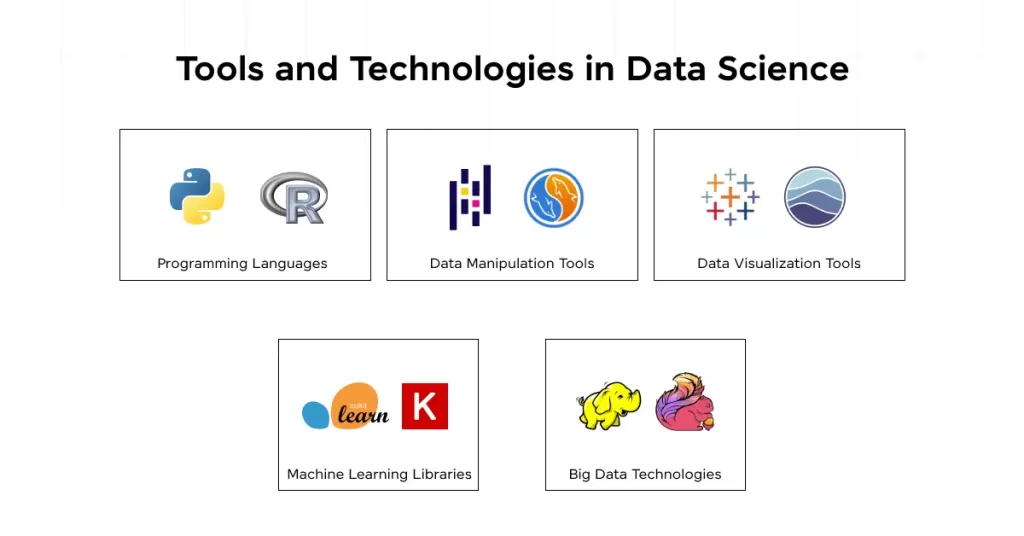
8. Tools You’ll Actually Use in Data Science 🛠️
From my experience, these matter most:
- Python
- SQL (non-negotiable!)
- Excel (yes, still)
- Power BI / Tableau
- Jupyter Notebook
Learn tools to solve problems, not collect certificates.
9. Projects > Certificates
I wasted months collecting certificates.
Recruiters didn’t care.
What actually helped:
- Real-world projects
- GitHub portfolio
- Case studies
Project ideas to start with:
- Sales analysis
- Customer churn prediction
- Movie recommendation systems
This is a critical success factor in Data Science.
10. Mindset — The Most Underrated Skill 🧠
You will feel:
- Confused
- Overwhelmed
- Impostor syndrome
I still do sometimes.
But Data Science rewards consistency, not perfection.
Ask questions.
Break things.
Learn publicly.
11. Continuous Learning — Because Data Science Never Ends 🔄
Tools change.
Concepts evolve.
Follow real practitioners and communities:
The Future of Data Science
The future of data science looks promising with advancements in artificial intelligence (AI) and machine learning (ML).
As more data becomes available and computing power increases, data scientists will be able to tackle more complex problems and create more sophisticated models. Key trends to watch include:
- Automated Machine Learning (AutoML): Tools that automate the end-to-end process of applying machine learning.
- Explainable AI (XAI): Techniques that make the outputs of AI and ML models more interpretable and understandable.
- Edge Computing: Bringing computation closer to data sources to reduce latency and improve real-time analytics.
- Salary in India: It is found that in India, data scientists typically earn an average salary ranging from ₹6 lakhs to ₹15 lakhs per annum, with experienced professionals earning even more.
- Salary in Abroad: If you compare what with abroad, particularly in countries like the United States, the average salary for a data scientist is substantially higher, often ranging from $90,000 to $130,000 per annum, with top-tier professionals in tech hubs like Silicon Valley earning well over $150,000 annually. These figures highlight the importance of the data science field and its global demand
Overall, it is safe to say that the future of data science looks promising and offers many opportunities for aspiring data scientists who will shape the technological future.
If you want to learn more about Data Science and its functionalities in the real world, then consider enrolling in HCL GUVI’s Certified Data Science Course which not only gives you theoretical knowledge but also practical knowledge with the help of real-world projects.
Final Thoughts
So, what is Data Science really? It’s not a shortcut, and it’s definitely not just about coding, math, or fancy AI terms. Data Science is about learning how to think clearly, ask the right questions, and use data to make better decisions. If you feel confused or overwhelmed while learning, that’s actually a good sign — it means you’re growing. I’ve been there, and honestly, I still am sometimes. Start small, stay curious, focus on the important factors data science truly depends on, and give yourself time. You don’t need to know everything today. Just keep moving forward, and one day you’ll realize that data science hasn’t just changed your career path — it has changed the way you see problems and the world around you. 💙
Related Reads: