💡 7 Types of Databases in DBMS Every Student Should Learn in 2025
Starting with the Basics: What are the Types of Databases in DBMS?
We will get right down to it. And you are here because you want to know what databases are in DBMS, right?
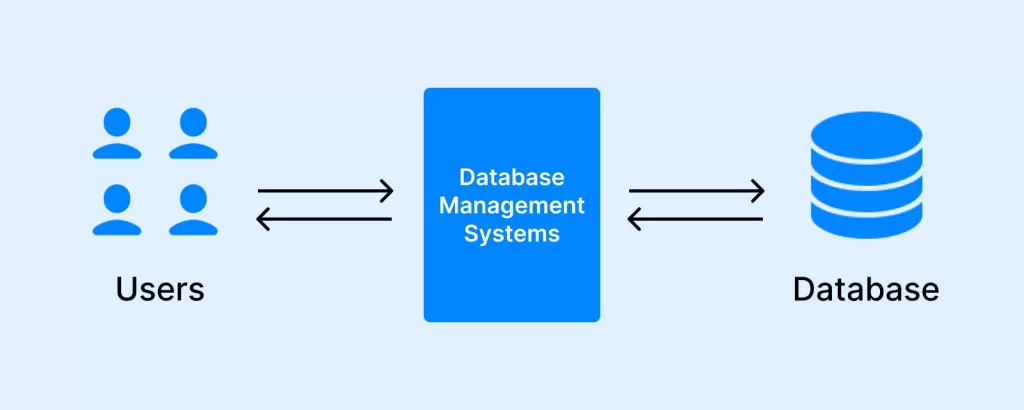
👉 A database is simply an organised means of storing data in order to be able to retrieve it in the future. DBMS (Database Management System) is the software that assists us in managing such database.
But the twist here would be that there are not only one type of database. There are several. Every database in DBMS possesses strengths and weaknesses, just as a friend of mine is excellent with planning a trip, another with relationship advice and another with cooking. It is not possible to have one individual do everything. Same goes for databases.
I recall how I was, during my initial college project, in DBMS, my group attempted to cram all our information into a relational database. Guess what? When we had to work with images and unstructured data, it was a terrible failure. That is when I discovered–dissimilar issues require dissimilar varieties of databases.
🔑 The key Types of Databases in DBMS
Alright, here’s the heart of it. I will take you through a tour of the 7 major types of databases in DBMS explained in my own words with examples that you will actually identify with.
1. 📊 Relational Database (RDBMS)
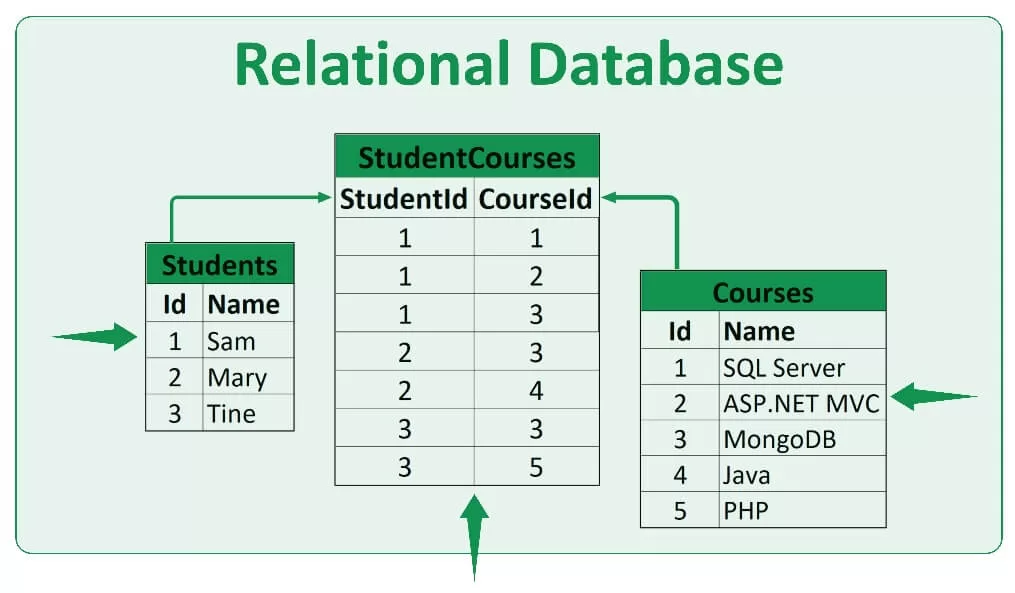
This is the one that you’ve likely learned in first-year DBMS courses.
- The data is stored in the form of tables (rows and columns).
- Uses SQL for querying.
- Ideal with structured information, such as customer databases, bank accounts or student information.
Example: Consider your library system in college. Student IDs, titles of books and due dates well organised in a row and column. That’s relational.
👉 Popular tools: MySQL, Oracle, PostgreSQL.
2. 🌐 NoSQL Database
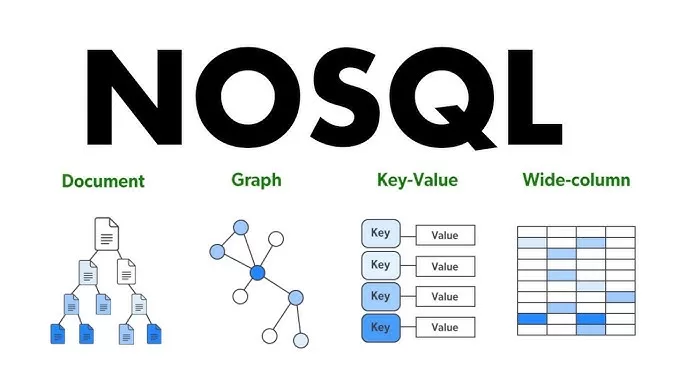
As I got in to web development, I noticed that relational databases are not necessarily sufficient. Move to NoSQL databases-unstructured or semi structured data.
- Ideal to process Big Data.
- Flexible format: JSON, key-value pairs, and graphs, etc.
- Applied widely in social media and Internet of Things.
Example: Instagram containing millions of pictures and posts. You can not fit that well at all in rows and columns, can you?
👉 Popular tools: MongoDB, Cassandra, CouchDB.
3. 🗂️ Hierarchical Database
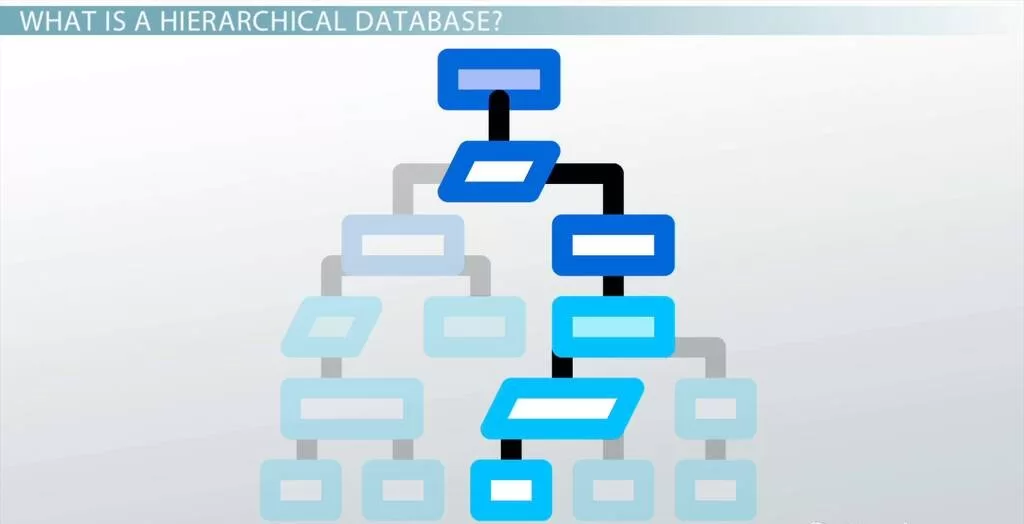
This one is a little old-fashioned yet it is still valuable to know. Data is arranged in the form of tree structure where one parent is connected to another child.
- Good with data that has a distinct hierarchy.
- Quick access, yet inflexible format.
Example: An organization chart—CEO → Managers → Employees.
👉 Tool example: IBM’s IMS (Information Management System).
4. 🔗 Network Database
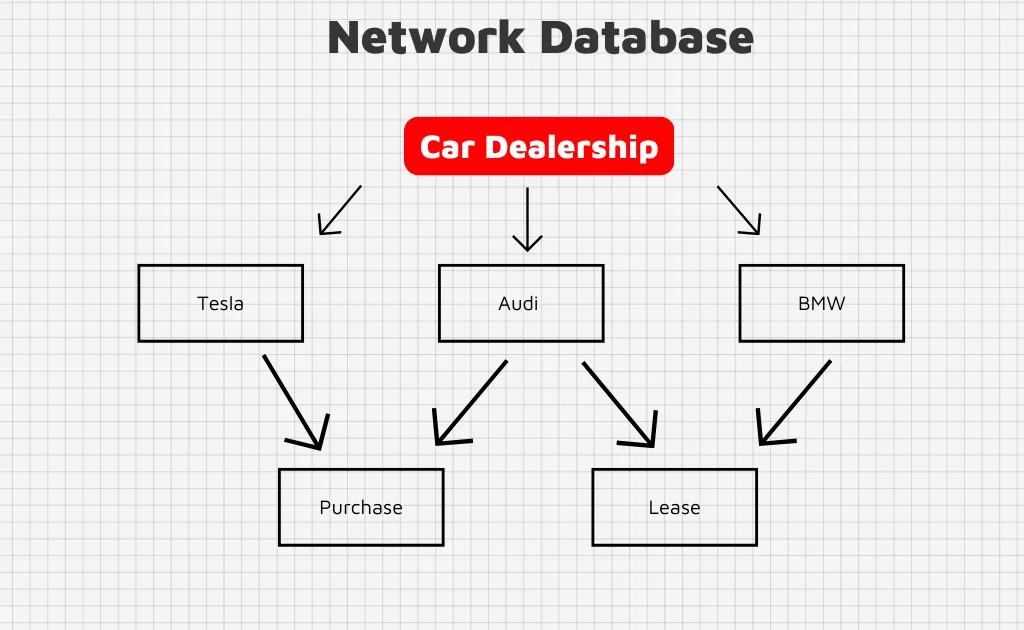
Here the children can also have multiple parents like in hierarchical, though. It is a more flexible one.
Example: Think about a university system. A course may have several students and a student may be a member of several courses.
👉 Tool example: IDMS.
5. 🧑💻 Object-Oriented Database
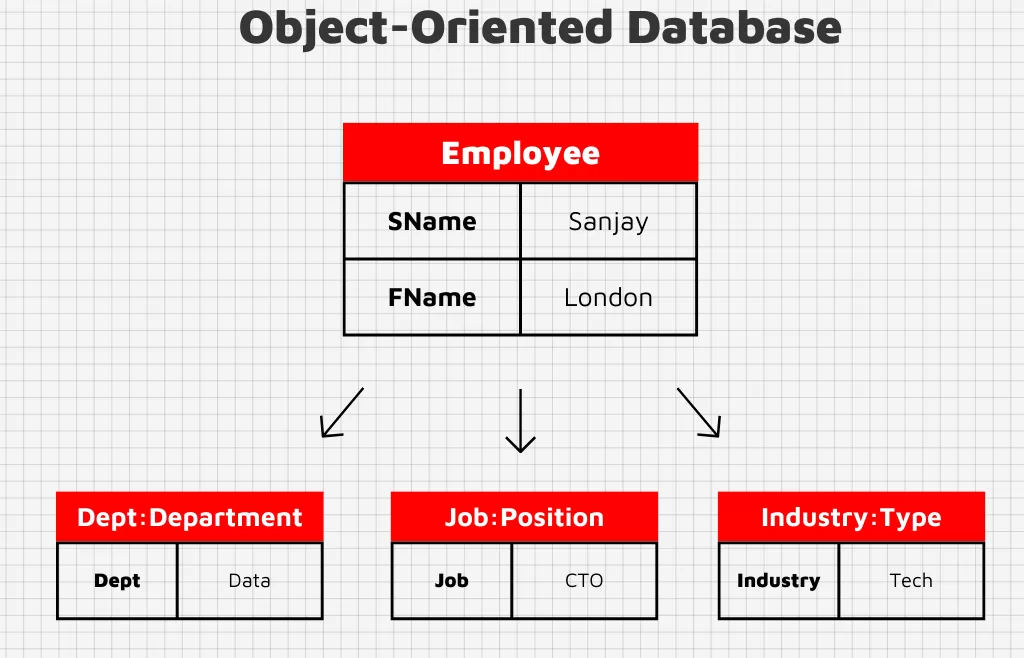
This is one that interests me since it combines programming and databases. You do not store tables but objects- as with object-oriented programming.
Records information and techniques.
Suited to use when multimedia data (images, audio, video) are concerned.
Example: The design of databases in engineering, where there are complex 3D models which require storage.
👉 Tool example: ObjectDB.
6. ☁️ Cloud Database
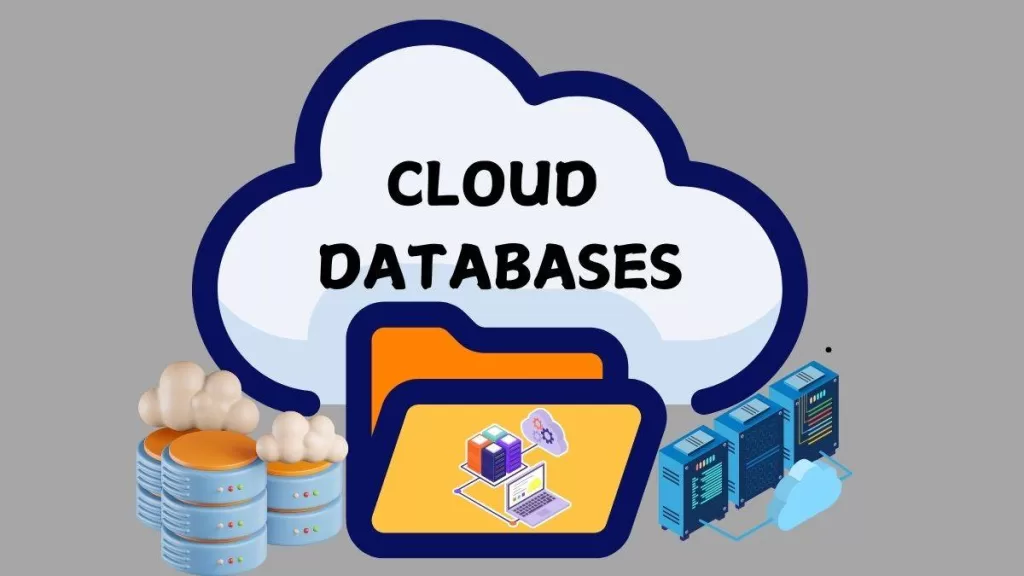
Now this is where things get modern. A cloud database is stored on cloud servers, accessible from anywhere.
- Scalable.
- Secure.
- Pay-as-you-go model.
Example: Google Drive or Amazon RDS. You don’t care where your data physically is, as long as it’s accessible when you need it.
👉 Tools: AWS RDS, Azure SQL Database, Google Cloud SQL.
7. 🕸️ Graph Database
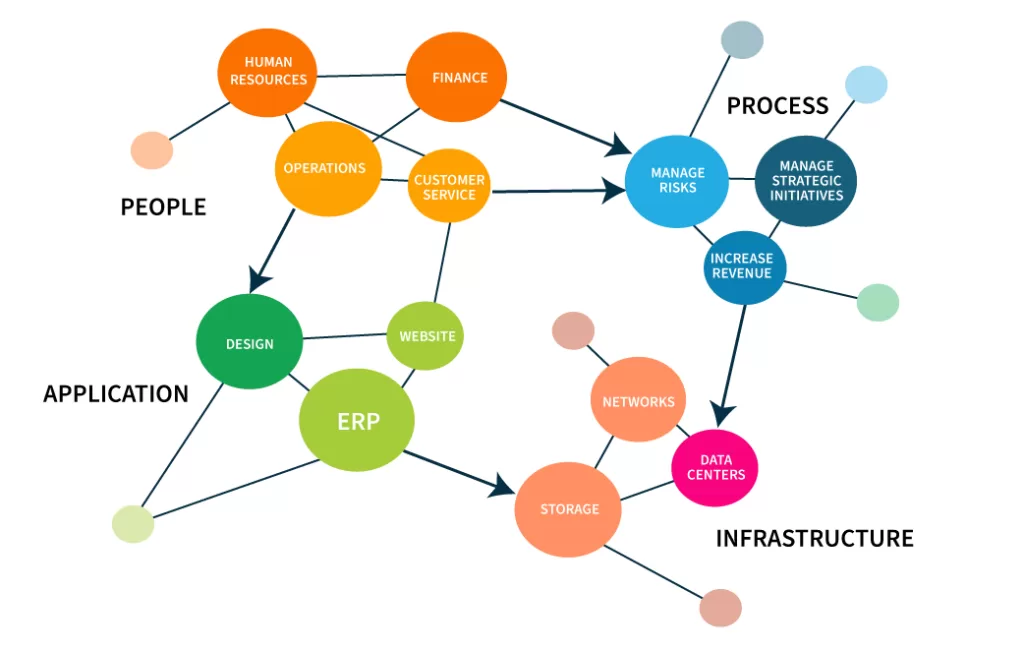
This one is the coolest in case you are into social networks. The information is represented in nodes and edges depicting connections among objects.
- Most suitable in the recommendation engines and fraud detection.
- Concentrated on relationships and not on personal accounts.
Example: Facebook recommending “people you may know.”
👉 Tools: Neo4j, Amazon Neptune.
🌍 Real-Life Scenarios: When to Use Which Database?
Let me make this practical for you. Here are some scenarios I’ve seen:
- Building a banking system → Relational DBMS.
- Creating a social media platform → NoSQL or Graph DB.
- Developing an IoT project → NoSQL DBMS.
- Managing a corporate org chart → Hierarchical DBMS.
- Cloud-based startup app → Cloud database
🎯 Final Words
This is my personal confession: Types of databases in dbms- I believed that it was only boring theory when I first heard about such databases within DBMS. The farther down I went, though, the more I saw–it is literally everywhere. Databases manage my life, whether it is my Netflix list of shows I can watch at the same time, my financial activity, my backups on the cloud, etc.
Therefore, when you are studying Types of databases in dbms, do not memorize. Relate. Consider the apps that you use every day and guess what database they could be using. It makes learning fun. And who knows? Perhaps a day will come when you will create the next Instagram, using the appropriate database selection.
Want to Learn Sql Course, MySql Course ? Visit www.kaashivinfotech.com.
Related Reads: