

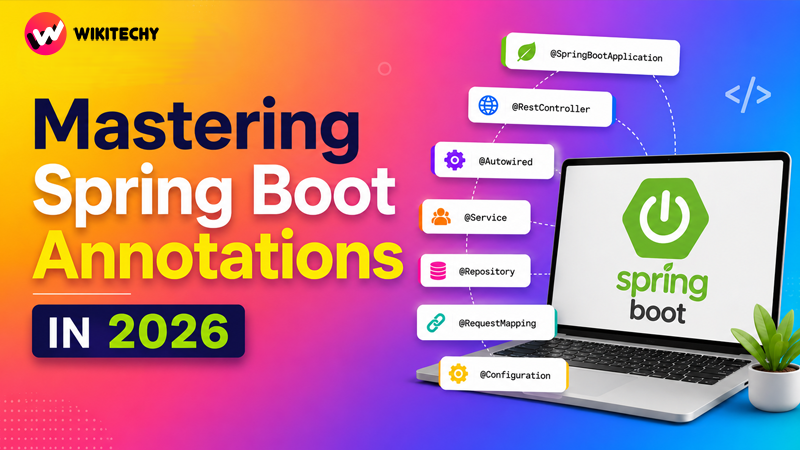
Spring Boot Annotations – If you’ve spent any time working with Spring Boot, you’ve probably noticed something right away — annotations are not just a feature, they are the foundation of how everything works.
In the beginning, I treated them like shortcuts. Add an annotation, get a result, move on. But that approach only takes you so far. Once your projects grow — more APIs, more services, more integrations — you start realizing that understanding annotations deeply is what separates a beginner from someone who can actually design clean, scalable systems.
This article isn’t just a list. It’s a practical breakdown of seven annotations that genuinely changed how I build applications, based on real development experience — mistakes included.
The Turning Point: When Code Became Manageable
Early in my career, I built a backend system without properly understanding Spring’s annotation-driven architecture. I wrote manual configurations, tightly coupled classes, and controllers that handled everything from request parsing to database logic.
It worked — but it wasn’t sustainable.
When I revisited the same project using proper Spring Boot annotations, something surprising happened:
the code didn’t just get shorter — it became structured, readable, and easier to debug.
That’s when I realized: annotations are not just about reducing code, they are about enforcing architecture.
@SpringBootApplication: More Than Just a Starting Point
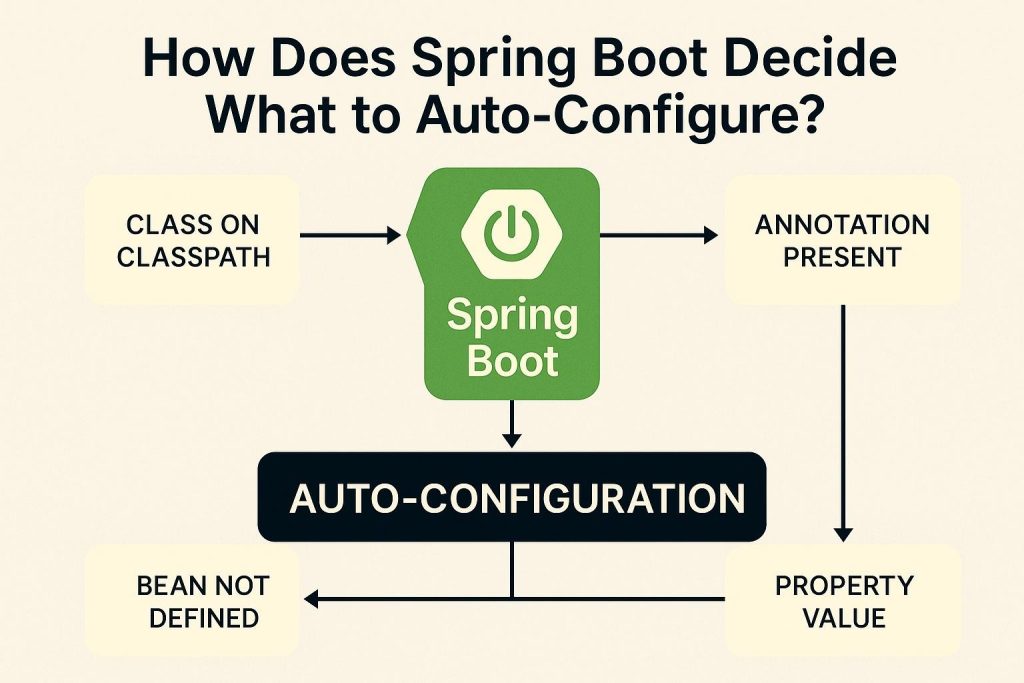
Every Spring Boot project begins here, but most developers underestimate what this annotation actually does.
At a glance, it looks like a simple entry point. In reality, it quietly activates three major mechanisms: configuration setup, component scanning, and auto-configuration. Instead of manually wiring your application, Spring does it intelligently based on dependencies and classpath.
In one of my early projects, I tried to “optimize” things by breaking this into separate annotations. The result? Confusion and unnecessary complexity. Bringing back @SpringBootApplication instantly stabilized the structure.
This is where Spring Boot’s philosophy becomes clear — convention over configuration.
@RestController: Where Backend Development Becomes Fast
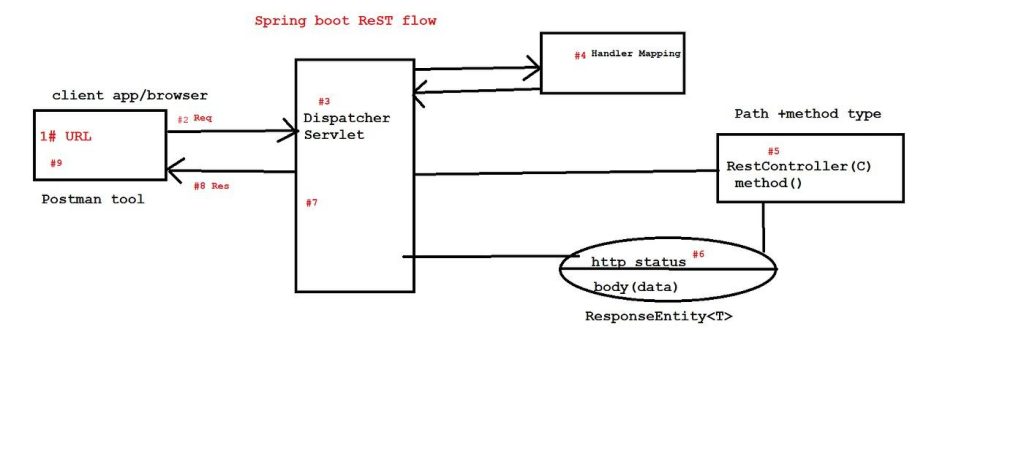
There was a time when returning a JSON response required multiple layers of configuration. That changed completely once I started using @RestController.
What makes it powerful isn’t just that it handles HTTP requests — it’s how seamlessly it converts Java objects into JSON responses without extra effort. You focus on the logic, and the framework handles the transformation.
I remember debugging a response issue for hours, only to realize I had forgotten @ResponseBody. Switching to @RestController eliminated that entire category of mistakes.
It’s one of those annotations that quietly removes friction from everyday development.
@Autowired: Understanding Dependency Injection the Right Way
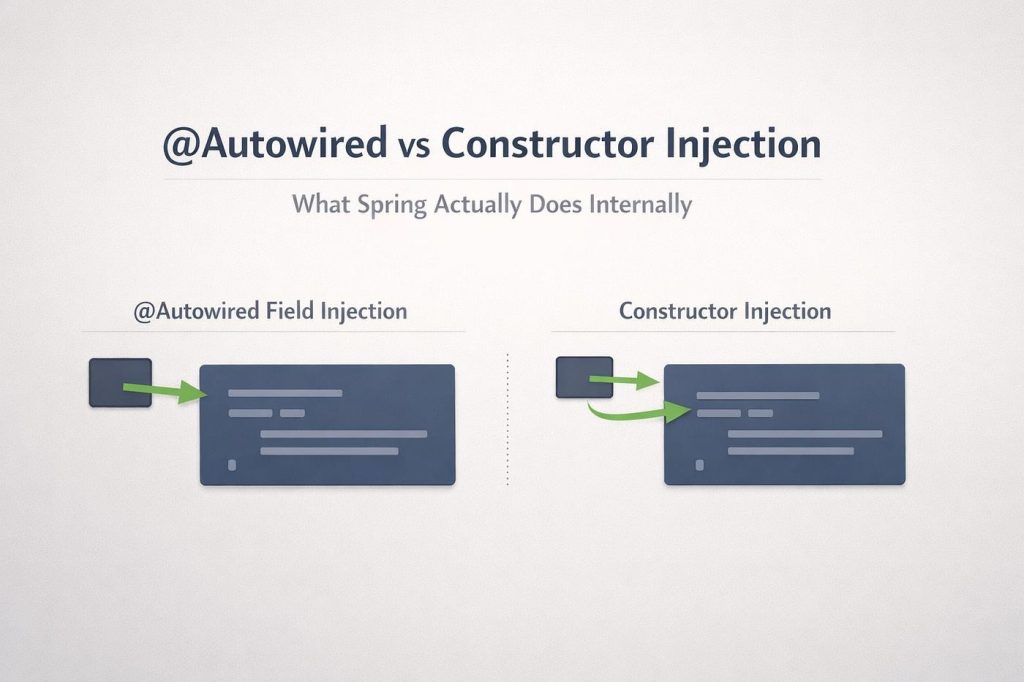
Dependency injection is often explained in theory, but @Autowired is where you actually experience its impact.
Before using it properly, I used to create objects manually. That approach works in small programs, but it quickly becomes a nightmare in real applications — especially when testing or scaling.
With @Autowired, Spring takes control of object creation and wiring. But the real shift for me came when I moved from field injection to constructor injection. That small change made dependencies explicit and improved testability significantly.
This annotation isn’t just about convenience — it’s about writing loosely coupled, maintainable code.
@Service: The Moment Your Code Gets Organized
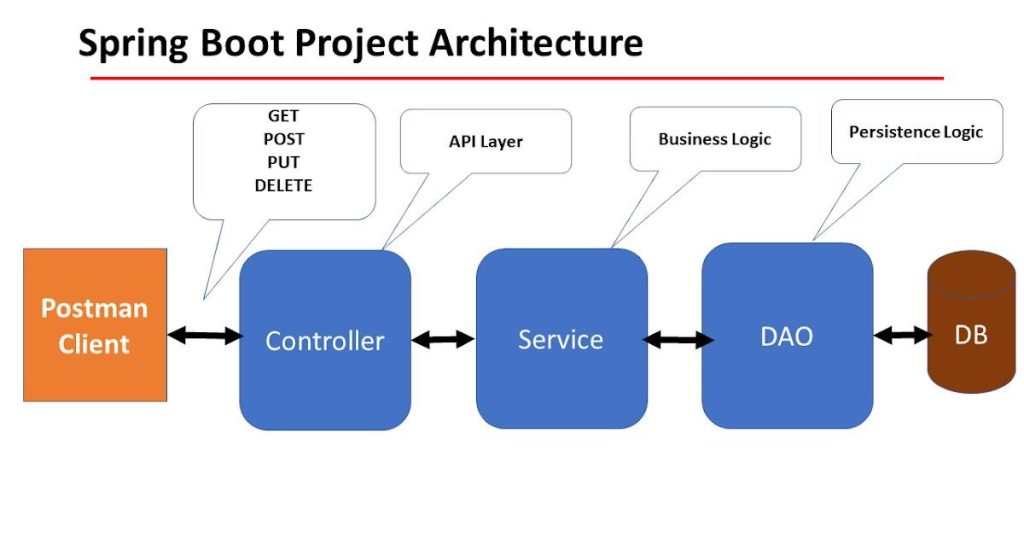
One of the biggest mistakes I made early on was putting too much logic inside controllers. It felt easier at first, but over time those controllers became bloated and hard to manage.
Introducing @Service changed that.
By separating business logic into dedicated service classes, the application started to feel structured. Controllers handled requests, services handled logic, and everything had a clear responsibility.
This separation isn’t just about cleanliness — it directly impacts scalability. When your application grows, having a well-defined service layer makes adding new features far less painful.
@Repository: Letting Spring Handle the Database Layer
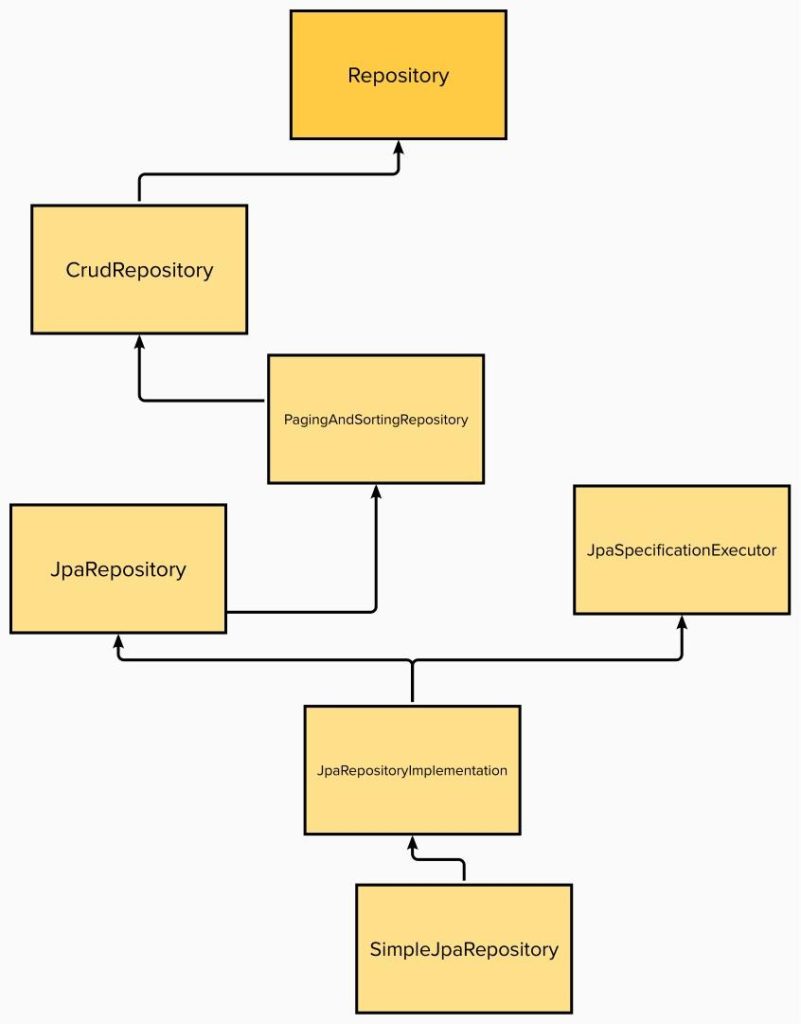
Database handling used to be one of the most repetitive parts of development for me. Writing queries, managing connections, handling exceptions — it was time-consuming and error-prone.
Using @Repository with Spring Data JPA simplified everything.
Instead of writing boilerplate code, I could define an interface and let Spring generate the implementation. Basic CRUD operations worked out of the box, and even complex queries became easier to manage.
This annotation represents a bigger idea: focus on what your application does, not how infrastructure works.
@RequestMapping: Bringing Structure to APIs
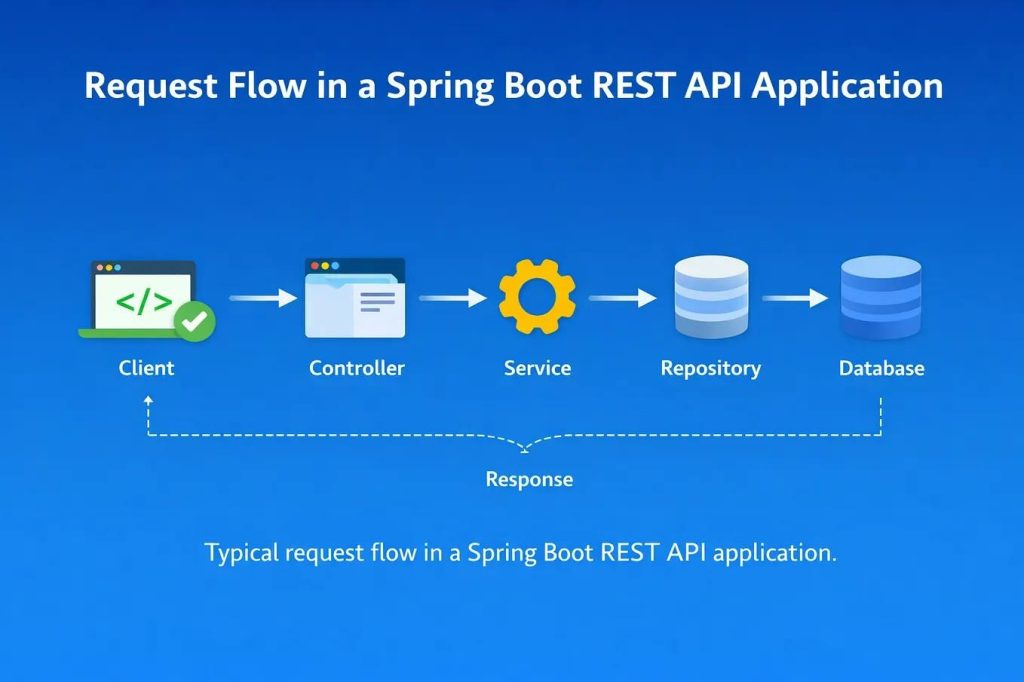
Understanding request mapping was a turning point in how I designed APIs.
At first, endpoints felt scattered and inconsistent. But once I started organizing them properly using @RequestMapping and its specialized variants like @GetMapping and @PostMapping, everything became predictable.
This clarity matters more than it seems. When APIs are well-structured, debugging becomes easier, onboarding new developers becomes smoother, and scaling the application becomes manageable.
Good API design starts here.
@Configuration: When You Need Full Control
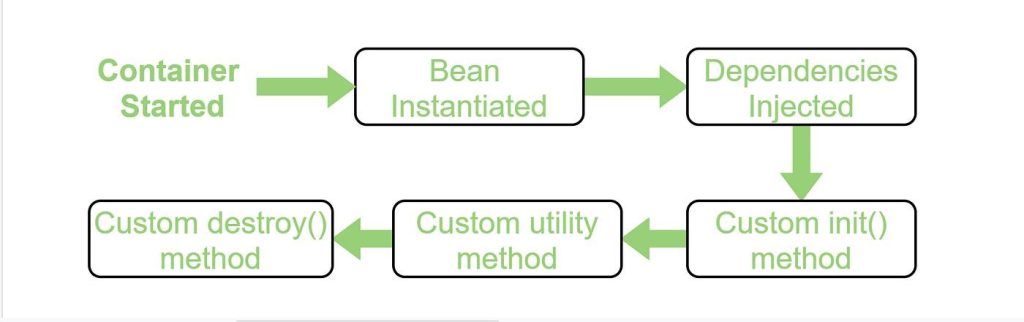
There comes a point in every project where auto-configuration isn’t enough. Maybe you’re integrating a third-party library, or you need custom bean definitions.
That’s where @Configuration becomes essential.
It gives you complete control over how components are created and managed. Unlike older XML-based configurations, this approach keeps everything type-safe and easier to maintain.
In one project involving a custom mapping library, this annotation helped me integrate everything cleanly without breaking the existing setup.
It’s not something you use every day — but when you need it, it’s incredibly powerful.
What I Learned After Using All of These
Working with Spring Boot over time changed how I think about backend development.
Annotations are not just shortcuts. They are a way of embedding best practices directly into your code. They guide structure, enforce patterns, and reduce the chances of making architectural mistakes.
More importantly, they allow you to focus on solving real problems instead of worrying about boilerplate code.
Final Thought
If you’re learning Spring Boot right now, don’t rush through annotations just to “make things work.” Spend time understanding them. Break your code, experiment, and observe how each annotation changes behavior.
That’s where real learning happens.
Because once you truly understand these annotations, you stop just writing code —
you start designing systems.
Want to Learn More About Java ?, Kaashiv Infotech Offers, Full Stack Java Course, Java Course, Data Science Course, Internships & More, Visit Their Website www.kaashivinfotech.com.

![Full Stack Developer Roadmap [2026]](https://www.wikitechy.com/wp-content/uploads/2026/06/Full-Stack-Developer-Roadmap-2026-380x220.png)