
![Full Stack Developer Roadmap [2026]](https://www.wikitechy.com/wp-content/uploads/2026/06/Full-Stack-Developer-Roadmap-2026-1160x680.png)
If you’re searching for the Full Stack Developer Roadmap [2026], you’re probably wondering one thing:
“What should I learn first, and what comes next?”
I had the same question when I started exploring web development. There were thousands of tutorials, hundreds of roadmaps, and everyone seemed to recommend something different. It became overwhelming very quickly.
That’s exactly why I created this Full Stack Developer Roadmap [2026]. Instead of jumping randomly between technologies, I’ll walk you through a practical learning path that makes sense, especially if you’re a beginner.
By the end of this guide, you’ll know:
- ✅ What a full stack developer actually does
- ✅ Which technologies to learn in 2026
- ✅ The correct learning order
- ✅ Skills companies expect today
- ✅ Common mistakes to avoid
- ✅ A realistic roadmap to become job-ready
Let’s get started! 💻
🌟 Key Highlights
- Complete Full Stack Developer Roadmap [2026] for beginners
- Learn technologies in the correct order
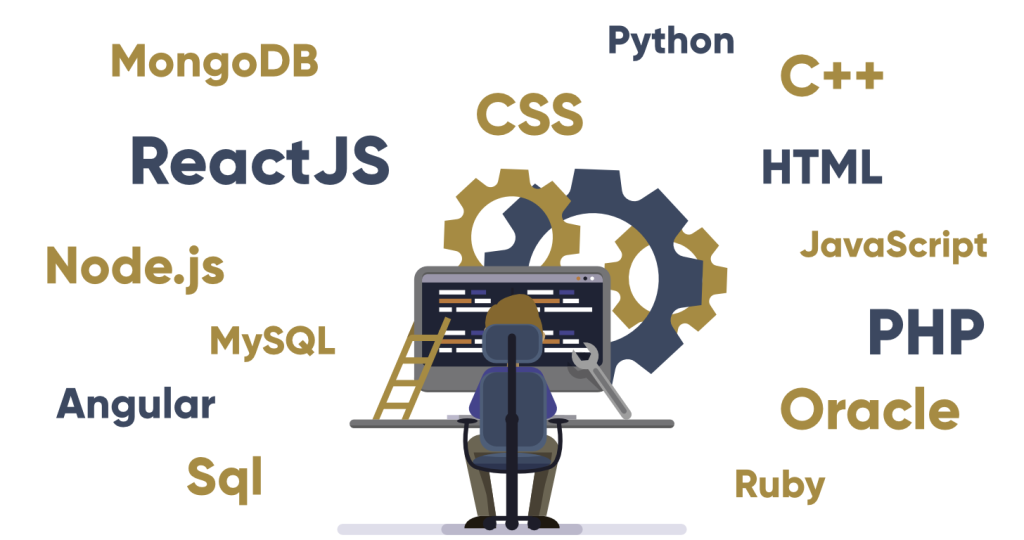
- Frontend, backend, database, Git, cloud, and deployment explained
- Best projects to build at every stage
- Skills recruiters look for in 2026
- Common beginner mistakes and how to avoid them
- Helpful learning resources
- Career tips to land your first developer job
What Is a Full Stack Developer?
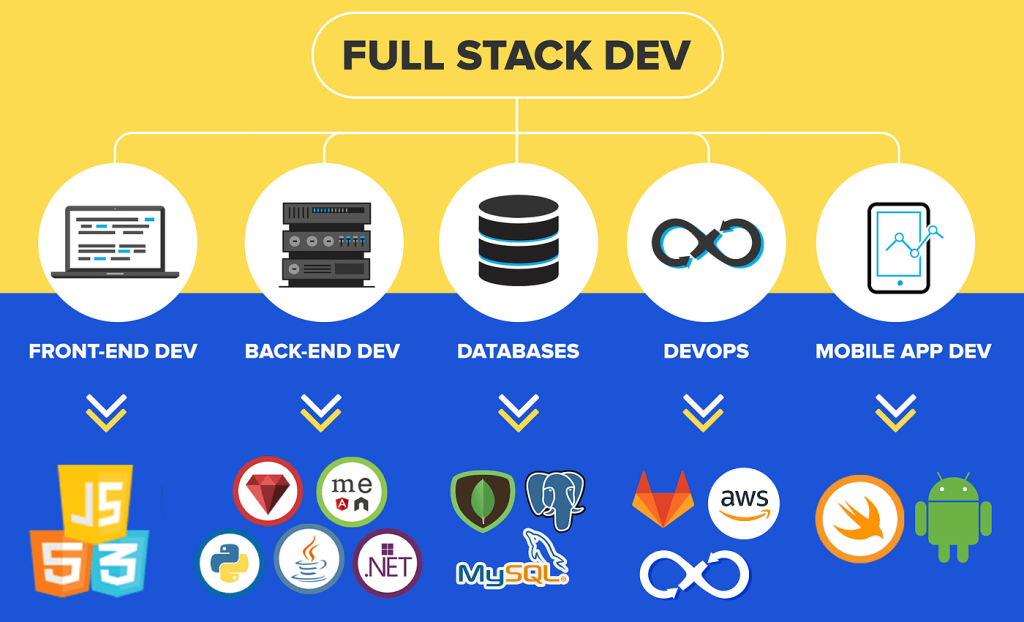
A full stack developer is someone who can build both the frontend and the backend of a web application.
Think of a restaurant.
- The dining area is what customers see.
- The kitchen is where all the cooking happens.
A full stack developer knows how to work in both places.
For example, imagine an online shopping website.
The customer can:
- Browse products
- Add items to the cart
- Place an order
Behind the scenes, the application:
- Stores user information
- Processes payments
- Saves orders
- Updates inventory
A full stack developer connects all these pieces together.
Why Learn Full Stack Development in 2026? 📈
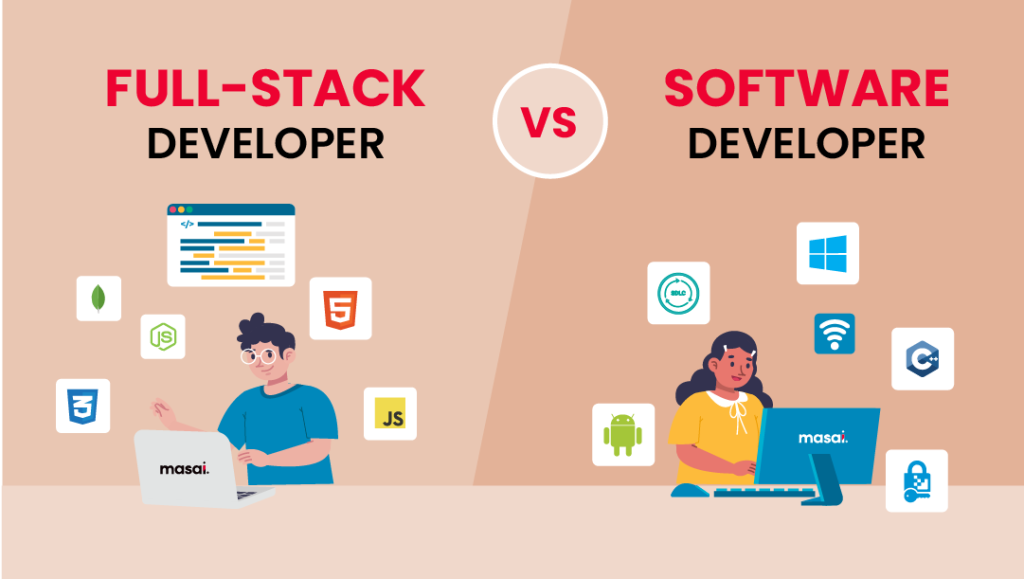
I honestly believe this is one of the best skills to learn today.
Businesses of every size—from startups to large enterprises—need developers who understand the complete application rather than just one side of it.
Some reasons why learning full stack development is worth it:
- Better career opportunities
- Higher salary potential
- Ability to build complete applications independently
- Great freelance opportunities
- Perfect foundation for startups
Even AI tools can generate code now, but companies still need developers who understand how everything works together.
Full Stack Developer Roadmap [2026] – Step-by-Step Guide
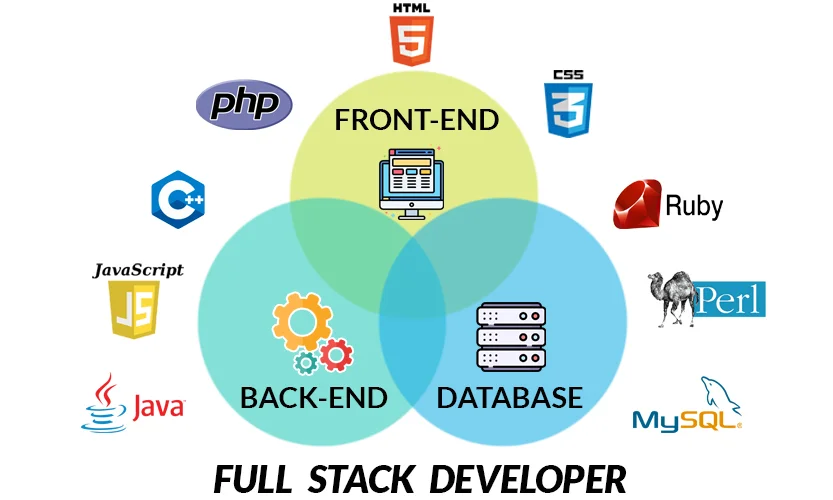
Let’s go through the roadmap one step at a time.
Step 1: Learn HTML 🏗️
Everything begins with HTML.
HTML gives structure to your web pages.
You’ll learn:
- Headings
- Paragraphs
- Images
- Links
- Forms
- Tables
- Lists
- Semantic tags
Without HTML, there is no webpage.
👉 Recommended project: Personal Portfolio
Step 2: Master CSS 🎨
Once your page has structure, it’s time to make it beautiful.
CSS controls the appearance of a website.
Focus on:
- Colors
- Fonts
- Margins
- Padding
- Flexbox
- Grid
- Responsive Design
- Animations
A responsive website works smoothly on phones, tablets, and desktops.
👉 Project idea: Responsive Landing Page
Step 3: Learn JavaScript ⚡
This is where websites become interactive.
JavaScript allows users to:
- Click buttons
- Submit forms
- Display popups
- Fetch data
- Build dynamic applications
Important topics include:
- Variables
- Data types
- Functions
- Loops
- Arrays
- Objects
- DOM
- Events
- Fetch API
- Async and Await
When I first learned JavaScript, the DOM felt confusing. But after building a few mini projects, everything started making sense.
👉 Projects:
- Calculator
- To-Do List
- Weather App
- Quiz Application
Step 4: Learn Git and GitHub 🔥
One mistake I see many beginners make is skipping Git.
Don’t.
Git helps you track every change in your project.
GitHub lets you:
- Store code online
- Collaborate with others
- Showcase your portfolio
- Apply for jobs
Recruiters often check GitHub before scheduling interviews.
Step 5: Learn a Frontend Framework
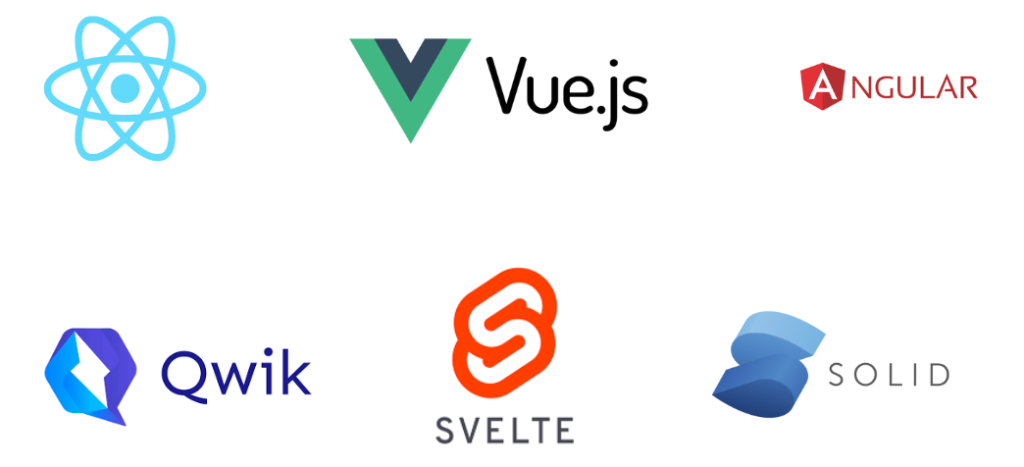
Once you’re comfortable with JavaScript, move to a frontend framework.
The most popular choice in 2026 is React.
Learn:
- Components
- Props
- State
- Hooks
- Routing
- API Integration
React is widely used because it makes building large applications much easier.
👉 Build:
- Movie App
- E-commerce UI
- Blog Website
- Dashboard
Step 6: Learn Backend Development
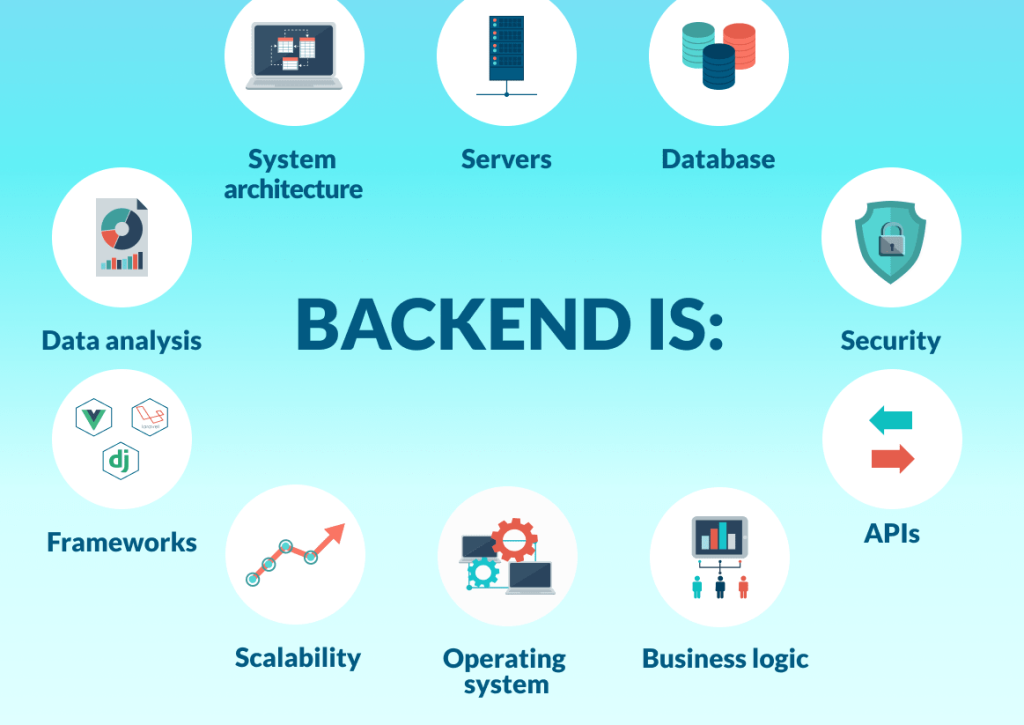
Now it’s time to understand what happens behind the scenes.
A backend handles:
- User authentication
- Databases
- Business logic
- APIs
- Security
Popular backend technologies include:
- ASP.NET Core
- Node.js
- Express.js
- Django
- Spring Boot
If you’re planning a career in the Microsoft ecosystem, ASP.NET Core is an excellent choice.
Step 7: Learn Databases 🗄️
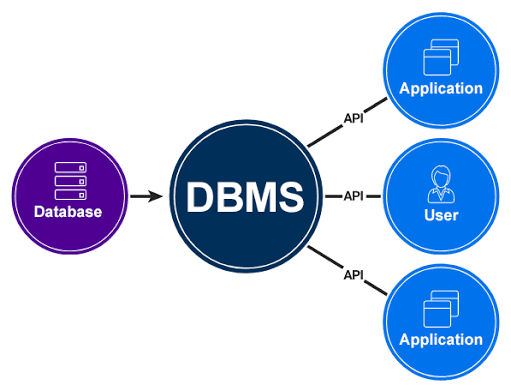
Every application needs data storage.
Some common databases are:
SQL Databases
- MySQL
- PostgreSQL
- SQL Server
NoSQL Databases
- MongoDB
You’ll learn:
- Tables
- Relationships
- Queries
- CRUD Operations
- Indexing
Example:
When you register on a website, your information gets stored inside a database.
Step 8: Learn APIs
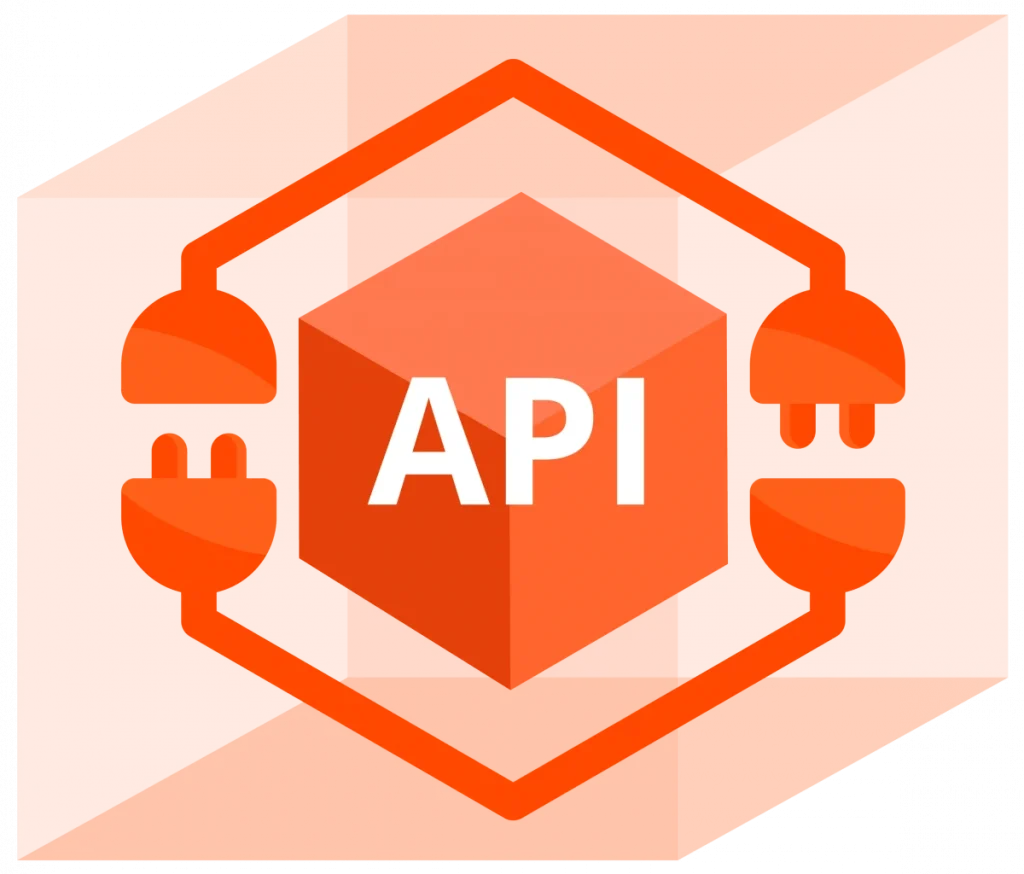
APIs allow different applications to communicate.
For example:
A weather application doesn’t generate weather data itself.
Instead, it requests information from a weather API.
Important concepts include:
- REST API
- HTTP Methods
- JSON
- Authentication
- Status Codes
Understanding APIs is one of the most important milestones in the Full Stack Developer Roadmap [2026].
Step 9: Authentication and Security 🔒

Every modern application needs security.
Learn:
- Login systems
- Registration
- Password hashing
- JWT Authentication
- Authorization
- Role-based access
Think about online banking.
Without authentication, anyone could access your account.
Security is never optional.
Step 10: Learn Deployment ☁️
A project isn’t complete until people can use it online.
Popular deployment platforms include:
- GitHub Pages
- Vercel
- Netlify
- Render
- Azure
- AWS
Deployment is often overlooked, but it’s a skill employers value because it shows you can take a project from development to production.
Step 11: Learn Cloud Basics
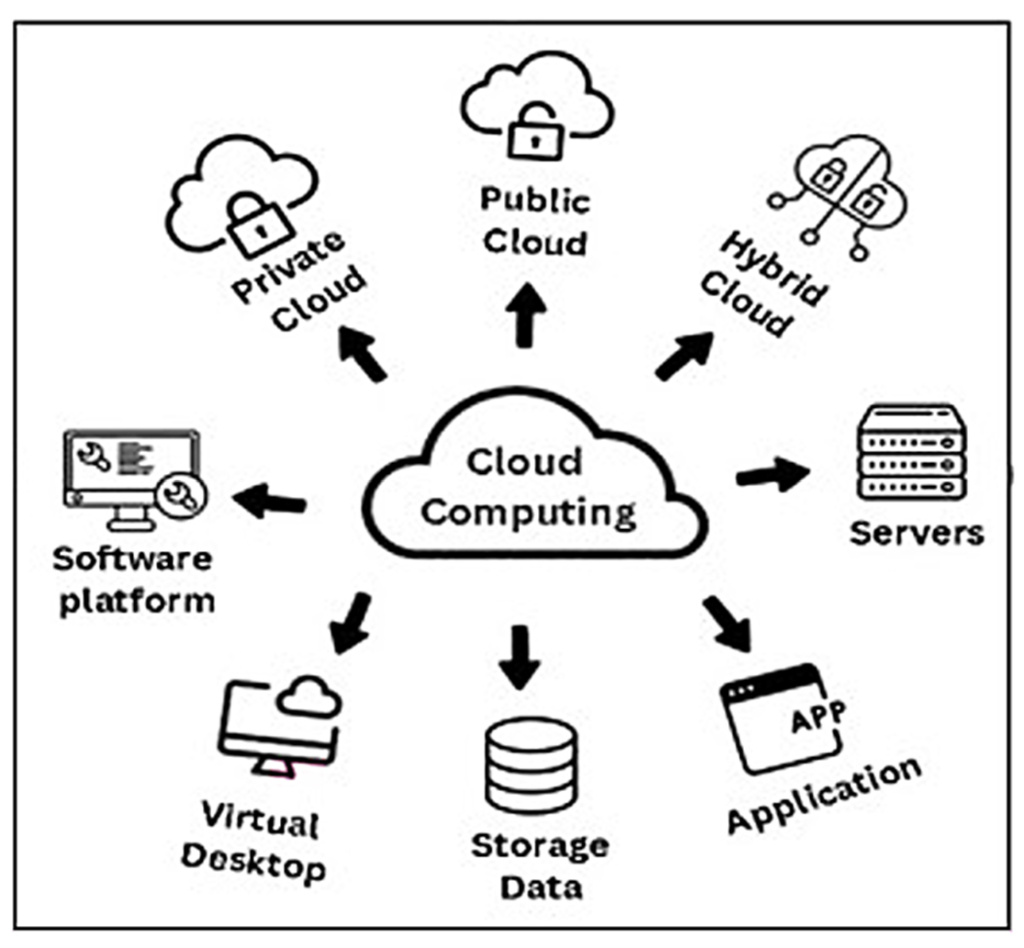
Cloud computing has become an essential skill.
Start with:
- Virtual Machines
- Storage
- App Services
- Containers
- Docker
- Basic Kubernetes concepts
You don’t need to become a cloud expert immediately.
Just understand how applications are hosted.
Step 12: Build Real Projects 🚀
This is where real learning happens.
I always recommend spending more time building than watching tutorials.
Ideas include:
- Blog Website
- Banking Dashboard
- Chat Application
- Food Delivery App
- Hospital Management System
- E-Commerce Website
- Employee Management System
Projects teach you problem-solving, debugging, and architecture—skills that tutorials alone can’t provide.
Skills Every Full Stack Developer Should Have in 2026
Besides coding, employers also look for practical skills.
These include:
- Communication
- Problem-solving
- Debugging
- Time management
- Git collaboration
- Reading documentation
- Clean coding practices
These soft skills can make a significant difference during interviews and while working on a team.
Common Mistakes Beginners Make ❌
I’ve seen many learners struggle because they:
- Learn too many frameworks at once
- Skip HTML and CSS basics
- Ignore Git
- Build only tutorial projects
- Avoid debugging
- Never deploy their applications
- Quit when JavaScript becomes difficult
If you’re following this Full Stack Developer Roadmap [2026], focus on mastering one topic before moving to the next.
Progress may feel slow at times, but consistency matters far more than speed.
Everyone learns at a different pace, so treat this as a guideline rather than a strict schedule.
Final Thoughts 💙
Following a Full Stack Developer Roadmap [2026] doesn’t mean you have to learn everything overnight. In my experience, the biggest improvements came from building projects, making mistakes, and fixing them—not from watching endless tutorials.
Start with the basics. Build something small. Then build something bigger. Each project will teach you something new, and before long, you’ll look back and realize how much you’ve grown.
The technology landscape will continue to evolve, but a strong foundation in HTML, CSS, JavaScript, backend development, databases, APIs, Git, and deployment will remain valuable for years to come.
If you stay consistent and keep building, this Full Stack Developer Roadmap [2026] can take you from complete beginner to a developer who’s ready to create real-world applications and confidently apply for full stack roles. Happy coding! 🚀
Want to Learn More About Java ?, Kaashiv Infotech Offers, Full Stack Java Course, Java Course, Data Science Course, Internships & More, Visit Their Website www.kaashivinfotech.com.
Related Reads:
- Java vs JavaScript: 3 Key Differences Every Developer Must Know
- Java Serialization Explained: A Complete Beginner’s Guide
- What Is Django in Python? Understanding The Most Powerful Full-Stack Framework of 2025 That’s Redefining Web Apps
- Python Dictionaries: 7 Surprising Ways They Make Your Code Smarter