
Product-Based vs Service-Based Companies – Choosing the right company is an important decision for anyone starting or developing a career in the IT industry. Two common types of companies in the technology sector are product-based companies and service-based companies. Both offer career opportunities, professional growth, and valuable industry experience, but their working environments, project types, salary structures, and career paths can be different.
Understanding the differences between these companies can help students, fresh graduates, and experienced professionals make better career decisions.
In this article, we will explore product-based and service-based companies, their advantages, disadvantages, job opportunities, and which one is the better choice for your career.
What Is a Product-Based Company?

A product-based company develops, owns, and sells its own products or software solutions to customers. These products may include mobile applications, operating systems, cloud platforms, business software, and digital services.
The primary goal of a product-based company is to create products that solve customer problems and generate revenue through product sales, subscriptions, or licensing.
Employees generally work on improving existing products, developing new features, fixing bugs, and maintaining software quality.
Examples of Product-Based Companies:
- Google.
- Microsoft.
- Amazon.
- Adobe.
- Apple.
- Zoho.
What Is a Service-Based Company?

A service-based company provides IT services, software development, consulting, testing, maintenance, and technical support to other businesses or clients.
Instead of selling its own software products as its primary business, it works on projects based on customer requirements. These projects may involve developing websites, building mobile applications, managing cloud infrastructure, testing software, or providing cybersecurity services.
Employees may work with different clients and technologies depending on the projects assigned to them.
Examples of Service-Based Companies:
- TCS.
- Infosys.
- Wipro.
- HCLTech.
- Accenture.
- Cognizant.
Key Differences Between Product-Based vs Service-Based Companies
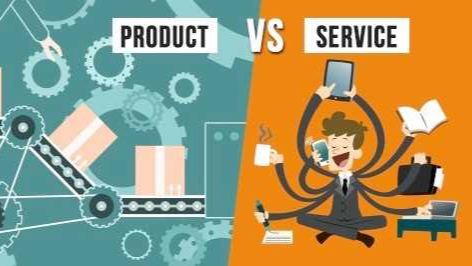
Although both types of companies operate in the IT industry, their business models and working environments are different.
| Factors | Product-Based Companies | Service-Based Companies |
|---|---|---|
| Main Focus | Developing products | Providing client services |
| Projects | Company-owned products | Client-based projects |
| Customers | Product users | Business clients |
| Work Environment | Product development focused | Client and project focused |
| Skills | Strong technical specialization | Technical and communication skills |
| Salary | Often higher for similar roles | Varies by company and project |
| Learning | Deep product knowledge | Exposure to different technologies |
| Job Roles | Product engineers, developers | Developers, testers, consultants |
| Work Allocation | Product team requirements | Client project requirements |
Advantages of Working in a Product-Based Company
Working in a product-based company can provide several benefits, especially for professionals interested in software development and technical innovation.
1. Higher Salary Opportunities
Product-based companies often offer competitive salary packages, bonuses, and stock-based compensation for skilled professionals. However, salaries depend on experience, skills, job roles, and company policies.
2. Strong Technical Skills
Employees get opportunities to work on complex software products, improve application performance, solve technical problems, and develop advanced features.
3. Product Ownership
Developers can understand the complete product development lifecycle, from planning and designing to development, testing, and deployment.
4. Innovation and Technology
Product-based companies frequently invest in new technologies such as artificial intelligence, cloud computing, machine learning, automation, and data analytics.
5. Long-Term Product Experience
Working on the same product over time helps employees understand its architecture, performance, security, and customer requirements in greater detail.
Advantages of Working in a Service-Based Company
Service-based companies are also a good career option, particularly for fresh graduates who want to enter the IT industry.
1. More Entry-Level Opportunities
Many service-based companies recruit fresh graduates through campus placements, off-campus drives, and training programs.
2. Exposure to Different Technologies
Employees may work on multiple projects involving Java, Python, .NET, cloud computing, cybersecurity, database management, and web development.
3. Client Interaction Experience
Working with clients helps employees improve communication, teamwork, problem-solving, and professional skills.
4. Structured Training Programs
Many large IT service companies provide technical training, onboarding programs, and project-based learning for freshers.
5. Multiple Career Paths
Employees can explore different domains, including software development, testing, networking, cloud engineering, cybersecurity, and IT consulting.
Disadvantages of Product-Based Companies
Product-based companies offer attractive career opportunities, but there are some challenges employees should understand.
- High Competition: Getting selected can be difficult because many candidates apply for limited positions.
- Strong Technical Requirements: Employers may expect excellent programming, data structures, algorithms, and problem-solving skills.
- Challenging Interviews: Technical interviews may include coding assessments, system design, and real-world problem-solving questions.
- Performance Expectations: Employees may need to handle complex tasks, meet deadlines, and continuously improve their technical knowledge.
Disadvantages of Service-Based Companies
Service-based companies also have certain limitations depending on the organization and project.
- Project Allocation: Employees may not always get their preferred technology or project.
- Client Requirements: Work priorities can change depending on customer expectations.
- Salary Differences: Entry-level salary packages may be lower than those offered by some product-based companies.
- Technology Changes: Employees may need to learn new technologies when moving between projects.
- Workload: Working hours and workload can vary depending on client deadlines and project requirements.
Which Company Is Best for Freshers?
For fresh graduates, both product-based and service-based companies can provide valuable career opportunities. The right choice depends on technical knowledge, career goals, and current skill levels.
Service-based companies can be a good starting point for freshers because they often provide structured training, entry-level recruitment, and opportunities to work on different client projects.
Product-based companies can be suitable for candidates with strong programming knowledge, problem-solving abilities, and practical development experience.
Freshers should focus on building technical skills rather than choosing a company based only on its salary package.
Skills Required to Get a Job in Product-Based Companies
Candidates who want to enter product-based companies should develop strong technical knowledge and practical experience.
Important skills include:
- Programming Languages: Java, Python, C++, JavaScript, and C#.
- Data Structures and Algorithms: Arrays, strings, linked lists, trees, graphs, sorting, and searching.
- Database Management: MySQL, PostgreSQL, MongoDB, and SQL.
- System Design: Understanding software architecture, scalability, and application design.
- Problem-Solving: Ability to solve coding challenges and logical problems.
- Projects: Building real-world applications and maintaining a strong technical portfolio.

Skills Required to Get a Job in Service-Based Companies
Service-based companies generally look for candidates with good technical knowledge, communication skills, and the ability to work in teams.
Some important skills include:
- Programming Basics: Knowledge of Python, Java, C, C++, or .NET.
- Web Development: HTML, CSS, JavaScript, and backend technologies.
- Database Knowledge: SQL queries, database design, and data management.
- Communication Skills: Ability to explain technical concepts and communicate with team members.
- Software Testing: Understanding manual testing, automation testing, and software development life cycles.
- Logical Thinking: Ability to understand requirements and solve basic programming problems.
Career Opportunities in Both Company Types
Both product-based and service-based companies offer opportunities across multiple IT domains.
| Career Domain | Common Job Roles |
|---|---|
| Software Development | Software Developer, Full Stack Developer |
| Cybersecurity | Security Analyst, Security Engineer |
| Data Science | Data Analyst, Data Scientist |
| Cloud Computing | Cloud Engineer, DevOps Engineer |
| Testing | QA Engineer, Automation Tester |
| Artificial Intelligence | AI Engineer, ML Engineer |
| Database | Database Administrator, SQL Developer |
Professionals can build successful careers in either company type by continuously learning, gaining practical experience, and improving their technical skills.
How to Choose the Right Company for Your Career?
Before applying for jobs, consider your interests, skills, and long-term career goals.
- Understand Your Interests: Decide whether you enjoy building software products or working on different client projects.
- Evaluate Your Skills: Identify your strengths in programming, communication, problem-solving, and technical knowledge.
- Research Companies: Understand the company’s work culture, salary structure, training opportunities, and career growth.
- Build Practical Projects: Develop applications and projects that demonstrate your technical abilities.
- Prepare for Interviews: Practise coding, aptitude, technical questions, and communication skills.
You should also consider factors such as work-life balance, job stability, learning opportunities, and the quality of the team before accepting an offer.
Conclusion
Product-based and service-based companies both provide excellent career opportunities in the IT industry. Product-based companies are suitable for candidates who enjoy product development, technical challenges, and building scalable applications. Service-based companies are a good choice for candidates who want structured training, client exposure, and opportunities to explore different technologies.
There is no single best choice for everyone. Your technical knowledge, interests, learning attitude, and career goals matter more than the company category.
Whether you start your career in a product-based or service-based company, focus on improving your programming skills, building real-world projects, and gaining practical experience. These efforts will help you achieve long-term success in the IT industry.
Want to Learn More About Java ?, Kaashiv Infotech Offers, Full Stack Java Course, Java Course, Data Science Course, Internships & More, Visit Their Website www.kaashivinfotech.com.