A Complete Guide to the 10 Types of SEO in 2026
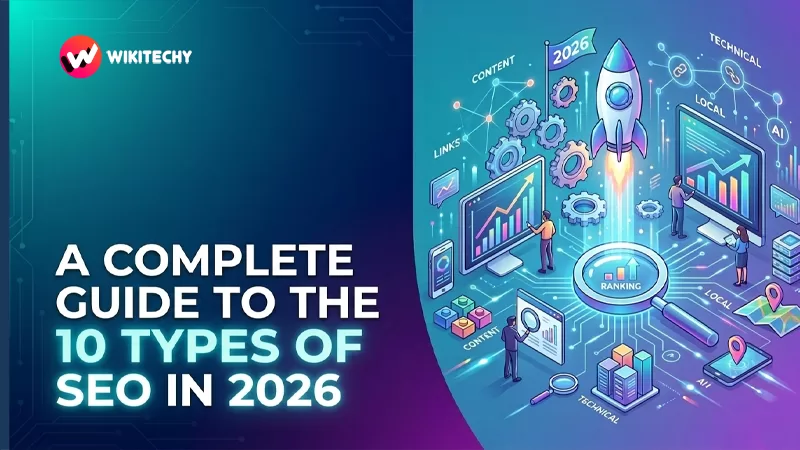
Search Engine Optimization (SEO) is one of the most powerful digital marketing strategies for improving a website’s visibility on search engines like Google. Businesses, bloggers, and marketers use SEO techniques to drive organic traffic, build brand credibility, and improve their search rankings.
However, SEO is not just one single strategy. It includes multiple techniques that work together to improve your website’s performance in search engine results. From optimizing content and technical aspects to building backlinks and improving user experience, each type of SEO plays a unique role.
In this guide, we will explore the 10 important types of SEO and understand how each of them helps websites rank higher on search engines.
1. On-Page SEO
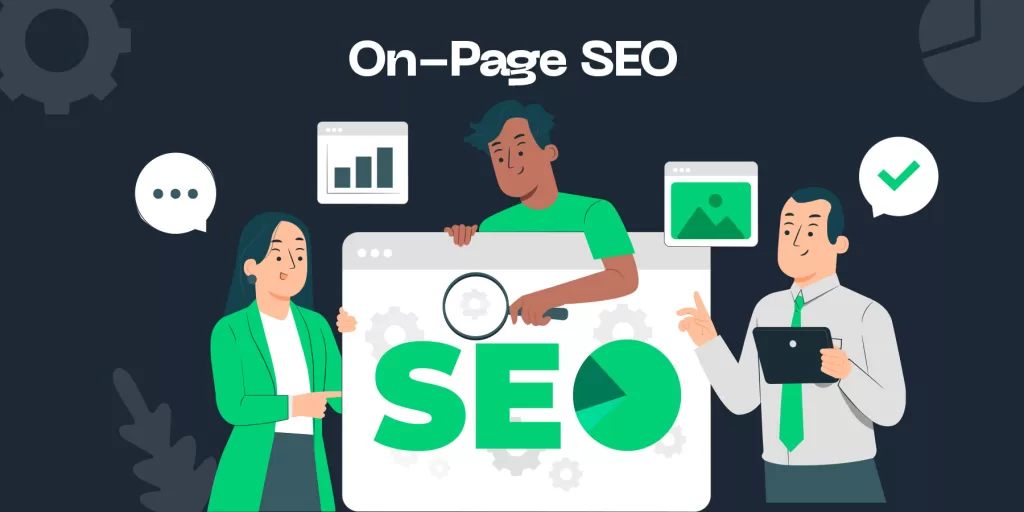
On-page SEO refers to all the optimization activities that happen directly on your website pages. It focuses on improving the content and HTML structure so search engines can easily understand what your page is about.
Key elements of On-Page SEO include:
- Keyword optimization
- Title tags and meta descriptions
- Header tags (H1, H2, H3)
- Internal linking
- Image optimization
- URL structure
For example, if your article targets the keyword “Types of SEO”, it should appear naturally in the title, headings, and throughout the content.
On-page SEO ensures that your content is relevant, useful, and optimized for search engine algorithms.
2. Off-Page SEO
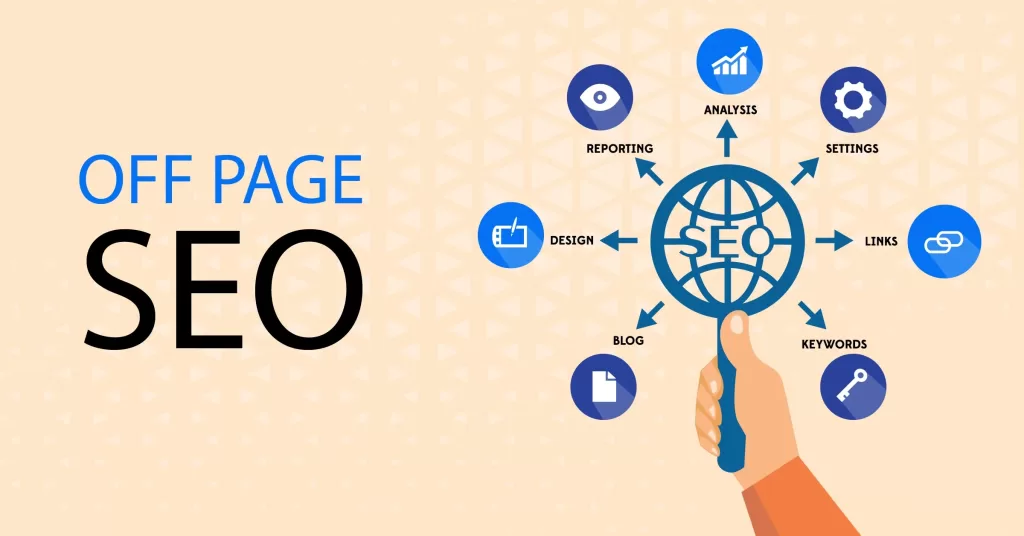
Off-page SEO involves activities that take place outside your website to improve its authority and reputation.
The main goal of off-page SEO is to build trust and credibility with search engines.
Common off-page SEO techniques include:
- Link building (backlinks)
- Guest blogging
- Social media marketing
- Influencer outreach
- Brand mentions
When high-quality websites link to your content, search engines consider your website more trustworthy, which helps improve rankings.
3. Technical SEO

Technical SEO focuses on optimizing the technical aspects of your website so search engines can crawl, index, and rank it efficiently.
Important technical SEO factors include:
- Website speed optimization
- Mobile-friendliness
- XML sitemaps
- HTTPS security
- Fixing broken links
- Structured data
For example, if your website loads slowly, users may leave quickly, which negatively affects your SEO performance. Technical SEO ensures your website functions smoothly for both users and search engines.
4. Local SEO
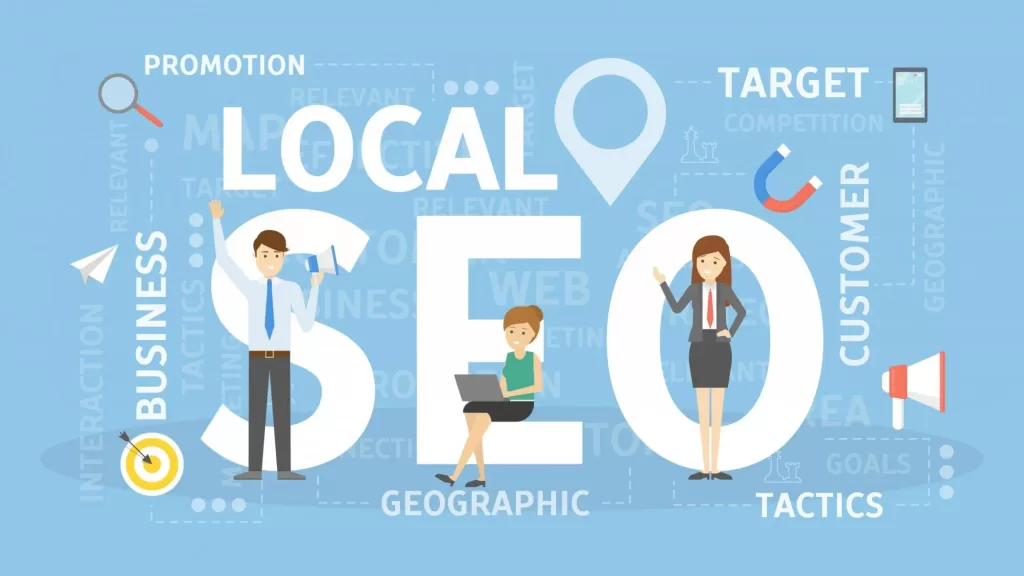
Local SEO helps businesses appear in location-based search results.
For example, when someone searches “best restaurant near me”, Google shows results based on the user’s location.
Local SEO strategies include:
- Optimizing Google Business Profile
- Using location-based keywords
- Collecting customer reviews
- Adding local business schema
- Listing in local directories
Local SEO is especially important for businesses like restaurants, clinics, stores, and service providers.
5. Mobile SEO

Mobile SEO ensures that your website is fully optimized for mobile devices such as smartphones and tablets.
Since most internet users browse websites using mobile devices, search engines prioritize mobile-friendly websites.
Mobile SEO includes:
- Responsive web design
- Fast loading pages
- Mobile-friendly navigation
- Optimized images
Google uses mobile-first indexing, meaning it primarily evaluates the mobile version of your website when ranking pages.
6. E-Commerce SEO

E-commerce SEO focuses on optimizing online stores to increase product visibility in search engines.
This type of SEO helps customers find products easily when searching online.
Key strategies include:
- Optimizing product descriptions
- Using product schema markup
- Improving category pages
- Customer reviews
- Image optimization
For example, an online store selling laptops should optimize product pages with keywords like “best gaming laptop 2026”.
7. Content SEO

Content SEO focuses on creating high-quality, valuable, and keyword-optimized content that satisfies user search intent.
Search engines prioritize content that provides useful information and answers users’ questions.
Important aspects of content SEO include:
- Keyword research
- Content structure
- Readability
- Content depth
- Regular updates
Blog posts, guides, tutorials, and educational content are excellent ways to improve content SEO.
8. International SEO

International SEO helps websites target audiences in different countries or languages.
Businesses that operate globally need to ensure that search engines show the right content to users in specific locations.
Important techniques include:
- Hreflang tags
- Country-specific domains
- Language targeting
- Geo-targeting
For example, a website might have different versions for users in the United States, India, or Europe.
9. Voice Search SEO

Voice search SEO focuses on optimizing content for voice-based searches using digital assistants like Siri, Alexa, and Google Assistant.
Voice searches are usually more conversational.
For example:
Text search:
“best SEO tools”
Voice search:
“What are the best SEO tools for beginners?”
Voice search optimization includes:
- Using conversational keywords
- Answering questions clearly
- Optimizing for featured snippets
- Using structured data
10. Video SEO

Video SEO helps videos rank higher on search engines and video platforms.
Video content is growing rapidly, and platforms like YouTube act as major search engines.
Video SEO techniques include:
- Optimizing video titles and descriptions
- Using relevant tags
- Creating engaging thumbnails
- Adding captions and transcripts
- Embedding videos on websites
Well-optimized videos can drive large amounts of traffic to your website.
How to Use These SEO Types Together
The most successful websites combine multiple SEO strategies rather than relying on just one.
For example:
- On-page SEO improves content quality.
- Technical SEO ensures the website functions properly.
- Off-page SEO builds authority through backlinks.
- Content SEO attracts organic traffic.
When all these strategies work together, websites can achieve higher rankings and sustainable organic growth.
Conclusion
SEO is not a single technique but a combination of multiple strategies designed to improve website visibility and search engine rankings. Understanding the different types of SEO helps businesses and website owners create a well-rounded optimization strategy.
From on-page and technical SEO to voice search and video SEO, each type plays a vital role in improving search performance. By implementing these SEO methods consistently, websites can attract more organic traffic, build credibility, and stay competitive in the digital landscape.
In today’s online world, mastering SEO is essential for anyone who wants to succeed in search engines and reach a wider audience.
Want to learn More about Marketing Management Case Studies?, Kaashiv Infotech Offers Digital Marketing Course & More, Visit www.kaashivinfotech.com.
Related Reads: