Best Statistical Programming Languages for Data Science in 2026
If you’re working in data science, you already know that statistical programming is the backbone of almost everything we do. But let’s be honest—choosing the right programming language can feel mentally draining. With so many languages evolving rapidly, each excelling in different areas, the fear of missing out on the “next big thing” is very real. Will Python continue its reign? Is Julia finally reaching mainstream adoption? Does R still maintain its stronghold?
For beginners especially, this choice can feel overwhelming—a decision that seems impossible without clear direction.
But here’s the reality: there is no single “perfect” programming language. The smartest approach is to choose the language that aligns with your career goals and build from there.
With 2026 well underway, the data science ecosystem is evolving faster than ever. Let’s explore the top programming languages for statistical programming, emerging trends, and what they mean for your career growth.
🔥 Key Highlights
📈 Salary Trends & Demand – Statistical programming professionals remain in high demand across industries in India (2026).
🚀 Why Statistical Programming Matters – A core skill powering AI, machine learning, and data-driven decision-making.
🐍 Python Still Leads – Python continues to dominate, while Julia steadily gains traction.
📊 R for Advanced Analytics – Still preferred for deep statistical analysis and high-quality visualizations.
⚖️ R vs. Python in 2026 – Python excels in versatility, while R shines in specialized statistical workloads.
🤖 AI & Machine Learning Integration – Increasing demand for professionals with strong statistical foundations.
☁️ Cloud Computing & Big Data – Transforming how statistical programming is applied at scale.
🛠 SQL Remains Critical – An essential skill for data extraction and manipulation.
💰 Rising Salaries – Data scientists with statistical programming expertise now earn an average of $155,000 globally in 2026.
⚡ Low-Code & No-Code Platforms – Making statistical analysis accessible to non-programmers.
🔮 The Road Ahead – Open-source tools like Python, R, and Julia continue evolving, while enterprise tools such as SAS and MATLAB retain niche relevance.
📈 Salary Trends & Demand for Statistical Programming in India (2026)

💰 How Much Can You Earn as a Data Scientist in India?
If you’re considering a career in data science, 2026 is an excellent time to step in. As organizations double down on data-driven strategies, professionals with statistical programming skills are commanding impressive salary packages across all experience levels.
🔹 Entry-Level (0–3 years): ₹5.5 – ₹8 LPA
Fresh graduates entering the field can expect competitive starting salaries as demand continues to rise. 💼
🔹 Mid-Level (4–9 years): ₹17 – ₹25 LPA
With practical experience and project exposure, professionals see a sharp increase in compensation. 🚀
🔹 Senior-Level (10+ years): ₹32+ LPA
Seasoned data scientists and analytics leaders can command premium salaries across industries.
📊 Why Statistical Programming Skills Are in Demand
The rapid expansion of AI, big data analytics, and automation has made statistical programming indispensable across domains like finance, healthcare, retail, and technology.
Here’s why these skills are more valuable than ever:
Python – The preferred language for machine learning, AI, and end-to-end data science workflows, backed by libraries like Pandas, NumPy, SciPy, TensorFlow, and PyTorch.
R – The go-to choice for advanced statistical modeling, research, and high-quality data visualization.
Julia – A fast-growing option for high-performance computing, especially in finance, engineering, and scientific simulations.
With India’s analytics and data science market continuing its rapid growth into 2026, demand for skilled professionals shows no signs of slowing.
Top Programming Languages for Statistics in 2026

Choosing the right language for statistical computing can significantly impact your productivity and career trajectory. From handling massive datasets to building predictive models, your language choice matters.
Here are the top programming languages for statistics in 2026, ranked by adoption, performance, and real-world relevance.
1. Python 🐍 (Still the King)
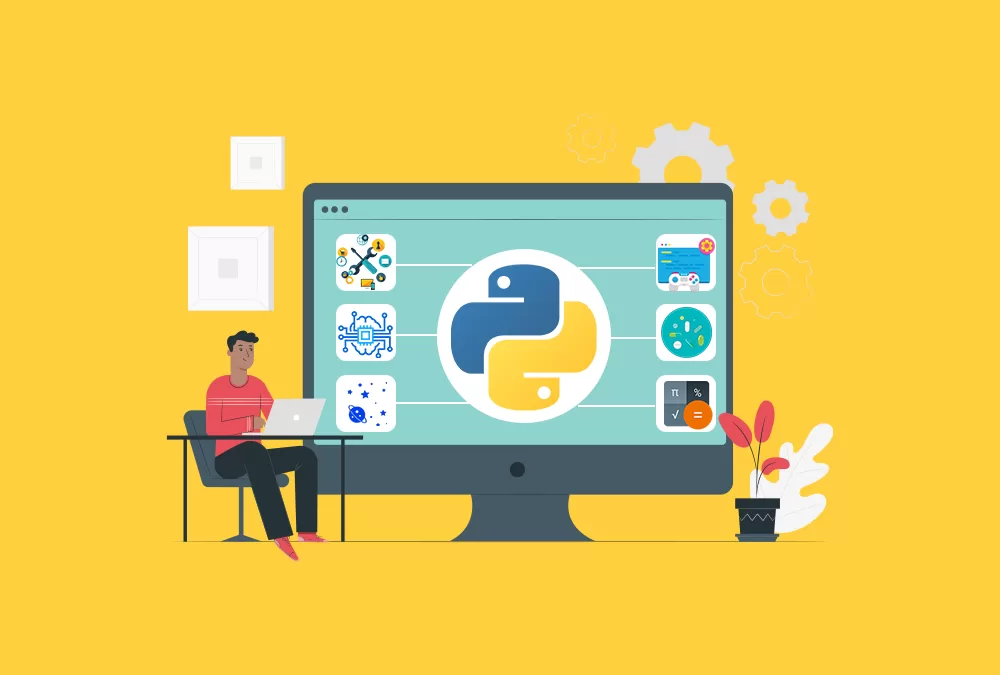
Python continues to dominate statistical programming due to its massive ecosystem and flexibility. Libraries such as Pandas, NumPy, SciPy, scikit-learn, and statsmodels make statistical analysis efficient and intuitive.
Its deep integration with AI and machine learning frameworks like TensorFlow and PyTorch ensures Python remains the top choice for modern data scientists. Combined with powerful visualization tools like Matplotlib, Seaborn, and Plotly, Python is nearly unbeatable.
📌 Why Python?
- Vast ecosystem for statistics, AI, and ML
- Strong industry demand across domains
- Easy to learn and widely supported
🔥 Best for: Data science, machine learning, automation, and general-purpose statistics
2. R 📊 (Statisticians’ Best Friend)
The Python vs. R debate continues into 2026, but R still dominates pure statistical analysis and visualization. Designed specifically for statisticians, R offers unmatched depth in statistical modeling.
Popular packages include:
- ggplot2 – Advanced and elegant visualizations
- dplyr – Efficient data manipulation
- Shiny – Interactive dashboards and applications
R remains especially popular in academia, healthcare, and research-driven environments.
📌 Why R?
- Purpose-built for statistical computing
- Best-in-class visualization capabilities
- Strong research and academic community
🔥 Best for: Statistical modeling, research, academia, and visualization
3. Julia ⚡ (The Speedster)

Julia continues to gain momentum in 2026, particularly in performance-critical applications. It delivers near C-level speed while maintaining a readable syntax similar to Python and R.
Key libraries include:
- DataFrames.jl
- StatsBase.jl
- DifferentialEquations.jl
While adoption is still growing, Julia is increasingly favored for heavy numerical and computational workloads.
📌 Why Julia?
- Exceptional speed and performance
- Ideal for large-scale simulations
- Easy transition for Python and R users
🔥 Best for: Finance, simulations, scientific computing, and high-performance analytics
4. SQL 🔍 (The Data Workhorse)

SQL remains indispensable in 2026. Before any statistical analysis begins, data must be queried, cleaned, and transformed—and SQL is the standard tool for the job.
With cloud platforms like BigQuery, Snowflake, and PostgreSQL, SQL continues to power modern data pipelines.
📌 Why SQL?
- Essential for data access and preparation
- Widely used in cloud and big data environments
- Integrates seamlessly with Python and R
🔥 Best for: Data wrangling, querying, and analytics at scale
5. SAS & MATLAB 📈 (Old but Gold)

Though less trendy, SAS and MATLAB remain relevant in enterprise and research-heavy domains.
✅ SAS continues to be widely used in regulated industries such as healthcare and finance.
✅ MATLAB remains strong in engineering, signal processing, and scientific research.
📌 Why SAS & MATLAB?
- Enterprise-grade reliability
- Strong compliance and governance
- Proven tools for structured analytics
🔥 Best for: Corporate analytics, engineering, and scientific applications
Special Mentions:
🚀 Rust – Gaining attention for high-performance and memory-safe statistical systems
🚀 Go – Popular in data engineering, with growing potential in analytics
Data Science Programming Trends in 2026
AI + Statistical Programming = The Future
AI and machine learning continue to rely heavily on strong statistical foundations. Languages that integrate smoothly with AI frameworks—especially Python—remain in exceptionally high demand.
🔍 Key Trends in Data Science Programming for 2026

☁ Cloud-Based Statistical Programming
Cloud-native analytics is now the norm, enabling large-scale, real-time statistical analysis.
✅ Leading platforms in 2026:
- Google BigQuery
- AWS SageMaker
- Azure Machine Learning
📌 Why it matters: Faster computation, massive scalability, and seamless collaboration.
🛠️ No-Code & Low-Code Platforms
Low-code tools are empowering non-programmers to perform advanced analytics.
✅ Popular platforms:
- DataRobot
- KNIME
- Google AutoML
📌 Impact: While accessibility improves, programming skills still provide a major competitive advantage.
🔗 Open-Source vs. Proprietary Tools
The debate continues:
✅ Open-source (Python, R, Julia)
- Flexible, free, community-driven
✅ Proprietary (SAS, MATLAB, SPSS)
- Structured, compliant, enterprise-focused
📌 Which should you choose?
- Innovation & flexibility → Open-source
- Regulation & governance → Proprietary tools
R vs Python for Statistics in 2026 – Which One Should You Learn?
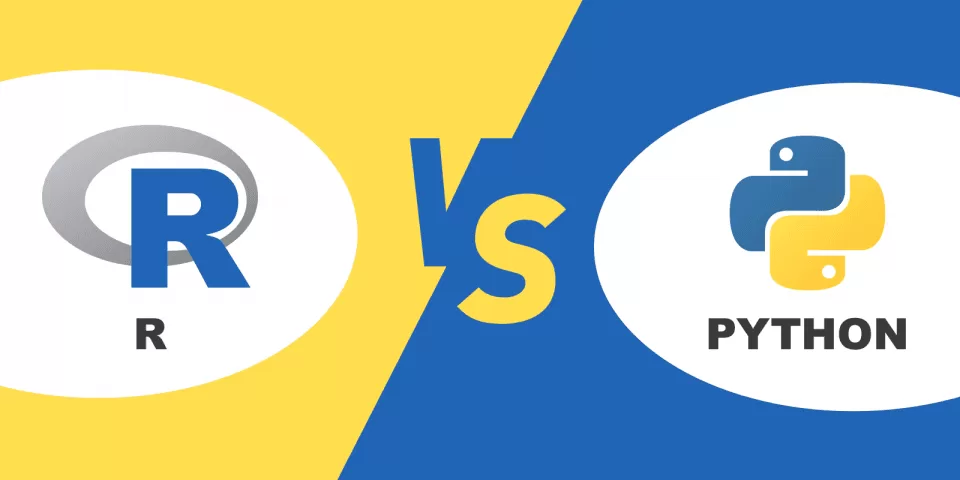
✅ Choose R if:
- You focus on statistics, visualization, and research
- You work in academia or healthcare
✅ Choose Python if:
- You want AI, ML, and broader career flexibility
- You aim for industry-focused data science roles
💡 Best advice: Learn Python first, then R as a complementary skill.
Final Thoughts:
Statistical programming in 2026 is more dynamic than ever. While the pace of change can feel overwhelming, the opportunity has never been greater. No matter which language you choose, continuous learning is the real key to staying relevant.
Want to learn more ??, Kaashiv Infotech Offers Data Analytics Course, Data Science Course, Cyber Security Course & More Visit Their Website www.kaashivinfotech.com.
Related Reads:



![Agile Model in Software Engineering [2025]](https://www.wikitechy.com/wp-content/uploads/2025/08/Agile-Model-in-Software-Engineering-2025-380x220.webp)