What is Digital Privacy? Let’s Get Real…
Digital privacy — I’ve heard this term a hundred times, and maybe you have too. But what does it really mean?
At its core, digital privacy refers to your right to control your personal information online — where it’s shared, how it’s used, and most importantly, who gets to see it.
If you’ve ever worried about your phone listening to your conversations, or felt creeped out by those oddly specific Instagram ads… welcome to the club. That’s digital privacy knocking — or rather, screaming — for your attention. 😱
The truth? In 2025, digital privacy is no longer a luxury. It’s a necessity.
1. Your Data Is the New Oil — But You’re Not Getting Paid for It 💸
I’ll be brutally honest: most of us are products, not users, in the digital world.
Every app you install, every click you make, and every like you give — it’s all part of a massive data collection machine.
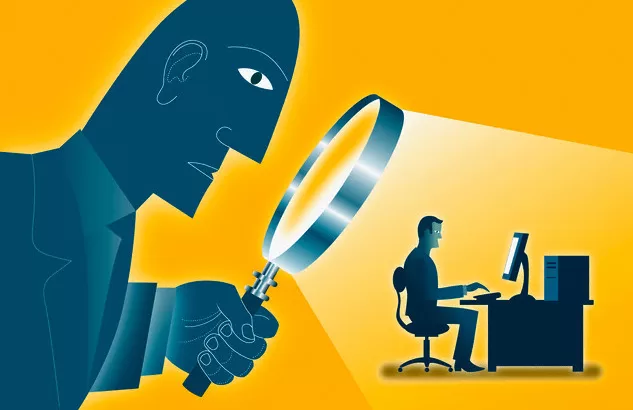
Companies like Meta, Google, and TikTok aren’t just offering free services out of generosity. They’re harvesting your data — from your browsing habits to your location — and selling it to advertisers.
Think about it:
- Your search for “headphones” shows up in Instagram ads in 10 minutes.
- You talk about pizza, and suddenly Zomato notifications explode.
Coincidence? Not likely.
➡️ This is why digital privacy is so important. It’s about owning your personal space in a digital universe that never sleeps.
2. Real-Life Scares: Digital Privacy Gone Wrong 😨
Let’s get personal. I had a friend who used a fitness app that tracked her running routes. Sounds innocent, right? Well, it turned out that anyone could view her running patterns. Someone started showing up on her trail every morning. Chilling.
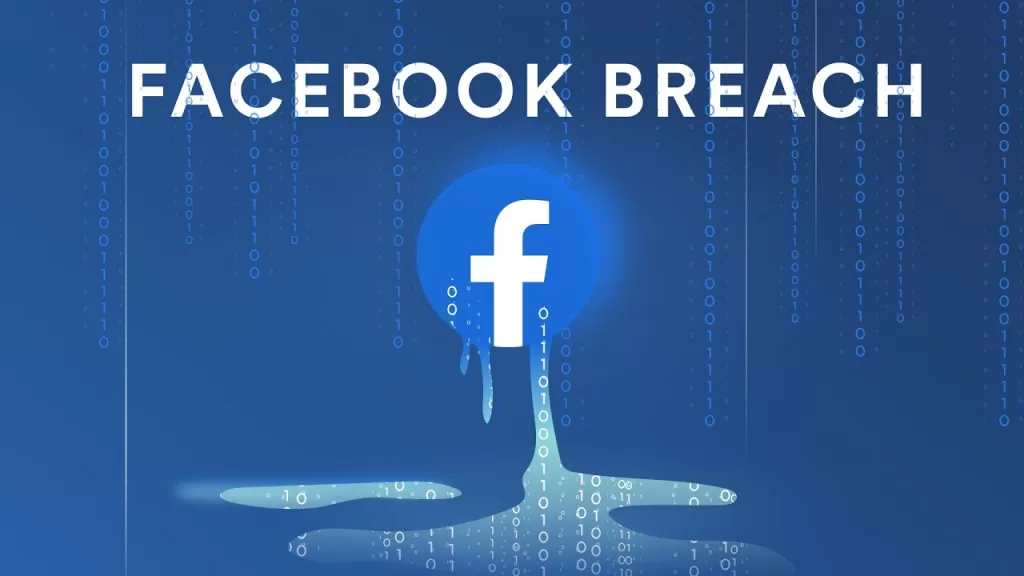
Or take the 2023 Facebook data leak — over 500 million accounts compromised. Names, phone numbers, emails — all up for grabs on the dark web.
These aren’t isolated incidents. These are wake-up calls. 🔔
3. What Are You REALLY Sharing Online? 👀
Here’s the part that freaks me out the most: most of us share too much, without even realizing it.

✅ Here’s what you might be leaking daily:
- Your IP address
- Device information
- Shopping habits
- Sleep and fitness patterns
- Your location (even in airplane mode, scary huh?)
Every time you say “yes” to those long unread terms and conditions, you’re signing away pieces of your digital privacy.
4. But Can You Protect Your Digital Privacy? YES! 💪
I used to feel helpless about this. But over time, I’ve built my own digital armor. Here’s what helped me — and could help you too.

🔐 Simple, actionable steps to protect your digital privacy:
- Use two-factor authentication (2FA)
- Install a reliable VPN (like NordVPN or ExpressVPN)
- Avoid using your main email for online sign-ups
- Regularly check your Google and Facebook privacy settings
- Use DuckDuckGo instead of Google for private searches
- Say NO to apps that ask for access they don’t need
And most importantly: never share more than necessary online. The fewer breadcrumbs you leave, the harder it is for companies (or hackers) to follow you.
5. Digital Privacy Laws: Do They Even Work?
Let’s be honest — laws are evolving, but they’re playing catch-up. 🐢

🗺️ Here’s where some major countries stand:
- India’s Digital Personal Data Protection Act (DPDP) finally rolled out stronger user rights
- Europe’s GDPR remains one of the strictest laws protecting digital privacy
- USA still has a patchy system, varying state by state (California’s CCPA is a step ahead though)
While these laws are a good start, the responsibility still lies with us, the users. It’s your data. Fight for it.
6. Are We Ever Truly Private Online? 🤯
Let’s talk real: in 2025, true digital privacy might be a myth.
Between AI surveillance, IoT devices, cookies, browser fingerprinting, and location tracking — it’s nearly impossible to stay invisible.
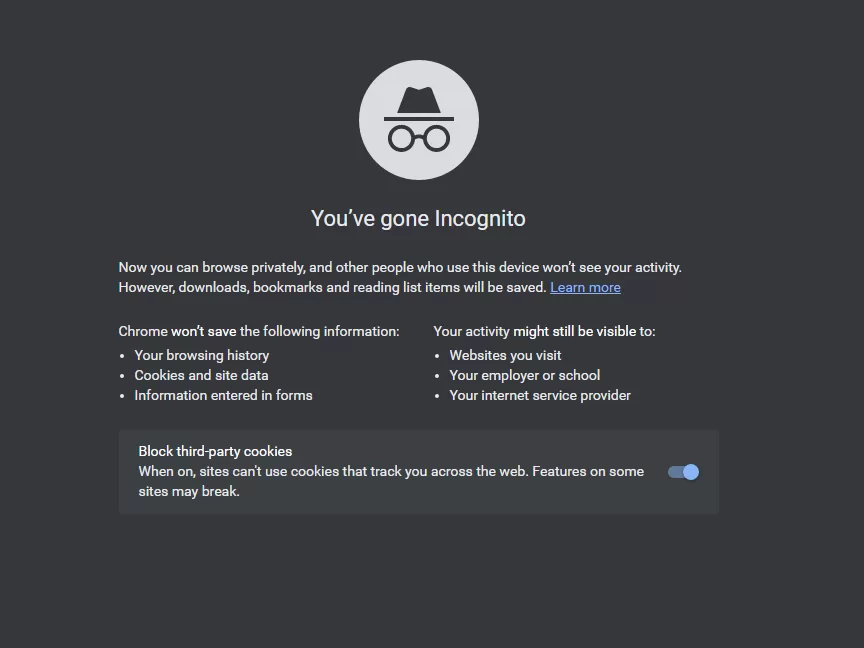
Even incognito mode isn’t foolproof (your ISP still knows what you’re doing, FYI).
But here’s the catch — you don’t need perfect privacy.
You just need enough protection to keep bad actors, advertisers, and creepy stalkers out.
7. My Golden Rule for Digital Privacy 🧠
Here’s what I live by now:
If you wouldn’t shout it in a public park, don’t post it online.

Because in a world driven by oversharing, privacy is rebellion. It’s about taking back control in a system built to exploit you.
If we stay aware, educate ourselves, and make smart choices — we can reclaim our online privacy, bit by bit.
Final Thoughts – My Honest Advice 💬
Digital privacy isn’t a buzzword. It’s your shield in a world that profits off your identity.
We can’t escape the digital world — but we can navigate it smarter.
If you are a student, you should know about digital privacy, learn Cyber Security Course, Networking, Cloud Computing Course with certifications.
Be curious. Be skeptical. Be private.
Your data is powerful. Treat it that way.
Related Reads: