The Future of Online Business: A Complete Guide to Digital Entrepreneurship in 2026
Digital entrepreneurship has transformed from a side-hustle concept into a powerful career path in 2026. With AI-driven tools, global connectivity, and low entry barriers, starting a digital business is no longer limited to tech experts or investors. Anyone with a laptop, internet connection, and the right strategy can build a scalable online venture.
This comprehensive guide explains what digital entrepreneurship is, why it is growing rapidly, the different business models you can choose from, and a detailed step-by-step roadmap to start and scale successfully in 2026.
What is Digital Entrepreneurship?

Digital entrepreneurship refers to creating and managing a business that operates primarily through digital platforms, technologies, and online systems. Unlike traditional businesses that rely on physical infrastructure, digital entrepreneurs use websites, mobile apps, social media platforms, cloud software, and online marketplaces to deliver products or services.
In simple terms, if the internet is your main marketplace and digital tools are your primary resources, you are engaged in digital entrepreneurship.
The core components include:
- Online presence (website, app, or platform)
- Digital marketing strategies
- Technology-based operations
- Scalable systems
- Remote or flexible business structure
Digital entrepreneurship is not limited to one industry. It spans education, technology, health, finance, entertainment, consulting, and e-commerce.
Why Digital Entrepreneurship is Thriving in 2026
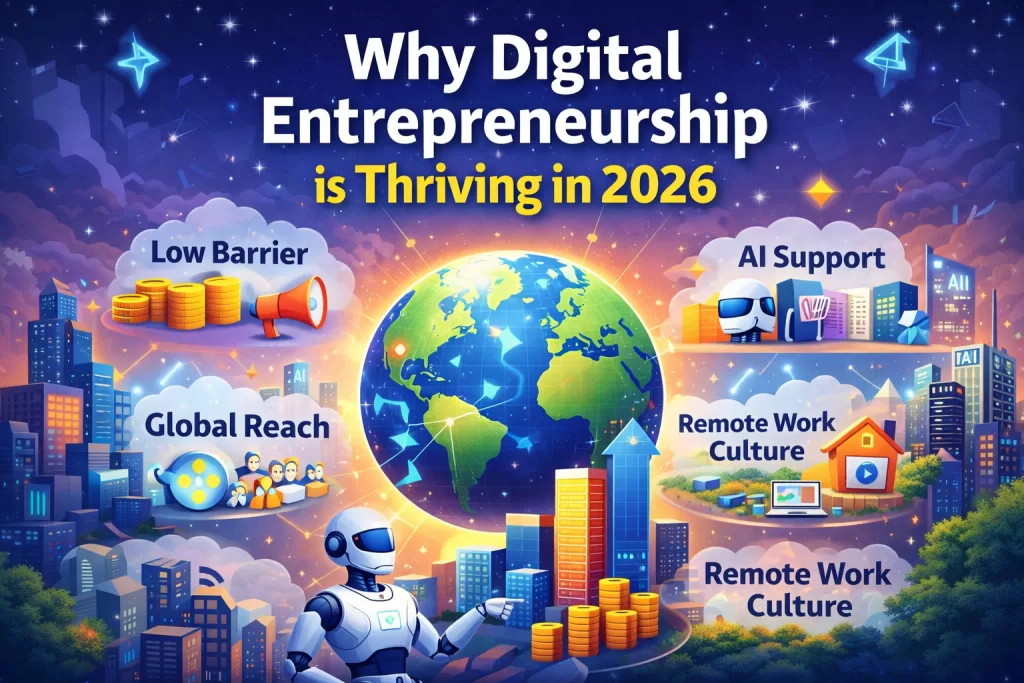
The digital economy continues to expand due to several powerful factors.
1. Rapid AI Integration
Artificial Intelligence tools now assist with content creation, customer support, data analysis, automation, and personalization. Entrepreneurs can launch faster and operate efficiently without large teams.
2. Low Barrier to Entry
You no longer need heavy investment. Platforms like Shopify, WordPress, Gumroad, Fiverr, YouTube, and Substack allow anyone to start with minimal costs.
3. Global Customer Access
Your audience is no longer restricted to your city or country. With digital payment systems and global shipping networks, you can serve customers worldwide.
4. Remote Work Culture
The rise of remote work has normalized digital operations. Freelancers, consultants, and service providers thrive in this ecosystem.
5. Creator Economy Growth
Content creators now build brands, communities, and monetized platforms across social media, podcasts, newsletters, and video platforms.
Types of Digital Entrepreneurship Models in 2026
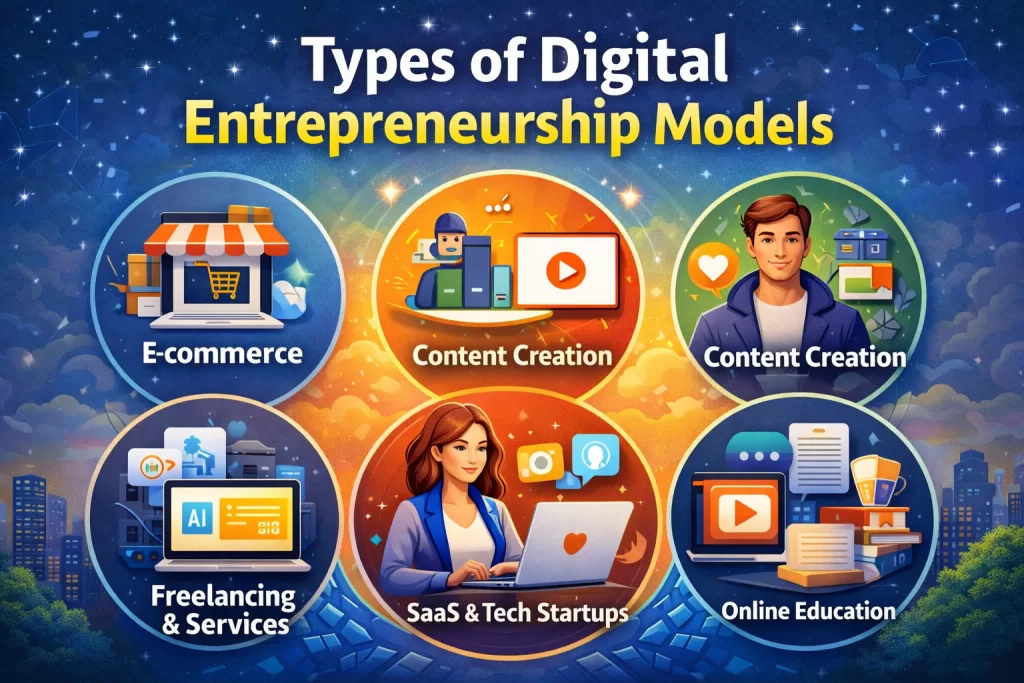
Choosing the right business model is crucial. Here are the most popular ones:
1. E-commerce Business
Sell physical or digital products through your own website or marketplaces like Amazon, Etsy, or Flipkart. Models include dropshipping, print-on-demand, private labeling, and subscription boxes.
2. Digital Products
Sell ebooks, templates, online courses, software tools, stock photos, or downloadable resources. These have high profit margins because there is no inventory cost.
3. SaaS (Software as a Service)
Develop subscription-based software that solves specific business or consumer problems.
4. Freelancing & Consulting
Offer services such as graphic design, digital marketing, SEO, web development, financial consulting, or coaching.
5. Content Creation & Influencer Business
Monetize through ads, brand collaborations, affiliate marketing, memberships, and digital product sales.
6. Affiliate Marketing
Promote other companies’ products and earn commissions through referral links.
7. Online Education Platforms
Launch specialized learning platforms, skill-based academies, or coaching programs.
Step-by-Step Guide to Starting Digital Entrepreneurship
Starting a digital business requires strategy, not guesswork.
Step 1: Identify Your Strengths and Interests
Choose a niche that aligns with:
- Your skills or expertise
- Market demand
- Long-term interest
- Revenue potential
For example, if you are good at coding, you could build SaaS tools or offer programming courses.
Step 2: Conduct Market Research
Study:
- Target audience demographics
- Competitor strategies
- Pricing models
- Customer pain points
- Keyword search trends
This ensures you build something people actually need.
Step 3: Define Your Unique Value Proposition (UVP)
Ask yourself:
- What problem do I solve?
- Why should customers choose me?
- What makes my brand different?
Clarity here improves branding and marketing effectiveness.
Step 4: Build Your Online Infrastructure
This includes:
- Domain and hosting
- Professional website
- Payment gateway integration
- Social media accounts
- Email marketing tools
Your website acts as your digital headquarters.
Step 5: Develop Your Product or Service
Start small with a Minimum Viable Product (MVP). Test it with early users and gather feedback before scaling.
Step 6: Launch and Promote
Focus on:
- Search Engine Optimization (SEO)
- Social media marketing
- Paid advertisements
- Influencer collaborations
- Community building
Consistency matters more than perfection.
Step 7: Automate and Scale
Use automation tools for:
- Email marketing
- CRM systems
- Analytics tracking
- Inventory management
- Customer service chatbots
Scaling becomes easier when systems are automated.
Essential Skills for Digital Entrepreneurs
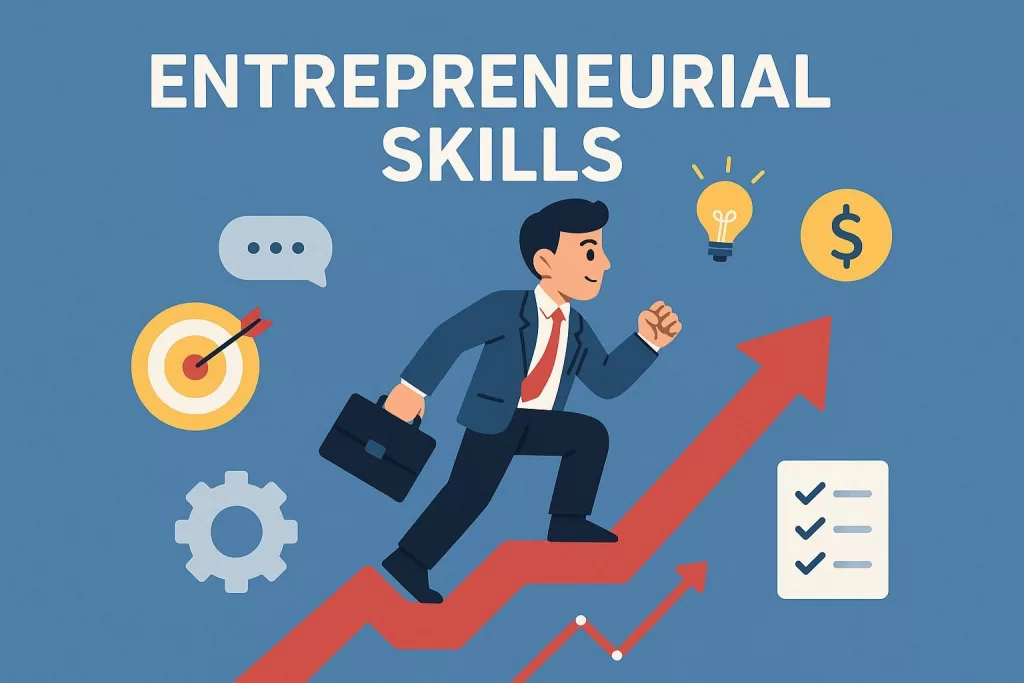
Success in digital entrepreneurship requires continuous learning. Important skills include:
- Digital marketing
- Branding and storytelling
- Basic financial management
- SEO and content strategy
- Data analysis
- Sales and negotiation
- Adaptability to new technologies
Learning these gradually will significantly increase your chances of success.
Revenue Streams in Digital Entrepreneurship
Diversification is crucial in 2026. Successful digital entrepreneurs often combine:
- Subscription models
- One-time product sales
- Affiliate commissions
- Advertising revenue
- Consulting fees
- Sponsorships
- Digital product bundles
Multiple streams reduce financial risk.
Common Challenges and How to Overcome Them
1. High Competition
Solution: Focus on niche specialization and personal branding.
2. Slow Initial Growth
Solution: Build authority through consistent content and community engagement.
3. Technology Confusion
Solution: Choose simple tools first; upgrade as revenue grows.
4. Inconsistent Income
Solution: Build recurring revenue models such as subscriptions.
5. Burnout
Solution: Outsource repetitive tasks and use automation.
Emerging Digital Entrepreneurship Trends in 2026
The landscape continues to evolve. Key trends include:
- AI-powered personalization
- Micro-niche communities
- Subscription-based content
- Creator-owned platforms
- No-code and low-code app development
- Web3 integration and digital ownership
- Sustainable and ethical online businesses
Entrepreneurs who adapt quickly gain a competitive edge.
Advantages of Digital Entrepreneurship
- Flexibility in work location and time
- Scalability without large infrastructure
- Lower startup risk
- Global audience access
- Passive income opportunities
- Faster innovation cycles
Disadvantages to Consider
- Income uncertainty in early stages
- Dependence on internet platforms
- High competition
- Continuous need for learning and updating skills
Being realistic about these factors helps you prepare better.
Is Digital Entrepreneurship Right for You?
It is suitable if you:
- Enjoy self-directed work
- Are comfortable with technology
- Want financial independence
- Are willing to learn continuously
- Can handle uncertainty
However, it requires patience, discipline, and consistent effort.
Final Thoughts:
Digital entrepreneurship in 2026 is not just about making money online—it is about creating value through digital innovation. Whether you build a content brand, launch an e-commerce store, create online courses, or develop software solutions, the opportunity is massive.
The most important step is to begin. Start with research, build small, validate your idea, and scale gradually. Success in digital entrepreneurship is a long-term journey fueled by adaptability, creativity, and resilience.
If you start today, your digital business could become your most valuable asset in the future.
Want to learn More about Digital Marketing, Kaashiv Infotech Offers Digital Marketing Course, Internship & More, Visit www.kaashivinfotech.com.
Related Reads: