Learn REST API Principles by Building an Express App
if you’re searching for anything like “How do I learn REST APIs?”, “What is a REST API?”, or “How do I build real APIs with Express?”, you’re in the right place.
I’ve been there — confused, Googling endlessly, jumping between docs, and breaking code at 2 AM. So today, I want to walk you through something that changed how I look at backend development forever: understanding REST-API principles by actually building an Express app.
What is a REST API

A REST-API (Representational State Transfer API) is a simple way for two systems to talk to each other using HTTP methods like GET, POST, PUT, DELETE.
Think of a rest-api like a waiter in a restaurant:
- You (client) ask for something
- Waiter (API) takes your order
- Kitchen (server) cooks it
- Waiter returns it
A rest api helps apps communicate — whether it’s your Instagram feed, your Netflix recommendations, or your online food delivery.
Why I Learned REST API by Building an Express App
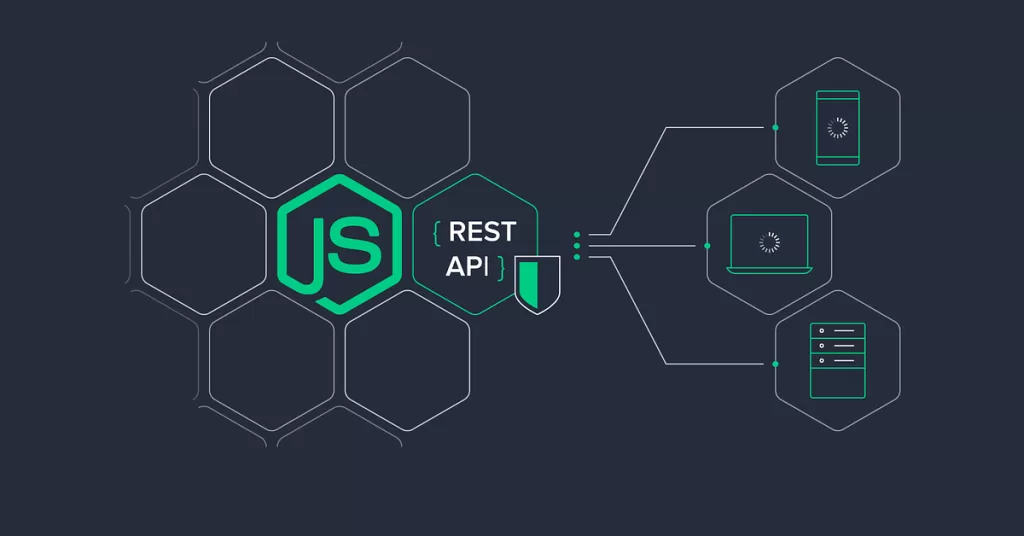
When I first tried to “learn REST APIs,” I made the same mistake many beginners make:
I tried memorizing definitions.
Worst decision.
Everything clicked only when I actually built an app using Express.js.
Here’s the truth I learned the hard way:
👉 You don’t learn rest-api principles by reading a definition; you learn them by building something real.
So that’s exactly what we’re going to do together.
REST API Principles — Explained

REST has 6 major principles.
1️⃣ Client-Server Architecture
Your frontend and backend must be separate.
Example:
Your React app is the “client” asking for data.
Your Express backend is the “server” returning data.
This gives you flexibility:
You can change your app’s UI without touching the backend.
2️⃣ Statelessness
Every request should contain all the information needed.
Meaning:
The server doesn’t remember anything between requests.
At first, I hated this rule.
But later I realized stateless systems scale beautifully — that’s why REST-APIs dominate the web.
3️⃣ Cacheability
Your rest-api responses can be cached to improve speed and performance.
Example:
If you ask for a list of products twice, the system can return the previous result instantly.
4️⃣ Layered System (hidden magic)
Your client shouldn’t care what’s happening behind the scenes.
There may be load balancers, proxies, middleware — but your API works the same.
5️⃣ Uniform Interface (making everything predictable)
This is why REST APIs feel familiar even across different apps.
- Use
/usersfor users /productsfor products- Use GET to retrieve
- POST to create
- PUT to update
- DELETE to delete
Consistency = clarity.
6️⃣ Code on Demand (optional but interesting)
Servers can return executable code (like JavaScript).
Not used often, but it’s part of the REST family.
Now that you understand the rest-api principles, let’s actually build one.
💻 Building a REST API with Express (Step-by-Step Guide)
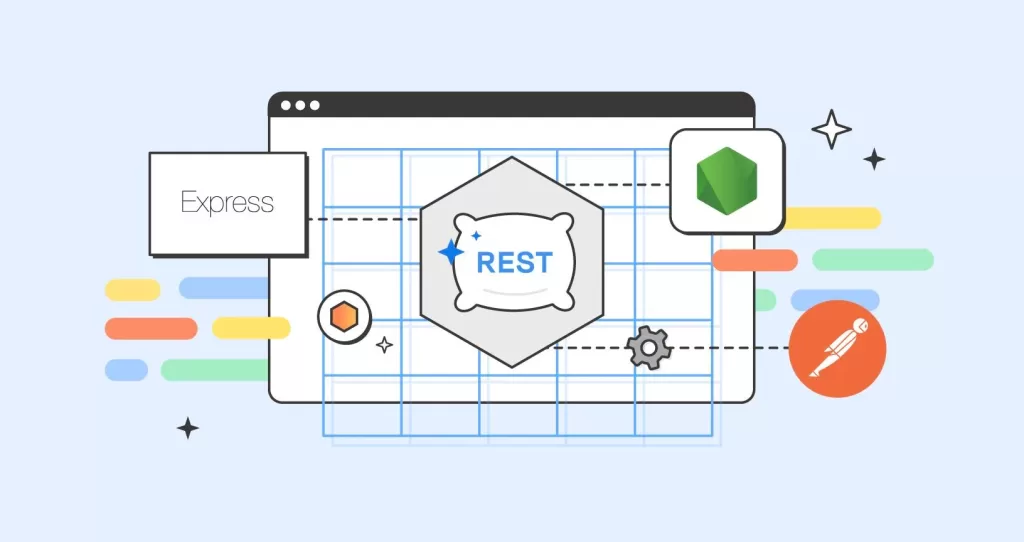
This is where things get fun.
We’re going to build a simple express-based rest-api for managing “Tasks.”
You’ll understand CRUD:
- Create
- Read
- Update
- Delete
Exactly what real-world APIs do.
📌 Step 1: Initialize Your Project
📌 Step 2: Create Your Express Server
Create index.js
Run it:
👇 Let’s Build CRUD Endpoints
➡️ GET — Read Data
➡️ POST — Create Data
➡️ PUT — Update Data
➡️ DELETE — Remove Data
Real-Life Example: Why REST APIs Important
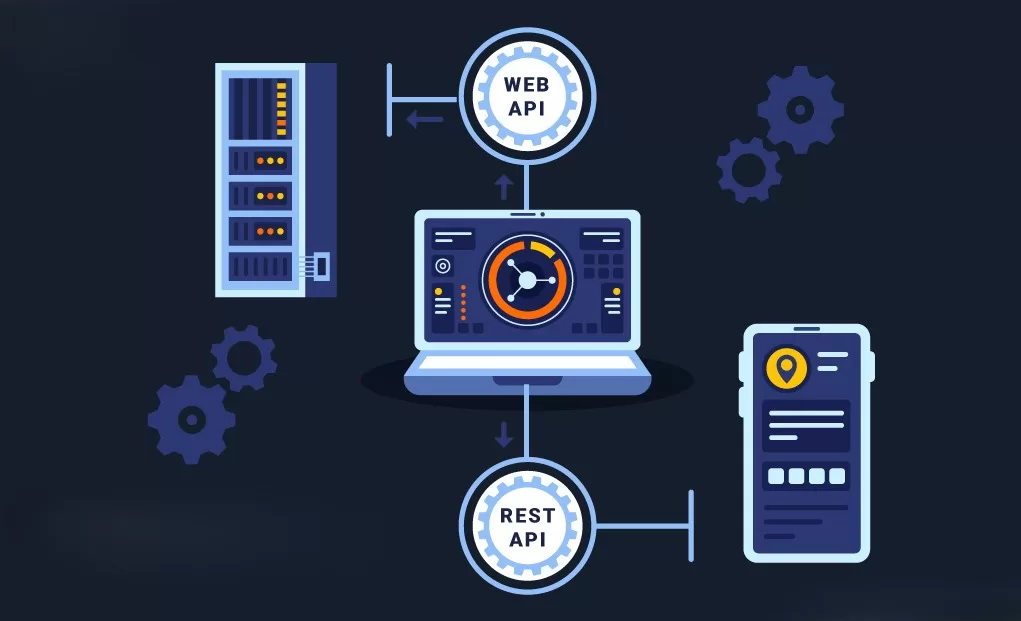
Let’s say you’re building a mobile app for booking cabs.
Your rest api will handle things like:
- GET
/rides→ show available rides - POST
/rides→ book a ride - PUT
/rides/23→ update ride status - DELETE
/rides/23→ cancel a ride
Every modern app — Zomato, Swiggy, Uber, Amazon — is powered by thousands of REST API calls.
This is why developers must master rest api principles.
Final Thoughts:
If you follow the same approach — understand the principles + create a project — everything becomes easier.
You can now proudly say:
✔️ You understand what a rest api is
✔️ You know the 6 principles of rest api
✔️ You built your own REST API using Express
✔️ You can build CRUD apps like a real developer
Your next steps?
- Add a database
- Add authentication
- Deploy your rest api
- Build a full-stack app
The world of APIs is huge — but now, you’ve taken one solid step into it.
Want to Learn More About Testing, Kaashiv Infotech Offers Software Testing Course, Internships & More, Visit Their Website www.kaashivinfotech.com.
Related Reads: