Introduction
The 10 Good Ideas of Data Integration Projects That I Experienced (My Own Experience)
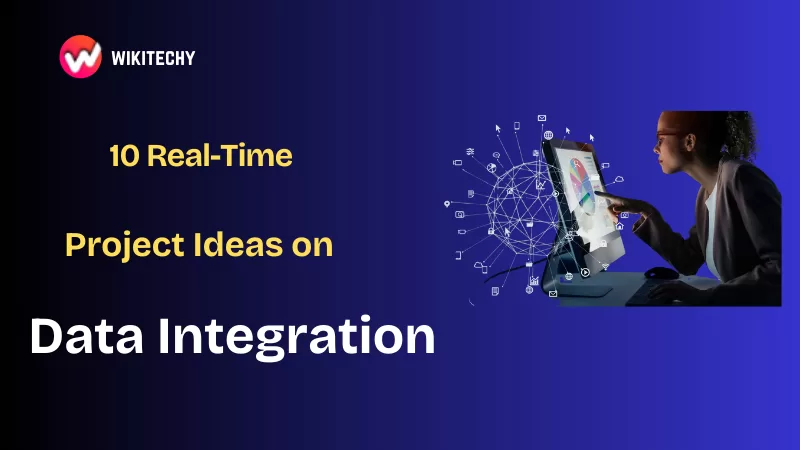
Real-time data integration projects. Real-world data integration work. I begin right there—willingly.
If you have ever Googled data integration project ideas and felt overwhelmed, confused, or even bored—you are not alone. I have been there. I have built dashboards that nobody opened, pipelines that collapsed at 2 AM, and integrations that looked brilliant on paper but failed in the real world.
This article exists because I wish I had something like this when I was learning.
So let us talk—friend to friend—about data integration project ideas that actually matter. No textbook fluff. No buzzword soup. Just real-world, resume‑worthy, interview‑winning concepts, especially Real-Time Data Integration Projects that companies truly care about today.
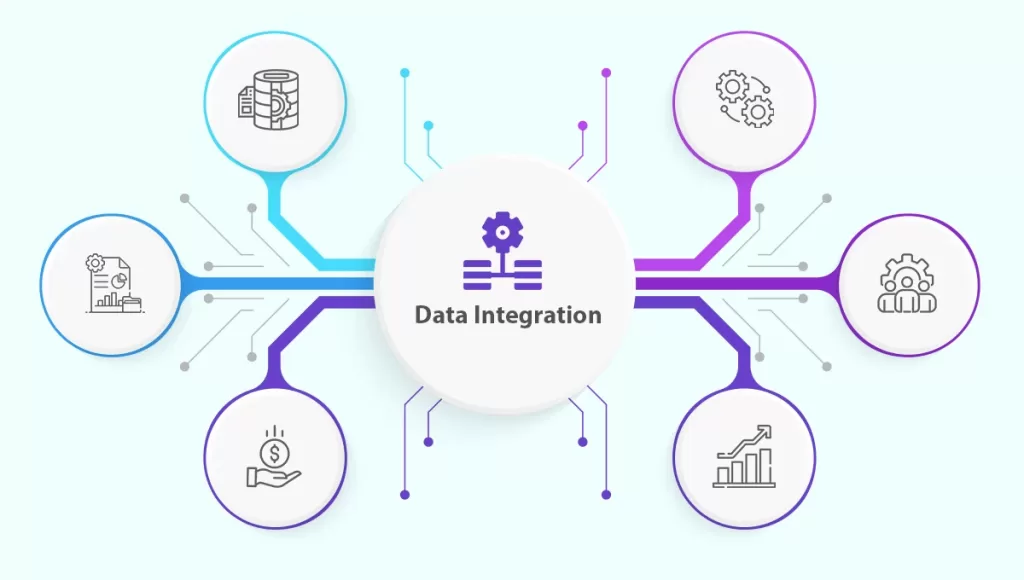
Why I Am Obsessed With Real-Time Data Integration Projects 🔥
Let me be honest.
Batch jobs are comfortable. Safe. Predictable.
Real-time systems? Chaotic. Alive. Slightly scary.
Here is the lesson I learned the hard way:
Most modern businesses care about NOW—not yesterday.
- Fraud detection → needs real-time data
- User behavior tracking → real-time
- Supply chain alerts → real-time
- Executive dashboards → definitely real-time
What I Mean by Data Integration 🧠
Data integration simply means:
Bringing together messy data from different places and making it useful.
APIs. Databases. CSV files. IoT devices. Cloud apps.
You collect them, clean them, connect them—and deliver value.
Most projects fail here—not because of code, but because people skip the thinking part.
10 Data Integration Project Ideas I Actually Recommend ☕
I will explain these as if we are discussing them over coffee.
1️⃣ Real-Time Data Dashboard
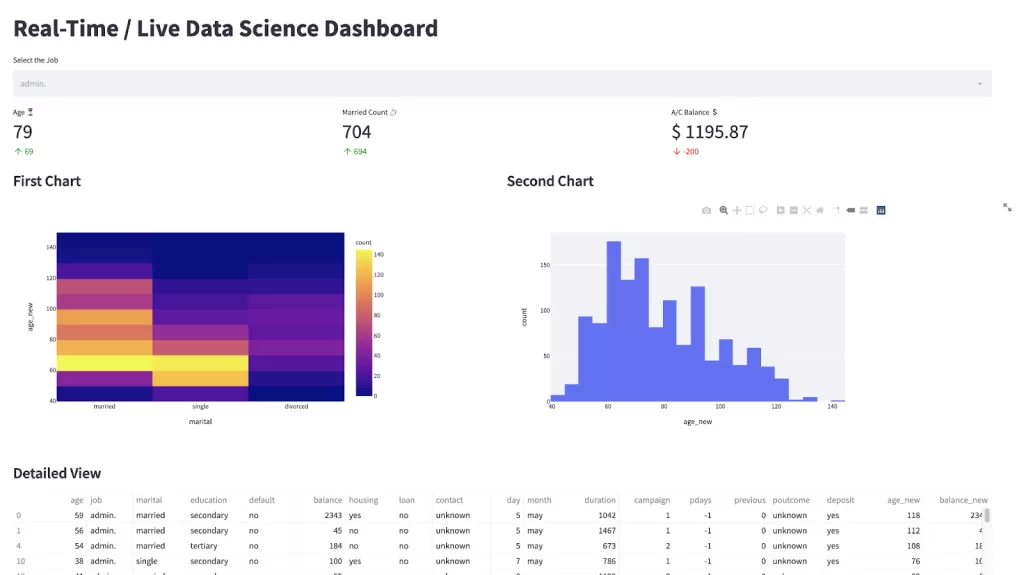
This was the very first project where I truly understood the power of real-time data. Instead of static reports that refresh once a day, this project focused on live streaming events coming directly from a website. User clicks, page views, and interactions were pushed into Kafka in real time, processed using Spark Streaming, and finally visualized in Power BI. The real challenge was not building the dashboard—it was handling late events, duplicate messages, and sudden traffic spikes. This project taught me how real-time systems behave under pressure and why monitoring and fault tolerance are just as important as visualization. Watching metrics update live was addictive and gave me confidence that I was building something genuinely valuable.
2️⃣ Data Warehouse Integration
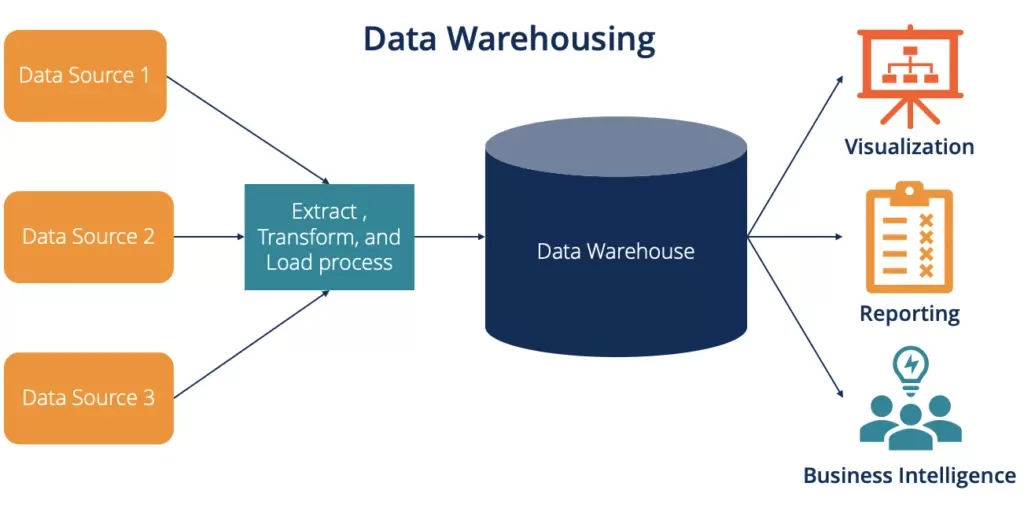
This project was all about structure, discipline, and long-term thinking. I integrated CRM, sales, and marketing data into a centralized data warehouse to create a single source of truth. The main challenge here was data consistency—different systems defined the same metrics in different ways. Using SQL and dbt, I built transformation layers that aligned business logic across teams. Snowflake and Redshift helped me understand how modern warehouses scale and why performance optimization matters. This project taught me how executives and analysts rely on clean, well-modeled data to make decisions, and it completely changed how I think about reporting accuracy.
3️⃣ Customer-Level Data Integration
This project focused on building a 360-degree customer view, which is one of the most demanded use cases in real businesses. I integrated app events, website clickstream data, and email campaign interactions into a single customer profile. The hardest part was identity resolution—matching the same user across devices, platforms, and channels. Kafka handled streaming ingestion, MongoDB stored flexible customer profiles, and Redis helped with fast lookups. This project showed me how personalization engines work behind the scenes and why customer data integration is far more complex than it looks in theory.
4️⃣ IoT Data Integration
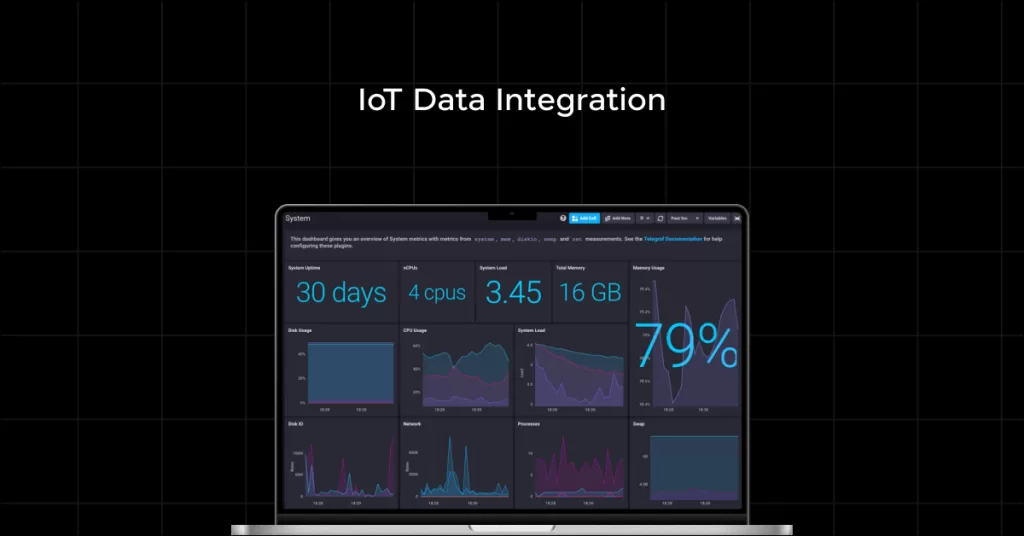
IoT integration was easily one of the most unpredictable projects I worked on. Sensors frequently disconnected, sent incomplete data, or produced sudden spikes that looked like failures. Using MQTT for ingestion and Apache NiFi for routing and filtering, I built pipelines that could tolerate bad data without breaking. InfluxDB stored time-series metrics, while Node-RED helped with quick prototyping. This project taught me resilience—how to design pipelines that expect failure and recover gracefully. It is a perfect example of why real-time data integration in the real world is never clean or linear.
5️⃣ AI-Based Predictive Analytics
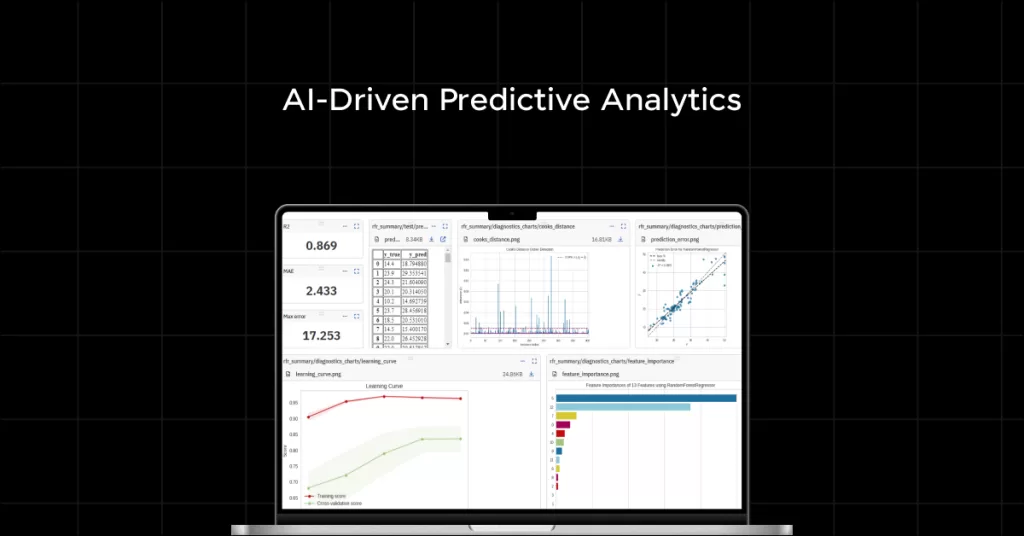
This project connected data integration with machine learning, and that is where things became truly interesting. I built pipelines that collected historical data, cleaned it, and fed it into predictive models for forecasting outcomes. Python and Scikit-learn handled feature engineering, while TensorFlow and Azure ML supported model training and deployment. The biggest lesson here was simple: bad integration leads to bad predictions. This project made me realize that machine learning success depends far more on data quality and pipeline reliability than on model complexity.
6️⃣ Cross-Platform Marketing Data Integration
Marketing data is scattered everywhere, and this project reflected that reality. I integrated data from Google Analytics, ad platforms, email campaigns, and CRM systems to analyze campaign performance across channels. The real challenge was attribution—understanding which channel actually contributed to conversions. Apache Airflow helped orchestrate data flows, while Tableau provided visual insights. This project taught me how messy real-world data can be and why data cleaning and business context are critical for meaningful marketing analytics.
7️⃣ Supply Chain Optimization
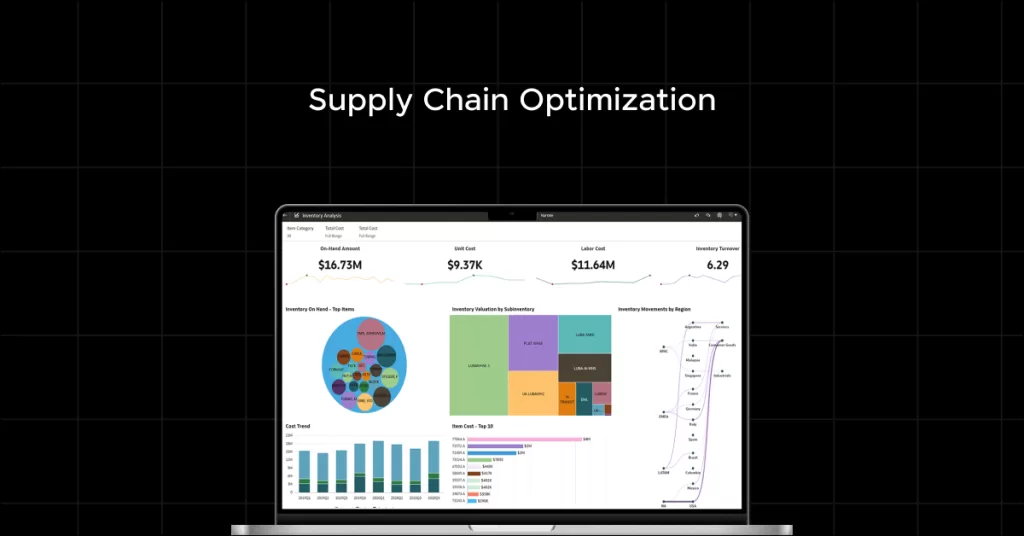
This project felt deeply corporate and highly impactful. It integrated inventory levels, order data, logistics updates, and sales forecasts to provide real-time visibility into supply chain operations. Kafka enabled event-driven updates, while SAP acted as the core enterprise system. Power BI dashboards helped stakeholders track delays and shortages instantly. This project showed me how real-time integration can directly impact revenue, cost savings, and operational efficiency—no theory, just real business value.
8️⃣ Financial Data Consolidation
Financial data integration is unforgiving. Even small errors can have serious consequences. In this project, I consolidated financial data from multiple systems using Oracle Financials, IBM Cognos, and SSIS. Accuracy, validation, and reconciliation were the top priorities—speed came second. This project taught me discipline, attention to detail, and the importance of audit trails. It also helped me understand why finance teams demand absolute trust in data pipelines.
9️⃣ Healthcare Data Integration
This project stood out because it was not just about business metrics—it was about people. I integrated electronic health records, lab results, and wearable device data using HL7 FHIR standards. Hadoop handled large-scale storage, while Tableau helped visualize trends for analysis. Privacy, compliance, and data standardization were major challenges. This project made me appreciate how data integration can directly impact patient care and public health outcomes.
🔟 Real Estate Portfolio Data Integration
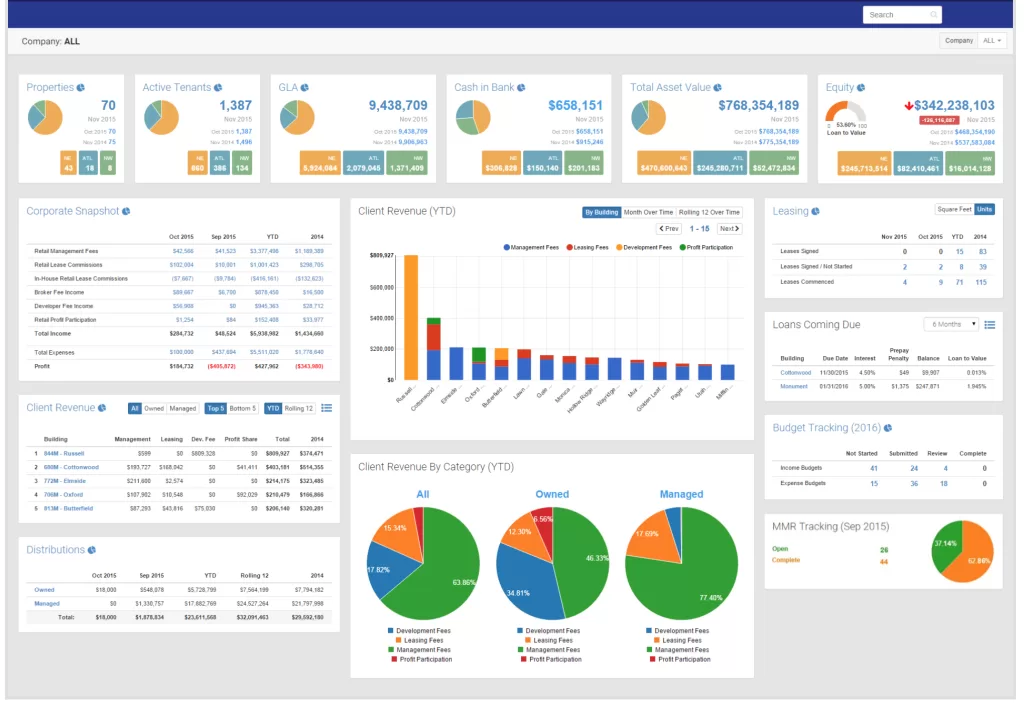
This project combined data with geography to create powerful insights. I integrated property data, sales performance, and CRM information, then visualized it using Power BI and ArcGIS. Location-based analysis revealed patterns that traditional tables could not. Salesforce helped manage customer and property relationships. This project taught me the art of storytelling with data—how to turn raw numbers into insights that decision-makers can immediately understand.
How I Managed These Projects Without Losing My Mind 🧩
Honestly?
A Trello‑style task board saved me.
- One board per project
- Clear tasks
- Deadlines
- Notes
You do not need fancy tools—you need clarity.
Final Thoughts
Real-time data integration projects are not just technical exercises—they are mindset shapers. Each project you build forces you to think beyond writing code and pushes you to understand data behavior, business urgency, and system reliability. You begin to design with purpose, debug with patience, and communicate with clarity. Yes, things will break—often at the worst possible time—and yes, you will feel stuck more than once. But every failure teaches you something no tutorial ever can. These projects prepare you for real roles, real pressure, and real impact. If you can build and explain even one of these integrations confidently, you are no longer just learning data engineering—you are practicing it.
Related Reads: