

Operating Systems (OS) are one of the most important subjects in computer science. They help manage computer hardware, software applications, memory, files, and other system resources. Whether you are studying computer science, preparing for technical interviews, or planning to become a software developer, understanding operating systems is an important skill.
Learning operating systems can seem challenging for beginners because the subject includes concepts such as process management, memory management, CPU scheduling, file systems, and deadlocks. However, choosing the right books can make learning easier and more interesting.
There are several excellent books available that explain operating system concepts through simple explanations, practical examples, and diagrams. In this article, we will explore seven must-read operating system books for beginners that can help you develop a strong foundation in computer science.
1. Operating System Concepts – Abraham Silberschatz, Peter B. Galvin, and Greg Gagne
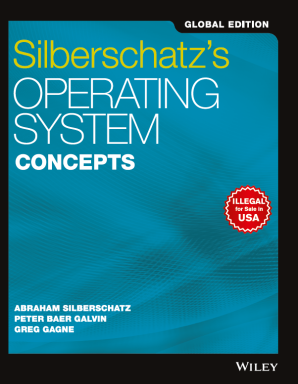
Operating System Concepts is one of the most popular textbooks for learning operating systems. It is commonly known as the Dinosaur Book because of its dinosaur illustration on the cover.
The book explains fundamental operating system concepts, including process management, threads, CPU scheduling, memory management, storage management, and file systems.
It provides detailed explanations, diagrams, examples, and exercises that help students understand how operating systems work internally.
What you will learn:
- Operating system structures and functions.
- Process and thread management.
- CPU scheduling algorithms.
- Memory and virtual memory management.
- File systems and disk management.
- Deadlocks and system security.
Best for: Computer science students and beginners who want to understand operating systems academically.
2. Modern Operating Systems – Andrew S. Tanenbaum and Herbert Bos
Modern Operating Systems is another excellent book for understanding how operating systems work in real-world environments.
Written by Andrew S. Tanenbaum and Herbert Bos, this book introduces operating system fundamentals and explains how modern systems manage hardware and software resources.
It covers important topics such as processes, threads, memory management, file systems, input/output systems, and virtualization. The book also discusses examples from operating systems such as Linux and other modern platforms.
What you will learn:
- Operating system architecture.
- Process communication and synchronization.
- Memory management techniques.
- File system implementation.
- Virtualization and cloud-related concepts.
- Multiprocessor and distributed systems.
Best for: Beginners who want to understand operating system architecture and modern computing concepts.
3. Operating Systems: Three Easy Pieces – Remzi H. Arpaci-Dusseau and Andrea C. Arpaci-Dusseau
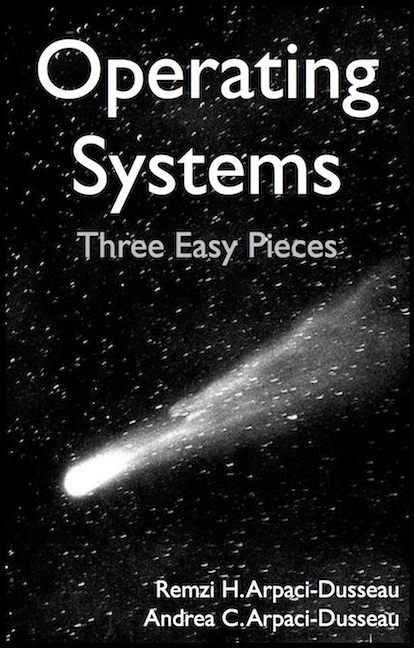
Operating Systems: Three Easy Pieces is a highly recommended learning resource for students who prefer a clear and practical approach.
The book organizes operating system learning around three major areas: virtualization, concurrency, and persistence. These topics explain how operating systems manage resources, execute multiple tasks, and store information.
It includes practical examples, programming exercises, and explanations that help beginners understand complex topics step by step.
One major advantage is that the book is available to read online for free through its official website.
What you will learn:
- CPU and memory virtualization.
- Process execution and scheduling.
- Threads and concurrency.
- Locks and synchronization.
- File systems and storage.
- Input/output operations.
Best for: Beginners, programming students, and self-learners who want practical operating system knowledge.
4. Operating Systems: Internals and Design Principles – William Stallings
Operating Systems: Internals and Design Principles is a useful textbook for students who want to understand the internal working of operating systems.
William Stallings explains how operating systems are designed and how they manage computer resources. The book covers both fundamental and advanced concepts with practical examples and illustrations.
It is particularly helpful for understanding how different operating system components communicate and work together.
What you will learn:
- Operating system fundamentals and structures.
- Process and thread management.
- Memory management and virtual memory.
- Processor scheduling.
- I/O management and file systems.
- Operating system security.
Best for: Students preparing for OS examinations and technical interviews.
5. Operating Systems: Principles and Practice – Thomas Anderson and Michael Dahlin
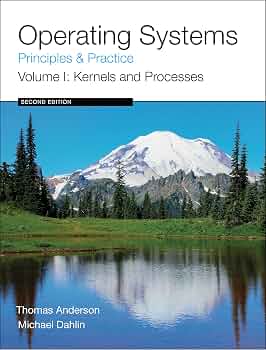
This book provides a detailed introduction to operating system principles through theoretical explanations and practical approaches.
It helps readers understand how operating systems manage hardware resources and provide services to applications. Instead of focusing only on definitions, it explains the design decisions behind operating system functionality.
The book covers processes, concurrency, memory management, storage, and distributed systems.
What you will learn:
- Operating system design principles.
- Process management and synchronization.
- Concurrency and multithreading.
- Memory allocation and management.
- Storage and file systems.
- Distributed operating systems.
Best for: Computer science students interested in operating system design and implementation.
6. Think OS: A Brief Introduction to Operating Systems – Allen B. Downey
If you are completely new to operating systems, Think OS is a useful book to consider. Written by Allen B. Downey, it introduces important operating system concepts in a relatively short and accessible format.
The book focuses on explaining how computers execute programs, manage processes, and interact with system resources. It also introduces concepts related to memory, concurrency, and system programming.
Its straightforward explanations make it a good starting point for learners who do not want to begin with a lengthy academic textbook.
What you will learn:
- Basic operating system concepts.
- Processes and program execution.
- Memory management.
- Threads and concurrency.
- System calls and operating system interactions.
Best for: Absolute beginners and self-learners who prefer short, introductory learning materials.
7. How Linux Works – Brian Ward
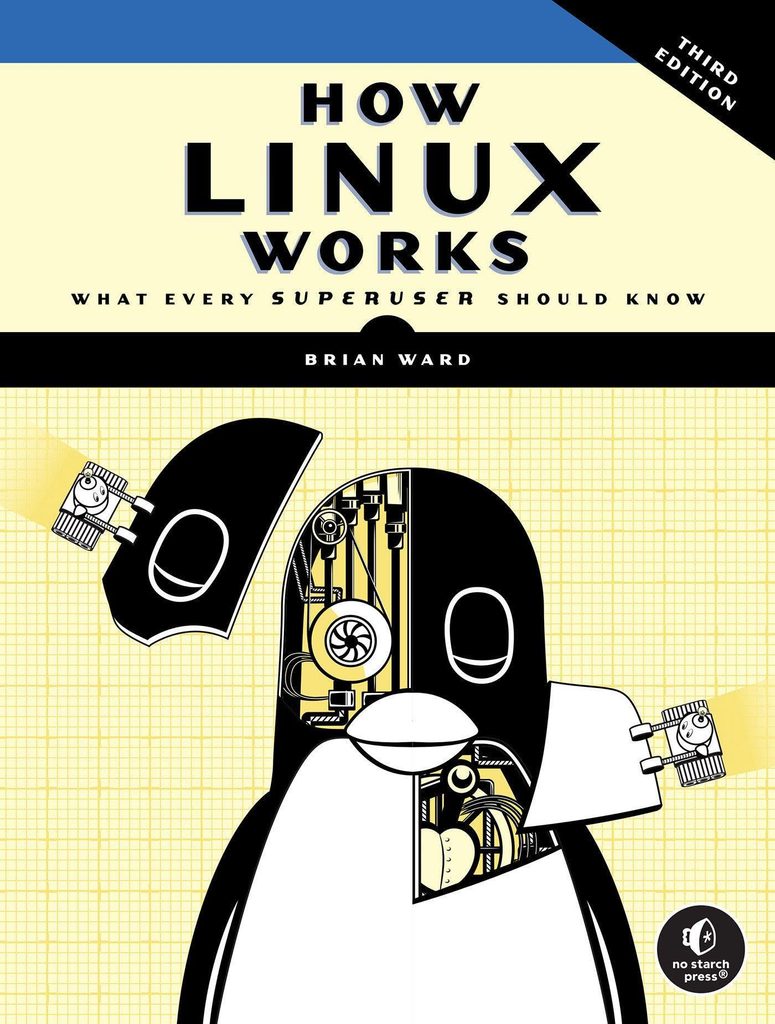
How Linux Works is an excellent choice for learners who want to explore operating systems through a real-world Linux environment.
Brian Ward explains how Linux works internally, including its boot process, command-line tools, processes, devices, networking, and storage systems.
Unlike books that mainly focus on operating system theory, this book introduces practical Linux concepts that learners can explore directly on their computers. It is especially useful for students interested in cybersecurity, system administration, cloud computing, and software development.
What you will learn:
- Linux system architecture.
- Boot process and system initialization.
- Processes and resource management.
- Linux command-line tools.
- Devices, disks, and file systems.
- Networking and system administration.
Best for: Beginners who want practical Linux knowledge alongside operating system fundamentals.
How to Choose the Right Operating System Book
Choosing the right operating system book depends on your current knowledge and learning goals.
- For absolute beginners: Start with Think OS or Operating Systems: Three Easy Pieces.
- For university students: Choose Operating System Concepts or Modern Operating Systems.
- For technical interview preparation: Study Operating Systems: Internals and Design Principles.
- For practical learning: Choose How Linux Works.
- For advanced understanding: Explore Operating Systems: Principles and Practice.
You do not need to read all seven books at once. Start with one beginner-friendly book and gradually move towards more detailed textbooks.
Conclusion
Operating systems are an important foundation for anyone pursuing a career in computer science or information technology. The right books can help you understand how computers manage processes, memory, storage, and hardware resources.
Among these seven books, Operating Systems: Three Easy Pieces is a great starting point for beginners because it combines clear explanations with practical exercises and is available online for free. Students looking for comprehensive academic knowledge can choose Operating System Concepts, while learners interested in practical system administration can explore How Linux Works.
Start with the fundamentals, practise concepts using Linux, and gradually explore advanced topics. Consistent learning and hands-on experience will help you develop strong operating system knowledge.
Want to learn about ethical hacker skills, Cyber Security?, Kaashiv Infotech Offers, Cyber Security Course, or Networking Course & More, Visit www.kaashivinfotech.com.