

How to Become a Cloud Computing Engineer – Cloud computing has become one of the most important technologies in the IT industry. Many companies use cloud platforms to store data, manage applications, run servers, and improve business operations. As a result, the demand for skilled cloud computing engineers is increasing across different industries.
If you are interested in starting a career in cloud computing, you may wonder how long it takes to become a cloud computing engineer. The answer depends on your technical knowledge, learning speed, practical experience, and the amount of time you spend practising. Generally, beginners may need 6 to 12 months to develop the skills required for an entry-level cloud computing role.
Let’s explore the learning timeline, essential skills, cloud platforms, certifications, and career opportunities.
What Is a Cloud Computing Engineer?
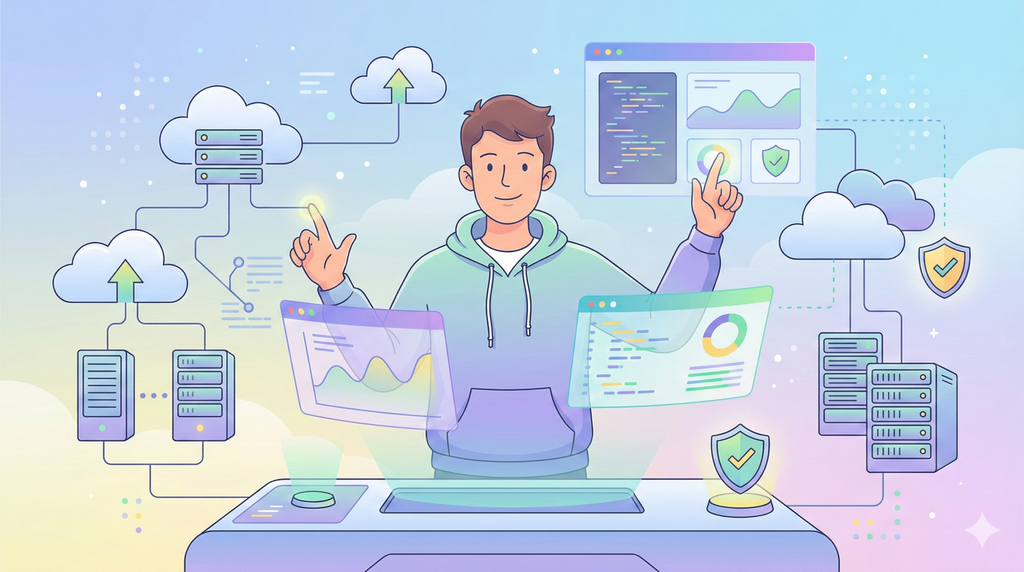
A cloud computing engineer is an IT professional who designs, develops, manages, and maintains cloud-based infrastructure and services. They work with cloud platforms to help businesses run applications and store information without depending entirely on physical servers.
Cloud computing engineers commonly work with platforms such as Amazon Web Services (AWS), Microsoft Azure, and Google Cloud Platform (GCP).
Their responsibilities include managing cloud resources, configuring virtual machines, monitoring applications, improving security, and maintaining cloud infrastructure.
How Long Does It Take to Learn Cloud Computing?
The time required to learn cloud computing depends on your previous experience and learning schedule.
Here is a general learning timeline for beginners:
| Learning Stage | Estimated Duration |
|---|---|
| Computer and Networking Basics | 2–4 Weeks |
| Linux and Operating Systems | 3–4 Weeks |
| Cloud Computing Fundamentals | 3–4 Weeks |
| AWS, Azure, or GCP | 2–3 Months |
| Cloud Security and Networking | 1–2 Months |
| Practical Projects | 1–2 Months |
| Total Learning Time | 6–12 Months |
Students with programming, networking, or system administration experience may learn these concepts faster. However, mastering advanced cloud architecture and gaining professional experience can take several years.
Important Skills Required to Become a Cloud Computing Engineer
To become a successful cloud computing engineer, you need to develop technical and problem-solving skills. The following are some important areas to focus on.
1. Computer Networking Fundamentals
Networking is one of the most important foundations of cloud computing. You should understand how computers communicate with each other over networks.
Learn important concepts such as:
- IP addresses and subnetting
- DNS and DHCP
- TCP/IP protocols
- HTTP and HTTPS
- Firewalls and VPNs
- Load balancing
These concepts help you understand how cloud servers communicate and how applications are connected to the internet.
2. Linux and Operating Systems

Linux is widely used in cloud environments. Many cloud servers run on Linux-based operating systems.
Start by learning Linux commands, file permissions, directory management, user administration, and process management.
You should also understand basic Windows Server administration because some organizations use Windows-based cloud infrastructure.
3. Learn a Cloud Platform
After understanding the fundamentals, choose one major cloud platform and learn its services.
Amazon Web Services (AWS): AWS is widely used for cloud infrastructure, storage, databases, networking, and application deployment.
Microsoft Azure: Azure provides cloud services for computing, networking, databases, security, and enterprise applications.
Google Cloud Platform (GCP): GCP offers cloud infrastructure, data analytics, machine learning, and application development services.
Beginners can start with AWS or Azure and gradually explore other platforms.
4. Programming and Scripting
Programming is useful for automating cloud operations and managing infrastructure efficiently.
Focus on learning:
- Python for automation and scripting
- Bash scripting for Linux administration
- Basic JavaScript or another programming language
- JSON and YAML for configuration files
You do not need to become an expert programmer initially, but basic coding knowledge will help you work more efficiently.
5. Cloud Security

Security is essential because businesses store sensitive information and applications in cloud environments.
Learn identity and access management (IAM), encryption, authentication, security groups, network access controls, and security monitoring.
Understanding these concepts helps you protect cloud resources from unauthorized access and potential security threats.
Step-by-Step Roadmap to Become a Cloud Computing Engineer
Following a structured learning roadmap can make your cloud computing journey easier.
Step 1: Learn IT Fundamentals (Month 1)
Start with computer fundamentals, networking, operating systems, and basic troubleshooting. These concepts provide a strong foundation for understanding cloud infrastructure.
Step 2: Understand Cloud Computing (Month 2)
Learn cloud service models such as IaaS, PaaS, and SaaS. Understand public, private, and hybrid cloud deployment models.
Step 3: Choose a Cloud Platform (Months 3–4)
Select AWS, Azure, or GCP. Practise creating virtual machines, configuring storage, managing databases, and setting up cloud networks.
Step 4: Learn Automation and Security (Months 5–6)
Develop Python and Bash scripting skills. Explore cloud security, IAM, monitoring, and infrastructure automation tools such as Terraform.
Step 5: Build Real-Time Projects (Months 7–8)
Create practical projects to understand how cloud services work in real-world environments. Build a website hosting setup, cloud storage application, or automated deployment pipeline.
Step 6: Prepare for Certifications and Interviews (Months 9–12)
Revise cloud concepts, practise technical interview questions, and prepare for relevant certifications. Create a portfolio showcasing your projects and practical knowledge.
Best Certifications for Cloud Computing Engineers
Certifications can help demonstrate your cloud computing knowledge to potential employers.
Some popular certifications include:
- AWS Certified Cloud Practitioner
- AWS Certified Solutions Architect – Associate
- Microsoft Certified: Azure Fundamentals (AZ-900)
- Microsoft Certified: Azure Administrator Associate (AZ-104)
- Google Cloud Associate Cloud Engineer
Beginners can start with a foundational certification before moving towards associate-level certifications.
Practical Cloud Computing Projects to Build

Practical experience is important when preparing for cloud engineering roles. Try building these beginner-friendly projects:
- Static Website Hosting: Host a website using AWS S3 or Azure Storage.
- Cloud File Storage: Create a cloud-based file storage system.
- Virtual Machine Deployment: Launch and configure a virtual machine using AWS EC2 or Azure Virtual Machines.
- Cloud Database Setup: Create and manage a database using a managed cloud database service.
- Automated Deployment: Build a basic CI/CD pipeline to automate application deployment.
These projects help you understand cloud services and demonstrate your technical skills during interviews.
Career Opportunities After Learning Cloud Computing
After developing cloud computing skills, you can explore different career opportunities in the IT industry.
Some popular job roles include:
- Cloud Computing Engineer
- Cloud Administrator
- Cloud Solutions Architect
- Cloud Support Engineer
- DevOps Engineer
- Cloud Security Engineer
- Site Reliability Engineer
Your career path depends on your technical skills, certifications, practical experience, and specialization.
Conclusion
Becoming a cloud computing engineer requires consistent learning, technical knowledge, and hands-on practice. Beginners can generally build the foundation for an entry-level cloud computing career within 6 to 12 months.
Start with networking and Linux fundamentals, choose a cloud platform, practise real-world projects, and prepare for industry-recognized certifications. Instead of learning every cloud platform at once, focus on mastering one platform first.
With regular practice and continuous learning, you can develop the skills needed to build a successful career in cloud computing.
Want Learn Cloud Computing Course, Cyber Security Course, Networking Course ?, Visit Our Website www.kaashivinfotech.com.