

Why You MUST Improve Sleep (Yes, It’s That Serious)
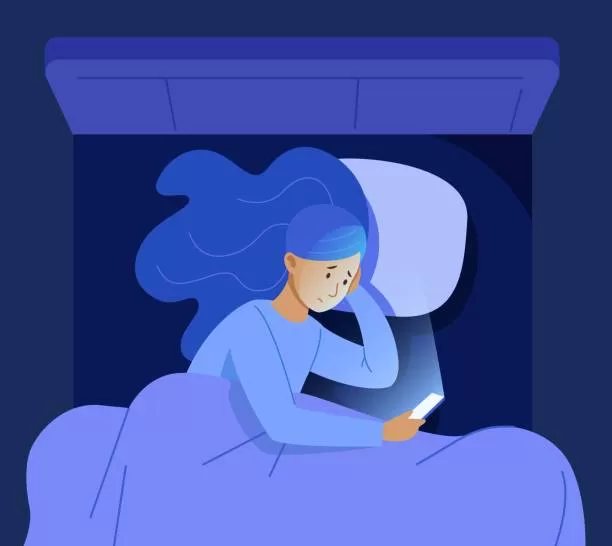
We scroll through social media, binge-watch shows, or keep saying “just one more episode” at 2 AM. And yet, we wonder why we’re moody, tired, and foggy during the day. The thing is, sleep is like recharging your brain’s battery. You wouldn’t run your phone at 5% every day, right? Then why run yourself on low charge?
Studies from Sleep Foundation show that poor sleep can increase risks of anxiety, weight gain, heart issues, and even accidents. And here’s the kicker—good sleep is FREE. You just need to learn how to get it.
Let’s explore the 9 brutally honest tips to improve sleep that actually worked for me (and can work for you too):
1. Fix Your Sleep Schedule (No, Weekends Aren’t Cheat Days) 🕰️
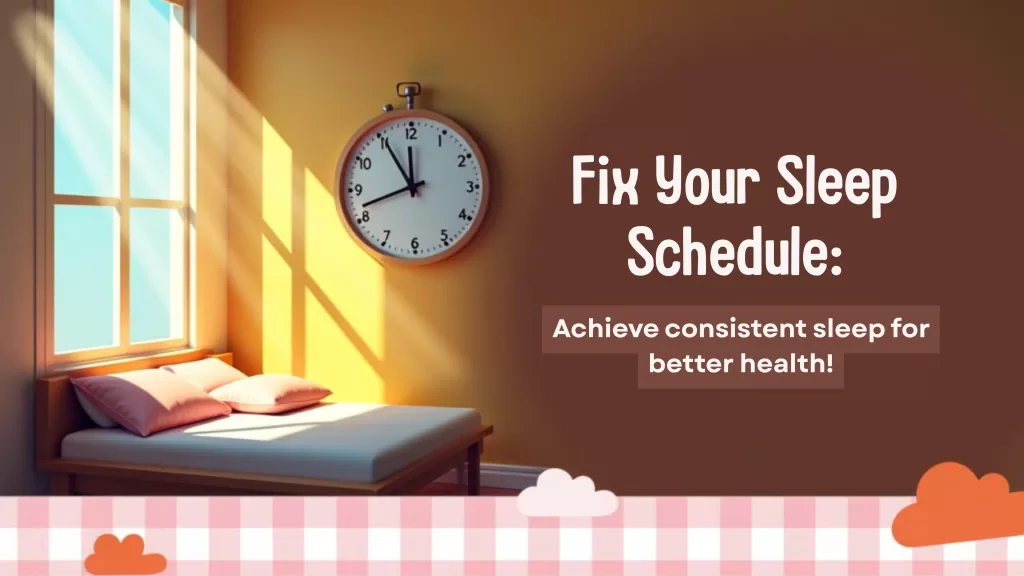
One of the first steps to improve sleep is regulating your internal clock. I used to sleep at 2 AM on weekdays and 4 AM on weekends. My body had no idea when it was bedtime.
What worked:
- Set a fixed wake-up and sleep time—even on weekends
- Use the “sunlight rule”—wake up and get sunlight within 30 mins
- Go to bed before you feel exhausted. It’s easier than forcing it later.
Your sleep depends on consistency. Treat it like brushing your teeth—not optional.
2. Cut the Screen Time—Your Phone’s Not Tucking You In 📱❌
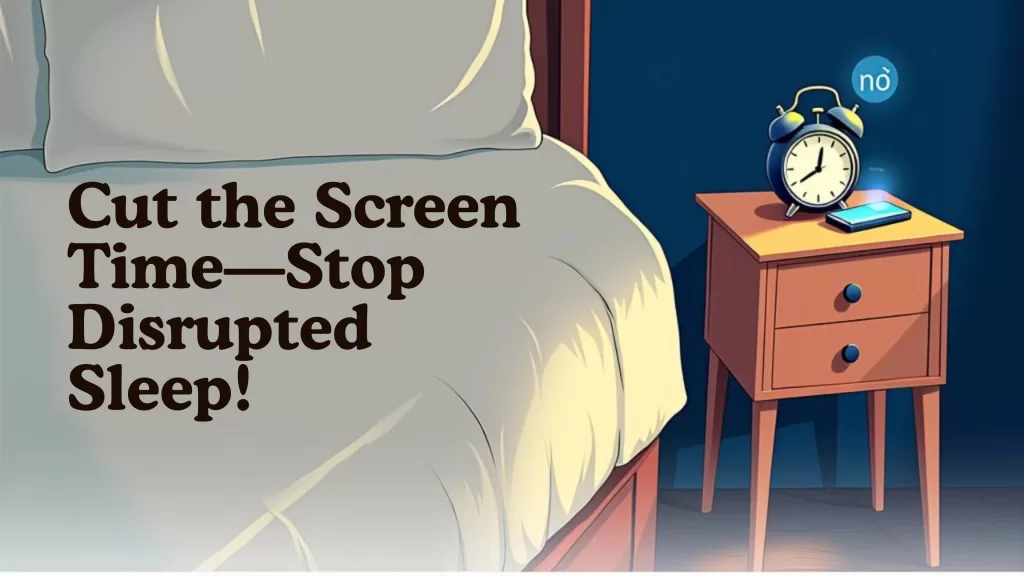
This one hurt. I mean, who doesn’t like late-night Instagram reels? But screens emit blue light, which messes with melatonin (the sleep hormone).
To improve sleep, I:
- Set a “phone bedtime” 1 hour before my real bedtime
- Switched to analog alarm clocks (yes, they still exist!)
- Used blue light filters or glasses when I absolutely had to use a screen
Trust me, your brain will thank you.
3. Create a Sleep Sanctuary (Your Room Matters) 🛏️✨
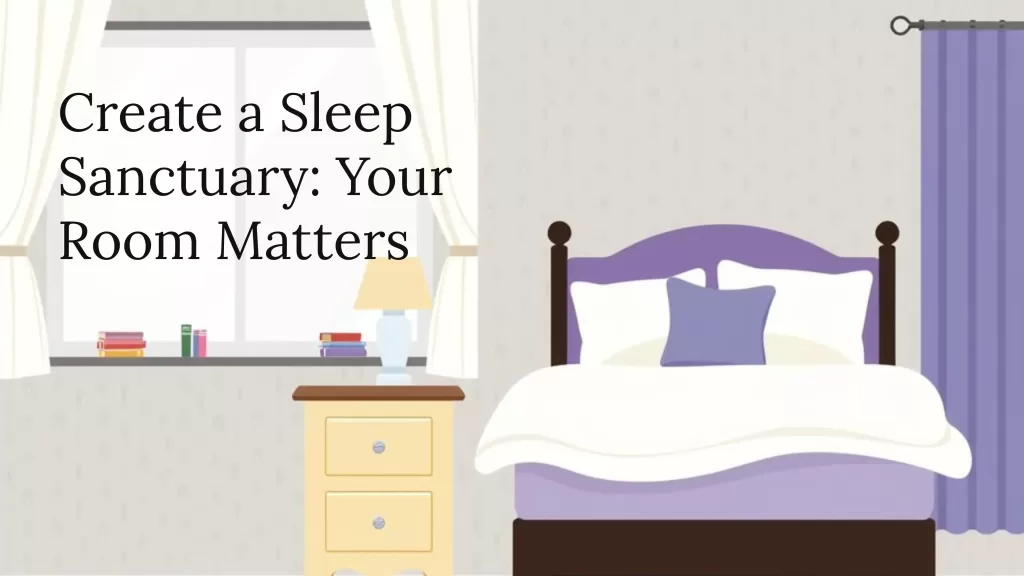
This is the underrated tip no one talks about. You can’t expect your brain to chill if your room looks like a war zone.
Sleep-improving hacks I swear by:
- Use blackout curtains or eye masks
- Lower the temp—cooler rooms improve sleep (scientifically proven!)
- Keep noise low, or use white noise machines (or even rain sounds on YouTube!)
I even added lavender essential oil to my pillowcase. It felt luxurious and helped me relax.
4. Avoid Heavy Meals and Caffeine Before Bed 🍔☕😵
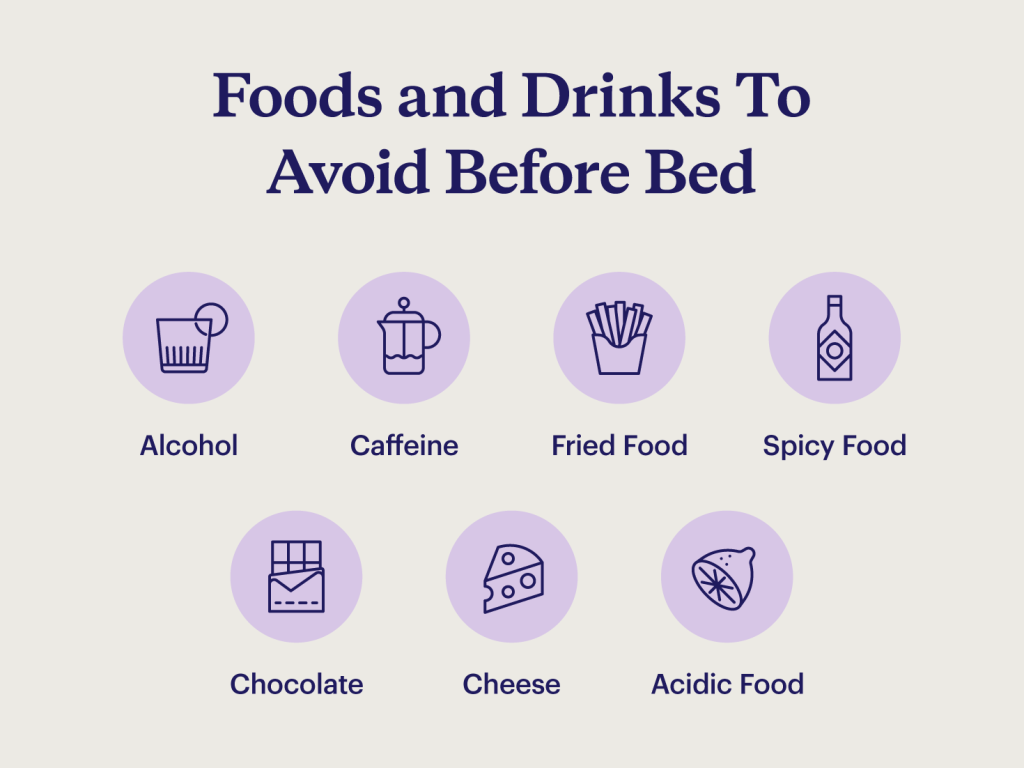
We’ve all done it—late-night Maggi or 9 PM coffee because “I need to stay up.” Spoiler: It ruins your sleep.
My personal rules:
- No caffeine after 4 PM
- Light dinner before 8 PM
- Herbal teas (like chamomile or tulsi) are lifesavers 🌿
Late-night snacking kept me awake more than I realized.
5. Exercise (But Not Right Before Bed) 🏃♀️🔥

I didn’t believe this until I tried it. Regular movement helps improve sleep drastically. But beware—working out too late can backfire.
What I learned:
- Morning or afternoon exercise = deeper sleep
- Evening walks are calming and help wind down
- Stretching or yoga before bed can work wonders
Check out yoga-based sleep routines on platforms like Wikitechy—they’re free and super effective.
6. Practice Mindfulness or Journaling 📓🧘
Ever felt your brain was racing with 73 thoughts per second the moment you lay down? Same here.
To calm the mental storm:
- I journaled my to-do list or anxieties (just a brain dump)
- Used Headspace or Calm apps for 5-min meditations
- Practiced 4-7-8 breathing technique—it’s magic!
It sounds simple, but writing down my worries actually helped me sleep better and faster.
7. Limit Naps—You’re Not a Cat 🐱💤

Afternoon naps are tempting. But overdoing it? Total sabotage.
My rule now:
- Nap for 20 minutes max (set a timer!)
- Avoid sleeping after 4 PM
- Replace naps with walks or stretching if I feel drowsy
You’ll notice your sleep improves at night once you stop napping randomly.
8. Make Sleep a Priority—Not an Afterthought 😌
This is more a mindset than a tip. For years, I treated sleep as “optional.” A few hours here, a few there.
But your body literally repairs itself while sleeping. It impacts memory, immunity, mood… even skin health!
So now I ask myself:
Would I cancel a meeting with someone important?
Then why cancel on my body’s recovery time?
9. Track Your Sleep (And Actually Use the Data) 📊🛌
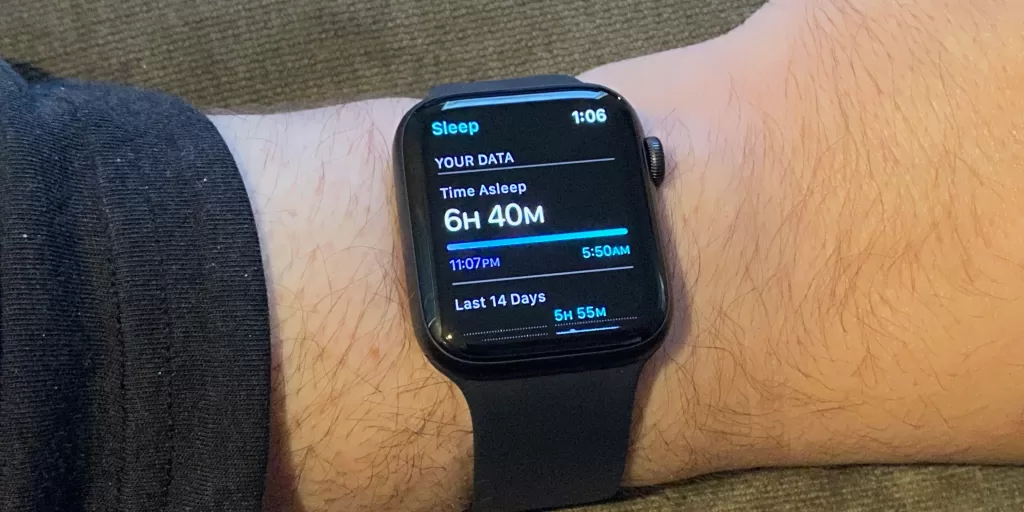
I got a basic sleep tracker last year—and wow. Seeing how little deep sleep I was getting was eye-opening.
Use tools like:
- Fitbit, Mi Band, or Apple Watch
- Sleep Cycle app
- Even a notebook works if you log bedtime and wake-up time
Once I noticed my sleep patterns, I could tweak them and track progress. Super empowering.
Final Thoughts: Sleep Isn’t Lazy—It’s Necessary ❤️
Here’s the truth: to improve sleep, you have to treat it like a non-negotiable part of your day. Like brushing your teeth or eating food. It’s not selfish. It’s self-care.
I’m not perfect—I still have off days. But since following these steps, I wake up feeling refreshed, more focused, and honestly… more me.
And if I can improve sleep after years of struggling, you can too. 💪
Internal Resources You’ll Love:
- Tablespoon vs. Teaspoon: Understanding the Differences and Conversions
- 10 Best AI Tools for UI/UX Designers in 2025 (because tech stress impacts your sleep!)
- AI vs ML vs Data Science: What Should You Learn In 2025? – Cut confusion = better mental peace = better sleep