
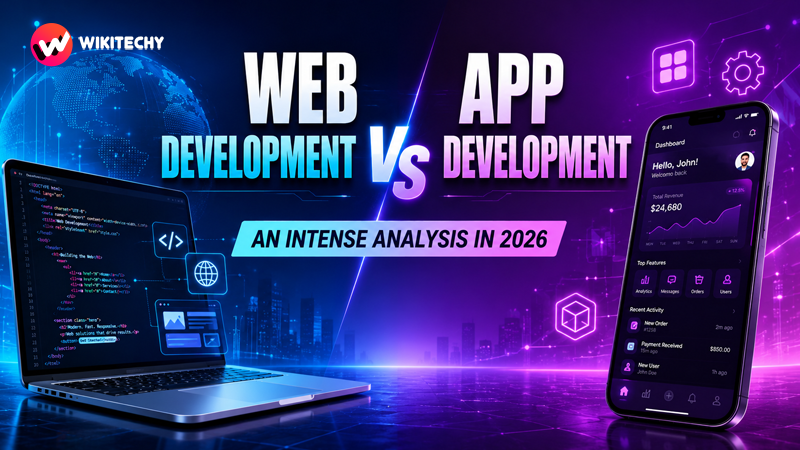
In the modern digital era, choosing between web development vs app development is no longer a simple technical decision—it is a strategic one. Businesses, startups, and even individual creators must carefully evaluate their goals, audience behavior, budget, and scalability before deciding which path to take.
This comprehensive guide goes far beyond surface-level comparisons. It explores architecture, development workflows, real-world use cases, scalability challenges, monetization strategies, and long-term career opportunities—giving you a complete understanding of both domains.
Web Development vs App Development
What is Web Development?

Web development is the process of building applications that run in web browsers. These applications can range from simple static websites to complex platforms like social networks, SaaS tools, and enterprise dashboards.
At its core, web development is built on three foundational layers.
The frontend layer is responsible for everything users see and interact with. It includes layout design, animations, buttons, forms, and responsiveness. Technologies such as HTML, CSS, and JavaScript form the backbone, while frameworks like React and Vue streamline development.
The backend layer handles server-side operations such as authentication, database interactions, and business logic. Popular backend technologies include Node.js, Python (Django/Flask), Java (Spring Boot), and PHP.
The database layer stores and manages data. Systems like MySQL, PostgreSQL, and MongoDB are widely used depending on application needs.
Modern web applications often behave like mobile apps thanks to concepts such as Progressive Web Apps (PWAs), enabling offline usage, push notifications, and faster performance.
What is App Development?
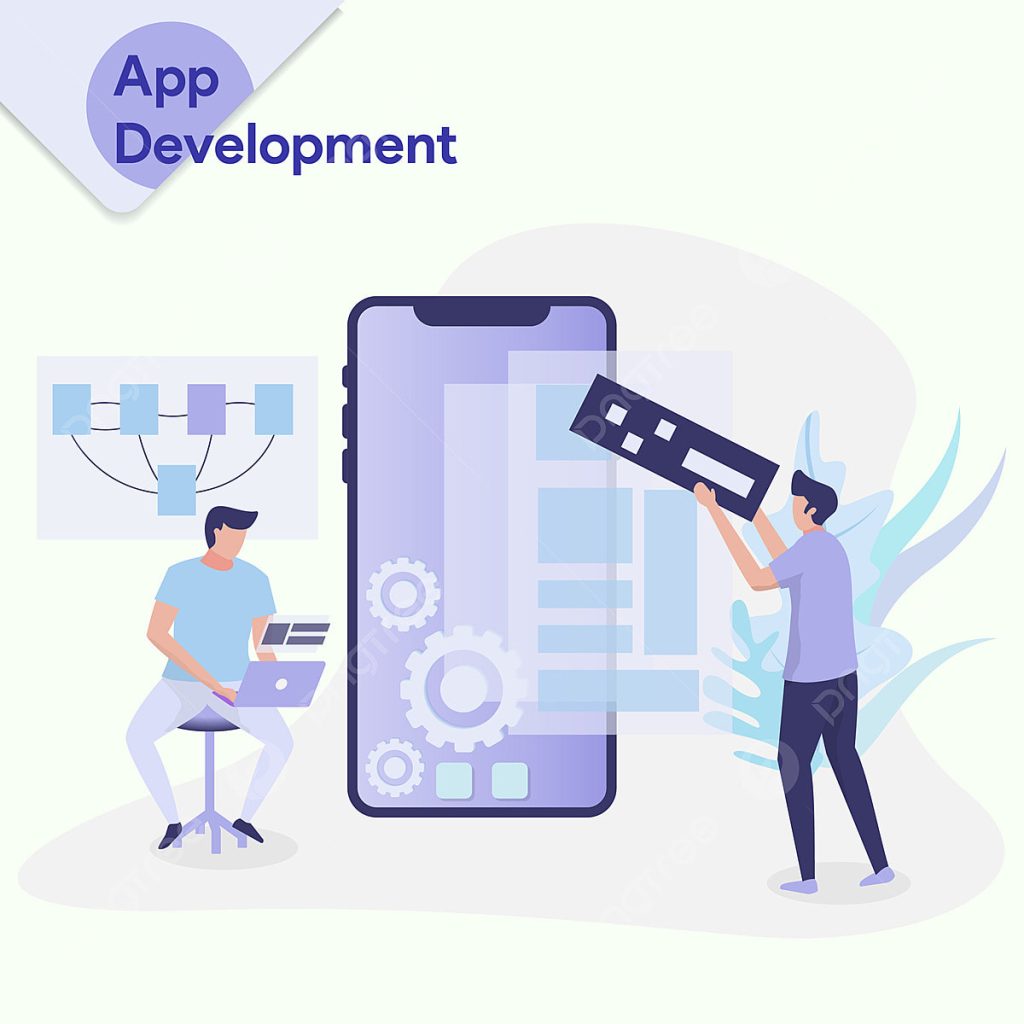
App development focuses on building software specifically for mobile devices such as smartphones and tablets. Unlike web apps, these are installed directly onto devices and can operate with deeper integration into hardware.
There are three major approaches to app development.
Native development involves building apps specifically for a platform. Android apps are typically built using Kotlin or Java, while iOS apps use Swift. This approach delivers maximum performance and smooth user experience.
Cross-platform development allows developers to write one codebase and deploy it across multiple platforms using frameworks like Flutter and React Native. It balances performance and development speed.
Hybrid apps combine web technologies with native containers. While easier to build, they may not match the performance of native apps.
App development emphasizes smooth animations, efficient memory usage, offline capabilities, and seamless interaction with device features like GPS, camera, and sensors.
Architecture Differences: Web vs App
One of the most important distinctions lies in architecture.
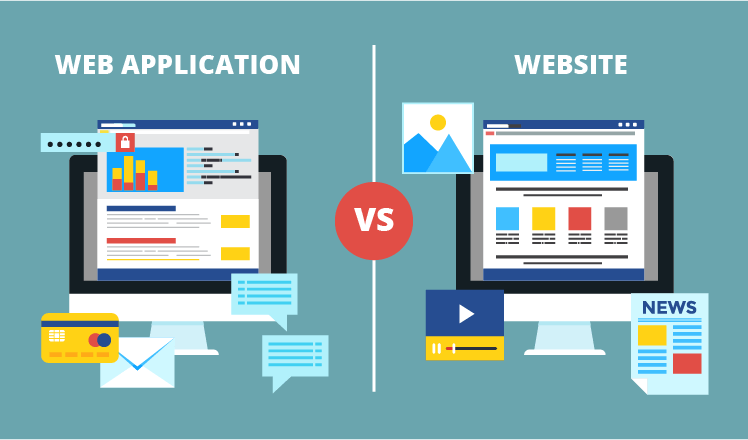
Web applications follow a client-server model, where the browser acts as the client and communicates with servers via APIs. The heavy lifting often happens on the server or cloud.
Mobile apps, however, distribute responsibilities differently. While they also rely on APIs, much of the logic can run directly on the device, reducing latency and improving performance.
Apps also leverage local storage, caching, and background processes more effectively than web applications.
Performance Comparison
Performance is often the deciding factor in choosing between web and app development.
Mobile apps generally outperform web apps because they are optimized for specific platforms and can directly access device hardware. This results in faster load times, smoother animations, and better responsiveness.
Web applications, while improving rapidly, still depend heavily on network conditions. Even with advanced caching and CDNs, they may struggle to match the performance consistency of native apps in low connectivity environments.
User Experience and Engagement
User experience is where mobile apps truly shine.
Apps provide a more immersive and personalized experience. Features like push notifications, offline access, gesture-based navigation, and personalization make apps highly engaging.
Web applications, however, excel in accessibility and convenience. Users can instantly access them without installation, making them ideal for first-time interactions and casual usage.
In many real-world scenarios, companies use websites for user acquisition and apps for long-term engagement.
Development Cost and Time
Cost plays a crucial role in decision-making.
Web development is generally more affordable because a single application works across all devices and platforms. Development cycles are faster, and deployment is simpler.
App development, especially native, can be expensive. Separate teams may be required for Android and iOS, increasing both time and cost. Even cross-platform solutions require additional optimization and testing.
Maintenance costs are also higher for apps due to frequent updates and compatibility requirements.
Scalability and Maintenance

Web applications are easier to scale using cloud infrastructure. Updates can be deployed instantly without requiring user action.
Mobile apps, on the other hand, depend on users updating their applications. This can lead to version fragmentation, where different users run different versions of the app.
However, apps can handle offline scenarios and local processing better, making them more resilient in certain use cases.
Security Considerations
Security is critical in both domains but implemented differently.
Web applications rely heavily on HTTPS, secure authentication, and server-side protections. They are more exposed to threats like cross-site scripting and SQL injection.
Mobile apps benefit from device-level security features such as biometric authentication and secure storage. However, they are not immune to reverse engineering and API-based attacks.
A strong security strategy is essential regardless of the platform.
Real-World Use Cases
Different industries prefer different approaches based on their needs.
Web development is ideal for content-driven platforms such as blogs, news portals, educational websites, and SaaS tools.
App development is preferred for high-engagement platforms like social media, gaming, fitness tracking, and on-demand services such as food delivery and ride-sharing.
Many successful companies like Amazon and Facebook use both platforms strategically.
Career Opportunities and Skills
Both fields offer excellent career opportunities, but the required skill sets differ.
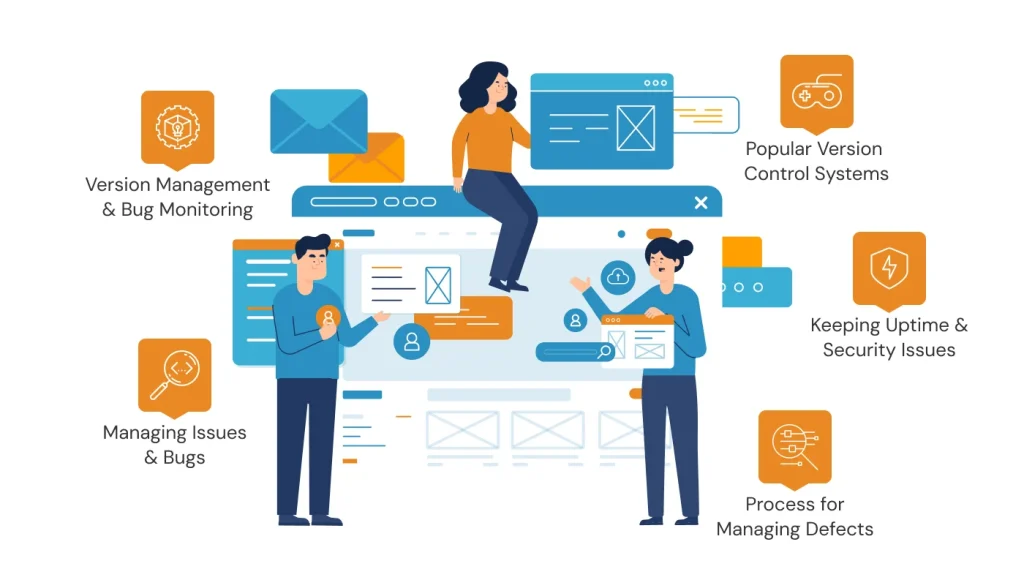
Web developers must understand frontend and backend technologies, version control systems, APIs, and deployment strategies. Full-stack developers are especially in demand.
App developers need expertise in platform-specific languages, UI/UX design principles, performance optimization, and mobile architecture patterns.
In terms of demand, web development offers broader entry opportunities, while app development often commands higher salaries due to its complexity.
Future Trends: Where the Industry is Heading
The line between web and app development is gradually blurring.
Technologies like Progressive Web Apps are bringing app-like features to the web, while cross-platform frameworks are simplifying mobile development.
Artificial intelligence, augmented reality, and cloud computing are shaping the future of both domains.
Developers who can adapt and learn both web and app technologies will have a significant advantage in the coming years.
Which One Should You Choose?
Choosing between web and app development depends on your goals.
If your priority is reach, affordability, and quick deployment, web development is the better option.
If you need high performance, deep user engagement, and advanced features, app development is the right choice.
In reality, the most successful strategy is often a combination of both—starting with a web platform and expanding into mobile apps as the product grows.
Final Thoughts
Web development and app development are not competitors—they are complementary forces in the digital ecosystem.
Web development provides accessibility and scalability, while app development delivers performance and engagement. Understanding their strengths, limitations, and ideal use cases will help you make informed decisions whether you’re building a product or planning your career.
As technology continues to evolve, the ability to bridge both worlds will become one of the most valuable skills in the software industry.
Kaashiv Infotech Offers,Web Development Course, Full Stack Python Course, Data Science Course, & More, visit their website www.kaashivinfotech.com.