
What is Motion Graphics Design?
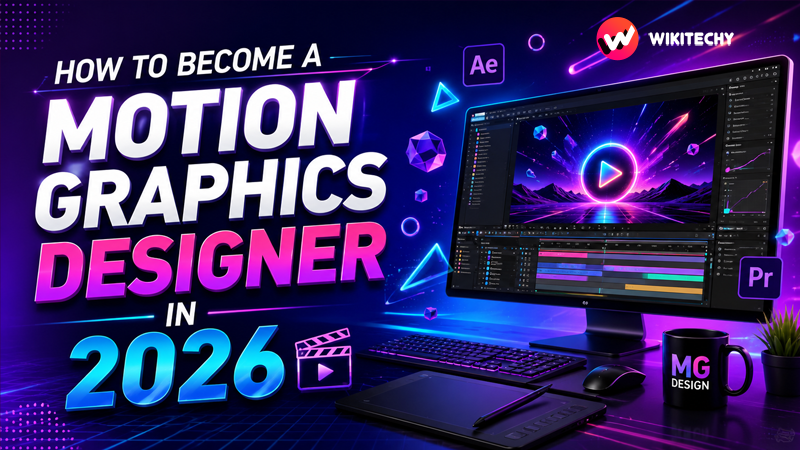
How to Become a Motion Graphics Designer – Motion graphics design is the creative process of turning static visuals into engaging animated content. Instead of drawing frame-by-frame like traditional animation, motion graphics focuses on animating shapes, text, icons, and layouts to communicate ideas clearly and attractively.
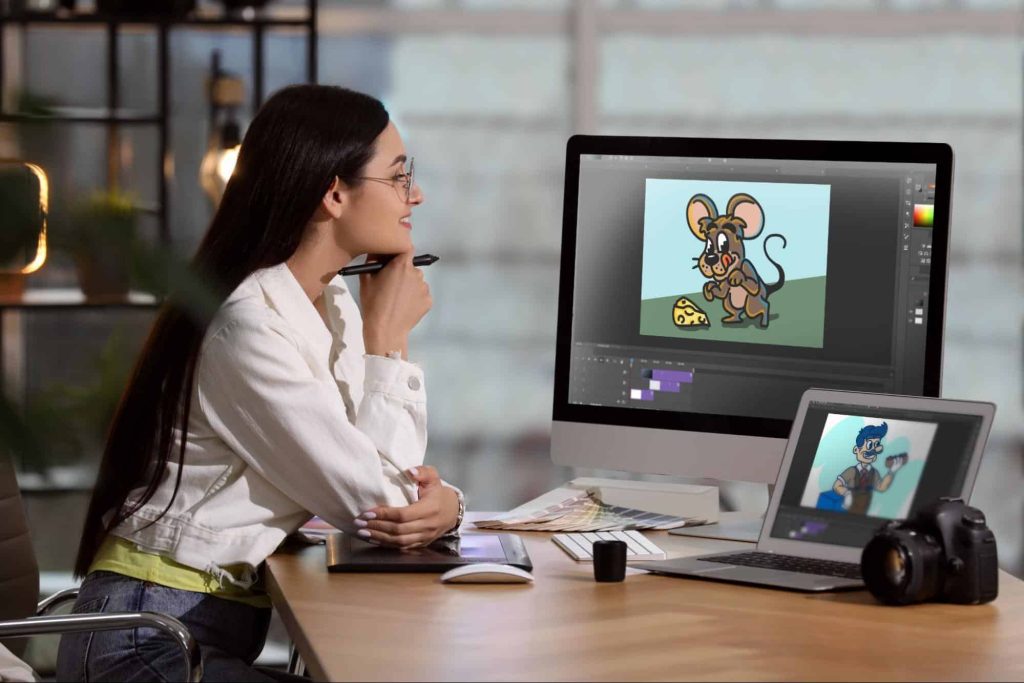
Think about the last time you watched a YouTube intro, an Instagram reel, or a product advertisement—those smooth transitions, animated titles, and visual effects are all part of motion graphics. In 2026, this field has become a core part of digital communication because audiences prefer visuals that move, explain, and entertain within seconds.
Motion graphics is not just about making things “move.” It’s about storytelling, timing, and emotion. A well-designed animation can explain a complex idea in seconds, which is why businesses heavily invest in it.
🚀 Why Motion Graphics is a Powerful Career in 2026
The demand for motion graphics designers has grown massively due to the explosion of video content. Brands, startups, influencers, and even educational platforms rely on motion design to capture attention in a crowded digital space.
Unlike many traditional careers, motion graphics offers flexibility. You can work as a freelancer, join a company, or even build your own brand on platforms like YouTube or Instagram. The earning potential is also impressive, especially if you specialize in high-demand areas like UI animation, 3D motion graphics, or advertising.
What makes this career even more exciting in 2026 is the integration of AI. While AI tools can assist with animation, they cannot replace creativity, storytelling, and human design thinking. This means skilled designers are still highly valuable.
🧠 Building the Right Foundation
Before opening any software, it’s important to understand the fundamentals. Many beginners make the mistake of jumping directly into tools, but without design knowledge, their work lacks impact.
Motion graphics is built on core principles like composition, color theory, typography, and visual hierarchy. These elements decide whether your animation looks professional or amateur. Alongside design, you also need to understand animation basics such as timing, spacing, easing, and rhythm.
Imagine animating a bouncing ball. If the timing is wrong, it won’t feel realistic. The same concept applies to professional motion graphics—every movement must feel natural and purposeful.
Storytelling is another key skill. Every animation should communicate something. Whether it’s a product feature, a brand message, or an idea, your job is to make it visually clear and engaging.
🛠️ Tools You Need to Master
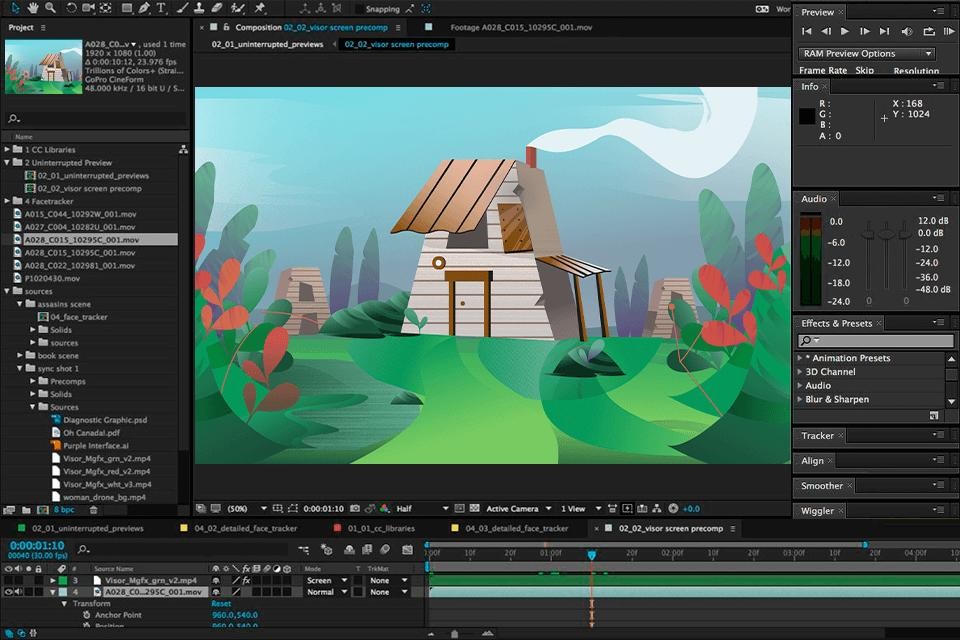
The tools you use will shape how efficiently you work, but they are only as powerful as your creativity.
In 2026, Adobe After Effects remains the industry standard for motion graphics. It allows you to animate text, create transitions, add visual effects, and build complete motion projects. Most professionals start here because it offers a perfect balance between power and usability.
Alongside After Effects, video editing tools like Premiere Pro help you assemble your animations into complete videos. Graphic design tools like Photoshop and Illustrator are used to create assets that you later animate.
As you grow, you can explore 3D tools such as Blender or Cinema 4D. These tools allow you to create advanced animations, product visualizations, and cinematic effects. While not mandatory for beginners, they can significantly increase your value in the industry.
The key is to start simple. Master one tool deeply before jumping to others.
📚 A Clear Learning Roadmap
Learning motion graphics can feel overwhelming at first, but breaking it into stages makes it manageable.
In the beginning, focus on understanding design basics and simple animations. Practice animating shapes and text. Learn how keyframes work and how to control motion.
As you progress, move into transitions, effects, and small projects like animated logos or short intros. At this stage, you should start thinking about storytelling—how to structure an animation from start to finish.
Once you are comfortable, challenge yourself with real-world projects such as explainer videos or social media ads. These projects help you understand client requirements and improve your problem-solving skills.
Finally, you can explore advanced areas like 3D motion graphics, UI animations, and cinematic effects. By this stage, you are no longer just learning—you are building expertise.
🎥 The Importance of Practice and Projects
Practice is what separates beginners from professionals. Watching tutorials is helpful, but creating your own projects is where real learning happens.
Start by recreating animations you see online. This helps you understand how professionals think and work. Then move on to creating your own ideas. Even simple projects like a logo animation or a short Instagram reel can teach you a lot.
Over time, your projects will improve in quality and complexity. The goal is not perfection but progress. Every project you complete becomes part of your portfolio, which is your biggest asset as a motion designer.
🌐 Building a Portfolio That Gets You Hired
Your portfolio is more important than your degree or certifications. Clients and companies care about what you can do, not what you studied.
A strong portfolio should showcase your best work. It should include a variety of projects that demonstrate your skills in animation, storytelling, and design. A short demo reel is especially powerful because it quickly shows your capabilities.
Presentation matters as much as the work itself. Explain your process, show how you approached the project, and highlight the results. This makes you stand out from other designers.
Platforms like Behance and Dribbble are great for showcasing your work, but having a personal website adds a professional touch.
💼 Starting Your Career
Once you have a solid portfolio, you can start applying for jobs or freelancing. Many beginners choose freelancing because it offers flexibility and real-world experience.
At the beginning, you might work on small projects, but these projects help you build confidence and client relationships. Over time, you can increase your rates and work on bigger projects.
If you prefer a stable career, you can apply for roles in companies such as motion designer, video editor, or UI animator. Many startups and media companies are constantly looking for creative professionals who can create engaging visual content.
🤖 The Role of AI in Motion Graphics
AI has become a powerful tool in motion design, helping automate repetitive tasks and speed up workflows. However, it does not replace creativity.
In 2026, the best motion designers are those who know how to use AI tools effectively while still bringing their own ideas and storytelling into their work. Instead of fearing AI, you should learn to use it as an assistant that enhances your productivity.
📈 Career Growth and Opportunities
Motion graphics is not a limited field. As you gain experience, you can specialize in areas like advertising, filmmaking, UI/UX animation, or 3D design.
You can also move into leadership roles such as creative director or start your own design studio. Some designers even become content creators, teaching others and building a personal brand online.
The more you specialize and improve your skills, the more opportunities and income you can generate.
🏁 Final Thoughts
Becoming a motion graphics designer in 2026 is a journey that combines creativity, technical skills, and consistent practice. You don’t need expensive degrees or years of study. What you need is dedication, curiosity, and a willingness to learn.
Start with the basics, practice regularly, build projects, and share your work. Over time, your skills will grow, your confidence will increase, and opportunities will come your way.
Motion graphics is not just a career—it’s a creative superpower that allows you to turn ideas into moving visuals that people love to watch.
Want to learn more, Kaashiv Infotech Offers, UI UX Course, Front End Development Course, Full Stack Development Course & More, Visit Their Website www.kaashivinfotech.com.