Database Security in 2026: A Complete Guide to Protecting Your Data from Modern Threats
In an era where data is often called the “new oil,” protecting databases has become one of the most critical responsibilities for developers, businesses, and organizations. From customer information and financial records to intellectual property and analytics data, databases hold the most valuable digital assets.
Unfortunately, they are also prime targets for cyberattacks. A single vulnerability can lead to data breaches, legal penalties, and long-term damage to a company’s reputation. That’s why database security is not just a technical requirement—it’s a strategic necessity.
In this in-depth guide, we’ll explore the most effective practices you should follow to secure your database systems in 2026 and beyond, with a focus on real-world implementation and long-term protection.
Understanding Database Security
Database security refers to the set of tools, controls, and processes used to protect databases from unauthorized access, misuse, or breaches. It ensures three key principles:
- Confidentiality – Only authorized users can access the data
- Integrity – Data remains accurate and unaltered
- Availability – Data is accessible when needed
Modern database systems such as MySQL, PostgreSQL, and MongoDB provide built-in security features, but relying solely on default configurations is not enough.
True security comes from combining technology, best practices, and continuous monitoring.
1. Build Strong Access Control from the Ground Up
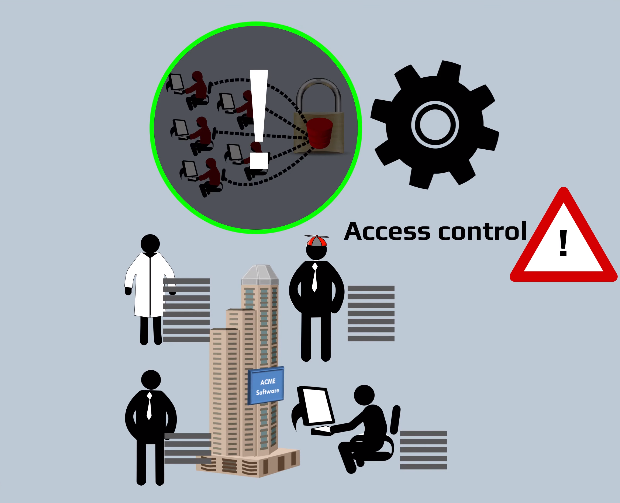
One of the most common causes of data breaches is excessive or poorly managed access permissions. When too many users have high-level privileges, the risk of misuse—whether intentional or accidental—increases significantly.
A strong access control system ensures that every user only has access to what they truly need. This concept, known as the principle of least privilege, is fundamental to database security.
Instead of assigning permissions manually for each user, organizations often implement role-based access control. This approach groups users based on their responsibilities and assigns permissions accordingly. For example, a developer might have read/write access in a development environment but only read access in production.
Adding multi-factor authentication further strengthens this layer by requiring users to verify their identity using more than just a password. Over time, access rights should be reviewed and adjusted as roles change within the organization.
2. Use Encryption as a Default, Not an Option

Encryption acts as a protective shield for your data. Even if attackers manage to gain access to your database or intercept data during transmission, encryption ensures that the information remains unreadable.
There are two primary areas where encryption must be applied: data at rest and data in transit. Data at rest includes everything stored in your database files or backups, while data in transit refers to information moving between servers, applications, and users.
Modern systems like Microsoft SQL Server and Oracle Database support advanced encryption mechanisms, including Transparent Data Encryption (TDE).
However, implementing encryption is not enough—you must also manage encryption keys securely. Poor key management can completely undermine the benefits of encryption.
3. Keep Systems Updated to Eliminate Vulnerabilities

Cybercriminals are constantly looking for known vulnerabilities in database systems. These vulnerabilities are often publicly documented, which makes outdated systems an easy target.
Regular updates and patch management are essential for closing these security gaps. Database vendors frequently release updates to fix bugs, improve performance, and address newly discovered threats.
Ignoring updates can leave your system exposed, even if all other security measures are in place. A well-defined update strategy ensures that patches are applied promptly without disrupting operations.
Organizations should also monitor official security advisories from database providers and test updates in staging environments before deploying them to production.
4. Design a Reliable Backup and Recovery Strategy

No matter how secure your system is, there is always a possibility of failure—whether due to cyberattacks like ransomware, hardware issues, or human mistakes.
A robust backup strategy ensures that your data can be restored quickly and accurately when something goes wrong.
Backups should be automated, encrypted, and stored in multiple locations, including offsite or cloud environments. It’s equally important to test your backups regularly. Many organizations fail not because they lack backups, but because their backups don’t work when needed.
A strong recovery plan outlines how quickly systems can be restored and who is responsible for executing the process. This reduces downtime and minimizes business impact.
5. Monitor and Audit Database Activity Continuously

Database security is not a one-time setup—it requires constant vigilance. Monitoring and auditing help detect unusual behavior before it escalates into a serious incident.
For example, repeated failed login attempts might indicate a brute-force attack, while unexpected data queries could signal unauthorized access.
Most modern databases, including MongoDB, provide logging and auditing features that track user activity and system changes. These logs can be analyzed manually or integrated with security tools for real-time alerts.
Continuous monitoring also helps organizations meet compliance requirements and maintain transparency in their operations.
6. Prevent SQL Injection and Application-Level Attacks

Even the most secure database can be compromised through vulnerabilities in the application layer. SQL injection remains one of the most common attack methods used by hackers.
This type of attack occurs when malicious input is inserted into a query, allowing attackers to manipulate the database.
Preventing SQL injection requires a secure coding approach. Developers should use parameterized queries or prepared statements, which separate code from data inputs. Input validation is equally important, ensuring that only expected data formats are accepted.
Frameworks and ORMs (Object-Relational Mappers) can also help reduce the risk by handling queries safely. However, developers must still follow best practices and avoid shortcuts that introduce vulnerabilities.
7. Secure Database Configuration and Infrastructure
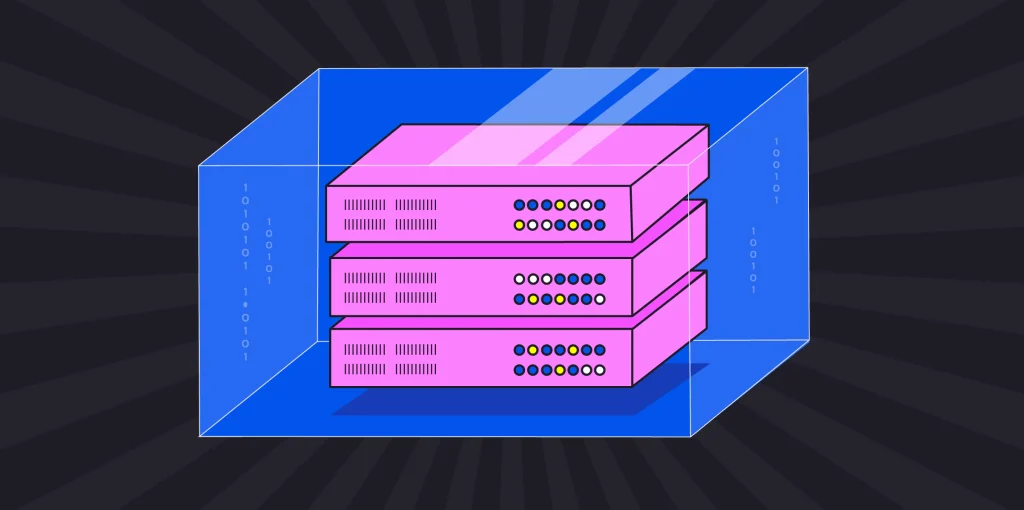
A surprising number of security breaches occur due to poor configuration. Default settings in database systems are often designed for ease of use, not security.
For example, default usernames, open ports, and unnecessary services can create entry points for attackers.
Securing your database begins with hardening its configuration. This includes changing default credentials, disabling unused features, and restricting network access to trusted sources only.
Firewalls, VPNs, and network segmentation add additional layers of protection. Instead of exposing your database directly to the internet, it should be placed within a secure internal network.
Proper configuration reduces the attack surface and makes it significantly harder for unauthorized users to gain access.
The Human Factor in Database Security
While technology plays a crucial role, human error remains one of the biggest risks in database security. Misconfigured permissions, weak passwords, and lack of awareness can all lead to vulnerabilities.
Training employees on security best practices is essential. Developers, administrators, and even non-technical staff should understand the importance of protecting sensitive data.
Creating a culture of security within an organization ensures that everyone contributes to maintaining a safe environment.
Looking Ahead: The Future of Database Security
As technology evolves, so do security challenges. With the rise of cloud computing, AI-driven applications, and distributed systems, database security is becoming more complex.
Future trends include automated threat detection, zero-trust architectures, and advanced encryption techniques. Organizations that adopt proactive security strategies will be better prepared to handle emerging threats.
Database security is no longer just about prevention—it’s about resilience, adaptability, and continuous improvement.
Conclusion
Protecting your database is not a single action but an ongoing process that requires attention, planning, and discipline. By focusing on strong access control, encryption, regular updates, reliable backups, continuous monitoring, secure coding practices, and proper configuration, you can build a highly secure database environment.
Whether you’re working with MySQL, PostgreSQL, or Microsoft SQL Server, these principles remain universally applicable.
In 2026, database security is not just a best practice—it’s a necessity for survival in the digital world.
Want to Learn Sql Course, MySql Course ? Visit www.kaashivinfotech.com.
Related Reads: